
 Save
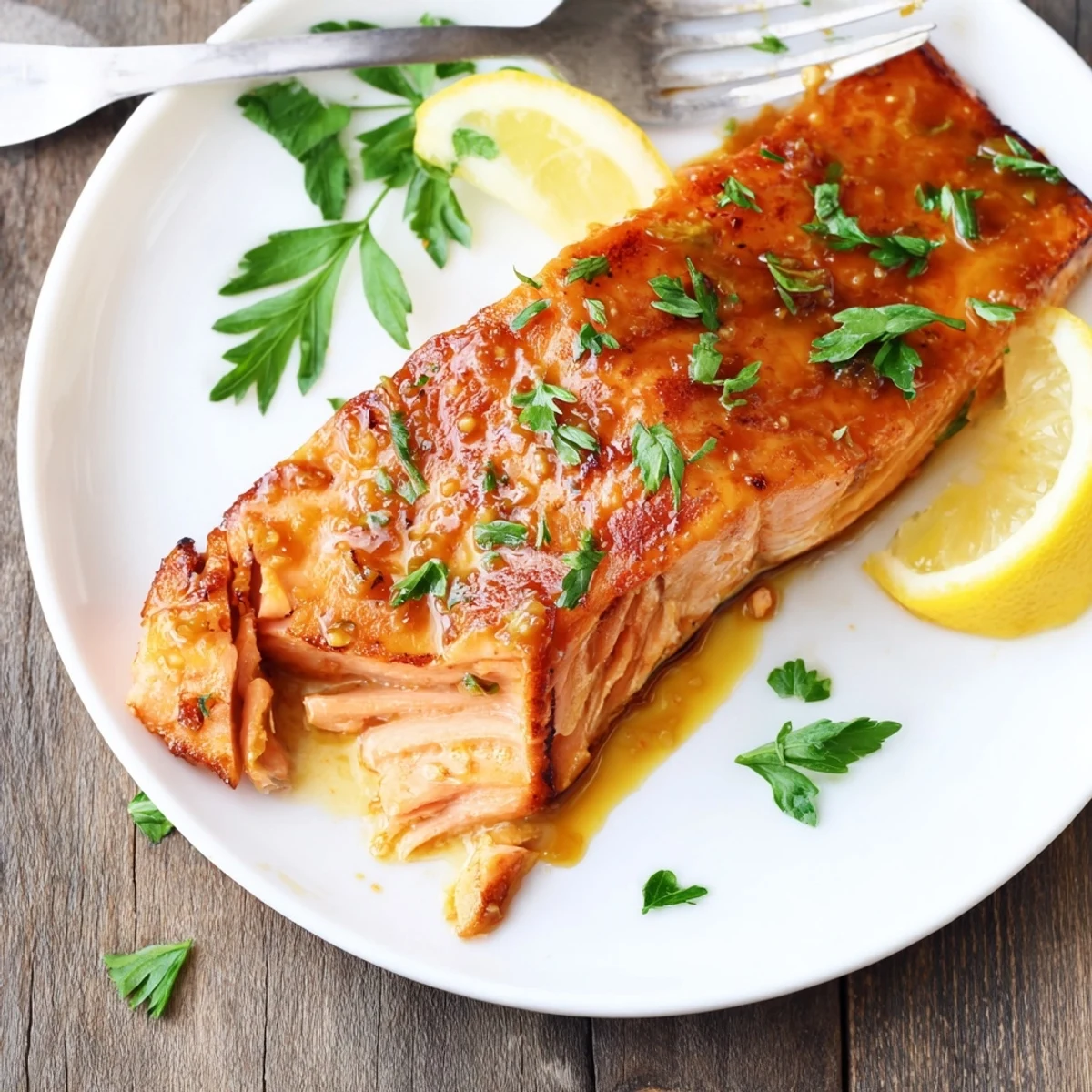
Save This baked honey mustard salmon delivers perfectly cooked, flaky fillets coated in a luscious glaze made from Dijon mustard, honey, whole grain mustard, and a hint of smoked paprika.
With just 10 minutes of prep and 15 minutes in the oven, it's an ideal weeknight dinner that feels elegant enough for entertaining. Serve alongside roasted vegetables, fluffy rice, or a crisp green salad for a complete meal.
The smell of honey caramelizing against mustard on a hot baking sheet is the kind of thing that makes neighbors knock on your door and ask what on earth you are cooking. I threw this together one rainy Tuesday when the fridge offered nothing but salmon fillets and a nearly empty jar of Dijon. Fifteen minutes later, I was standing at the counter eating straight off the tray because plating felt like a waste of time.
My sister walked in halfway through baking once, glanced at the oven, and said it smelled like something from a coastal town in France. We ate it with our fingers standing around the kitchen island, juice running down our wrists, and nobody missed the forks.
Ingredients
- 4 salmon fillets (about 170 g each): Skin on holds together beautifully during baking, but skinless works fine if that is what you have.
- 3 tbsp Dijon mustard: This is the backbone of the glaze, so use a good quality one with real bite.
- 2 tbsp honey: Balances the mustard heat and helps the glaze caramelize into a sticky crust.
- 1 tbsp whole grain mustard: Adds texture and a mellow earthiness that smooth Dijon cannot do alone.
- 1 tbsp olive oil: Keeps the salmon moist and helps the glaze spread evenly.
- 1 tbsp fresh lemon juice: Brightens everything and cuts through the richness of the fish.
- 2 garlic cloves, minced: Fresh garlic only, the jarred stuff loses too much punch in the oven.
- 1/2 tsp smoked paprika: A tiny amount goes a long way toward giving the dish a subtle fireside depth.
- Salt and freshly ground black pepper: Season the fish before glazing and adjust the sauce to your taste.
- Fresh parsley and lemon wedges: For garnish, and honestly they make the plate look cared for.
Instructions
- Preheat and prepare:
- Set your oven to 200°C (400°F) and line a baking tray with parchment paper so cleanup is effortless.
- Whisk the glaze:
- In a small bowl, combine the Dijon mustard, honey, whole grain mustard, olive oil, lemon juice, garlic, smoked paprika, and a pinch each of salt and pepper. Taste it on your finger and adjust if you want it sweeter or sharper.
- Prep the salmon:
- Pat each fillet dry with paper towels, which helps the glaze stick rather than slide off. Season them lightly with salt and pepper.
- Glaze the fillets:
- Spoon the mixture generously over each piece of salmon, using a pastry brush or the back of the spoon to coat every edge.
- Bake until perfect:
- Slide the tray into the oven and bake for 12 to 15 minutes until the fish flakes easily with a fork and the glaze turns golden and slightly bubbling.
- Rest and garnish:
- Let the salmon rest for 2 minutes off the heat, then scatter chopped parsley over the top and serve with lemon wedges pressed alongside.
 Save
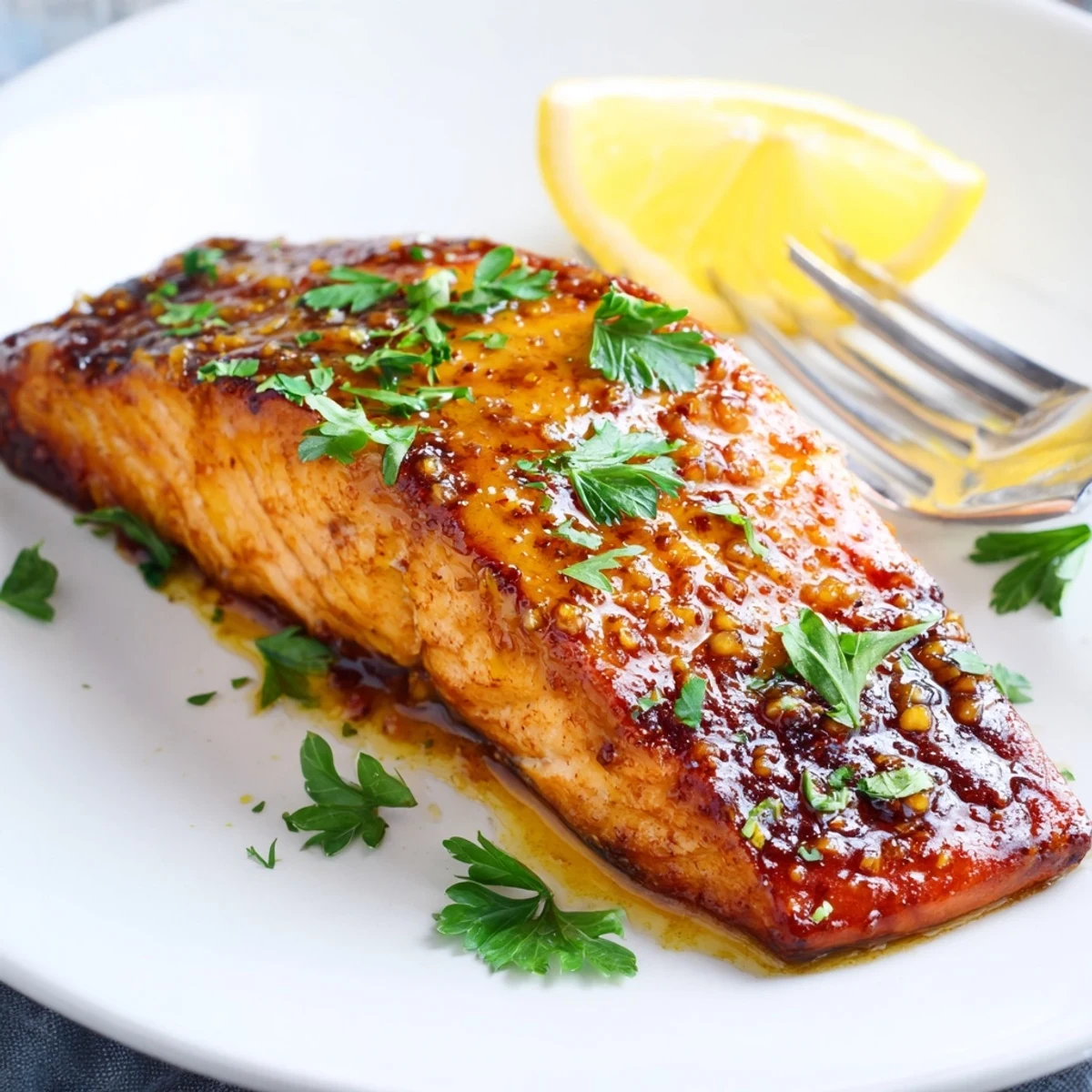
Save There was a winter evening when I served this to friends gathered around a table cluttered with wine bottles and half a baguette, and the conversation stopped completely for a solid minute while everyone ate.
What to Serve Alongside
This salmon pairs wonderfully with roasted asparagus, steamed jasmine rice, or a simple arugula salad dressed with nothing more than lemon and olive oil. The glaze is bold enough that your sides can be quiet and unfussy.
Adjusting the Flavor
If you like heat, a pinch of chili flakes in the glaze wakes everything up without overpowering the honey. Swapping Dijon for a spicier brown mustard or a milder yellow mustard shifts the personality of the dish entirely, so experiment freely.
Allergen and Dietary Notes
This recipe is naturally gluten free and pescatarian, but always check your mustard labels since some brands sneak in unexpected ingredients. The dish contains both fish and mustard, which are worth flagging for anyone with sensitivities.
- Check condiment labels if cooking for someone with a mustard allergy.
- Use a clean cutting board for garnishes to avoid cross contamination.
- Leftovers keep well in the fridge for up to two days and taste great cold.
 Save
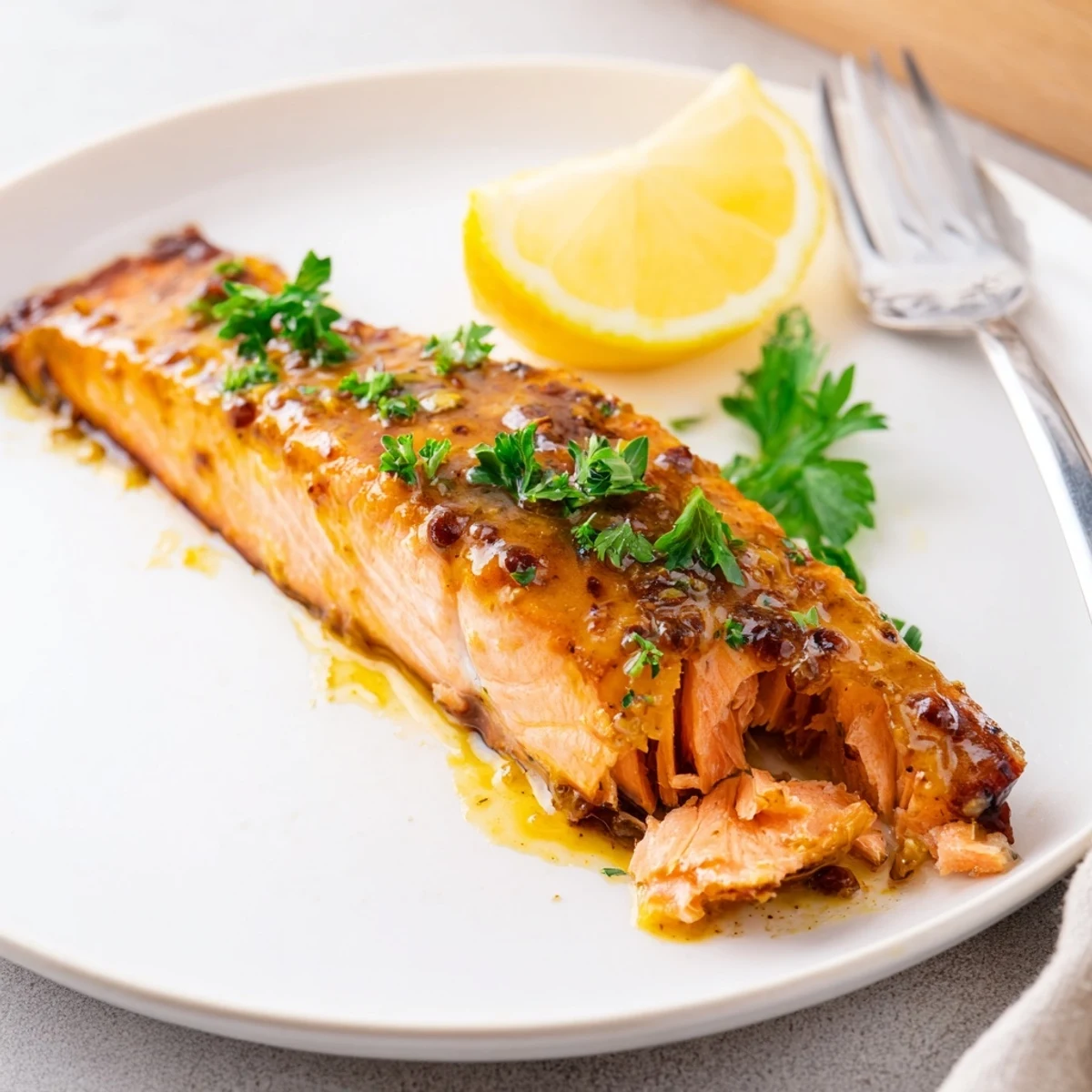
Save Some recipes earn a permanent spot in your rotation because they ask almost nothing and give everything back. This is one of those, and I hope it becomes yours too.
Recipe FAQs
- → What temperature should the oven be for baking salmon?
-
Preheat your oven to 200°C (400°F). This high heat ensures the salmon cooks quickly while developing a beautiful caramelized exterior from the honey mustard glaze.
- → How do I know when the salmon is done cooking?
-
The salmon is ready when it flakes easily with a fork and appears opaque throughout. This typically takes 12 to 15 minutes at 200°C, depending on the thickness of your fillets.
- → Can I use frozen salmon fillets?
-
Yes, but thaw them completely in the refrigerator overnight before cooking. Pat the fillets dry thoroughly with paper towels so the honey mustard glaze adheres properly.
- → What can I substitute for Dijon mustard?
-
You can swap Dijon with yellow mustard for a milder flavor or spicy brown mustard for more bite. Whole grain mustard already in the glaze adds texture, so adjust based on your preference.
- → How should I store leftover salmon?
-
Place cooled leftovers in an airtight container and refrigerate for up to 2 days. Gently reheat in a low oven or enjoy cold over a salad for lunch the next day.
- → Is this dish suitable for gluten-free diets?
-
Yes, all the ingredients listed are naturally gluten-free. Always verify labels on your Dijon mustard and other condiments to confirm no gluten-containing additives are present.