
 Save
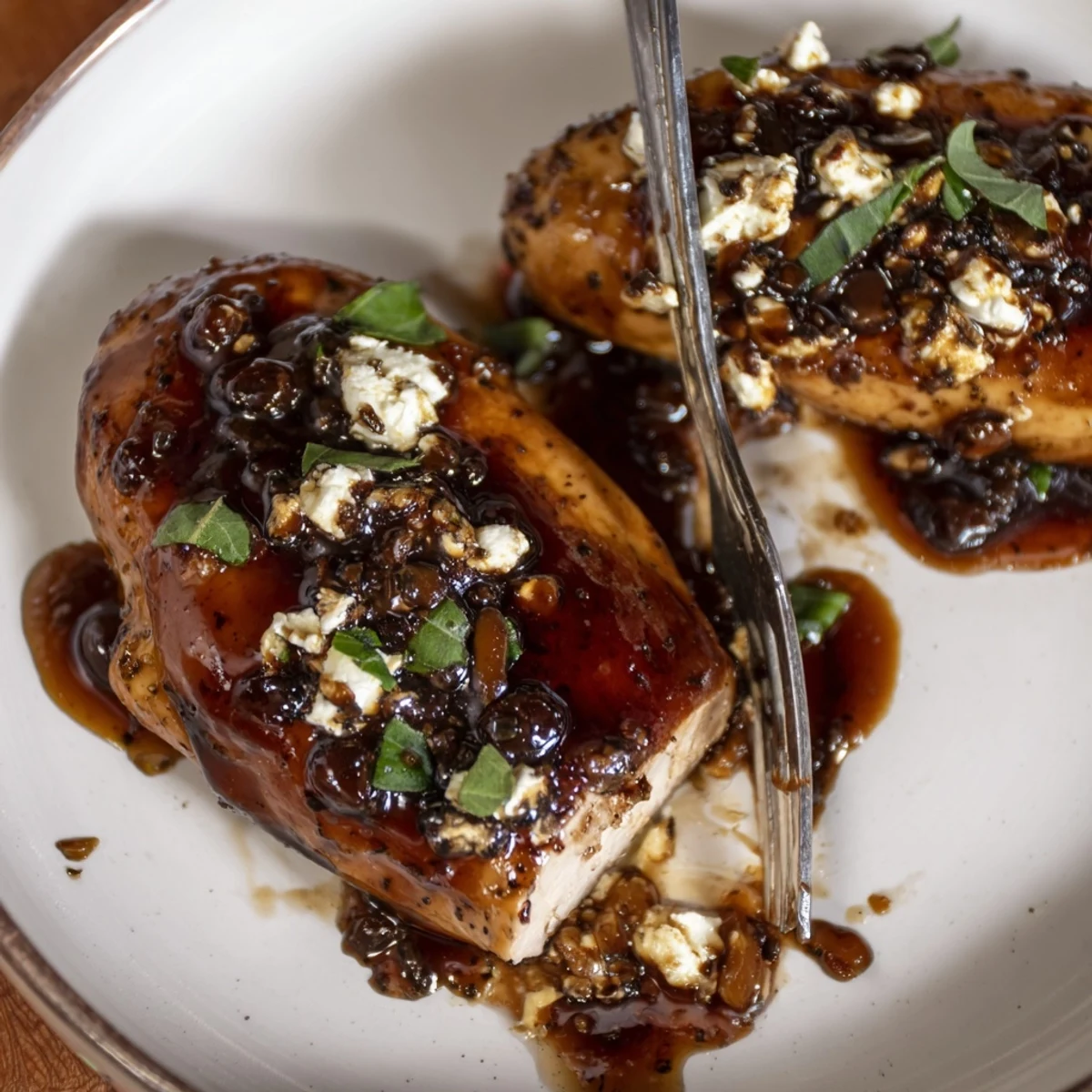
Save Quick method for juicy chicken breasts: whisk balsamic, honey, Dijon, garlic and olive oil, pour over chicken and let sit briefly. Bake at 400°F until cooked through, spooning pan juices once. Top hot chicken with crumbled goat cheese and return briefly to soften, then scatter chopped basil and drizzle extra reduction. Serve with roasted veg or salad.
The smell of balsamic vinegar hitting a hot oven pan is one of those scents that makes everyone wander into the kitchen asking what is for dinner. This recipe came together one Tuesday when I had goat cheese leftover from a dinner party and chicken that needed a purpose. Twenty minutes later the whole house smelled like a trattoria and I looked like I had planned it all along.
My neighbor stopped by once while this was in the oven and ended up staying for dinner because she could not stop talking about the aroma. I plated it with a simple arugula salad and she texted me the next morning asking for the recipe. That is the kind of loyalty a good balsamic glaze inspires.
Ingredients
- 4 boneless skinless chicken breasts: Pound them to even thickness so they cook uniformly and stay juicy throughout.
- 1/3 cup balsamic vinegar: Use a decent quality one here since it is the backbone of the entire glaze and cheap vinegar tastes flat.
- 2 tablespoons honey: This balances the acidity of the vinegar and helps everything caramelize into a sticky beautiful mess.
- 1 tablespoon Dijon mustard: Acts as an emulsifier to keep the glaze together and adds a subtle kick that rounds out the sweetness.
- 2 cloves garlic minced: Fresh garlic only please because the jarred stuff loses too much punch for a recipe this simple.
- 2 tablespoons olive oil: Helps the marinade coat the chicken evenly and keeps the edges from drying out.
- 1/2 teaspoon salt and 1/4 teaspoon black pepper: Seasoning sounds basic but do not skip it because the glaze needs that salt to pop.
- 4 oz goat cheese crumbled: Let it come to room temperature so it softens beautifully when it hits the hot chicken.
- 1/4 cup fresh basil chopped: Tear it by hand instead of chopping with a knife to keep the edges from turning black.
Instructions
- Preheat and prepare:
- Set your oven to 400 degrees F and grab a baking dish large enough to hold all four breasts without crowding. A crowded pan means steamed chicken instead of that gorgeous caramelized finish you want.
- Whisk the glaze together:
- In a small bowl combine the balsamic vinegar, honey, Dijon mustard, garlic, olive oil, salt, and pepper until smooth and fragrant. Taste it on your finger and adjust the honey if your vinegar is especially sharp.
- Marinate the chicken:
- Place the chicken in the baking dish and pour the glaze over every piece, turning each breast to coat all sides. Even ten minutes of sitting makes a difference but if you have longer let it soak up to an hour in the fridge.
- Bake and baste:
- Slide the dish into the oven and bake for 20 to 25 minutes until the internal temperature reads 165 degrees F. Halfway through pull it out briefly and spoon the pan juices back over each piece for extra moisture and color.
- Add the goat cheese:
- Scatter the crumbled goat cheese across the hot chicken and return to the oven for just 2 to 3 minutes until it softens and begins to melt. Watch closely because goat cheese goes from perfectly gooey to too runny in seconds.
- Finish and serve:
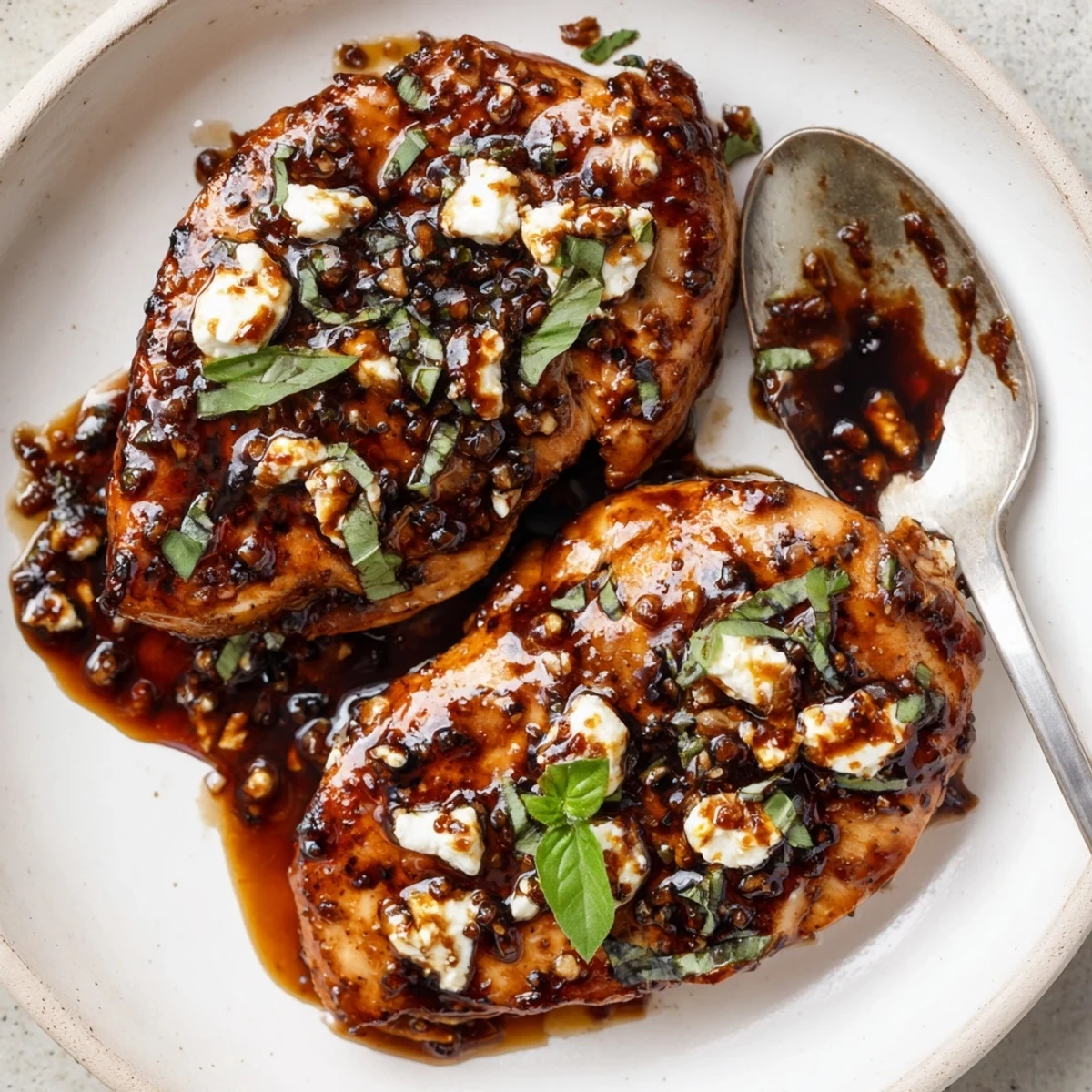
- Transfer each breast to a plate and spoon the pan sauce over the top. Sprinkle generously with fresh basil and add an extra drizzle of balsamic glaze if you have it on hand.
 Save
Save I made this for a friend who claimed she did not like goat cheese and she cleaned her entire plate without a word. Sometimes the right preparation changes everything about how you feel about an ingredient.
What to Serve Alongside It
Roasted vegetables are a natural match because you can throw them on a sheet pan and roast them right alongside the chicken. Mashed potatoes or a crusty loaf of bread work beautifully if you want something to soak up every drop of that pan sauce. A simple green salad with lemon vinaigrette cuts the richness and keeps the meal balanced.
Swaps and Substitutions
Chicken thighs work just as well as breasts and actually stay juicier if you tend to overcook things. If goat cheese is not your favorite, try feta or even a mild blue cheese for a sharper edge. Arugula or flat leaf parsley can stand in for basil when you want a different herb direction entirely.
Storage and Reheating
Leftovers keep well in an airtight container in the fridge for up to three days and the flavor actually deepens overnight. Reheat gently in the oven or toaster oven at 350 degrees F to keep the goat cheese from separating. The microwave works in a pinch but you lose some of that beautiful texture on the glaze.
- Store the chicken and any extra sauce together so nothing dries out.
- Add fresh basil after reheating rather than before so it stays bright and green.
- Freezing is possible but the goat cheese texture changes so it is best enjoyed fresh.
 Save
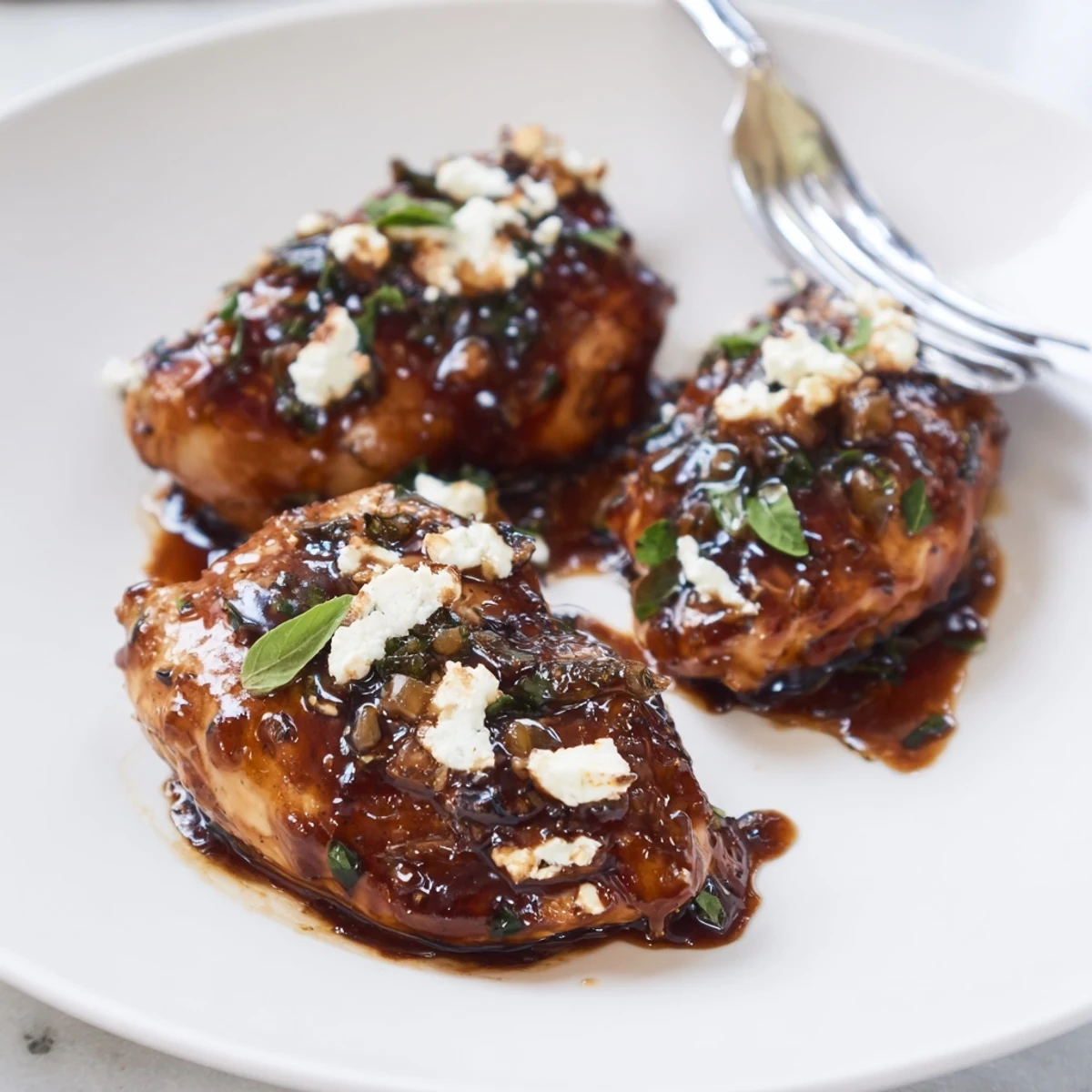
Save This is the kind of recipe that reminds you weeknight dinners do not have to be boring to be easy. Keep balsamic vinegar and goat cheese on hand and you will always be twenty minutes away from something special.
Recipe FAQs
- → Can I use chicken thighs instead of breasts?
-
Yes. Bone-in or boneless thighs work well and stay moist; reduce oven time if using small boneless pieces and check for an internal temperature of 165°F/74°C.
- → How do I make a thicker balsamic glaze?
-
Simmer balsamic vinegar with a touch of honey over low heat until reduced by about half and syrupy. Cool to thicken further and drizzle sparingly for concentrated tang.
- → What's the best way to reheat leftovers without drying?
-
Warm gently in a covered pan over low heat with a splash of chicken stock or water, or reheat in a 325°F oven covered with foil until just warmed to keep juices intact.
- → Are there good substitutes for goat cheese?
-
Soft cheeses like ricotta, feta, or mascarpone provide creaminess and a tangy contrast; use crumbled or dolloped forms so they melt slightly without overwhelming the glaze.
- → How long can I marinate the chicken for more flavor?
-
Allowing the chicken to sit in the balsamic mixture for 10–30 minutes adds noticeable flavor; you can marinate up to 2 hours in the fridge for deeper infusion but avoid overly acidic breakdown.
- → What side dishes pair best with these flavors?
-
Roasted vegetables, a simple green salad, or creamy mashed potatoes complement the sweet-tangy glaze and creamy cheese while keeping the meal balanced.