
 Save
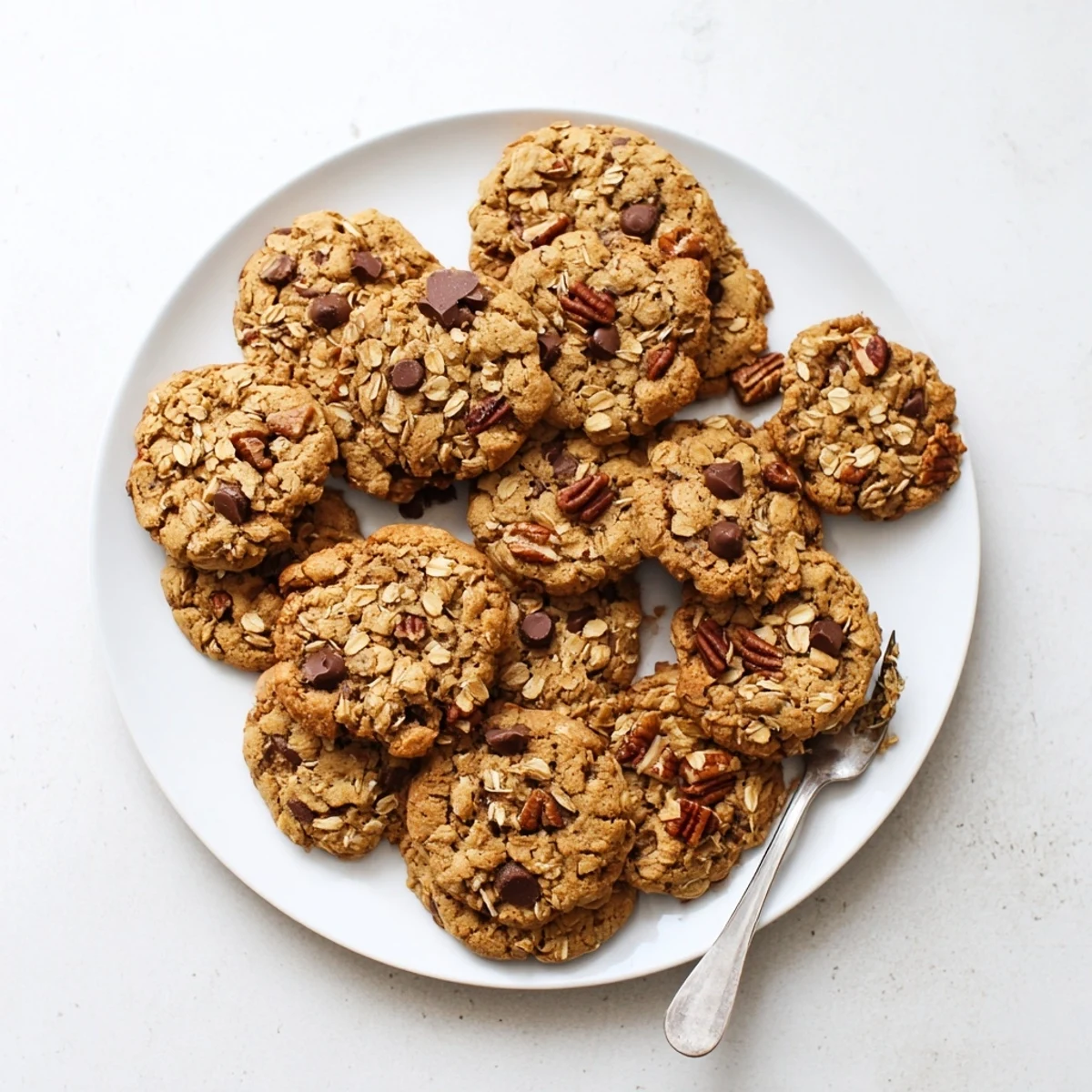
Save These chewy cookies combine the nutty depth of browned butter with hearty Irish oats for a satisfying texture. The brown butter adds caramel notes while old-fashioned oats provide wholesome chewiness. Perfect with tea or coffee, these cookies come together quickly and bake in just 12 minutes.
The first time I browned butter for cookies, I stood over the stove with my heart pounding, convinced I was burning it. Those milk solids turned golden and my entire apartment filled with this intoxicating nutty aroma that made me realize why pastry chefs talk about brown butter like its magic. Now I cant make oatmeal cookies any other way because that toasted, caramel flavor transforms something ordinary into something that keeps people reaching for just one more.
I started making these for a friend who claimed she hated oatmeal cookies, mostly because shed only ever had those dry, tasteless cafeteria versions. After she ate three in one sitting and asked to take some home, I knew this recipe was a keeper. Something about the combination of nutty butter and wholesome oats feels like eating a hug.
Ingredients
- All-purpose flour: Provides structure without making these cookies heavy or cakey
- Old-fashioned Irish oats: These thicker cuts give you that satisfying chew and a slightly nutty flavor you wont get from quick oats
- Baking soda: Helps the cookies spread just right while keeping their edges crisp
- Salt: Dont skip this, it balances all the sweetness and makes the flavors pop
- Ground cinnamon: Optional, but adds warmth that plays so nicely with the brown butter
- Unsalted butter: Browning this is the secret weapon that takes these from good to unforgettable
- Light brown sugar: Gives moisture and that deep caramel flavor we all love
- Granulated sugar: Creates crisp edges and helps the cookies spread properly
- Large eggs: Bind everything together while adding richness
- Vanilla extract: Rounds out all the flavors and adds that classic cookie aroma
- Chocolate chips or raisins: Totally optional, but I almost always add chocolate because chocolate and brown butter are best friends
- Chopped walnuts or pecans: Add extra crunch and another layer of nutty flavor if you want
Instructions
- Get your oven ready:
- Preheat to 350°F and line two baking sheets with parchment paper so nothing sticks
- Make the brown butter:
- Cook the butter in a saucepan over medium heat, stirring often until it foams and turns golden brown with a nutty smell, about 4 to 6 minutes, then let it cool for 10 minutes
- Whisk the dry ingredients:
- Combine the flour, oats, baking soda, salt, and cinnamon in a medium bowl so everything is evenly distributed
- Mix the wet ingredients:
- Beat the cooled brown butter with both sugars until well combined, then add the eggs one at a time and stir in the vanilla
- Combine everything:
- Gradually mix the dry ingredients into the wet ones until just combined, then fold in any chocolate chips, raisins, or nuts
- Scoop and bake:
- Drop rounded tablespoons of dough onto the prepared sheets about 2 inches apart and bake for 10 to 12 minutes until the edges are golden and centers are set
- Cool completely:
- Let the cookies sit on the baking sheets for 5 minutes before moving them to a wire rack to finish cooling
 Save
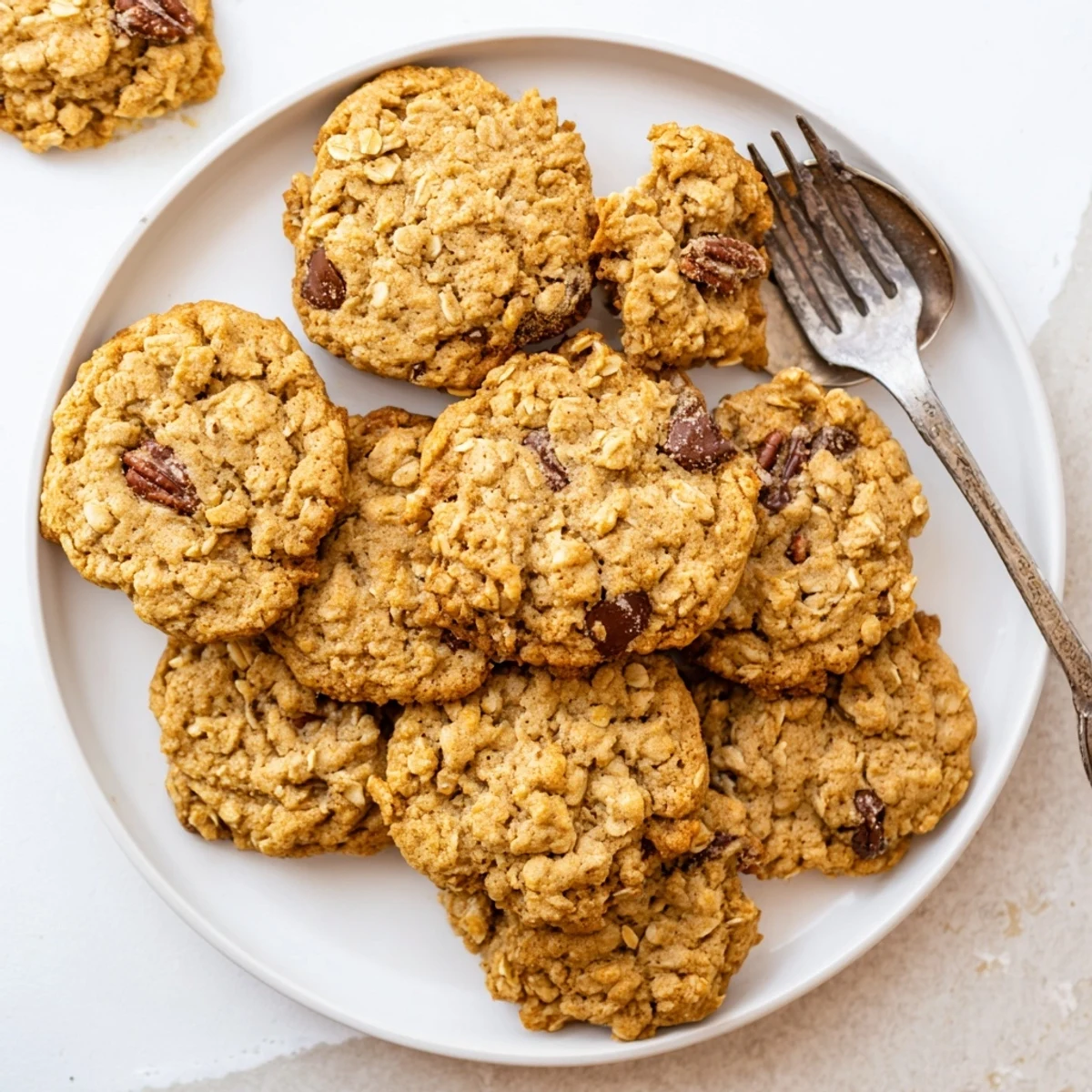
Save These cookies have become my go-to for new neighbors and difficult days at work. Theres something about the process of browning butter, watching it transform into something fragrant and golden, that feels almost meditative. Plus, they make the entire house smell incredible while they bake.
Making Them Your Own
After dozens of batches, I have found that slightly underbaking them by a minute or two gives you that perfect chewy center with crisp edges. The cookies continue cooking on the hot baking sheet, so pulling them out when they look just slightly underdone is the secret to texture that stays soft for days.
Storage Secrets
I keep these in an airtight container with a slice of bread to maintain moisture, and they stay soft for almost a week. You can also freeze the dough balls and bake them straight from the freezer, just add 1 to 2 minutes to the baking time.
Serving Ideas
These are absolutely perfect with a cup of Irish breakfast tea or strong coffee. The slight bitterness of a really good brew balances all that brown butter sweetness beautifully.
- Warm them slightly before serving if they have been stored for a day or two
- Try swapping raisins and dried cranberries for a fruity variation
- Serve alongside vanilla ice cream for an easy dessert
 Save
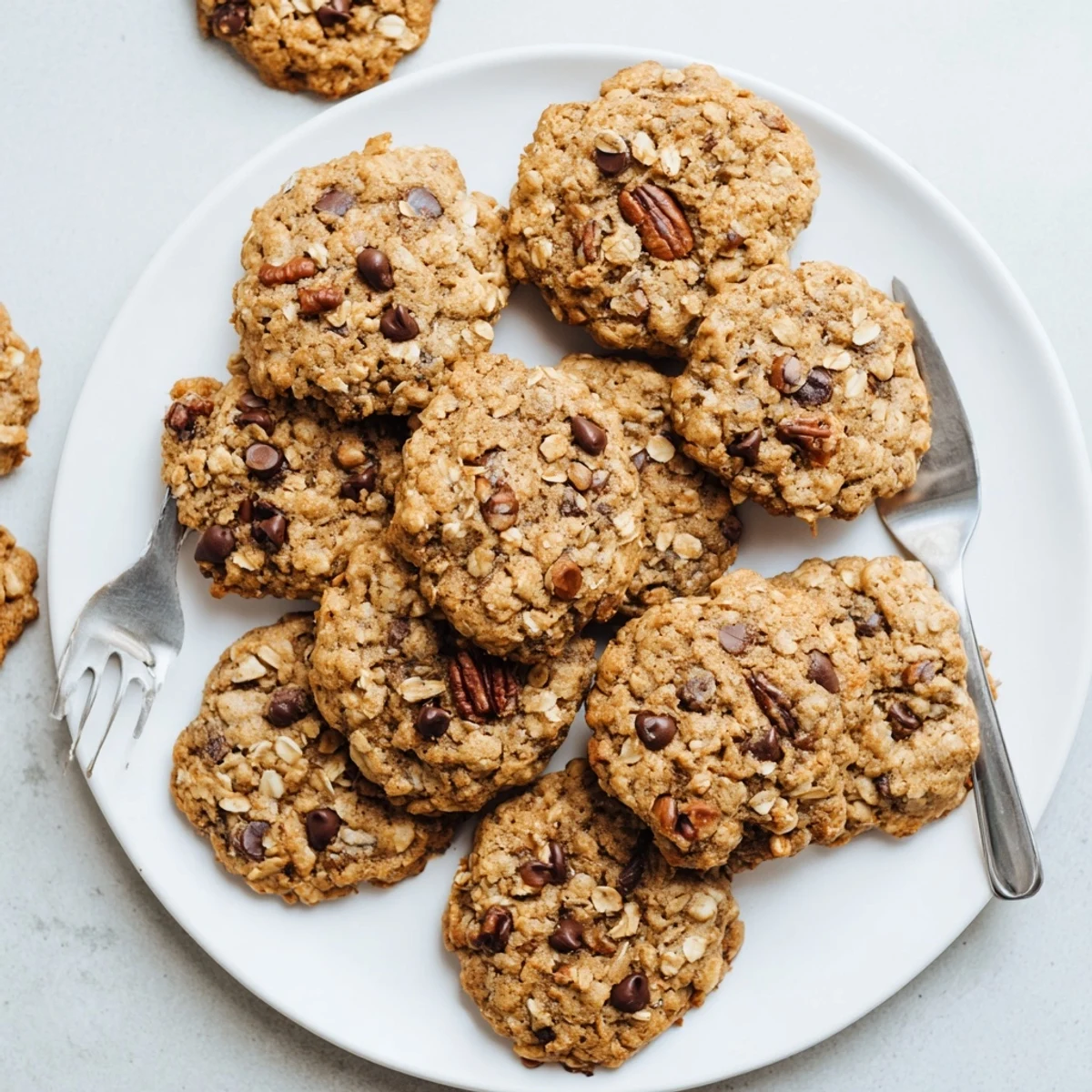
Save Hope these bring as much warmth to your kitchen as they have to mine. Happy baking.
Recipe FAQs
- → What makes Irish oats different from regular oats?
-
Irish oats are steel-cut oats that have been rolled thinner than standard old-fashioned oats. They absorb moisture differently and provide a chewier, heartier texture in baked goods while maintaining their structure better during baking.
- → Why brown the butter first?
-
Browning butter removes water content and caramelizes the milk solids, creating deep nutty flavors that regular butter can't achieve. This technique adds sophistication and complexity to the cookies without requiring additional ingredients.
- → Can I make the dough ahead of time?
-
Yes, scoop the dough onto a baking sheet and freeze until solid, then transfer to an airtight container. Bake frozen cookies adding 1-2 minutes to the baking time. The dough keeps well frozen for up to 3 months.
- → How do I know when brown butter is ready?
-
The butter will foam, then the foam will subside as milk solids turn golden brown and release a nutty aroma. Watch closely as it goes from brown to burnt quickly. Remove from heat immediately once you see deep golden specks.
- → What can I substitute for the Irish oats?
-
Regular old-fashioned rolled oats work well as a substitute. Steel-cut oats are too coarse and won't soften properly. Quick-cooking oats will make the cookies more tender but less chewy than the traditional Irish variety.
- → Why must the brown butter cool before mixing?
-
Hot butter would cook the eggs when added, creating scrambled egg bits in your dough. Cooling to room temperature ensures proper emulsion with sugars and allows eggs to incorporate smoothly for even texture throughout.