
 Save
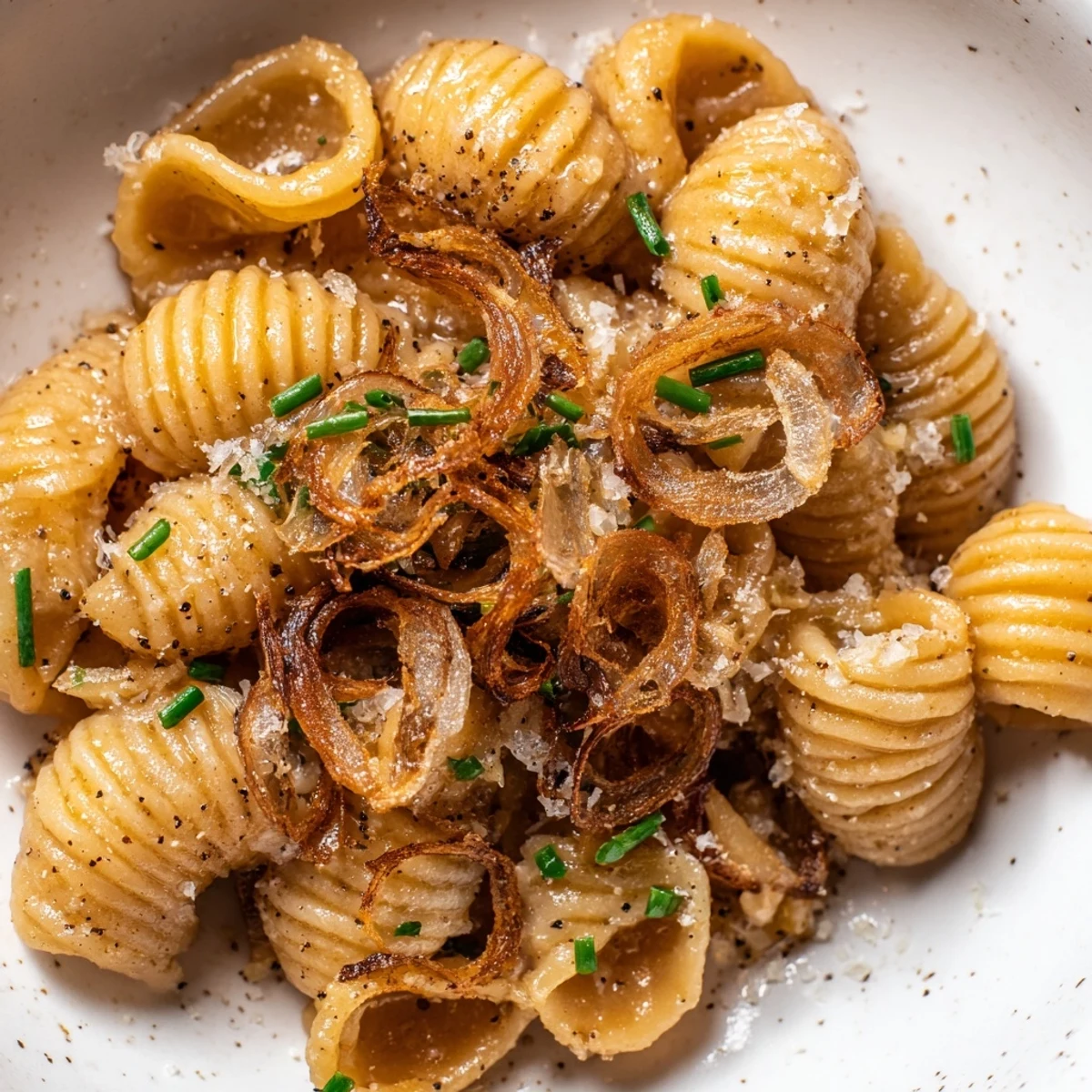
Save This fusion pasta brings together Italian and Japanese flavors in one luxurious bowl. Radiatori's ruffled edges catch every bit of the brown butter miso sauce, while roasted garlic adds mellow sweetness. The crispy shallots on top provide a satisfying crunch that contrasts beautifully with the creamy, umami-rich coating. It takes about an hour from start to finish and serves four comfortably.
The key is browning the butter slowly until it turns a deep golden color and smells intensely nutty. Whisking in miso paste creates a silky, savory emulsion that clings to every ridge of the pasta. A splash of reserved pasta water brings everything together into a glossy, restaurant-quality dish.
The smell of butter browning is one of those things that makes you stop whatever you are doing and lean closer to the stove, and adding miso to it is basically cheating your way into profundity. This dish came together on a rainy Tuesday when I had half a head of garlic going soft on the counter and a tub of miso I kept promising myself I would use for something other than soup. The radiatori, with all those ridges, caught every bit of that nutty, savory sauce like it was built for this exact purpose.
I served this to my neighbor Elena after she helped me carry a bookshelf up three flights of stairs, and she sat on my kitchen floor eating it directly from the pan because she said plates would slow her down. We opened a bottle of Sauvignon Blanc and finished the whole thing before the bookshelf even made it into position.
Ingredients
- 400 g radiatori pasta: Those ruffled edges are not just decorative, they hold onto thick sauces like brown butter miso far better than smooth shapes ever could.
- 1 large head garlic: Roasting transforms it from pungent and sharp into something sweet and spreadable, almost like a savory jam.
- 100 g unsalted butter: Use good butter here because it is the backbone of the entire sauce, and you will taste the difference.
- 2 tbsp white or yellow miso paste: White is milder and slightly sweet, yellow adds a deeper fermented kick, and both work beautifully.
- 2 large shallots: Thinly sliced and fried until golden, they become the textural crown that makes this dish unforgettable.
- 1/4 cup grated Parmesan cheese: Plus extra for serving, because nobody has ever complained about too much Parmesan.
- 1 tbsp lemon juice (optional): A small squeeze at the end wakes up all the richness and keeps the dish from feeling heavy.
- Fresh parsley or chives: Optional but a scattering of green makes the plate sing and adds a fresh contrast.
Instructions
- Roast the garlic slow and low:
- Preheat your oven to 200 degrees C (400 degrees F), slice the top off the garlic head, drizzle with olive oil and a pinch of salt, wrap it snugly in foil, and let it roast for 30 to 35 minutes until the cloves are completely soft and golden. Once cool enough to handle, squeeze the cloves out of their skins and mash them into a paste with the back of a fork.
- Fry the shallots until golden:
- Heat neutral oil in a small saucepan over medium heat and fry the thinly sliced shallots in batches, stirring constantly, until they turn a deep golden brown, which should take about 3 to 5 minutes. Scoop them out with a slotted spoon onto paper towels and sprinkle immediately with salt while they are still glistening.
- Cook the pasta to al dente:
- Bring a large pot of generously salted water to a rolling boil and cook the radiatori according to the package instructions, tasting a piece a minute before the suggested time. Reserve a full cup of that starchy pasta water before draining, because it is liquid gold for building the sauce.
- Brown the butter with patience:
- Melt the butter in a large skillet over medium heat and let it cook undisturbed until the foaming subsides and you see golden brown flecks forming at the bottom, releasing a deeply nutty aroma. This takes about 3 to 4 minutes, and you should pull it off the heat the moment it looks amber.
- Build the miso garlic sauce:
- Reduce the heat to low and whisk the miso paste and mashed roasted garlic into the brown butter until everything melts together into a smooth, fragrant sauce. It will look slightly separated at first but keep whisking and it will come together.
- Toss and coat the pasta:
- Add the drained pasta directly to the skillet and toss vigorously to coat every ridge and ruffle, then add the Parmesan and a generous splash of reserved pasta water, stirring until you get a glossy sauce that clings to each piece. Add lemon juice if using, season with black pepper, and adjust consistency with more pasta water as needed.
- Plate and finish with crunch:
- Divide the pasta among warm plates or bowls and top each portion with a generous pile of crispy shallots, an extra shower of Parmesan, and a scattering of fresh herbs if you have them.
 Save
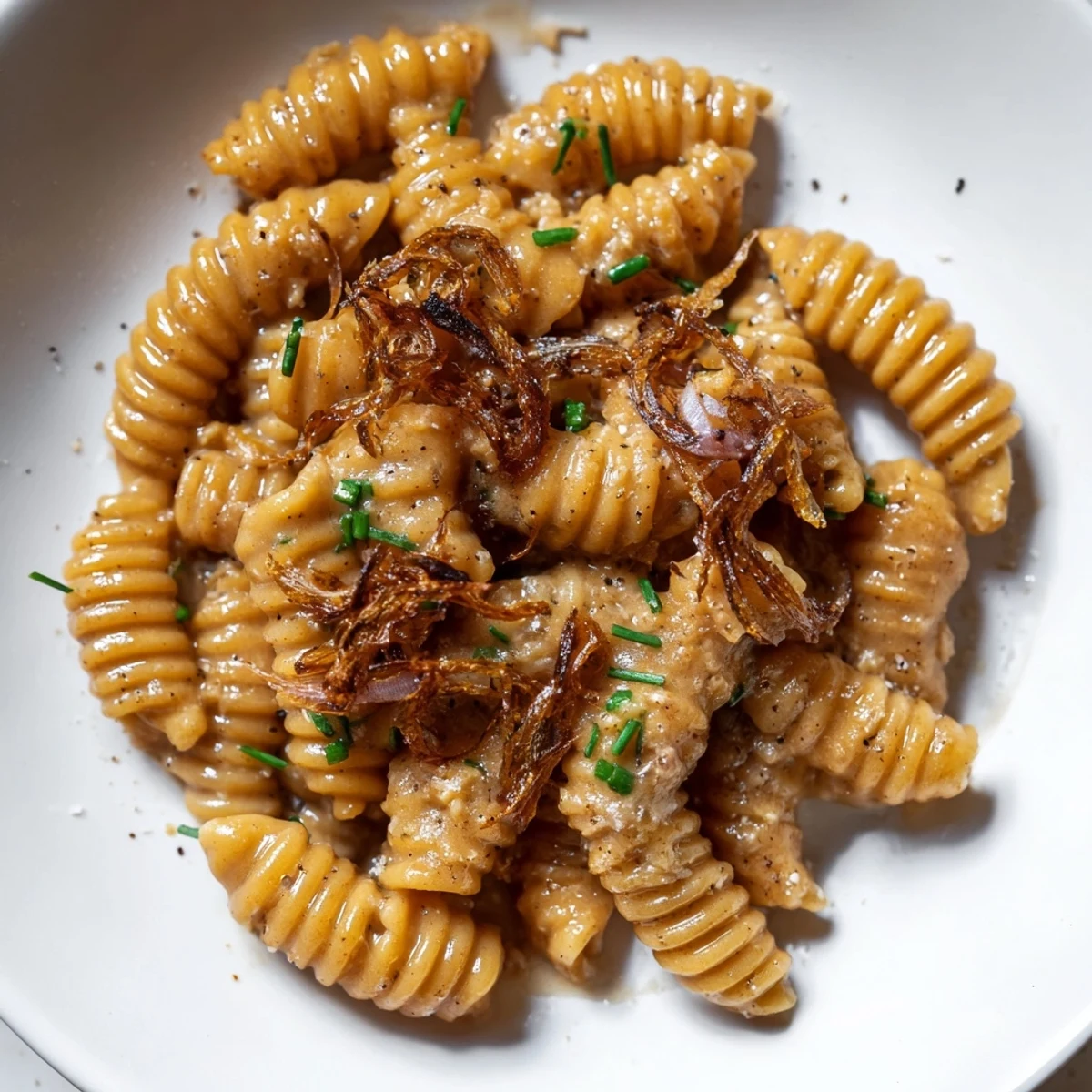
Save There is something about the sound of shallots crackling in oil that makes a kitchen feel like a restaurant, even if you are standing in slippers with your hair uncombed at six in the evening.
Making It Your Own
Sauteed mushrooms folded in at the end add an earthy depth that pairs beautifully with the miso, and a handful of wilted spinach turns this into something you could feel virtuous about eating twice in one week.
What to Drink Alongside
A crisp Sauvignon Blanc cuts right through the richness of the brown butter and stands up to the salty depth of miso without competing. If you prefer red, a light Pinot Noir works surprisingly well, especially if you have added mushrooms.
Swaps and Adjustments
If you cannot find radiatori, fusilli or rigatoni are excellent substitutes because they share those ridges and crevices that trap sauce. For a vegan version, use plant based butter and vegan Parmesan, and double check that your miso paste is animal product free.
- Start boiling your pasta water while the garlic roasts to save time.
- Make extra crispy shallots because they disappear faster than you expect.
- Always taste the finished sauce before plating and adjust salt carefully since miso and Parmesan are both quite salty.
 Save
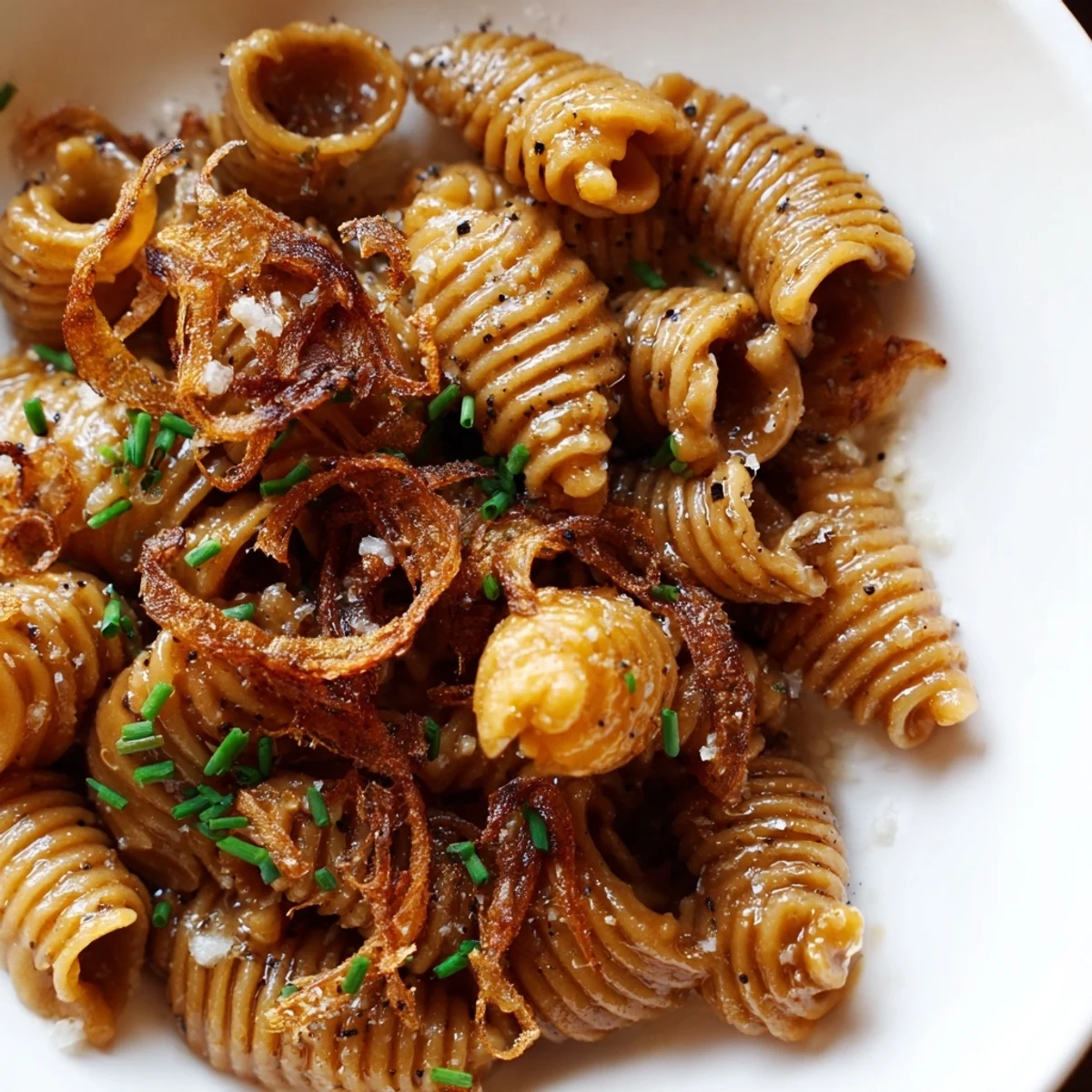
Save This is the kind of dish that makes people remember your cooking, not because it is complicated but because every element pulls its weight and the result is greater than the sum of its parts. Make it once and it will become part of your regular rotation before the month is out.
Recipe FAQs
- → Can I use a different pasta shape?
-
Yes. Fusilli, rigatoni, or any pasta with ridges and nooks works well because it holds the sauce effectively. Avoid smooth shapes like spaghetti or penne lisce, which won't grab the brown butter miso mixture as well.
- → What type of miso should I use?
-
White or yellow miso is ideal here because it offers a gentle umami depth without overpowering the delicate nuttiness of the brown butter. Red miso can work but will produce a stronger, saltier result.
- → How do I know when the butter is properly browned?
-
The butter will foam, then the foam subsides as small golden-brown specks appear at the bottom of the pan. It should smell deeply nutty and fragrant, similar to toffee. Remove it from heat immediately once you see those brown flecks to prevent burning.
- → Can I make the crispy shallots ahead of time?
-
Absolutely. Fry the shallots and store them in an airtight container at room temperature for up to two days. They may lose some crispness but will still add great texture and flavor to the finished dish.
- → Is this dish suitable for vegans?
-
With a few swaps it can be. Use a good quality vegan butter, replace the Parmesan with nutritional yeast or vegan Parmesan, and confirm your miso paste is vegan. The rest of the ingredients are naturally plant-based.
- → Why reserve pasta water before draining?
-
Pasta water contains starch that helps bind and thicken the sauce. Adding splashes of it while tossing the pasta with the miso butter mixture creates a smooth, emulsified coating rather than a greasy or separated one.