
 Save
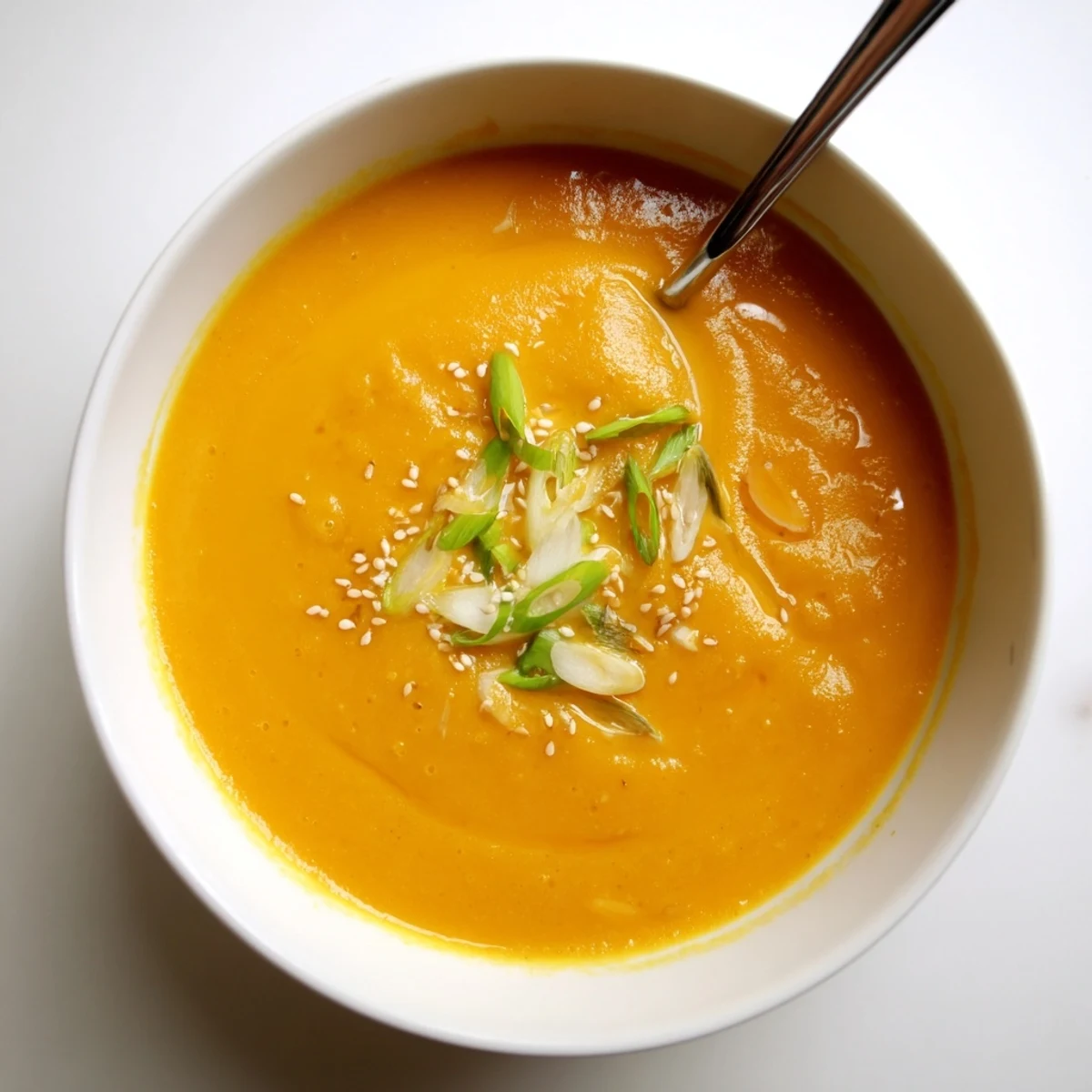
Save This vibrant, umami-forward carrot and ginger miso soup is ready in about 35 minutes. Sauté onion, garlic and grated ginger, add sliced carrots and broth, then simmer until very tender. Puree until smooth, dissolve white miso in a ladleful of hot soup and stir back in off the heat. Reheat gently and garnish with scallions and toasted sesame seeds for brightness and crunch.
The rain was hammering against the kitchen window so hard that Tuesday evening that I barely heard the pot boil over. I had grabbed a bag of carrots on impulse at the market, drawn to their bright orange tops like they were daring me to do something more interesting than roast them. Ginger and miso were already staples in my fridge, and somewhere between shaking off my wet coat and lighting the burner, this soup invented itself. Thirty five minutes later I was slurping it from a mug, standing at the counter, too hungry and too content to bother setting the table.
I made a huge pot of this for my neighbor Elena last winter when she was recovering from the flu and could barely keep anything down. She texted me three days later asking for the recipe, which is honestly the highest compliment a home cook can get. Now every time I peel carrots I think about that gray afternoon and how a simple soup somehow said more than any get well card ever could.
Ingredients
- Carrots (1 lb, peeled and sliced): The real star here, so pick ones that look vibrant and firm, not rubbery or pale, because their natural sweetness is the backbone of every spoonful.
- Onion (1 medium, diced): Any yellow or white onion works, and cooking it down slowly at the start builds a mellow sweetness that you will miss if you rush it.
- Garlic (2 cloves, minced): Fresh is nonnegotiable for this recipe, since the garlic only gets a quick minute in the pot and jarred versions simply cannot hold up.
- Fresh ginger (1 inch piece, peeled and grated): The ginger brings a gentle warmth that tingles at the back of your throat, and grating it fine ensures no stringy bits surprise you later.
- Vegetable broth (4 cups): A good quality broth makes a noticeable difference here since there are so few ingredients competing for attention.
- White miso paste (2 tbsp): This is where the magic happens, adding a salty umami depth that transforms the soup from nice to irresistible.
- Olive oil (1 tbsp): Just enough to soften the onions and wake up the aromatics without weighing anything down.
- Soy sauce (1 tbsp): A small splash rounds out the seasoning and bridges the gap between sweet carrot and salty miso.
- Salt and pepper: Add these last and taste as you go because the miso and soy sauce already do heavy lifting on the salt front.
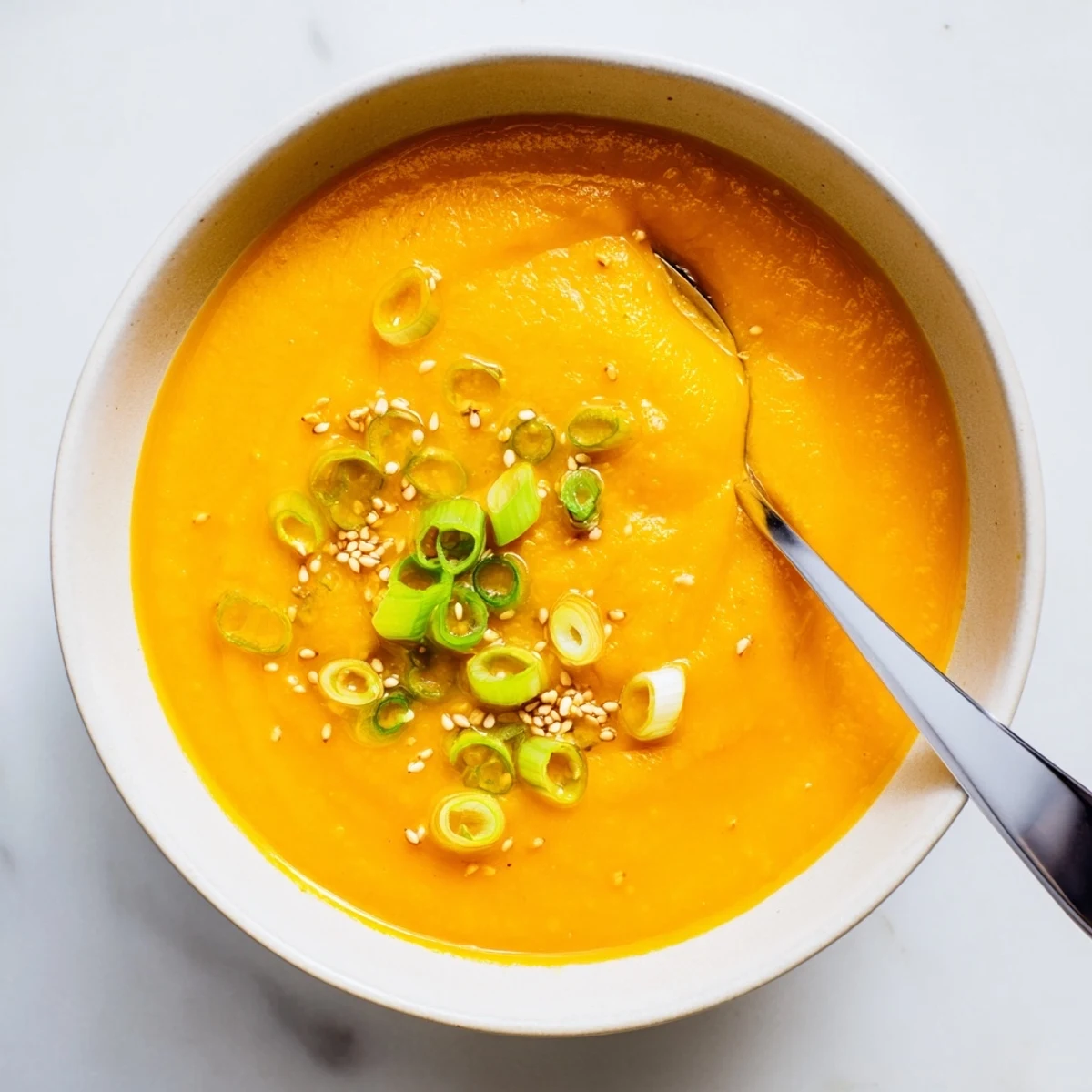
- Scallions and toasted sesame seeds (for garnish): Totally optional but they add a fresh crunch and a pop of green that makes the bowl look as good as it tastes.
Instructions
- Wake up the onions:
- Heat the olive oil in a large pot over medium heat and add the diced onions, stirring occasionally until they turn soft and translucent, about three to four minutes. You will know they are ready when the sharp raw smell softens into something gentle and sweet.
- Bloom the aromatics:
- Toss in the minced garlic and grated ginger, stirring constantly for about a minute until your kitchen smells impossibly warm and fragrant. Keep things moving so nothing browns or catches on the bottom of the pot.
- Add the carrots:
- Stir in the sliced carrots and let them cook alongside the aromatics for two minutes so they pick up all that flavored oil. They will still be firm and that is perfectly fine at this stage.
- Simmer until tender:
- Pour in the vegetable broth, bring everything to a rolling boil, then immediately drop the heat to low and cover the pot. Let it simmer gently for eighteen to twenty minutes until a fork slides through the carrot slices with zero resistance.
- Blend until silky:
- Remove the pot from the heat and use an immersion blender to puree the soup directly in the pot until completely smooth. If you are using a standard blender, work in batches and be careful with the hot liquid.
- Add the miso gently:
- Scoop a ladleful of hot soup into a small bowl and whisk the miso paste into it until fully dissolved, then pour that mixture back into the pot and stir in the soy sauce. This gentle method protects the living cultures in the miso and keeps the flavor bright.
- Warm and serve:
- Return the pot to very low heat just long enough to warm everything through, but never let it boil after the miso goes in. Ladle into bowls and finish with sliced scallions and a sprinkle of toasted sesame seeds if you are feeling fancy.
 Save
Save There is something quietly powerful about a meal that asks so little of you and gives back so much warmth.
A Word on Miso Selection
White miso, also called shiro miso, is the mildest and sweetest variety, making it the perfect match for carrots without overpowering them. If you only have red miso on hand, use half the amount and taste before adding more, because its fermented intensity can easily hijack the whole pot.
Making It Your Own
This soup is endlessly forgiving and welcomes experimentation once you have the basic technique down. A splash of coconut milk swirled in at the end transforms it into something nearly luxurious, and a pinch of chili flakes gives it a surprising kick that wakes up every flavor on the spoon.
Storing and Reheating Like a Pro
This soup holds remarkably well in the refrigerator for up to five days and actually tastes better on day two when the flavors have had time to mingle. For freezing, portion it into airtight containers leaving some room at the top for expansion, and it will keep for up to three months without losing any of its charm.
- Reheat gently on the stove over low heat rather than microwaving, which can create hot spots that ruin the delicate miso flavor.
- If the soup thickens after chilling, simply stir in a splash of broth or water until it reaches the consistency you like.
- Always garnish after reheating, not before, because nobody enjoys limp scallions on yesterday's soup.
 Save
Save Some recipes earn their place in your rotation through sheer convenience, and others earn it because they make a rainy Tuesday feel like a small celebration. This one manages to do both.
Recipe FAQs
- → How can I make the soup creamier?
-
Add a splash of coconut milk or a few tablespoons of blended soaked cashews before serving; both add richness without masking the miso's umami.
- → Can I use a different type of miso?
-
Yes. White miso is mild and sweet; use yellow or red miso for deeper, saltier flavor but reduce the amount to avoid overpowering the carrots.
- → How should I store and reheat leftovers?
-
Cool quickly, refrigerate in an airtight container for 3–4 days. Reheat gently over low heat; avoid boiling after the miso has been added to preserve flavor and probiotics.
- → Is this soup freezable?
-
Yes. Freeze in portions for up to 2 months. For best flavor, thaw and reheat, then stir in a fresh spoonful of miso if desired to revive brightness.
- → What are good substitutions for carrots?
-
Swap up to half the carrots with sweet potato or butternut squash for a different sweetness and creaminess while keeping the same method and timing.
- → What to serve alongside the soup?
-
Serve with steamed rice, a crisp green salad, crusty bread, or a light, off-dry white wine like Riesling to balance the miso's savory notes.