
 Save
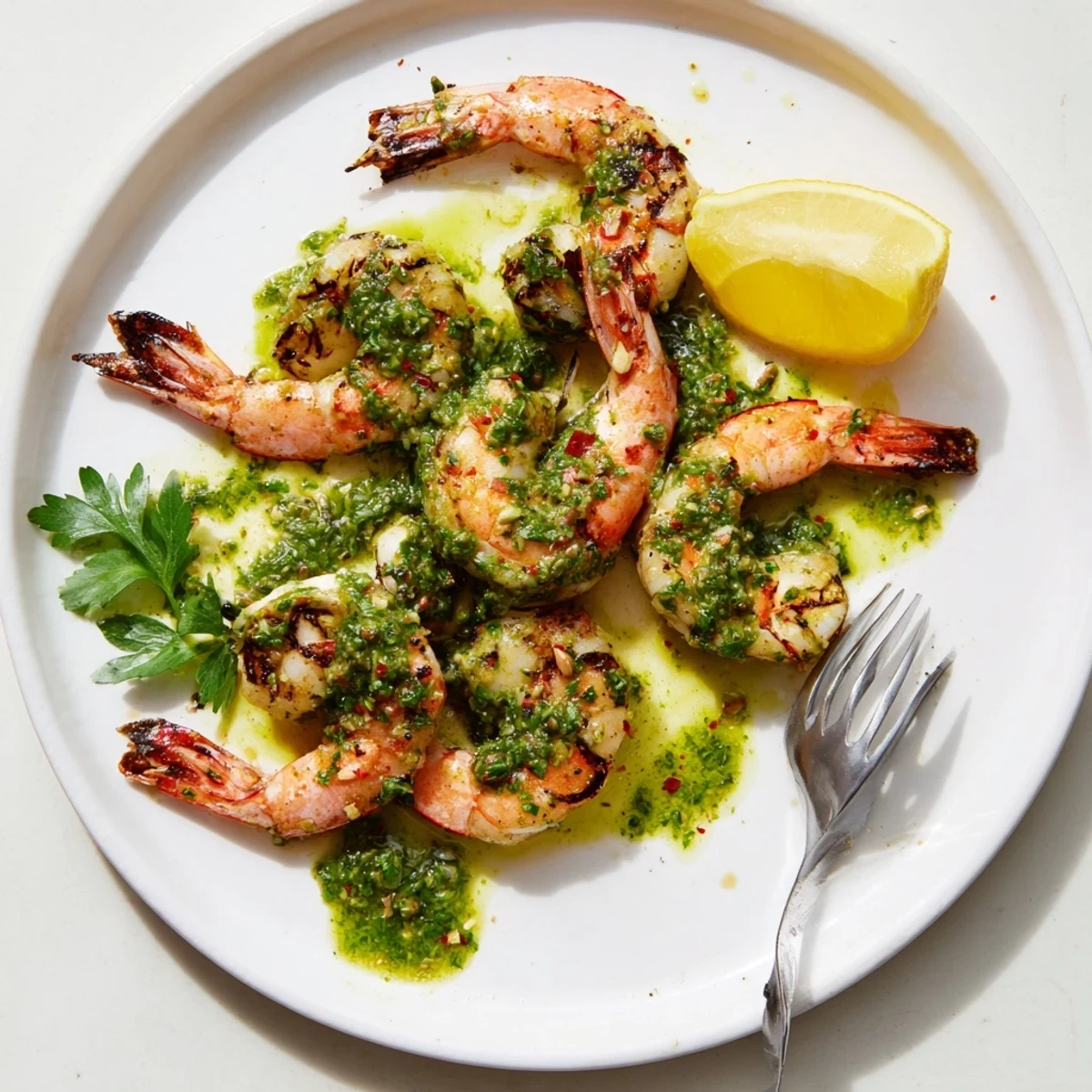
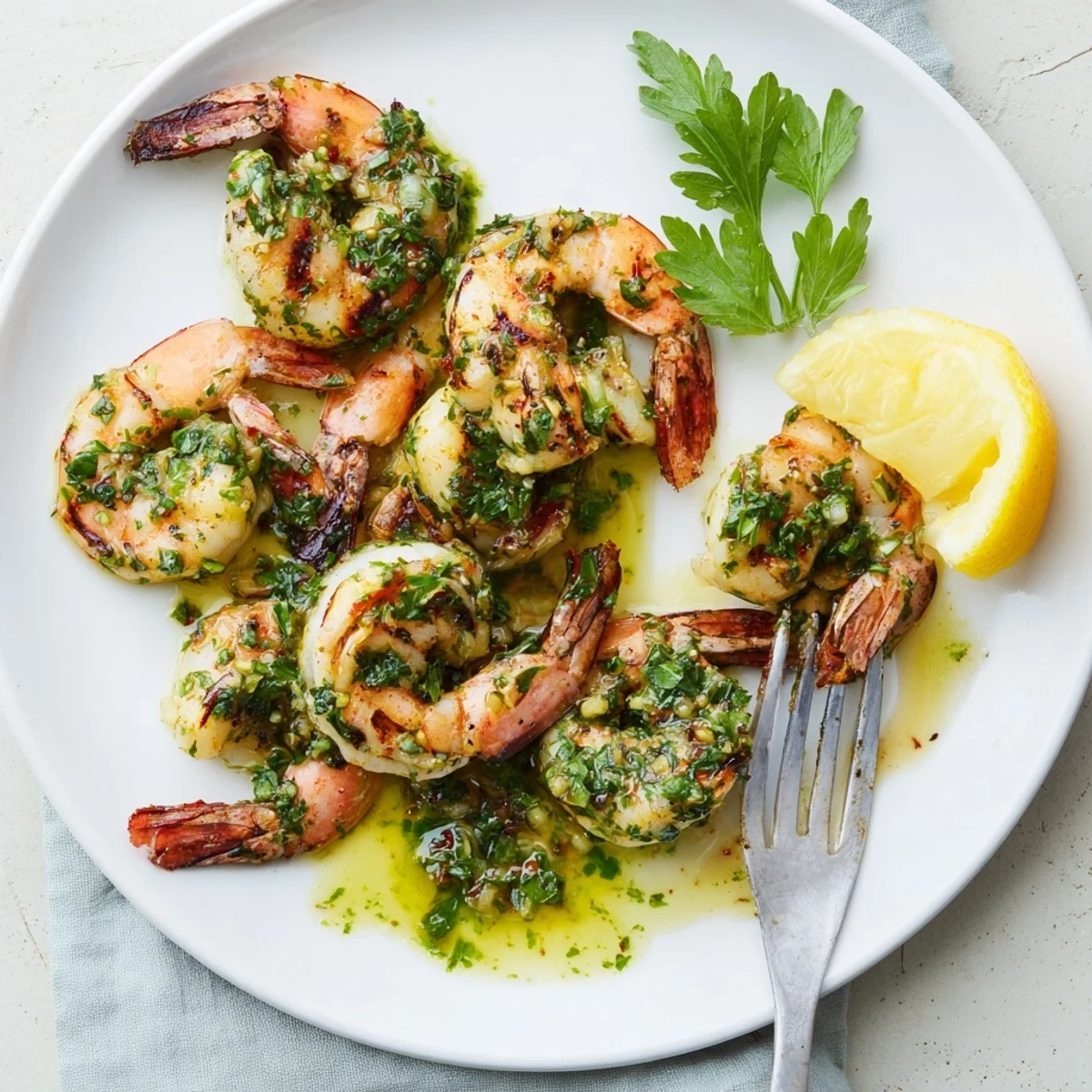
Save Chimichurri shrimp brings together plump, juicy shrimp with a bright, herb-packed chimichurri sauce made from fresh parsley, cilantro, garlic, and red wine vinegar. The shrimp marinate for just 10–15 minutes, then cook quickly in a hot skillet or on a grill for 2–3 minutes per side until pink and tender.
This Argentine-inspired dish is naturally gluten-free and dairy-free, making it a versatile option for weeknight dinners or casual entertaining. Serve it over rice, alongside crusty bread, or on top of a crisp salad.
With only 15 minutes of prep and 8 minutes of cooking, the whole dish comes together in under 25 minutes from start to finish.
My neighbor Jorge once brought over a jar of homemade chimichurri and practically dared me to do something interesting with it, and twenty minutes later I was standing in my kitchen unable to stop eating shrimp straight from the pan.
I made this for a backyard gathering last summer and ended up hunched over the grill finishing every last shrimp while everyone else was still settling into their chairs.
Ingredients
- 1 pound (450 g) large shrimp, peeled and deveined: Buy the biggest shrimp you can find because they stay juicier and hold up better to the assertive sauce.
- 1 cup fresh flat-leaf parsley, finely chopped: Flat-leaf is the only parsley that belongs here since curly tastes grassy and dull by comparison.
- 1/4 cup fresh cilantro, finely chopped: This is a slight departure from tradition but it adds a brightness that makes the whole thing sing.
- 3 garlic cloves, minced: Mince it finer than you think necessary so no one bites into a harsh chunk.
- 3 tablespoons red wine vinegar: The acid is what makes chimichurri feel alive, so do not skimp here.
- 1/2 cup extra-virgin olive oil: A good fruity oil ties everything together without overwhelming the herbs.
- 1 teaspoon dried oregano: Dried actually works better than fresh here because it concentrates the earthy flavor.
- 1/2 teaspoon crushed red pepper flakes: Adjust up or down depending on who is eating, but a little warmth is essential.
- 1/2 teaspoon kosher salt and 1/4 teaspoon black pepper: Seasoning the sauce directly means you will not need to salt the shrimp separately.
- Zest of 1 lemon: The zest adds a floral citrus note that juice alone cannot replicate.
- Lemon wedges and extra parsley for garnish: Entirely optional but they make the plate look like you tried harder than you did.
Instructions
- Build the chimichurri:
- Pile the parsley, cilantro, garlic, red wine vinegar, olive oil, oregano, red pepper flakes, salt, pepper, and lemon zest into a bowl and stir everything together until it smells like a Buenos Aires sidewalk café.
- Reserve some sauce:
- Scoop out about a quarter cup and set it aside because you will want it later for drizzling and it would be a shame to contaminate it with raw shrimp juices.
- Marinate the shrimp:
- Toss the peeled shrimp with the remaining chimichurri in a separate bowl and let them sit for ten to fifteen minutes, which is just enough time to pour a drink and tidy up.
- Get the pan screaming hot:
- Set a grill pan or heavy skillet over medium-high heat and let it preheat until a drop of water sizzles and dances across the surface.
- Cook the shrimp:
- Spread the shrimp in a single layer and cook them for two to three minutes per side until they curl into a C shape and turn bright pink, being careful not to wander off because they go from perfect to rubber in about thirty seconds.
- Finish and serve:
- Transfer the shrimp to a platter, spoon the reserved chimichurri over the top, and scatter with lemon wedges and extra parsley before carrying it to the table triumphantly.
 Save
Save One rainy Tuesday I ate an entire batch standing at the counter with a fork and called it dinner, which honestly felt like the most civilized thing I had done all week.
What to Serve Alongside
Plain white rice soaks up the pooling chimichurri like a sponge and turns into the best part of the plate.
Handling Raw Shrimp Safely
Keep the shrimp chilled until the exact moment you are ready to cook because warm shrimp are not just a food safety issue but also a texture problem.
Making Chimichurri Your Own
The beauty of this sauce is how forgiving it is, so feel free to play with the herb ratios or swap in fresh oregano for the cilantro if that is what you have on hand.
- A pinch of smoked paprika in the chimichurri adds an unexpected depth that feels almost cheaty.
- Leftover chimichurri keeps in the fridge for up to a week and is sensational on eggs the next morning.
- If you are grilling outdoors, wood skewers soaked in water for thirty minutes will not catch fire and that is the whole trick.
 Save
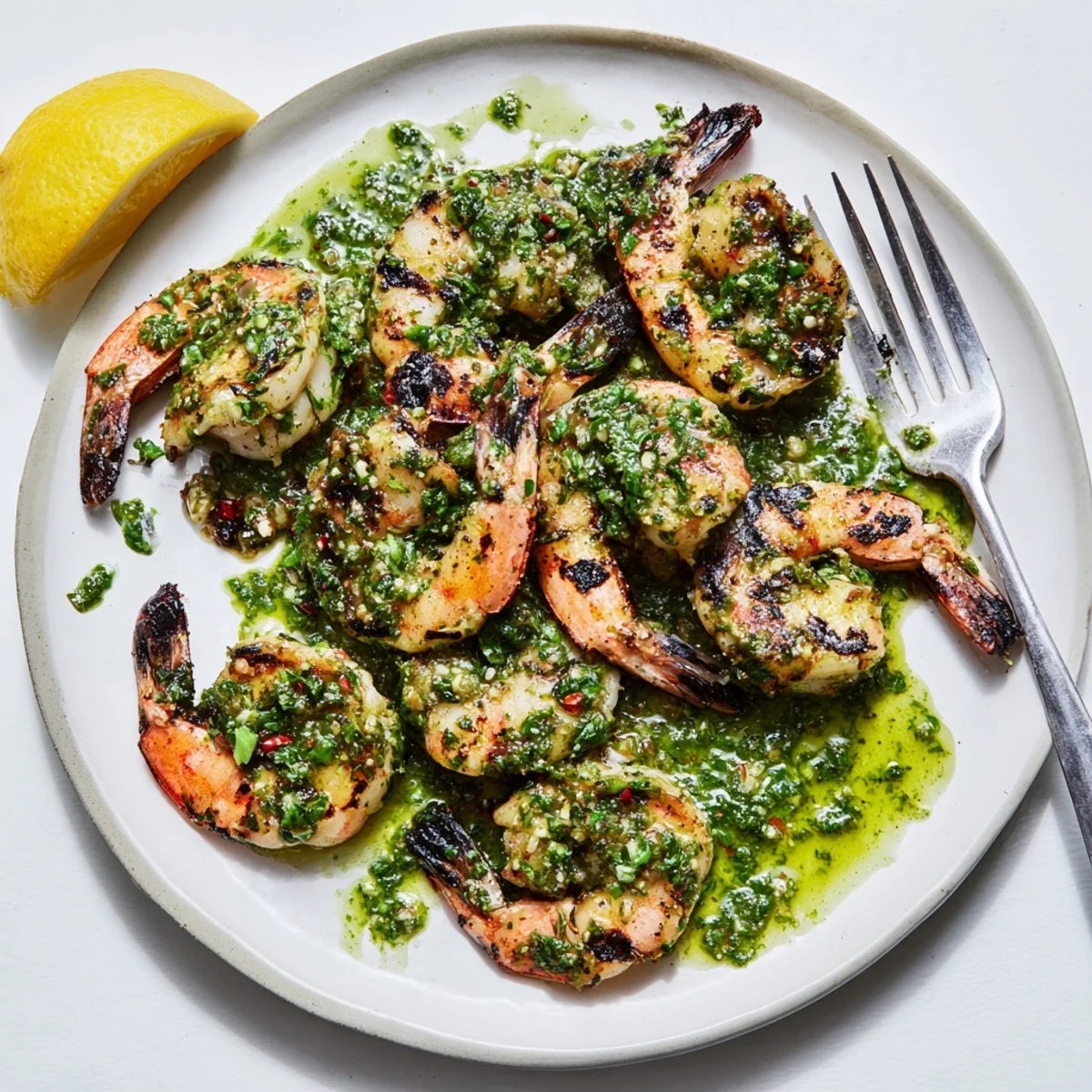
Save This is the kind of recipe that makes you look like you planned something elaborate when really you just threw herbs and shrimp at a hot pan and let them do the work.
Recipe FAQs
- → Can I use frozen shrimp for chimichurri shrimp?
-
Yes, frozen shrimp work perfectly fine. Thaw them completely in the refrigerator overnight or under cold running water before marinating. Pat the shrimp dry with paper towels so the chimichurri adheres better and you get a good sear when cooking.
- → How long should I marinate the shrimp?
-
Aim for 10–15 minutes at room temperature. Avoid marinating longer than 30 minutes, as the acid in the red wine vinegar can start to break down the delicate shrimp proteins and make them mushy or rubbery once cooked.
- → Can I make the chimichurri sauce ahead of time?
-
Absolutely. The chimichurri sauce can be prepared up to 3 days in advance and stored in an airtight container in the refrigerator. Let it come to room temperature and give it a good stir before using, as the olive oil may solidify when cold.
- → What's the best way to cook chimichurri shrimp?
-
A hot grill pan or cast-iron skillet over medium-high heat works best for achieving a slightly charred exterior while keeping the shrimp tender inside. You can also use an outdoor grill with skewers for a smokier flavor. Cook 2–3 minutes per side until pink and opaque.
- → What should I serve with chimichurri shrimp?
-
This dish pairs wonderfully with steamed white rice, crusty bread for soaking up the extra sauce, or a fresh green salad. For a more complete Argentine-inspired spread, serve alongside grilled vegetables or roasted sweet potatoes.
- → Can I substitute the cilantro in the chimichurri?
-
Yes, if you're not a fan of cilantro, replace it with an equal amount of fresh oregano or additional flat-leaf parsley. Fresh oregano will give the sauce a slightly more earthy, traditional Argentine flavor profile.