
 Save
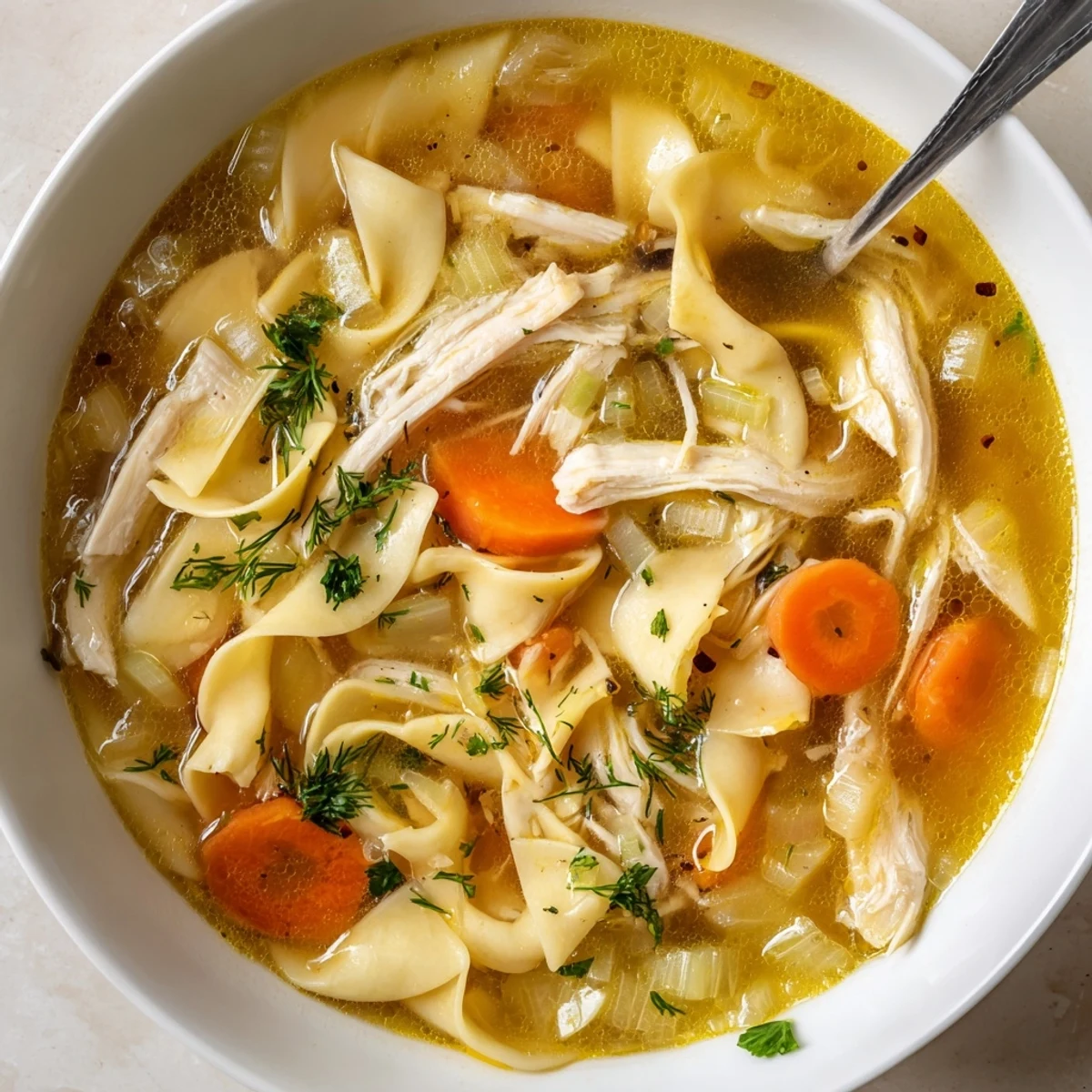
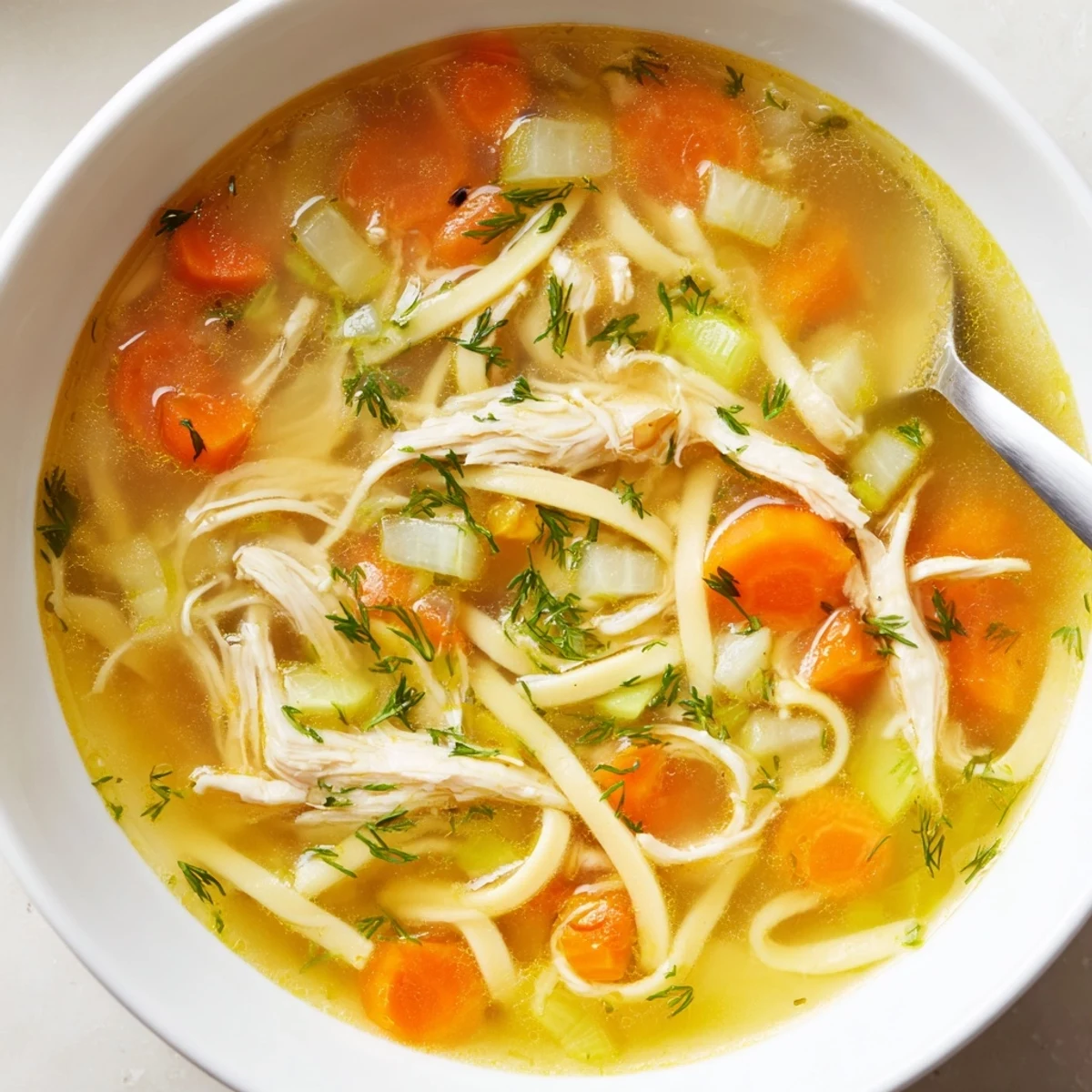
Save This classic chicken soup simmers bone-in chicken with carrots, celery, onion, garlic, thyme and bay for a rich, clear broth. For deeper flavor, sauté vegetables briefly in olive oil before adding liquid. After 45–60 minutes remove bones, shred meat, then return to pot; add noodles or rice if desired and cook until tender. Finish with parsley or dill. Serves 4; total time about 1h20.
The screen door slammed and my grandmother looked up from the stove, wooden spoon in hand, chicken soup bubbling behind her like it had been waiting for me all along. She never measured anything, just tasted and nodded, and somehow it was perfect every single time. That pot held more than broth and vegetables. It held the sound of her humming off key while rain tapped the kitchen window.
I made this for my roommate in college when she caught a brutal cold during finals week, carrying it across the hall in a borrowed pot with a dish towel over the top. She sat on her bed wrapped in a blanket, slurping it quietly, and later told me it was the only thing that tasted right for three days. Now I make a batch every October without fail, even if nobody is sick.
Ingredients
- 1 whole chicken, about 1.2 kg, cut into pieces or 800 g chicken thighs or breasts, bone in, skin on: Bone in meat is non negotiable here because the bones release collagen and depth that boneless cuts simply cannot give you.
- 3 medium carrots, sliced: Cut them on a slight angle for more surface area, which means sweeter flavor in every bite.
- 2 celery stalks, chopped: The quiet backbone of the broth, adding savory aroma without demanding attention.
- 1 large onion, diced: A rough chop works fine since it will melt into the soup over time.
- 3 garlic cloves, minced: Fresh garlic smashed with the flat of your knife releases oils that pre minced jars never capture.
- 2 bay leaves: Do not forget to fish these out before serving because biting into one is a bitter surprise.
- 1 parsnip, optional, peeled and sliced: If you have never tried parsnip in soup, it adds a gentle sweetness that people always notice but cannot quite identify.
- 2 liters cold water or low sodium chicken broth: Starting with cold liquid helps the flavors extract slowly and evenly.
- 1 tsp whole black peppercorns: Whole peppercorns give gentle warmth without the harsh specks of cracked pepper.
- 1 small bunch fresh parsley: The stems go into the pot for flavor and the leaves get saved for garnish.
- 1 tsp dried thyme or 3 sprigs fresh thyme: Thyme and chicken are old friends who bring out the best in each other.
- 1 and 1/2 tsp salt, plus more to taste: Start modestly because you can always add more at the end.
- 150 g egg noodles or rice, optional: Egg noodles are traditional and comforting, but rice makes it feel lighter on warm days.
- Fresh dill, chopped, for garnish, optional: A handful of dill at the end wakes up the whole bowl with brightness.
Instructions
- Start the broth gently:
- Place the chicken pieces in a large pot and pour in the cold water or broth, then bring it to a simmer over medium heat. As tiny grey clouds of foam rise to the surface, skim them off with a spoon so your broth stays clear and clean.
- Build the foundation:
- Add the carrots, celery, onion, garlic, parsnip if you are using it, bay leaves, peppercorns, thyme, and salt. Let everything simmer uncovered for 45 to 60 minutes, until the chicken is cooked through and the vegetables yield easily when you press them with a fork.
- Pull and shred the chicken:
- Transfer the chicken to a plate and let it cool just enough to handle without burning your fingers. Discard the skin and bones, then tear the meat into generous pieces that feel satisfying to eat.
- Add noodles or rice if you like:
- Drop in the egg noodles or rice and let them cook for 8 to 10 minutes until tender, then return the shredded chicken to the pot. The kitchen will smell like safety right about now.
- Season and finish:
- Taste the broth and adjust with more salt or pepper until it sings on your tongue. Remove the bay leaves and any herb stems hiding in the pot.
- Serve with warmth:
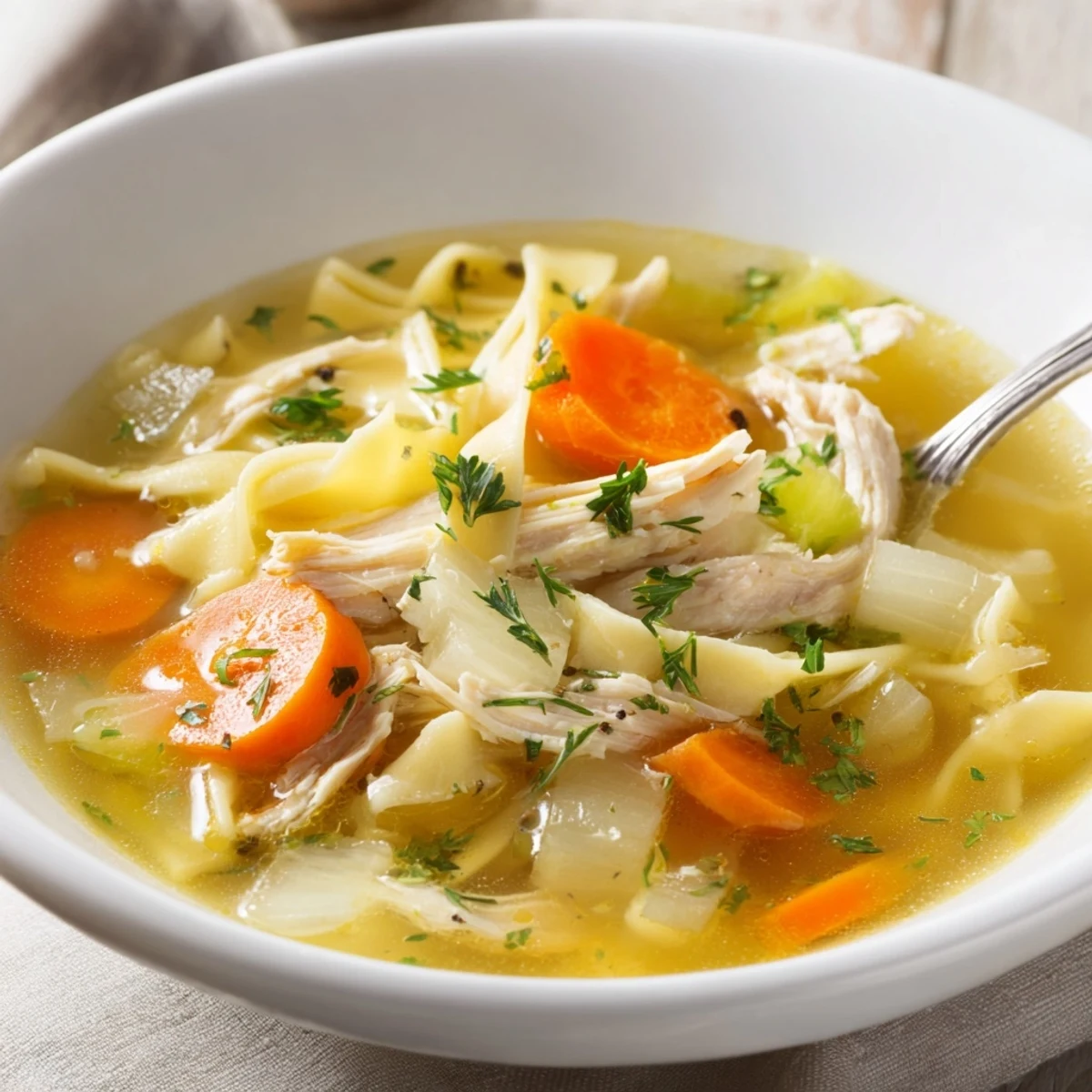
- Ladle the soup into wide bowls, scatter fresh parsley and dill over the top, and carry them to the table while steam is still rising.
 Save
Save One January my power went out for two days and I heated leftover chicken soup on a camping stove in the dark, hunched over the tiny flame with mittens on. It was possibly the best meal of my life, not because of the soup, but because of how it made the cold feel manageable.
What to Serve Alongside
A thick slice of crusty bread torn by hand is all you really need, perfect for dunking and soaking up every last drop of broth. A glass of cold Sauvignon Blanc cuts through the richness beautifully if you want something sharper. On lazy Sundays, I add a simple green salad with lemon vinaigrette and call it complete.
Making It Ahead
This soup tastes better the next day because the ingredients have all night to get acquainted and settle into something more rounded. Let it cool completely uncovered before transferring to the fridge, and reheat it gently so the noodles do not fall apart. It keeps for three days refrigerated or freezes well for up to three months in airtight containers.
Troubleshooting and Small Victories
Every pot of chicken soup teaches you something new about patience and trusting your senses over the timer. The first time you taste the broth and realize it needs just a pinch more salt, that is the moment you stop following a recipe and start actually cooking.
- If the broth tastes thin, simmer it uncovered for another 15 minutes to concentrate the flavors.
- A splash of lemon juice at the end can rescue a soup that tastes flat.
- Always taste with the same spoon you plan to serve with, because temperature changes how salt registers on your tongue.
 Save
Save Some recipes feed the body and some feed the people you love, and this one quietly does both without making a fuss about it. Ladle generously and do not be surprised when someone asks for seconds before finishing the first bowl.
Recipe FAQs
- → Can I use boneless chicken instead of bone-in?
-
Yes. Boneless pieces cook faster and still yield tender meat, but the broth will be less concentrated. Reduce simmering time to 25–35 minutes and adjust seasoning to taste.
- → How can I keep the broth clear?
-
Start with cold water, bring to a gentle simmer, and skim foam frequently. Avoid a rolling boil; a low, steady simmer prevents cloudiness and yields a cleaner-flavored broth.
- → What are good gluten-free options for noodles?
-
Use rice, gluten-free pasta, or gluten-free egg noodles. Add them near the end and simmer just until tender so they don’t overcook and soak up all the broth.
- → How do I adapt this for leftover or rotisserie chicken?
-
Simmer vegetables and aromatics in stock, then add shredded cooked chicken in the final 5–10 minutes to heat through. This preserves moisture and prevents overcooking the meat.
- → How should I store and reheat leftovers?
-
Cool quickly, refrigerate in airtight containers for up to 3 days, or freeze for 2–3 months. Reheat gently on the stove over low heat; add a splash of water or stock if the broth has concentrated.
- → Any tips to intensify flavor?
-
Sauté vegetables first, roast the bones briefly, or simmer longer on low heat. Taste near the end and adjust salt and pepper; fresh herbs at the finish brighten the bowl.