
 Save
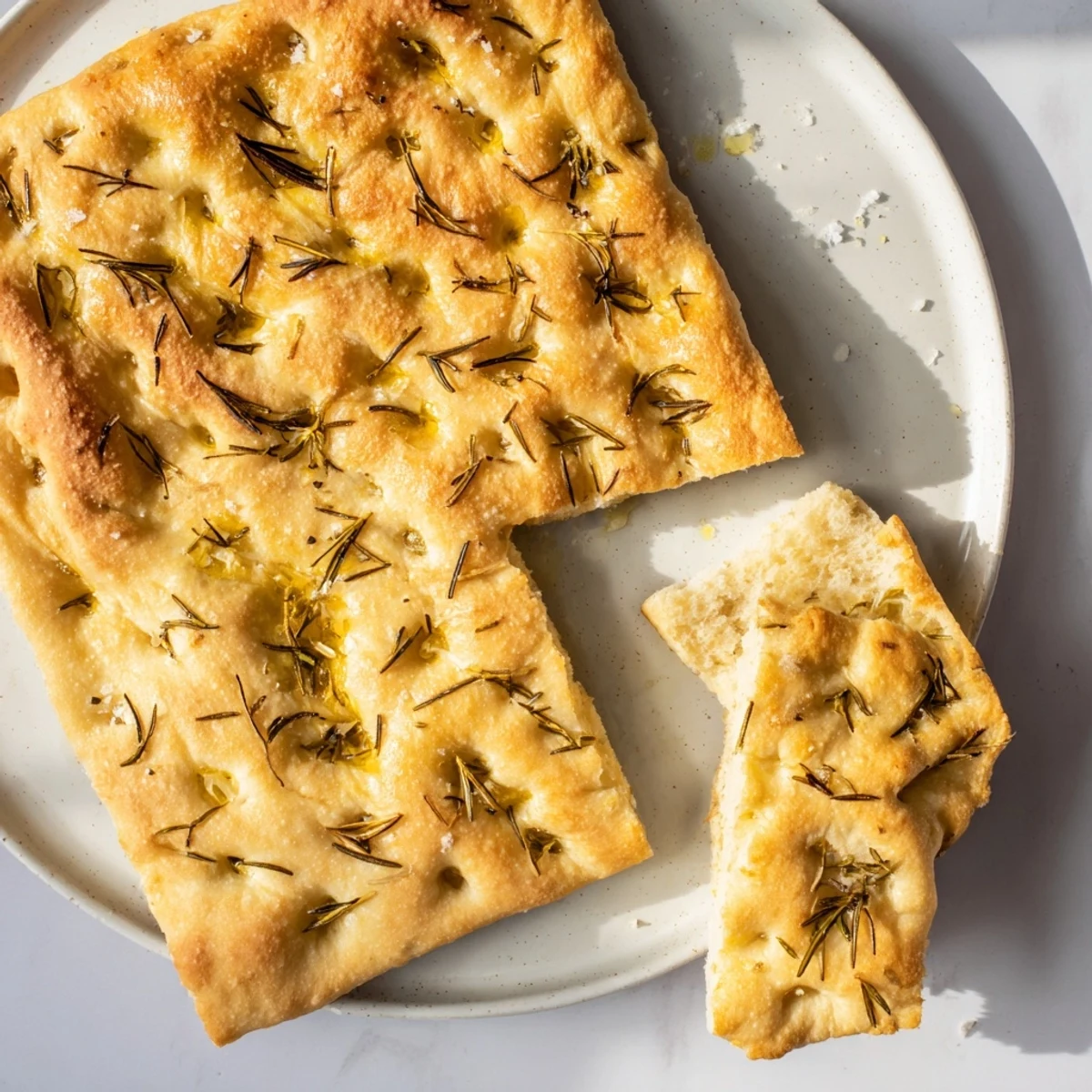
Save Create an authentic Italian flatbread that delivers the perfect contrast between a golden, crispy exterior and irresistibly soft, airy interior. This traditional method incorporates generous amounts of extra virgin olive oil both in the dough and as a finishing touch, along with fragrant fresh rosemary and flaky sea salt for that signature Mediterranean flavor profile.
The process involves a straightforward yeast-based dough that requires two rising periods to develop proper texture and structure. The characteristic dimpled surface captures olive oil and seasonings, creating those delicious crispy pockets that make focaccia so irresistible. Serve alongside antipasti, use as a sandwich base, or simply enjoy warm from the oven.
The sound of olive oil sizzling against hot bread dough is something you never forget once you hear it in your own kitchen.
One rainy Saturday afternoon I pressed rosemary into a sheet of focaccia dough while my neighbor argued with his radio over a soccer match through the thin wall, and the whole apartment smelled like a bakery in Liguria for hours afterward.
Ingredients
- Bread flour (500 g): The higher protein content here is what gives focaccia its chew, so do not substitute all purpose flour unless you want a softer, less structured crumb.
- Salt (10 g): Measure this precisely because too little leaves the dough tasting flat and too much slows down the yeast.
- Active dry yeast (7 g): Always check the expiration date because dead yeast means dead dough and a very disappointing afternoon.
- Lukewarm water (325 ml): Think baby bath temperature, around body warmth, because water that is too hot will kill the yeast instantly.
- Extra virgin olive oil (50 ml plus 2 tbsp): Use the good stuff here since this oil is both a dough enricher and a finishing flavor, so a fruity, grassy oil makes a real difference.
- Sugar (1 tsp): Just enough to wake up the yeast and give it something to feast on during that first bloom.
- Fresh rosemary (1 tbsp): Strip the needles from tough stems and chop roughly because the oils release best when the leaves are freshly cut.
- Flaky sea salt (1.5 tsp): Maldon or any flaky variety melts into the dimples and creates tiny pools of salty crunch that make focaccia addictive.
- Olives or cherry tomatoes (optional): Press them deep into the dough so they do not burn while the bread bakes.
Instructions
- Wake up the yeast:
- Stir the yeast and sugar into lukewarm water and watch for that creamy, bubbly froth after ten minutes, which is your signal that everything is alive and ready.
- Bring the dough together:
- Pour the yeast mixture and olive oil into the well you made in the flour and salt, then mix with your hands or a wooden spoon until you have a wet, sticky shaggy mass that looks impossibly messy.
- Knead with patience:
- Turn the sticky dough onto a lightly floured counter and work it for eight to ten minutes, pushing with the heel of your palm and folding back, until it transforms into something smooth and springy under your fingers.
- Let it rise undisturbed:
- Tuck the dough into an oiled bowl, drape a damp cloth over it, and leave it alone for a full hour in a warm corner until it has swollen to double its size and looks airy and alive beneath the cloth.
- Stretch and dimple:
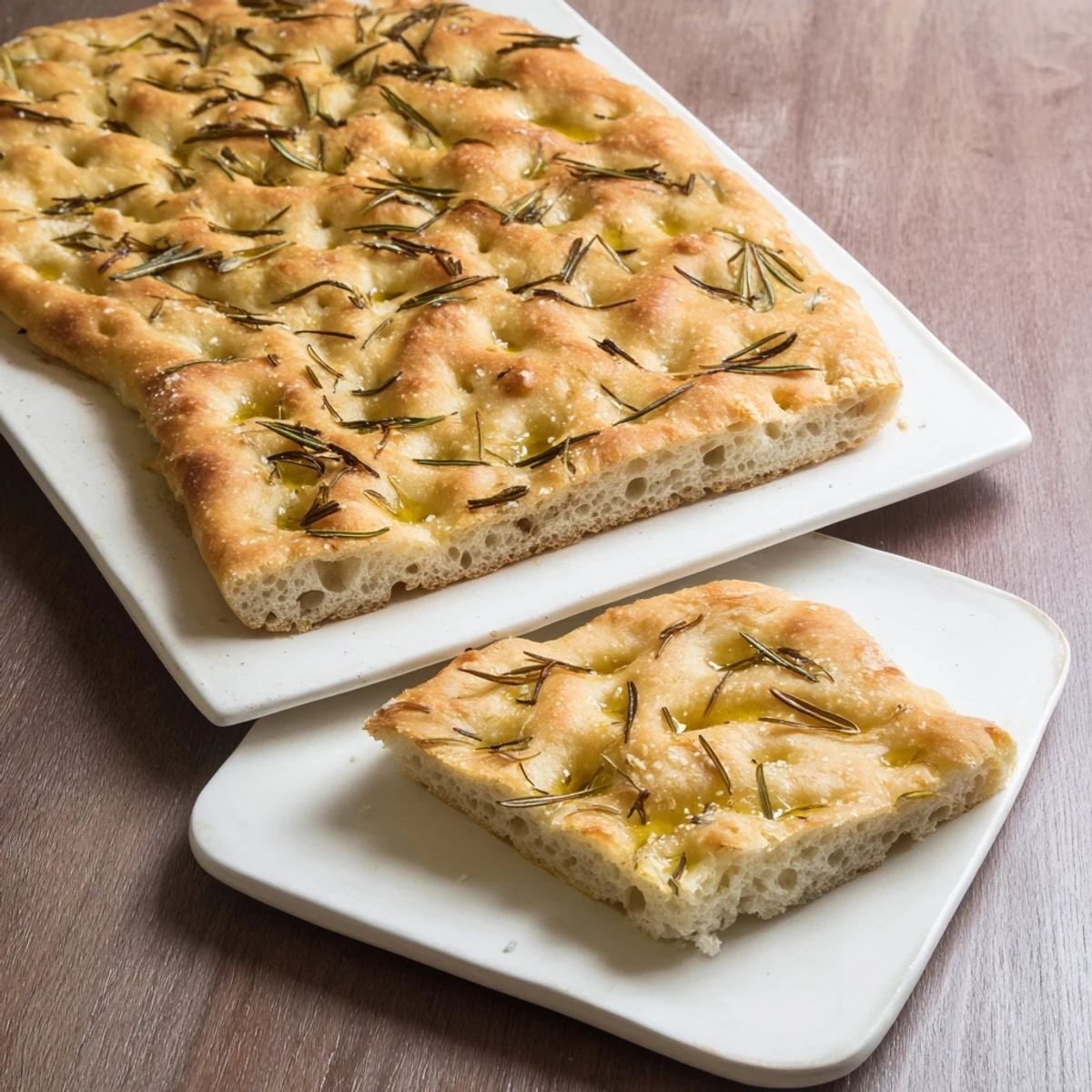
- Press the risen dough into a well oiled baking tray and use your fingertips to poke deep dimples all over, which is where the olive oil pools and the crust gets those irresistible crispy edges.
- Dress it up:
- Drizzle generously with olive oil, scatter rosemary and flaky salt across the surface, and press olives or halved tomatoes into the dimples if you are using them.
- The second quick rise:
- Give it twenty to thirty minutes on the tray until it looks puffy and has risen slightly around the toppings, then slide it into a blazing hot oven at 220 degrees Celsius.
- Bake until golden:
- Bake for twenty to twenty five minutes until the top is deeply golden and the edges are bronzed and crisp, then let it cool just enough that you do not burn your tongue on the first eager bite.
 Save
Save I once brought a pan of this to a potluck where three people asked for the recipe before they even finished their first piece, and one friend stood over the tray tearing off corner pieces until I had to physically move it away from her.
What to Serve With Focaccia
This bread is a natural companion to almost any soup, but I especially love it alongside a simple tomato basil soup or a bowl of ribollita where you can tear off pieces and drop them straight in.
Storing and Reheating
Focaccia is best the day it is baked, but if you have leftovers, wrap them tightly in foil and reheat in a 180 degree Celsius oven for five minutes to bring the crust back to life.
Variations Worth Trying
Once you feel confident with the basic dough, start playing with toppings and inclusions because focaccia forgives almost anything you throw at it.
- Slice raw onions paper thin and scatter them over the top before baking for a sweet, caramelized finish.
- Swirl sun dried tomatoes and a pinch of oregano into the dough during kneading for a bread that tastes like summer in Rome.
- Keep a portion plain and freeze it after the first rise so you can have fresh focaccia on a weeknight with only thirty minutes of effort.
 Save
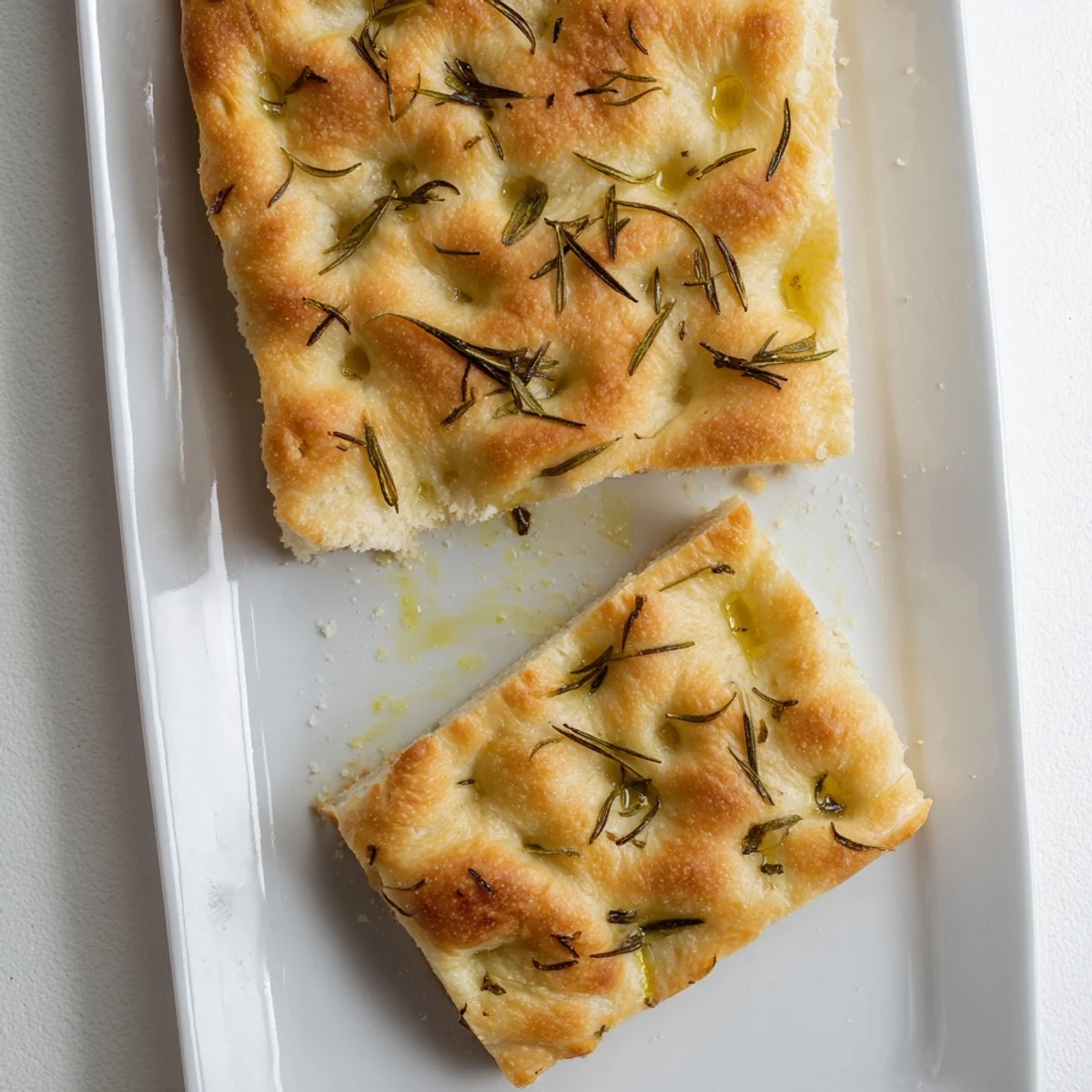
Save Focaccia is more than bread, it is a reason to slow down, press your fingers into something warm and alive, and share the results with anyone lucky enough to be in your kitchen.
Recipe FAQs
- → What makes focaccia different from regular bread?
-
Focaccia is an Italian flatbread distinguished by its high olive oil content, both mixed into the dough and brushed generously on top before baking. The dough is intentionally dimpled with fingertips to create little wells that trap oil and seasonings. This technique produces a thicker, more tender crumb with a crispy, golden exterior unlike standard loaf breads.
- → How long should I let the dough rise?
-
The dough requires two rising periods. The first rise takes approximately 1 hour until the dough doubles in size. After shaping and dimpling the dough in the baking tray, allow a second rise of 20-30 minutes until puffy before baking. This two-stage fermentation develops flavor and creates the characteristic airy texture.
- → Can I use dried rosemary instead of fresh?
-
Yes, dried rosemary works perfectly as a substitute. Use 1 teaspoon of dried rosemary in place of 1 tablespoon chopped fresh. Consider rehydrating the dried herbs in a small amount of warm olive oil for 10-15 minutes before sprinkling to help release their aromatic oils and prevent burning during baking.
- → Why is my focaccia not rising properly?
-
Several factors can affect rising: ensure your water is lukewarm (about 37°C/98°F) - too hot kills yeast, too cold slows activation. Check that your yeast is fresh and properly frothy after the 10-minute activation. Make sure the dough is placed in a warm, draft-free area for rising. Also, avoid over-kneading which can develop excessive gluten structure.
- → What can I serve with focaccia?
-
Focaccia is incredibly versatile. Serve it warm alongside soups, salads, or pasta dishes. Use it as a base for sandwiches with mozzarella, tomatoes, and fresh basil. Enjoy it as an appetizer dipped in balsamic vinegar and extra virgin olive oil, or pair it with antipasti platters featuring cured meats, olives, and cheeses.
- → How should I store leftover focaccia?
-
Store completely cooled focaccia in an airtight container or zip-lock bag at room temperature for up to 2 days. For longer storage, wrap well and freeze for up to 3 months. To refresh, wrap in foil and warm in a 180°C (350°F) oven for 10-15 minutes, or briefly toast slices to restore crispiness.