
 Save
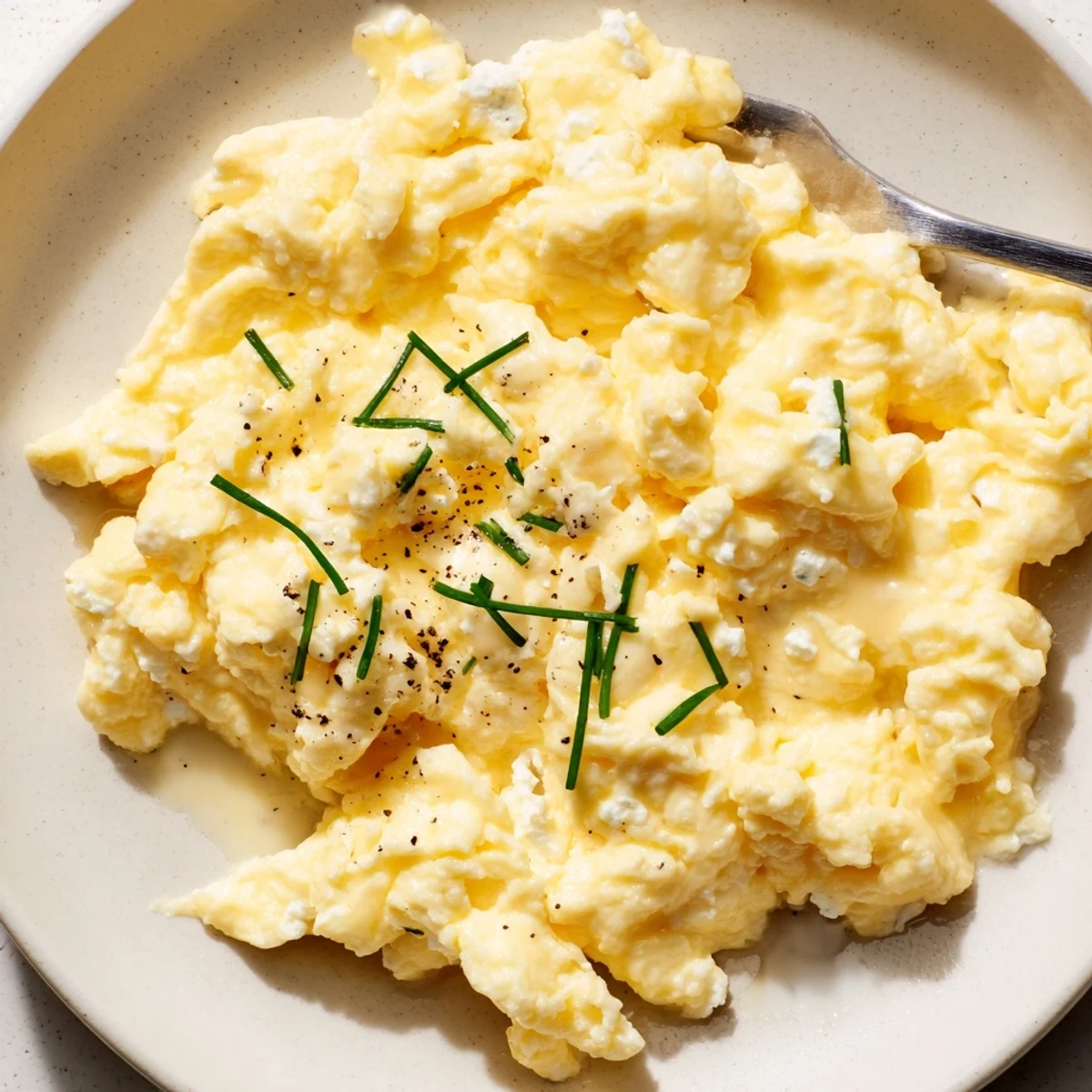
Save Whisk eggs with salt and pepper, stir in cottage cheese and half the chopped chives, then cook gently in butter over medium-low, stirring slowly to form soft curds. Remove the pan while still slightly runny so residual heat finishes the set; garnish with remaining chives. Variations include a splash of cream for extra silkiness, ricotta swap for a milder profile, or additions like spinach or smoked salmon for more substance.
My friend Lara swore by cottage cheese in her scrambled eggs for years, and I always nodded politely while secretly doubting it. Then one rainy Saturday morning I finally tried it, standing in my kitchen with fogged windows and a cup of coffee going cold beside the stove. The eggs puffed up like clouds, impossibly creamy, and the chives added just enough sharp green bite to make everything taste alive. I ate the whole batch standing at the counter, no plate, no toast, just a fork and a stupid grin.
I served these to my sister during a visit last spring, and she sat in silence after the first bite, which is the highest compliment anyone in my family can give a meal.
Ingredients
- 4 large eggs: Fresh eggs matter here since they are the star, and room temperature eggs whisk more evenly.
- 1/2 cup cottage cheese: Full fat gives the richest texture, but low fat works beautifully if that is what you have on hand.
- 1 tablespoon unsalted butter: Butter adds a golden flavor that olive oil simply cannot replicate in this dish.
- 2 tablespoons fresh chives, finely chopped: Fresh is nonnegotiable, dried chives will taste like dusty disappointment.
- 1/4 teaspoon salt: A light hand lets the cheese do some of the seasoning work for you.
- 1/8 teaspoon freshly ground black pepper: Fresh cracked pepper gives a gentle warmth without overpowering the delicate eggs.
Instructions
- Whisk It All Together:
- Crack the eggs into a medium bowl, add salt and pepper, and whisk until the yolks and whites are fully blended with no streaks remaining.
- Fold in the Cheese and Herbs:
- Stir in the cottage cheese and half the chives gently so you leave some visible curds throughout the mixture.
- Melt the Butter Slowly:
- Set your nonstick skillet over medium low heat and let the butter melt until it starts to foam but never browns.
- Cook Low and Slow:
- Pour in the egg mixture and use a flexible spatula to gently sweep the bottom and sides, letting soft curds form while the wet eggs fill in the gaps.
- Pull Early and Trust the Pan:
- Remove from heat while the eggs still look slightly underdone and wet, because the residual heat will finish the job perfectly.
- Finish with Chives:
- Scatter the remaining chives over the top and slide everything onto plates before the eggs cook another second longer.
 Save
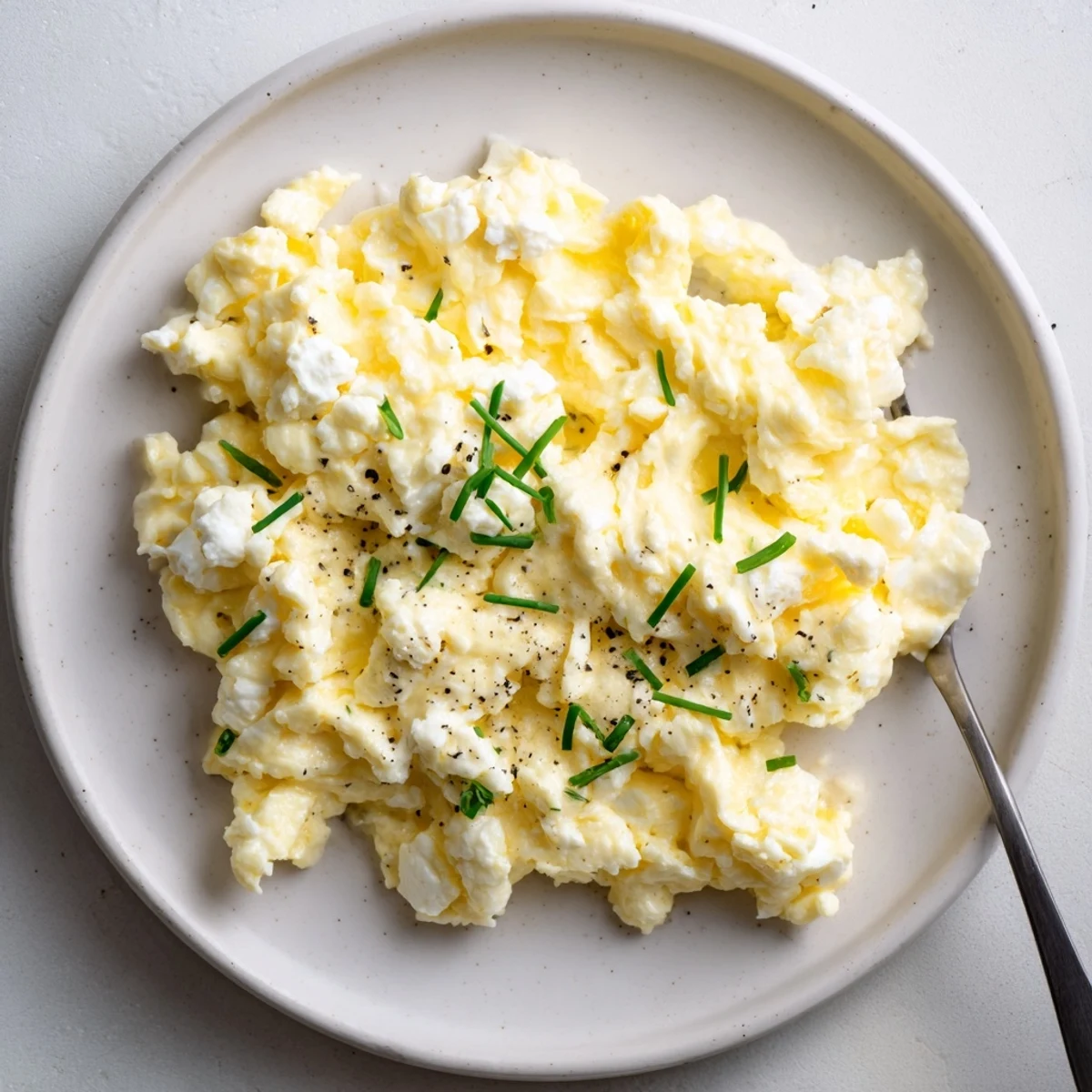
Save The morning I mastered these eggs was the same morning my kitchen window was open and the neighbor's dog was barking at absolutely nothing, and somehow that quiet chaos made the whole breakfast taste better.
What to Serve Alongside
These eggs love a piece of toasted sourdough with salted butter, or a few slices of rye if you want something more earthy and substantial.
Easy Variations to Try
A handful of baby spinach wilts into the eggs beautifully, and thin ribbons of smoked salmon folded in at the end turn this into something worthy of a weekend brunch guests.
Storing and Reheating
Scrambled eggs wait for no one, so plan to eat them immediately for the best texture and flavor.
- If you must reheat, do it gently in a skillet with a tiny dab of butter over low heat.
- Ricotta can stand in for cottage cheese if you prefer a milder, smoother flavor.
- A splash of cream beaten into the eggs makes them even richer if you are feeling decadent.
 Save
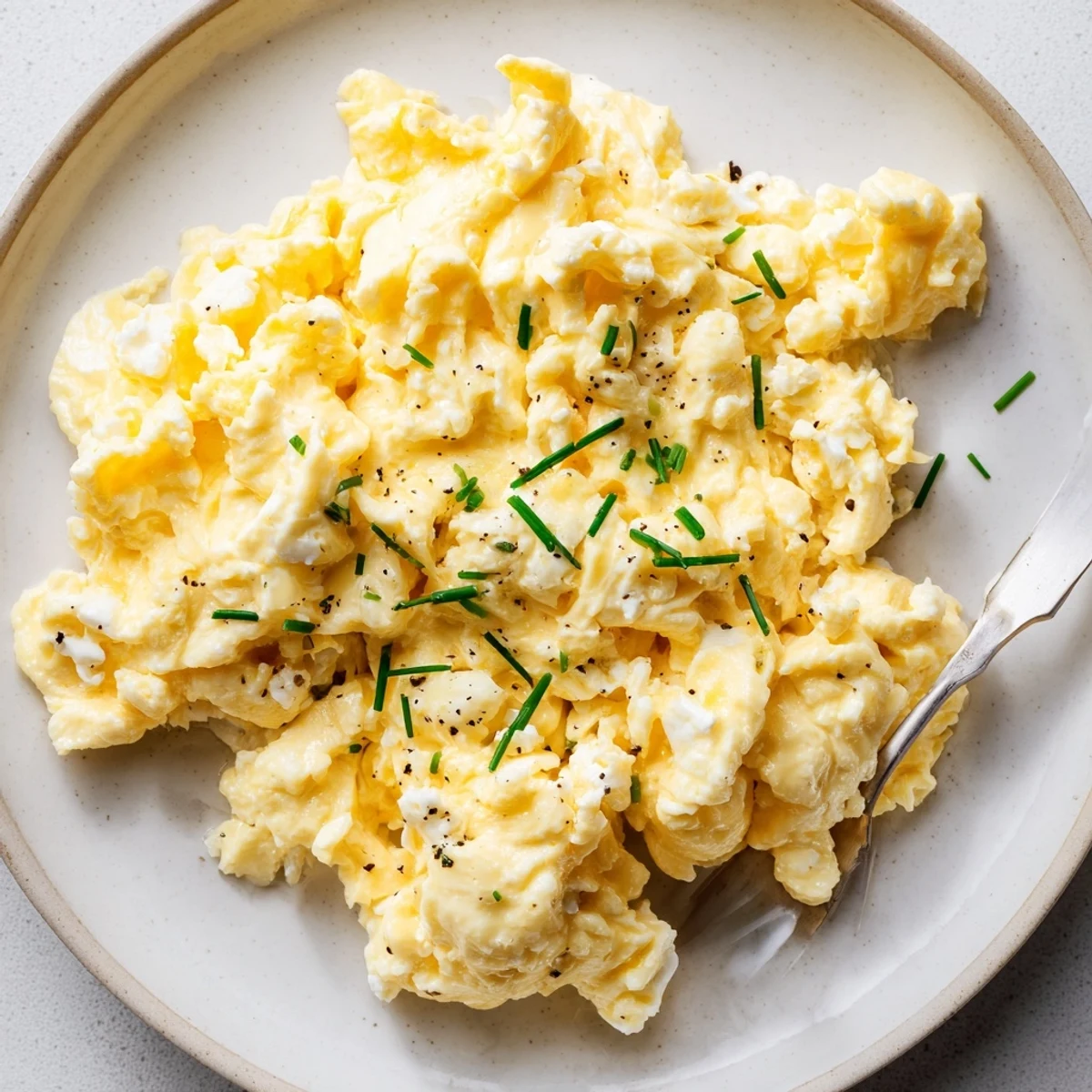
Save Some mornings call for elaborate breakfasts and some mornings just need something warm, fast, and deeply satisfying. These eggs are the answer to both.
Recipe FAQs
- → How do I keep the eggs fluffy and creamy?
-
Cook over medium-low heat and stir gently to form large, soft curds. Remove from the heat while still slightly runny; carryover heat will finish the setting and preserve creaminess.
- → Can I use low-fat cottage cheese?
-
Yes. Low-fat cottage cheese reduces richness but maintains protein; for a silkier texture, add a splash of cream or a pat of butter during cooking.
- → What heat level is best for these eggs?
-
Medium-low heat gives the most control, preventing overcooking and producing tender curds. High heat will make them dry and grainy.
- → How long should I cook the mixture?
-
About 2–3 minutes on medium-low, stirring until the eggs are mostly set but still creamy. Remove from heat to finish with residual warmth.
- → Can I prepare this ahead of time?
-
Cooked eggs are best fresh. You can mix eggs and cottage cheese ahead and refrigerate briefly, then cook just before serving. Leftovers keep 1–2 days in the fridge but lose some texture.
- → What pairings or add-ins work well?
-
Fresh chives are classic; add spinach, smoked salmon, or toasted sourdough. Swap cottage cheese for ricotta for a milder finish.