
 Save
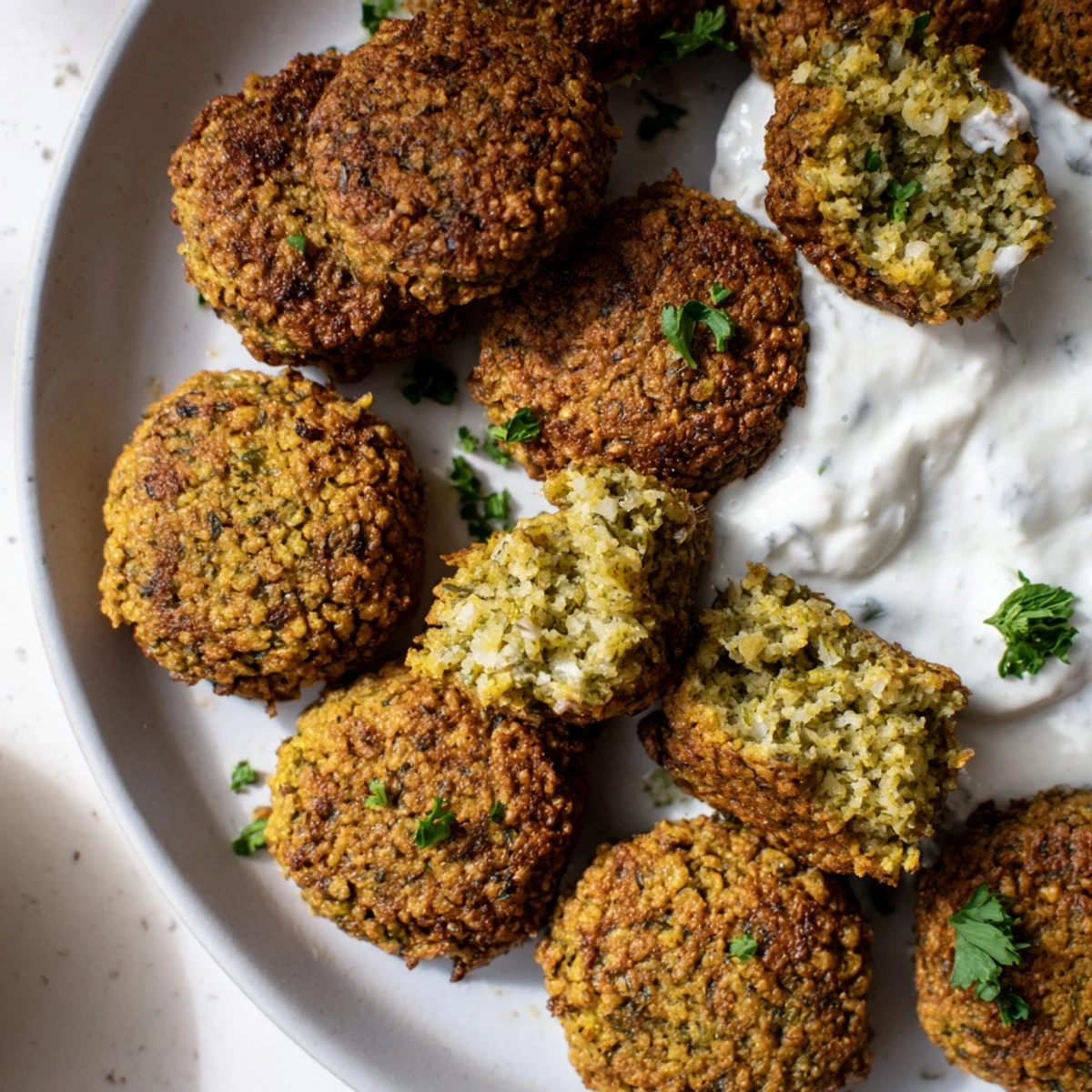
Save These golden falafel bites are made with soaked chickpeas, fresh parsley, cilantro, and warm Middle Eastern spices like cumin and coriander. The mixture is pulsed to a coarse texture, chilled, then fried until perfectly crisp on the outside and tender inside.
A quick garlic yogurt sauce with lemon juice and fresh herbs provides a cool, tangy contrast. Serve them in warm pita, over a fresh salad, or as part of a mezze spread. They also bake beautifully for a lighter option.
The smell of cumin hitting a hot pan still transports me straight to a tiny falafel stand in Jerusalem where an old man with flour dusted hands pressed perfect little discs into sizzling oil. I stood there, jet lagged and ravenous, watching him work with the casual confidence of someone who had made falafel every single day for decades. That crunch, that vivid green interior, that cool garlic sauce drizzled on top. I spent three years trying to recreate it in my own kitchen before I finally nailed it.
My friend Sarah once bet me twenty dollars I could not make falafel as good as our local Lebanese place. She paid up willingly after one bite, then asked for the recipe, then made it for her entire family the following weekend. Her grandmother apparently nodded in approval, which is the highest compliment any cook can receive.
Ingredients
- Dried chickpeas (1 1/2 cups, soaked overnight): Do not substitute canned chickpeas or the texture will be mushy and the crunch will disappear entirely.
- Onion (1 small, roughly chopped): Adds moisture and a subtle sweetness that balances the assertive herbs and spices.
- Garlic (3 cloves): Raw garlic folded into the mixture gives falafel its signature bite.
- Fresh parsley (1 cup leaves): This is what gives falafel that gorgeous green center so do not skimp on it.
- Fresh cilantro (1/2 cup leaves): Brightens everything and adds a citrusy lift that dried herbs simply cannot replicate.
- Fresh dill (1/4 cup, optional): Not traditional everywhere but it adds a lovely unexpected layer.
- Ground cumin (1 tsp): The warm backbone of flavor in every good falafel.
- Ground coriander (1 tsp): Pairs with cumin like they were made for each other because frankly they were.
- Cayenne pepper (1/2 tsp, optional): Just enough warmth without overwhelming the herbs.
- Baking powder (1 tsp): Helps the falafel puff slightly during frying for a lighter interior.
- All purpose flour (2 tbsp): Binds everything together and you can swap chickpea flour for a gluten free version.
- Salt (1 tsp) and black pepper (1/2 tsp): Season boldly because bland falafel is a tragedy.
- Vegetable oil (for frying): You need about two inches of oil in a heavy skillet to get that golden crust.
- Plain Greek yogurt (3/4 cup): Thick and tangy, it is the perfect cooling contrast to fried spiced chickpeas.
- Garlic (1 clove, finely minced, for sauce): One clove is enough since raw garlic in yogurt intensifies as it sits.
- Fresh lemon juice (1 tbsp, for sauce): Brightens the sauce and ties it to the falafel beautifully.
- Chopped fresh parsley or mint (2 tbsp, for sauce): A refreshing herbal finish that makes the sauce feel complete.
Instructions
- Prep the chickpeas:
- Drain and rinse the soaked chickpeas thoroughly, then spread them on a clean towel and pat them completely dry. Any excess moisture will make the mixture gummy and prevent proper browning.
- Build the falafel mixture:
- Pulse the chickpeas, onion, garlic, parsley, cilantro, dill if using, cumin, coriander, cayenne, salt, and pepper in a food processor until you get a coarse, grainy paste. Stop before it turns into hummus because visible bits of chickpea are what give falafel its character.
- Rest and bind:
- Transfer to a bowl, stir in the baking powder and flour, then cover and refrigerate for twenty to thirty minutes. This resting time firms up the mixture so the falafel hold their shape during frying.
- Whip up the sauce:
- Stir together the yogurt, minced garlic, lemon juice, herbs, salt, and pepper in a small bowl. Taste and adjust, then tuck it into the fridge so the flavors marry while you fry.
- Heat the oil:
- Pour two inches of oil into a heavy skillet and bring it to 350 degrees Fahrenheit over medium high heat. Drop in a tiny test bit of mixture and if it sizzles immediately and floats, you are ready.
- Shape and fry:
- Scoop tablespoon sized portions, roll them into balls or flatten them slightly into patties about one inch across. Fry in small batches, turning occasionally, until deeply golden and crisp, about two to three minutes per batch.
- Drain and serve:
- Lift the falafel out with a slotted spoon and let them rest on paper towels for a minute. Serve them warm with the chilled garlic yogurt sauce for dipping and a squeeze of lemon if you like.
 Save
Save There was a Tuesday night when I made a double batch of these for a neighbor who had just come home from the hospital. She called the next morning to say it was the first real meal she had enjoyed in weeks and that the crunch made her feel alive again.
Getting the Texture Right
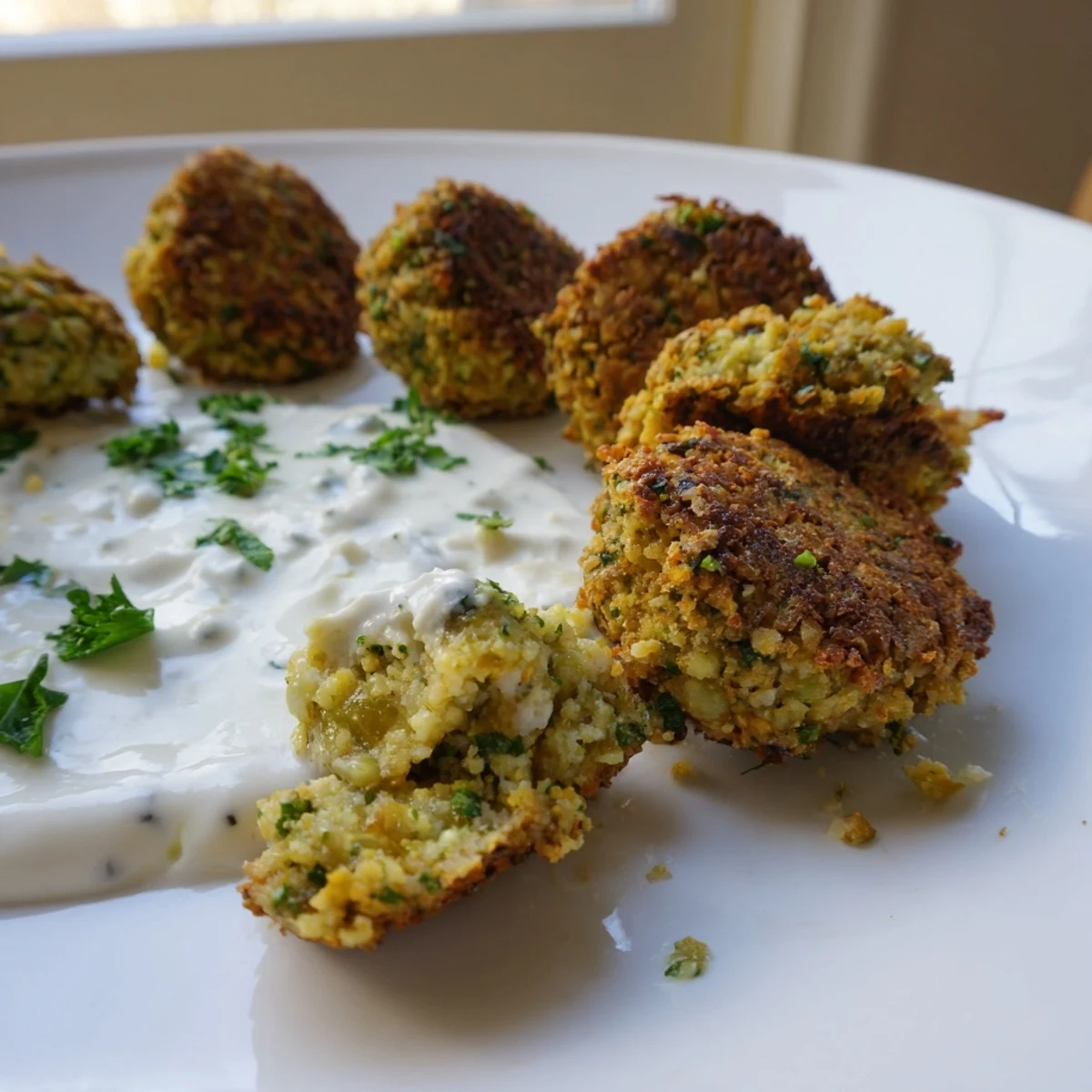
The difference between good falafel and great falafel lives entirely in texture. You want the processed mixture to look like wet sand with visible flecks of herb and chickpea throughout, not a smooth paste. If you pinch a small amount between your fingers and it holds together without being sticky, you have found the sweet spot.
Baking Instead of Frying
For a lighter version, brush the shaped falafel generously with oil and bake at 400 degrees Fahrenheit for twenty five to thirty minutes, flipping once halfway through. The exterior will not be quite as shatteringly crisp as the fried version but the flavor holds up beautifully and your kitchen will not smell like a fry shop for two days.
Serving Ideas Beyond the Plate
These falafel bites are endlessly versatile once you have the basic technique down. Think of them as a building block for quick weeknight meals throughout the week.
- Tuck them into warm pita with shredded lettuce, diced tomato, and a generous drizzle of that garlic yogurt sauce.
- Crumble leftover falafel over a grain bowl with tahini and roasted vegetables for an effortless lunch.
- Freeze uncooked falafel balls on a sheet tray, then transfer to a bag so you can fry a few whenever the craving hits.
 Save
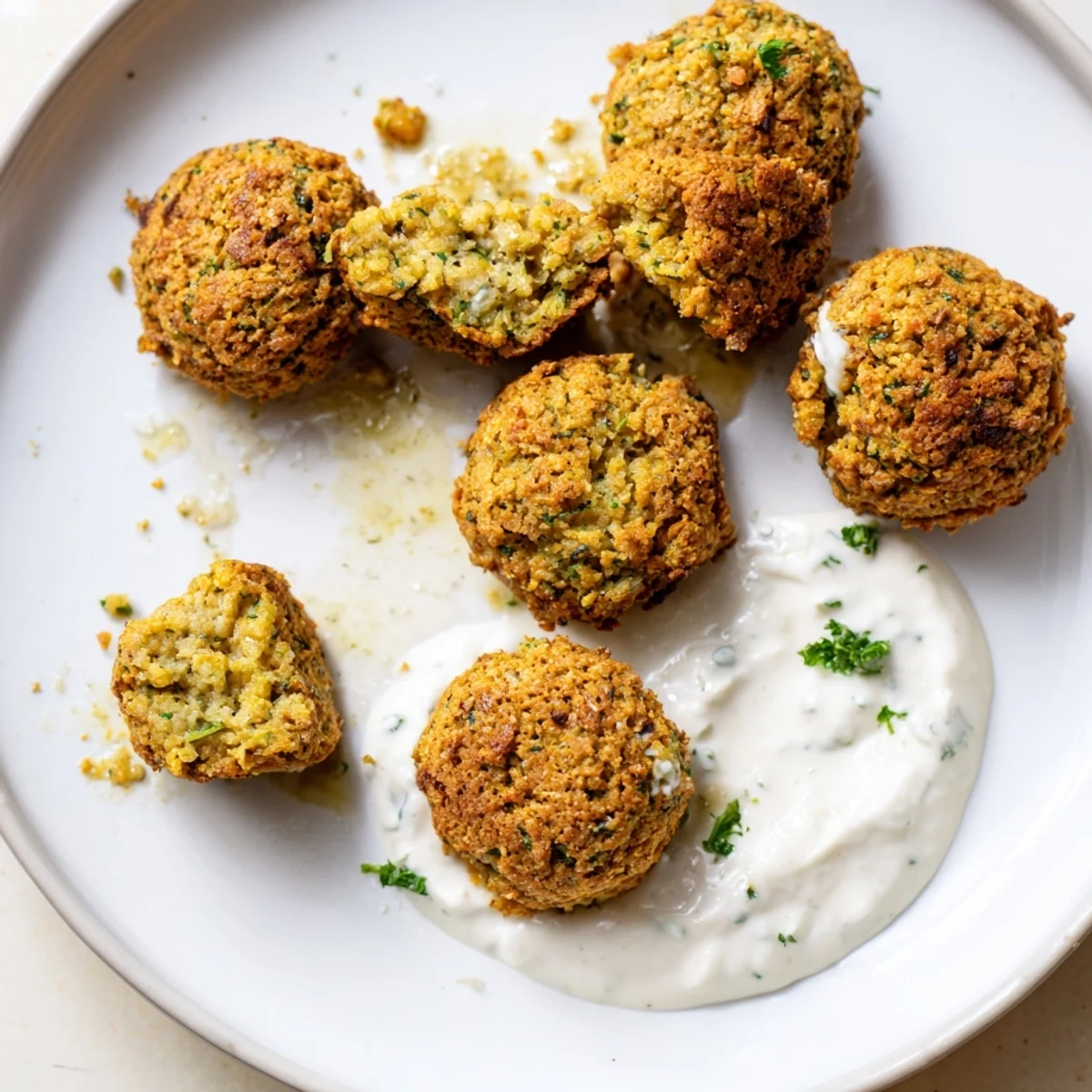
Save Falafel is one of those humble dishes that rewards patience and rewards boldness in equal measure. Make them once and they will become part of your permanent rotation.
Recipe FAQs
- → Can I use canned chickpeas instead of dried?
-
It's best to use dried chickpeas soaked overnight. Canned chickpeas hold too much moisture, which makes the falafel mixture soft and prone to falling apart during frying. Dried chickpeas give you that signature coarse, sturdy texture.
- → Why does the falafel mixture need to chill before frying?
-
Refrigerating the mixture for 20–30 minutes firms it up, making it much easier to shape into balls or patties. The chill also helps the falafel hold together when it hits the hot oil, reducing the chance of crumbling.
- → Can I bake these falafel bites instead of frying?
-
Yes, you can bake them at 400°F (200°C) for 25–30 minutes, flipping once halfway through. Brush the falafel with a little oil before baking to help them develop a golden, slightly crisp exterior.
- → What oil temperature works best for frying falafel?
-
Aim for 350°F (175°C). If the oil is too cool, the falafel will absorb excess oil and become greasy. If it's too hot, the outside burns before the inside cooks through. A heavy skillet helps maintain steady heat.
- → How should I store leftover falafel?
-
Store cooled falafel in an airtight container in the refrigerator for up to 3 days. Reheat in a skillet or oven to restore crispness. The garlic yogurt sauce should be stored separately and keeps well for up to 5 days chilled.
- → Can I make the falafel mixture ahead of time?
-
The uncooked falafel mixture can be refrigerated for up to 24 hours before shaping and frying. In fact, a longer rest deepens the flavors. You can also freeze shaped, uncooked falafel for up to 3 months — fry straight from frozen, adding a minute or two to the cooking time.