
 Save
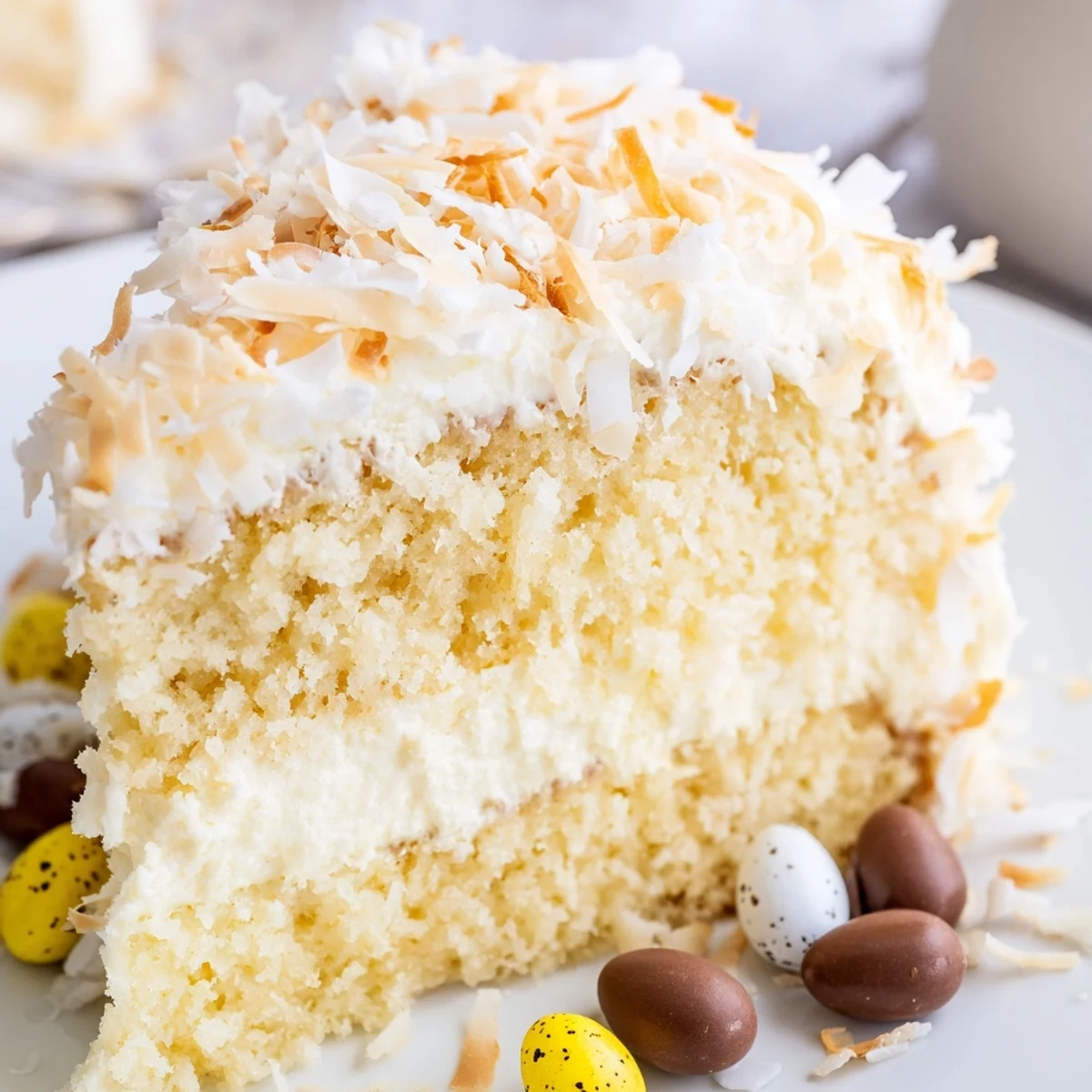
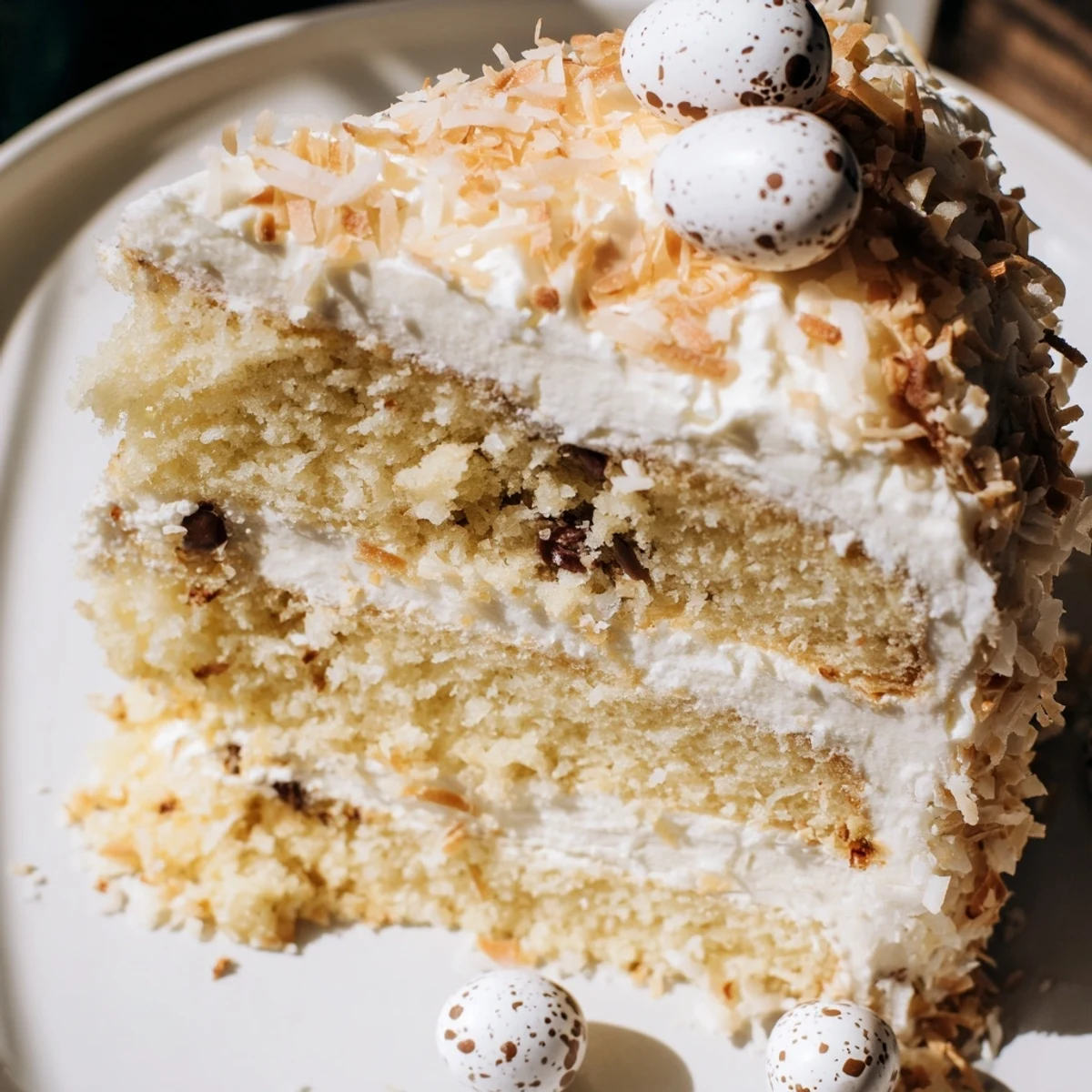
Save This Easter coconut cake features soft, layered coconut-infused cake with a rich and creamy frosting made from butter, powdered sugar, and coconut milk. Toasted shredded coconut decorates the top and sides, adding texture and extra flavor. Perfectly balanced with vanilla and optional coconut extract, each bite delivers a light yet indulgent experience. Ideal for springtime festivities, the cake takes about an hour from prep to finish and serves twelve. Mini chocolate eggs or candies can be added as decoration for festive appeal. Storage is simple, with room temperature or refrigeration options.
The kitchen smelled like sunscreen and sugar, which is exactly how I knew spring had arrived. My aunt used to make this cake every Easter without writing anything down, just humming and measuring by feel while the rest of us hunted for plastic eggs in the backyard. I finally cornered her three years ago with a notebook and a promise to wash every dish she owned.
Last year I made this for a friend who claimed to hate coconut. She ate two slices standing at my counter, still in her coat, before admitting she might have been wrong about a few things. The mini chocolate eggs on top were her idea, scattered like she was still hunting for them in the grass.
Ingredients
- All-purpose flour: The backbone that keeps this cloud from floating away. Spoon and level it, do not scoop straight from the bag or you will end up with a doorstop.
- Unsalted butter: Room temperature means you can press a finger into it and leave a dent, not a puddle. This matters more than you think.
- Granulated sugar: Creamed with butter until the mixture turns almost white and looks like fluffy frosting already.
- Large eggs: Room temperature eggs emulsify properly, cold ones will make your batter look curdled and sad.
- Vanilla and coconut extracts: The coconut extract is optional but honestly why would you skip it, this is a coconut cake.
- Canned coconut milk: Shake the can hard before opening or you will get a layer of cream then a layer of water and neither works alone.
- Sweetened shredded coconut: Folded into the batter for texture and that unmistakable chew between soft crumbs.
- Powdered sugar: Sifted unless you enjoy finding sugar lumps in your frosting like tiny pebbles.
- Toasted coconut for assembly: This is your armor, your decoration, your warning that this cake means business.
Instructions
- Prep your pans:
- Grease every corner with butter then dust with flour, tapping out the excess like you are cleaning out an old jar. Your cakes will release like they want to be free.
- Whisk the dry team:
- Flour, baking powder, and salt get acquainted in a bowl. This is the only mixing they will get so make it count.
- Cream butter and sugar:
- Beat until the mixture looks like pale yellow clouds, about three minutes of your mixer working harder than you are. Scrape the bowl twice or you will have streaks of yellow butter in your finished crumb.
- Add eggs one by one:
- Each egg needs to vanish completely before the next one joins. The batter should look smooth and slightly glossy, like satin.
- Alternate dry and wet:
- Flour in three additions, coconut milk in two, starting and ending with flour. Mix until just combined, no more, or you will build gluten and lose the tenderness.
- Fold and divide:
- Gently fold in the shredded coconut then split the batter between your pans. Smooth the tops with a spatula because they will bake exactly how they look going in.
- Bake and cool:
- Twenty-eight to thirty-two minutes at 350°F, until a toothpick comes out with just a few moist crumbs clinging. Cool ten minutes in the pans or they will tear apart when you flip them.
- Make the frosting:
- Beat the butter creamy, then add powdered sugar slowly or your kitchen will look like a snow globe exploded. Thin with coconut milk until it spreads like soft butter on warm toast.
- Stack and frost:
- First layer down, frosting on top, second layer pressing gently into place. Crumb coat if you are feeling fancy, or just go for it if you are feeling hungry.
- Press on the coconut:
- Hold the cake over a baking sheet and press toasted coconut into the sides and top. The sheet catches what falls and you will need every bit.
 Save
Save My nephew once asked if we could put real bird eggs on top instead of chocolate ones. I explained why that was a bad idea and he looked so disappointed that I almost considered it. The cake disappeared anyway, and he forgot about the birds.
The Toasting Ritual
I used to toast coconut in a skillet and burned half of it every time. The oven method changed everything. Spread it thin, stir once or twice, and pull it when it smells like a macaroon and looks like pale gold. It keeps toasting after you remove it so err on the side of caution.
Frosting Without Tears
If your frosting breaks and looks greasy, your butter was too warm or you added the sugar too fast. Pop the bowl in the fridge for ten minutes and beat again. I have saved more frostings this way than I can count, usually while pretending I meant to do that.
Making It Ahead
The layers bake beautifully a day ahead, wrapped tight in plastic while still slightly warm. The moisture stays locked in and the flavor actually improves. Frosting can sit covered on the counter overnight, just rewhip for thirty seconds before using.
- Brush layers with extra coconut milk before frosting for maximum moisture and flavor.
- Room temperature storage works for two days, after that the refrigerator is your friend.
- Bring cold cake to room temperature before serving or the butter in the frosting will taste like nothing.
 Save
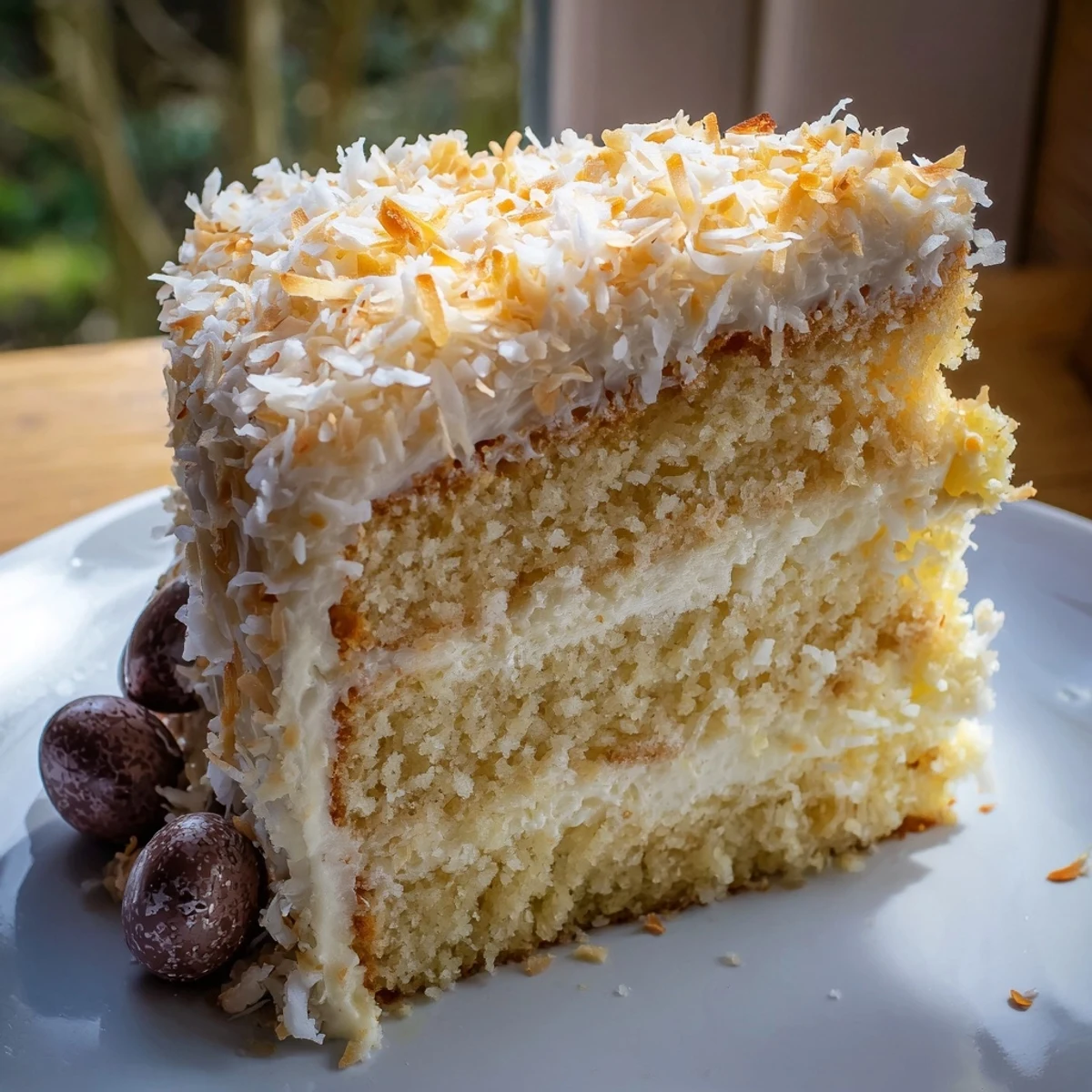
Save However you decorate it, with candy eggs or just a mountain of toasted coconut, this cake will make people stop talking when they take the first bite. That silence is the best compliment you will ever get.
Recipe FAQs
- → How can I enhance the coconut flavor in this cake?
-
Brushing each cake layer with coconut milk before frosting enriches the coconut taste without overpowering the balance.
- → What is the best way to toast shredded coconut?
-
Spread shredded coconut evenly on a baking sheet and bake at 350°F (175°C) for 5–10 minutes, stirring occasionally until golden brown.
- → Can I prepare this cake ahead of time?
-
Yes, it can be stored covered at room temperature for 2 days or refrigerated for up to 5 days to maintain freshness.
- → What tools are needed for assembling this coconut cake?
-
Two 9-inch round pans, electric mixer, mixing bowls, rubber spatula, wire rack, and an offset spatula or cake knife are essential.
- → Is this cake suitable for vegetarians?
-
Yes, all ingredients used align with a vegetarian diet, including butter, eggs, and coconut products.