
 Save
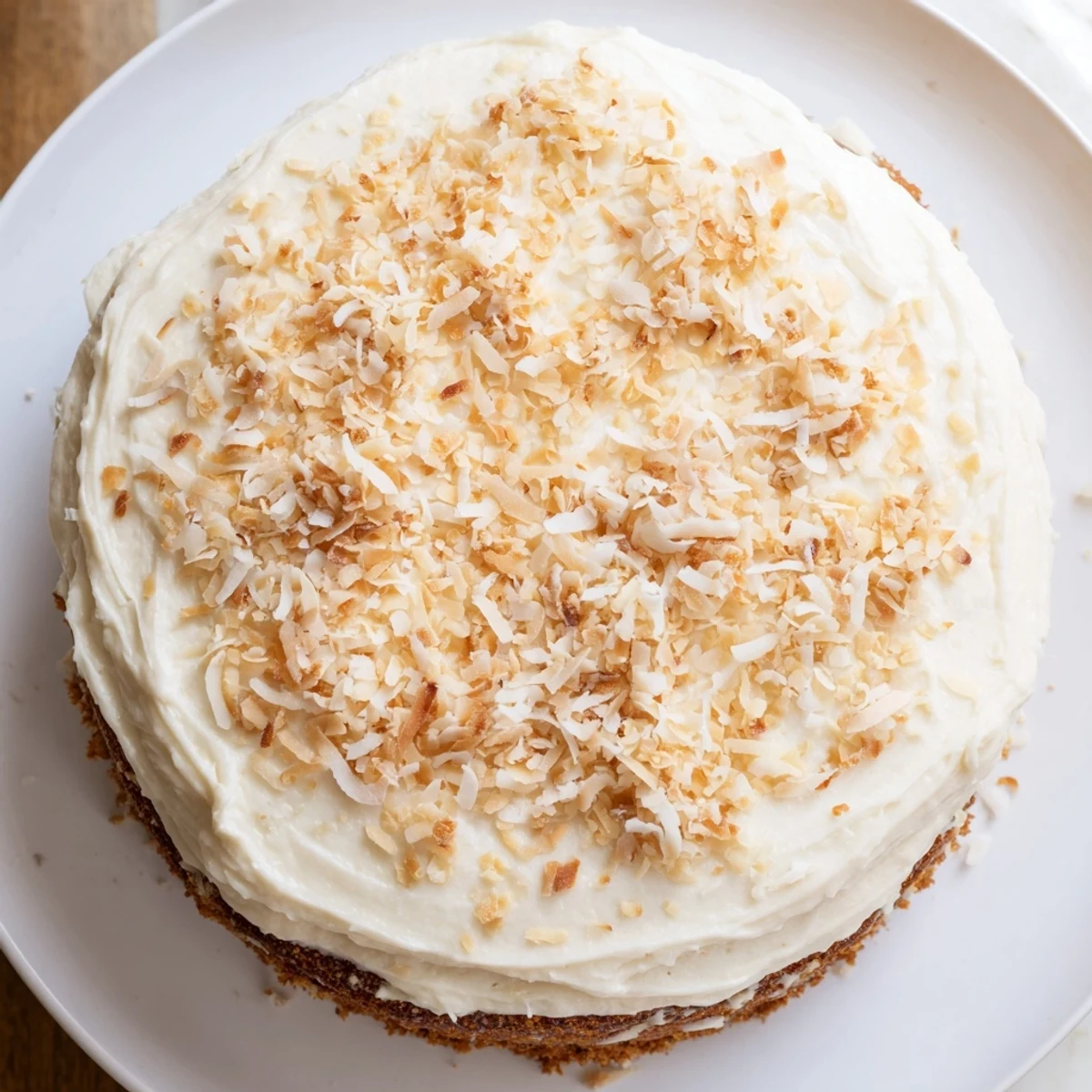
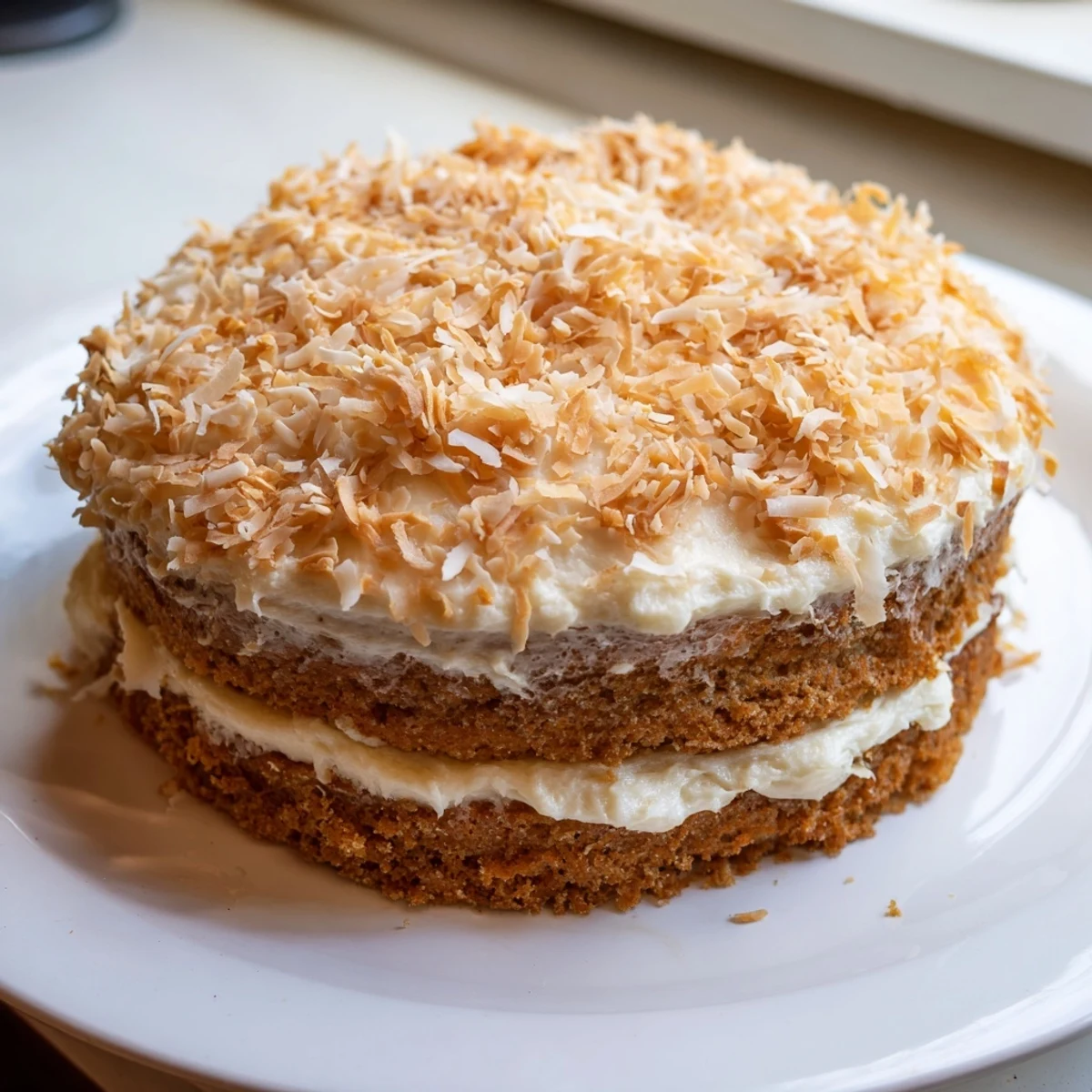
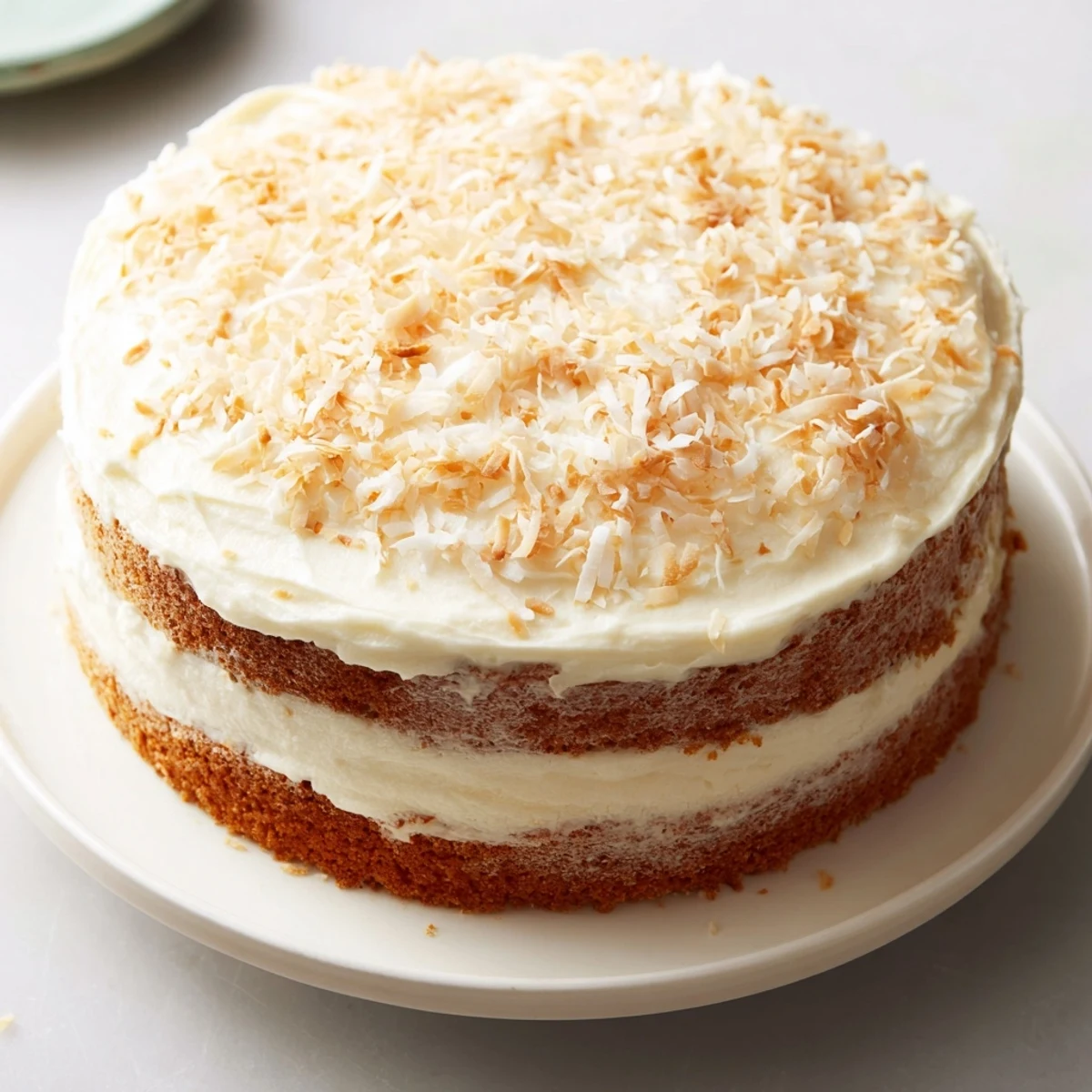
Save This moist cake features shredded coconut in the batter, giving it a tender crumb infused with tropical flavor. The tangy cream cheese frosting is whipped to a fluffy consistency with a hint of vanilla, perfectly complementing the cake's sweetness. Toasted coconut adds a delightful crunch and decorative finish. This layered dessert requires moderate skill and around one hour, including cooling. Ideal for spring or holiday gatherings, it can be garnished with lemon curd or edible flowers for extra flair.
The first Easter I hosted my own dinner, I decided coconut cake would be the centerpiece. I'd never made a three-layer cake before, let alone one with cream cheese frosting and toasted coconut raining down the sides like snow. The kitchen looked like a hurricane had hit when I was done, but that first slice made all the coconut flour on the floor worth it.
Last year my sister-in-law asked for the recipe before she'd even finished her first slice. She'd been skeptical about coconut in cake, something about a bad experience from childhood, but this version won her over completely. Now it's become her go-to for spring birthdays too.
Ingredients
- All-purpose flour: The foundation of the cake structure. Measure by weight if you can for consistent results.
- Baking powder and baking soda: This combination gives the cake its lift. Make sure they're fresh.
- Unsalted butter: Room temperature butter is crucial for proper creaming. It creates those air pockets that make the cake tender.
- Granulated sugar: Cream this with the butter thoroughly. I've learned the hard way that rushing this step results in dense cake.
- Large eggs: Room temperature eggs incorporate better and help create a smooth batter.
- Vanilla and coconut extract: The coconut extract is optional but I never skip it anymore. It amplifies the flavor without being artificial tasting.
- Canned coconut milk: Shake the can well before opening. The cream tends to separate.
- Sweetened shredded coconut: Fold this in gently. Overmixing here can make the texture tough.
- Cream cheese: Full-fat, softened to the same temperature as your butter. This prevents lumpy frosting.
- Powdered sugar: Sifting this might feel tedious but it's saved me from grainy frosting more than once.
Instructions
- Prep your pans like a professional:
- Preheat oven to 350°F. Grease two 9-inch round cake pans thoroughly, then flour them. Cut parchment paper circles for the bottoms. This extra step has saved me from many stuck cakes.
- Whisk the dry team together:
- In a medium bowl, combine flour, baking powder, baking soda, and salt. Give it a good whisk to distribute everything evenly.
- Cream butter and sugar properly:
- Beat butter and sugar until light and fluffy, about 3 to 4 minutes. You'll notice the color pale and the texture increase in volume. Don't rush this.
- Add eggs one at a time:
- Beat in each egg completely before adding the next. Then stir in vanilla and coconut extract.
- Alternate wet and dry ingredients:
- Add flour mixture and coconut milk alternately, starting and ending with flour. Mix just until combined. Those last few streaks of flour will disappear when you fold in the coconut.
- Fold in the coconut:
- Gently incorporate shredded coconut with a spatula. Be gentle here to keep the texture light.
- Bake until perfect:
- Divide batter evenly between pans. Bake 25 to 30 minutes until a toothpick comes out clean. Cool in pans 10 minutes before turning onto wire racks.
- Make the frosting:
- Beat softened cream cheese and butter until smooth. Add powdered sugar gradually, then vanilla. Add coconut milk only if needed for spreadable consistency.
- Assemble the cake:
- Place one layer on your serving plate. Frost the top. Add the second layer and frost the top and sides. Work quickly if your kitchen is warm.
- Add the coconut finish:
- Press toasted coconut gently onto the frosted cake. I hold the cake over a bowl to catch the falling coconut and reuse it.
 Save
Save My daughter helped me toast the coconut for the first time this year, standing on a chair at the stove. She took her job so seriously, shaking the pan every few seconds like she'd been doing it for years. The way she beamed when the coconut turned golden brown was better than any compliment on the cake itself.
Make It Your Way
Sometimes I spread lemon curd between the layers for a bright tang that plays beautifully with the coconut. Other times I'll add a thin layer of raspberry jam. Both variations have their fans in my family. The key is spreading thinly so the structural integrity stays solid.
Frosting Like A Pro
Apply a thin crumb coat first and chill for 15 minutes. This locks in the loose crumbs so your final coat stays clean. I learned this trick after years of wondering why my home cakes looked messy compared to bakery ones. The difference is remarkable.
Make Ahead Magic
The cake layers can be wrapped well and frozen for up to a month. Thaw overnight in the refrigerator before frosting. The frosting itself keeps for a week in the fridge. Bring to room temperature and rewhip before using. This has saved me more than once when hosting duties pile up.
- Toast extra coconut and store it in an airtight container
- Cream cheese frosting can be made 2 days ahead and kept refrigerated
- Already frosted cakes refrigerate beautifully for up to 4 days
 Save
Save This cake has become my signature spring dessert. Every time I make it, I'm transported back to that first chaotic Easter when I discovered that some kitchen disasters lead to the sweetest discoveries.
Recipe FAQs
- → How do I keep the cake moist?
-
Incorporating coconut milk and shredded coconut into the batter helps retain moisture, resulting in a tender and juicy crumb.
- → Can I substitute cream cheese frosting with another type?
-
While cream cheese frosting provides a tangy balance, buttercream or whipped coconut cream can be used as alternatives depending on preference.
- → What is the best way to toast coconut flakes?
-
Spread shredded coconut evenly on a baking sheet and toast in a preheated oven at 350°F (175°C) for 5-7 minutes, stirring occasionally until golden.
- → How long should the cake chill before serving?
-
Chilling the frosted cake for at least 30 minutes helps the layers set, making it easier to slice cleanly.
- → Can this cake be made in advance?
-
The cake can be made and refrigerated for up to 4 days; bring it to room temperature before serving for best texture and flavor.