
 Save
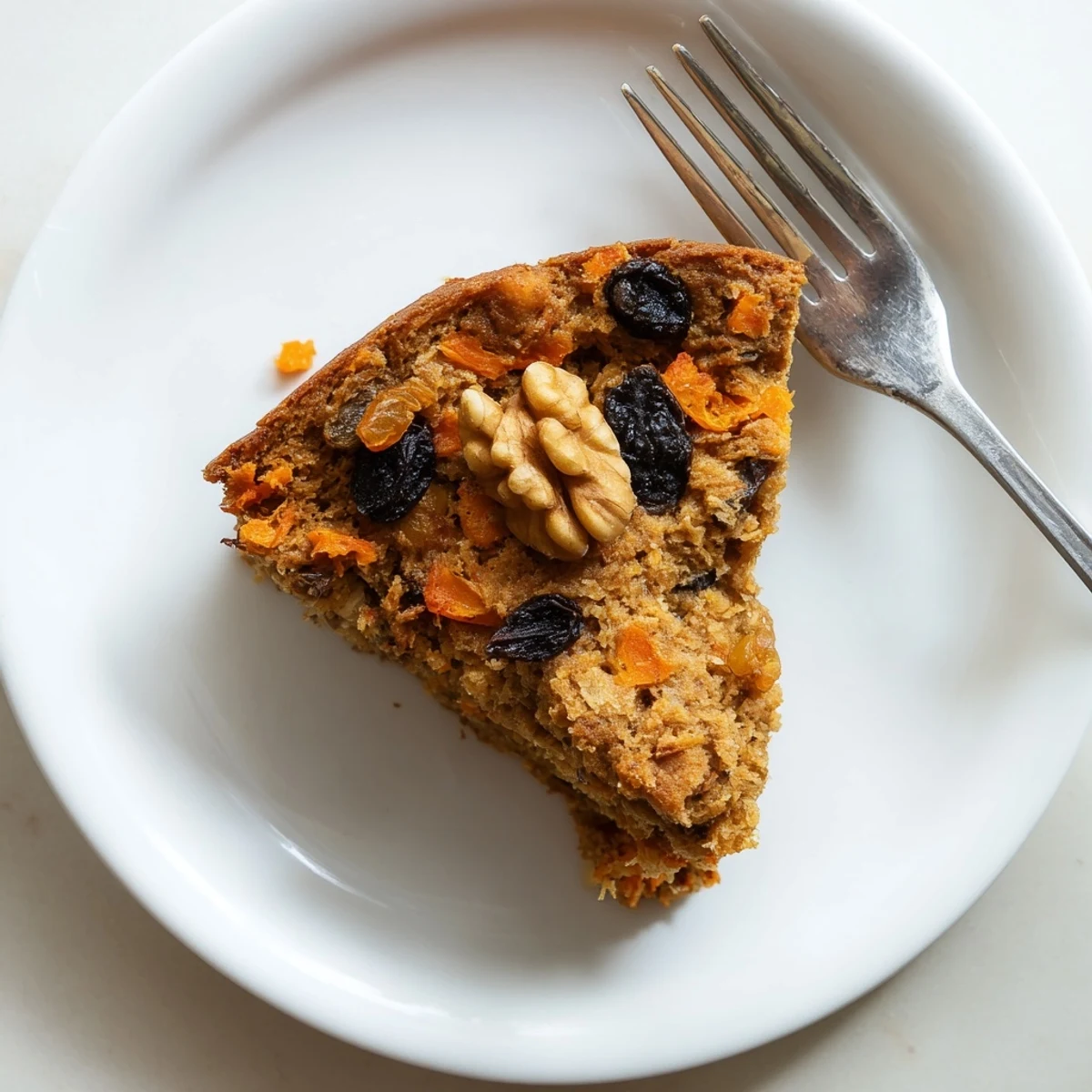
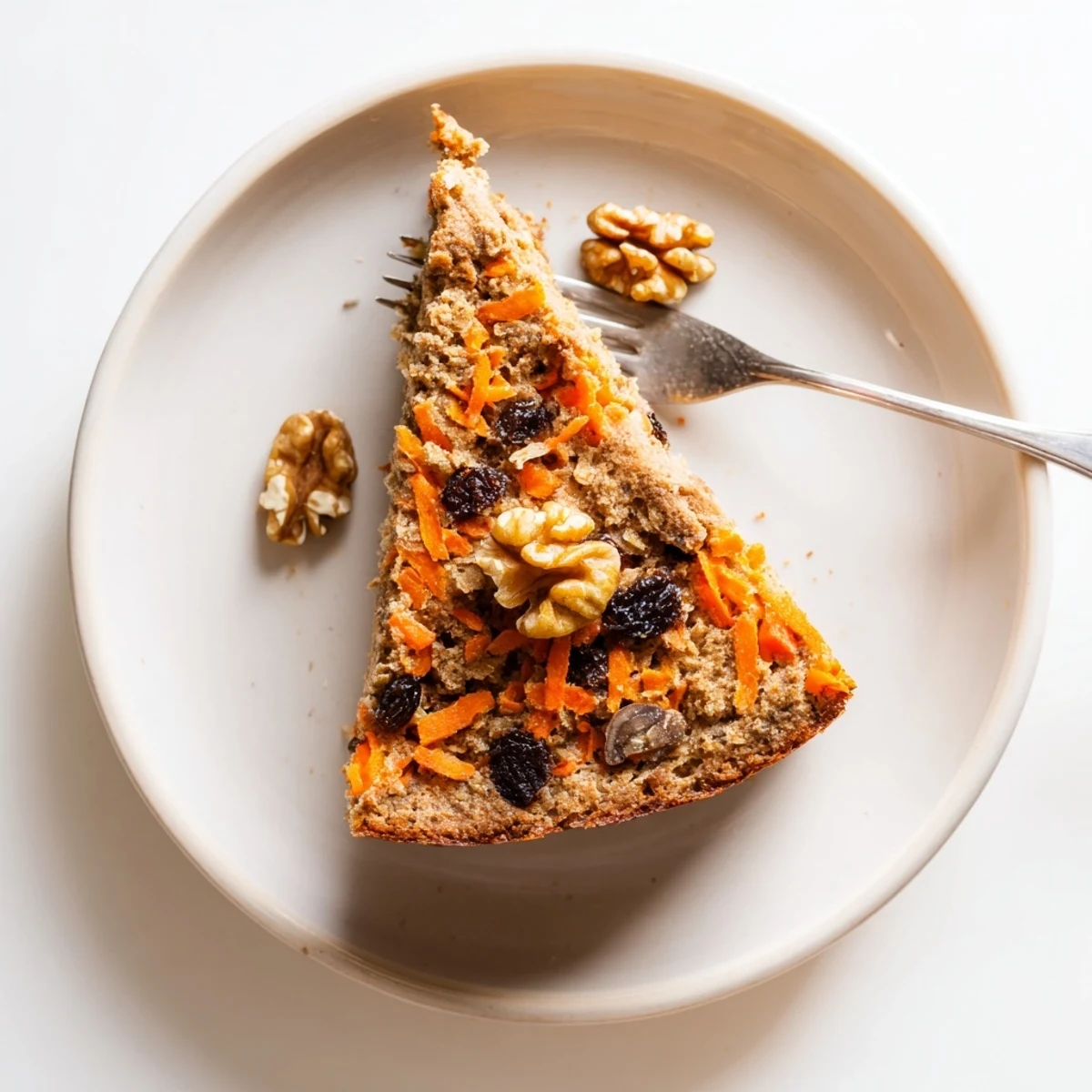
Save This flourless carrot cake combines the natural sweetness of grated carrots with hearty oats and warming spices like cinnamon and nutmeg. The result is a wonderfully moist, tender cake that's naturally gluten-free while maintaining all the comfort of traditional carrot cake. Ready in just over an hour, this wholesome treat comes together easily with pantry staples and requires no special flour blends.
The afternoon sun slanted through my kitchen window as I grated carrots, their sweet earthy scent filling the room. I'd been experimenting with flourless baking since my sister developed gluten sensitivity, and this oatmeal carrot cake had become our shared triumph. The texture surprised us both—dense and moist, with none of the dry crumb typical of gluten-free experiments. Now it's the cake she requests for every birthday, a tradition that started by accident.
Last spring, my neighbor Sarah stopped by while this cake was baking. She stood in my doorway, inhaling deeply, and asked what magic was happening in my oven. We ended up sharing warm slices on the back porch, watching her toddler discover that carrots in cake were somehow different from carrots on her dinner plate. That little girls delighted astonishment sold me on this recipe forever.
Ingredients
- Old-fashioned rolled oats: These create better texture than quick oats and transform beautifully into flour
- Baking powder and baking soda: Both are essential for lift since theres no gluten to provide structure
- Ground cinnamon and nutmeg: Warm spices that make carrot cake taste like comfort
- Finely grated carrots: The finer the grate, the more moisture they release into the batter
- Maple syrup or honey: Natural sweeteners that complement the oats earthy flavor
- Large eggs: Crucial for binding since theres no gluten to hold everything together
- Melted coconut oil or butter: Adds richness and helps create that tender, moist crumb
- Pure vanilla extract: Dont skimp—this rounds out all the flavors and makes everything taste homemade
Instructions
- Preheat your oven to 350°F and prepare your pan:
- Lining with parchment paper makes removal effortless and prevents any sticking drama
- Transform the oats into flour:
- Pulse in short bursts—over-processing creates oat dust that wont give the cake proper structure
- Whisk together all the dry ingredients:
- This ensures the leavening agents and spices are evenly distributed throughout the batter
- Combine the wet ingredients in a separate bowl:
- Whisk thoroughly until the mixture looks slightly thickened and emulsified
- Mix wet and dry ingredients:
- Stir until just combined—small lumps will disappear during baking and overmixing makes tough cake
- Fold in the carrots and add-ins:
- Use a gentle motion to distribute everything without deflating the batter
- Bake for 35-40 minutes:
- The cake is done when it springs back lightly to touch and a toothpick emerges clean
- Let it cool completely:
- This patience step allows the structure to set and makes slicing much cleaner
 Save
Save My father, a skeptic of anything labeled gluten-free, once took three slices before asking what was different about my carrot cake. He could not believe there was no flour involved. Now he calls me monthly, casually asking whether I happen to have any of that oat cake around.
Making It Your Own
The beauty of this recipe lies in its adaptability. I've swapped carrots for grated zucchini in summer and added chopped apple in fall. Each variation brings something new while keeping that same tender, satisfying crumb that makes this cake special.
Storage and Freezing
Keep it wrapped tightly at room temperature for up to three days, though in my house it rarely lasts that long. For longer storage, wrap individual slices in plastic and freeze—they thaw beautifully and make instant weekday treats.
Serving Suggestions
A simple dusting of powdered sugar transforms this into an elegant dessert, while a schmear of cream cheese frosting makes it utterly indulgent. Sometimes I serve it plain with morning coffee, letting the oats and carrots shine without any distraction.
- Try toasting leftover slices and adding a pat of butter
- A dollop of Greek yogurt offers a tangy contrast to the sweet crumb
- For special occasions, a drizzle of maple syrup glaze feels festive
 Save
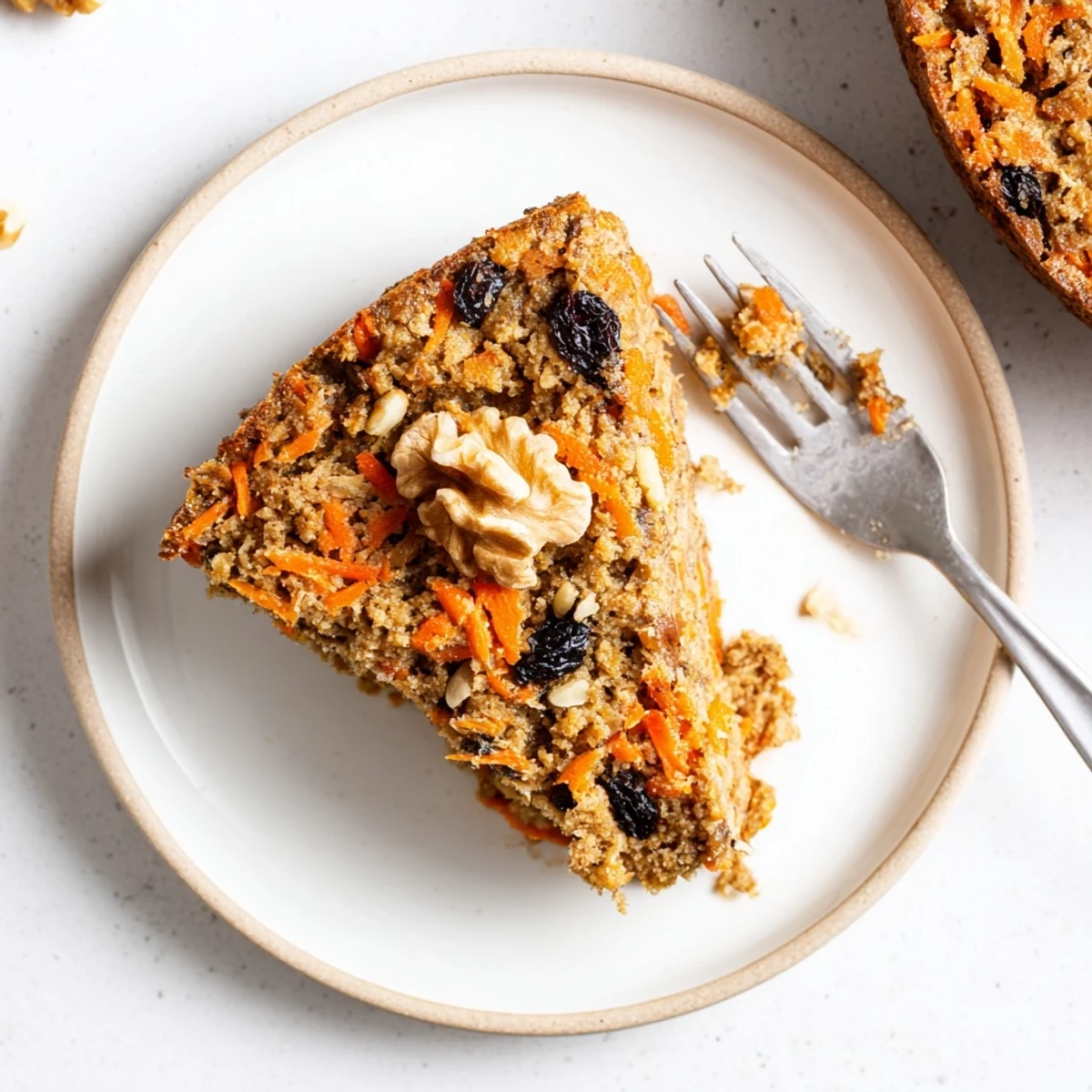
Save There's something deeply satisfying about a cake that feels both indulgent and wholesome. This one has found its way into every celebration and quiet Tuesday morning at my house, and I hope it finds a permanent place in yours too.
Recipe FAQs
- → Is this carrot cake truly gluten-free?
-
Yes, this carrot cake is naturally gluten-free when made with certified gluten-free oats. The oats replace traditional wheat flour entirely, creating a flourless batter that bakes into a moist, tender cake perfect for those avoiding gluten.
- → Can I make this carrot cake vegan?
-
Absolutely. Replace each egg with a flax egg (1 tablespoon ground flaxseed mixed with 3 tablespoons water) and use plant-based syrup like maple syrup with coconut oil instead of butter. The texture remains wonderfully moist and the flavor stays delicious.
- → How should I store this carrot cake?
-
Store the cooled cake in an airtight container at room temperature for up to 3 days. For longer storage, refrigerate for up to a week or freeze individual slices wrapped tightly in plastic and foil for up to 3 months. The cake actually becomes more moist after sitting overnight.
- → What type of oats work best?
-
Old-fashioned rolled oats work best here as they grind into a coarse flour easily and provide the right texture. Steel-cut oats are too hard and won't process properly, while instant oats may make the cake too dense. Always use certified gluten-free oats if needed.
- → Can I add frosting to this carrot cake?
-
Certainly. A simple cream cheese frosting or Greek yogurt topping complements the spices beautifully. Wait until the cake is completely cool before frosting. For a lighter option, a dusting of powdered sugar or a drizzle of maple syrup works wonderfully.
- → Why did my cake turn out dense?
-
Overprocessing the oats into too fine a flour or overmixing the batter can create density. Pulse the oats just until they reach a coarse, flour-like texture with some small pieces remaining. Also, avoid over-stirring when combining wet and dry ingredients—mix just until combined for the best texture.