
 Save
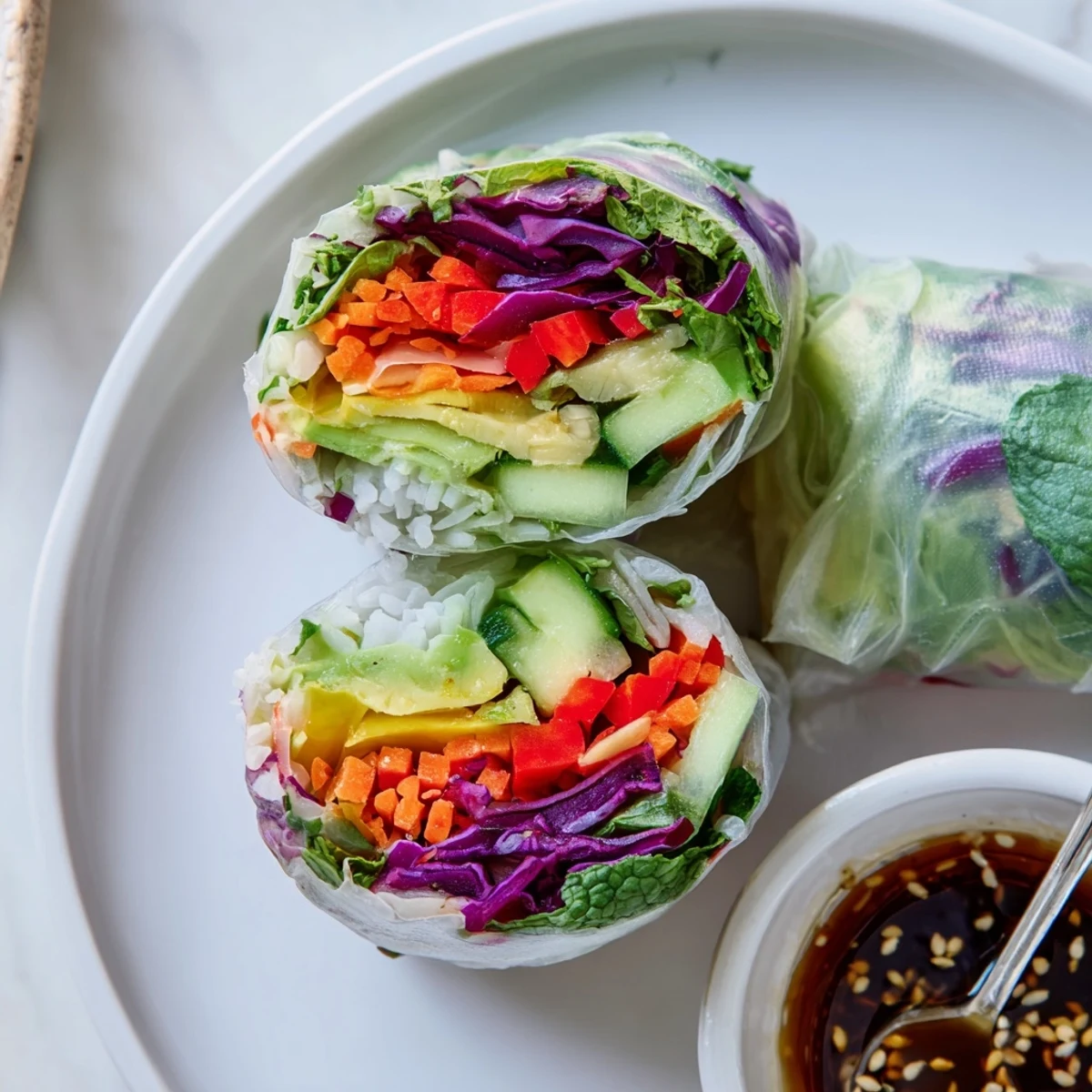
Save These gluten-free vegetable spring rolls combine julienned carrot, cucumber, red bell pepper, red cabbage, rice vermicelli, avocado and fresh mint and cilantro. Soak rice paper briefly until pliable, layer noodles and vegetables, then roll tightly. Mix tamari, rice vinegar, maple syrup, sesame oil, ginger and garlic for a tangy dip. Ready in about 25 minutes; makes 8 rolls. Best served fresh; store wrapped under a damp towel for a few hours. Note allergen: soy; peanuts optional.
The rain was drumming against the kitchen window the afternoon I finally cracked the code on rice paper wrappers after three torn, soggy attempts.
My neighbor walked in while I was elbow deep in julienned vegetables and declared it looked like I was painting with food.
Ingredients
- 1 medium carrot, julienned: Cut them thin and uniform so every bite has crunch without fighting through a thick piece.
- 1/2 cucumber, julienned: Seedless English cucumber works best because excess water is the enemy of a tight roll.
- 1 red bell pepper, julienned: The sweetness balances the acidity in the dipping sauce beautifully.
- 1 cup red cabbage, thinly shredded: This is what gives each roll that satisfying snap when you bite in.
- 1 avocado, sliced: Add it last to the filling so it does not slide around while you roll.
- 1 cup fresh mint leaves: Do not skip this because the cool brightness ties everything together.
- 1 cup fresh cilantro leaves: Roughly tear larger stems to release more flavor into every bite.
- 8 gluten free rice paper wrappers: Check the label carefully because not all brands are certified gluten free.
- 100 g rice vermicelli noodles: Cook them just until tender and rinse with cold water to stop the process.
- 3 tbsp gluten free soy sauce or tamari: Tamari has a deeper, richer flavor that coats the tongue better.
- 2 tbsp rice vinegar: This gentle acidity wakes up every flavor in the bowl.
- 1 tbsp maple syrup or honey: A subtle sweetness rounds out the sharp ginger and garlic.
- 1 tsp toasted sesame oil: A little goes a long way toward that toasty, nutty aroma.
- 1 tsp grated fresh ginger: Grate it finely so nobody bites into a fibrous chunk.
- 1 clove garlic, minced: Let it sit for a minute after mincing to mellow the raw bite.
- 1 tbsp chopped peanuts (optional): Omit these entirely if anyone at the table has a nut allergy.
Instructions
- Soften the noodles:
- Cook the vermicelli according to the package, drain, and rinse under cold running water until they are completely cool to the touch.
- Prep your workstation:
- Arrange all the julienned vegetables, herbs, and sliced avocado on a large platter like an edible paint palette within easy reach.
- Soak the rice paper:
- Fill a shallow bowl with warm water and slide one wrapper in for about ten seconds until it feels pliable but still has slight structure left.
- Build the roll:
- Lay the softened wrapper flat, place a compact mound of noodles and vegetables along the lower third, then tuck avocado slices on top.
- Roll it tight:
- Fold the left and right sides over the filling like an envelope, then roll upward from the bottom keeping gentle but firm pressure the whole way.
- Whisk the sauce:
- Combine tamari, rice vinegar, maple syrup, sesame oil, ginger, garlic, and optional peanuts in a small bowl and stir until fully blended.
- Serve immediately:
- Arrange the rolls on a plate with the sauce in a small dish beside them and watch them disappear within minutes.
 Save
Save The best batch I ever made disappeared at a backyard potluck before I even got one, which I decided was the highest compliment.
Keeping Your Hands from Sticking to Everything
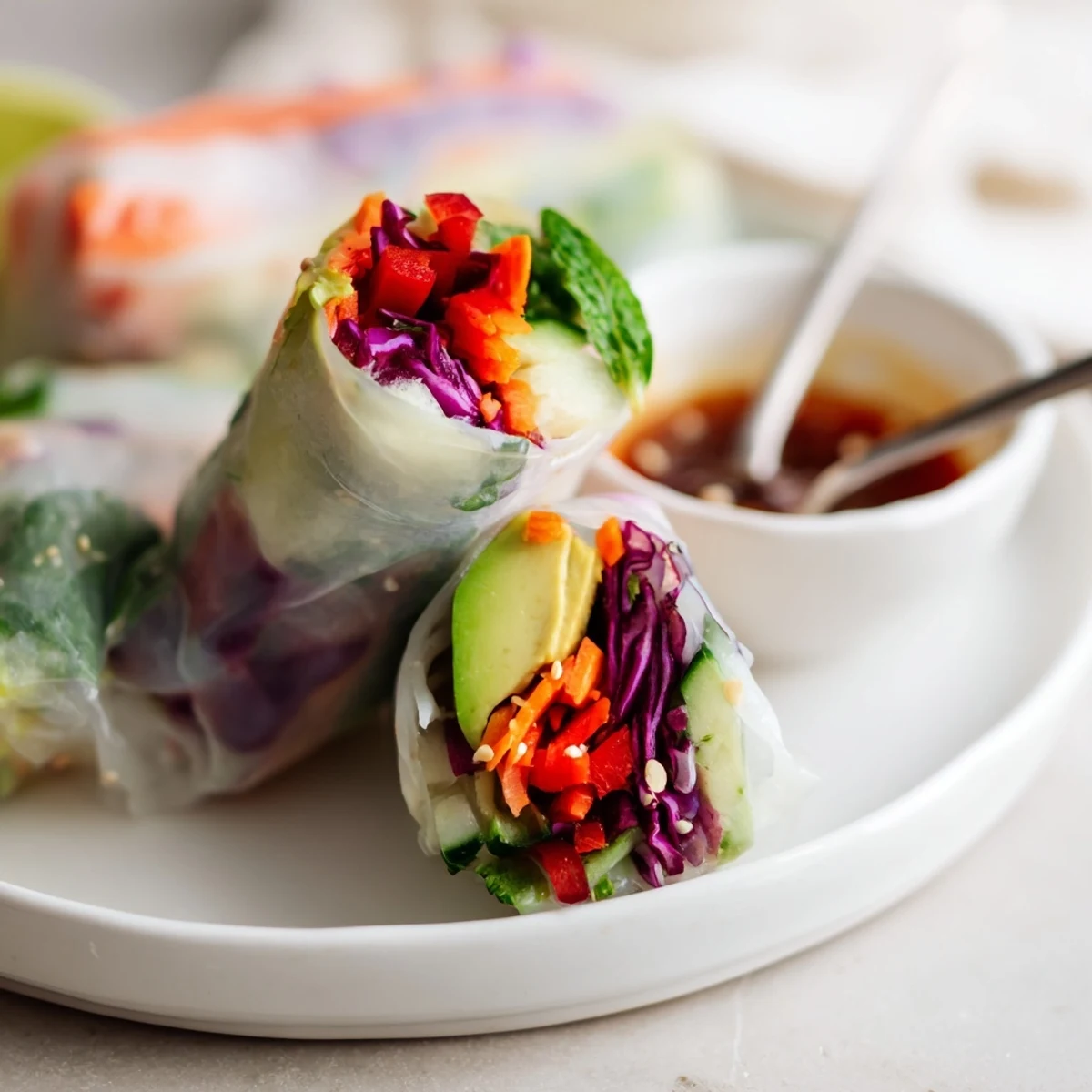
Keep a damp kitchen towel draped over finished rolls to prevent them from drying out and cracking while you work through the batch.
Making the Dipping Sauce Your Own
Try adding a squeeze of lime juice or a dab of chili paste if you want to push the flavor in a bolder direction.
What to Serve Alongside
These rolls are light enough to pair with a warm bowl of pho or a simple miso soup for a meal that feels complete without being heavy.
- Set out sriracha for anyone craving heat.
- Add crispy tofu strips for a heartier plate.
- Always serve within a few hours because the wrappers toughen as they sit.
 Save
Save There is something quietly satisfying about a recipe that requires no oven, no pan, and no fuss, just fresh ingredients and your own two hands.
Recipe FAQs
- → How long should rice paper be soaked?
-
Submerge each wrapper for 10–15 seconds in warm water until just pliable but not mushy. Over-soaking makes wrappers tear and become difficult to roll.
- → Which vegetables work best for filling?
-
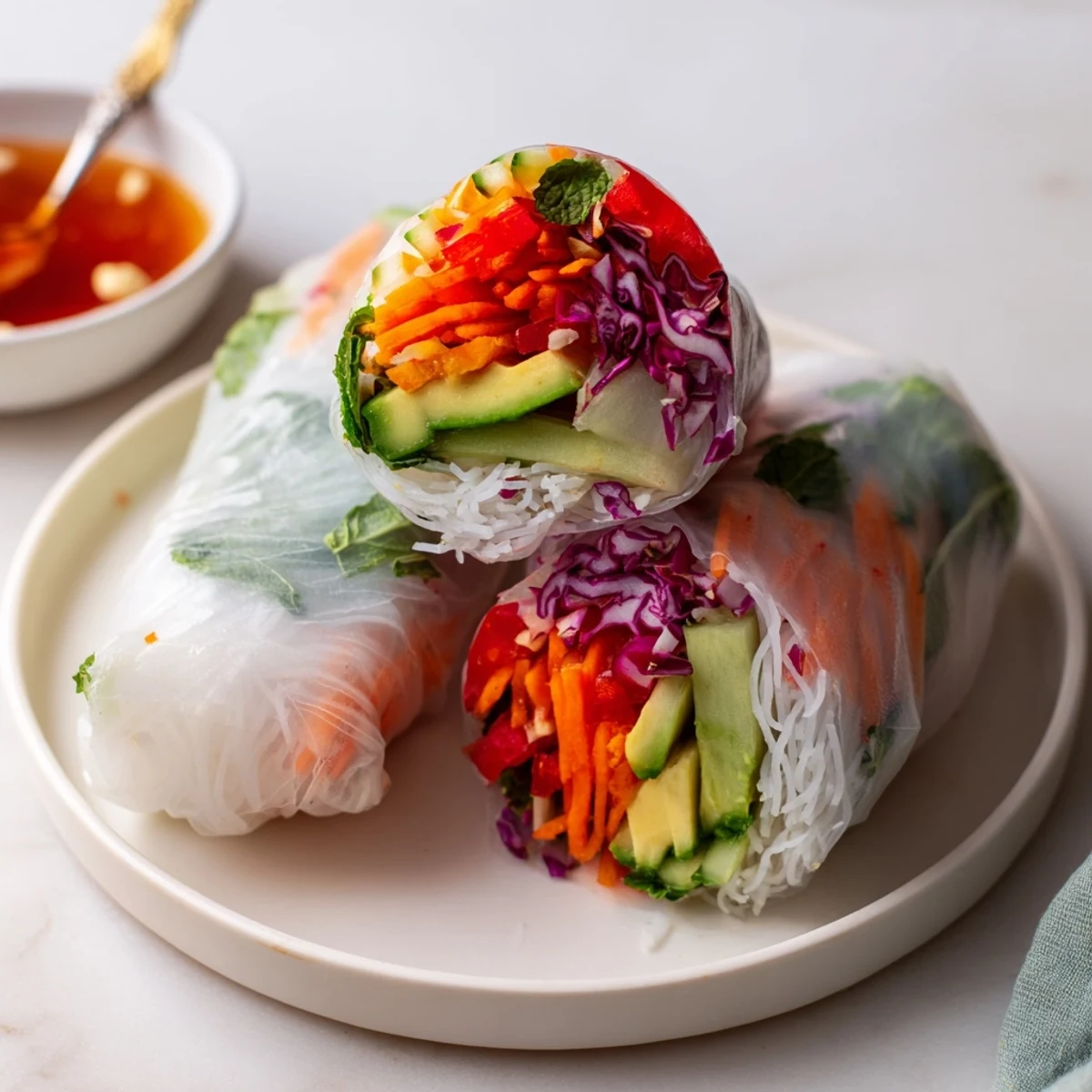
Julienned carrot, cucumber, red bell pepper and thinly shredded red cabbage are ideal for texture and color. Add avocado and fresh herbs like mint and cilantro for creaminess and brightness.
- → Can I add protein to these rolls?
-
Yes — firm tofu (pan-seared or baked) or cooked shrimp are great options. Add thin slices so the roll stays compact and easy to bite.
- → How should I store assembled rolls?
-
Place rolls on a tray, cover with a damp towel, and refrigerate for a few hours. For best texture, serve within a few hours as rice paper can firm up over time.
- → What are good dipping sauce alternatives?
-
Besides tamari-vinegar mix, try a peanut-free citrus-sesame sauce or a spicy sriracha-tamari blend. Adjust sweetness and acidity to balance flavors.
- → Any tips to prevent soggy rolls?
-
Keep fillings compact and dry (pat vegetables if very wet), soak wrappers briefly, and add avocado last. Roll tightly to minimize air pockets and moisture migration.