
 Save
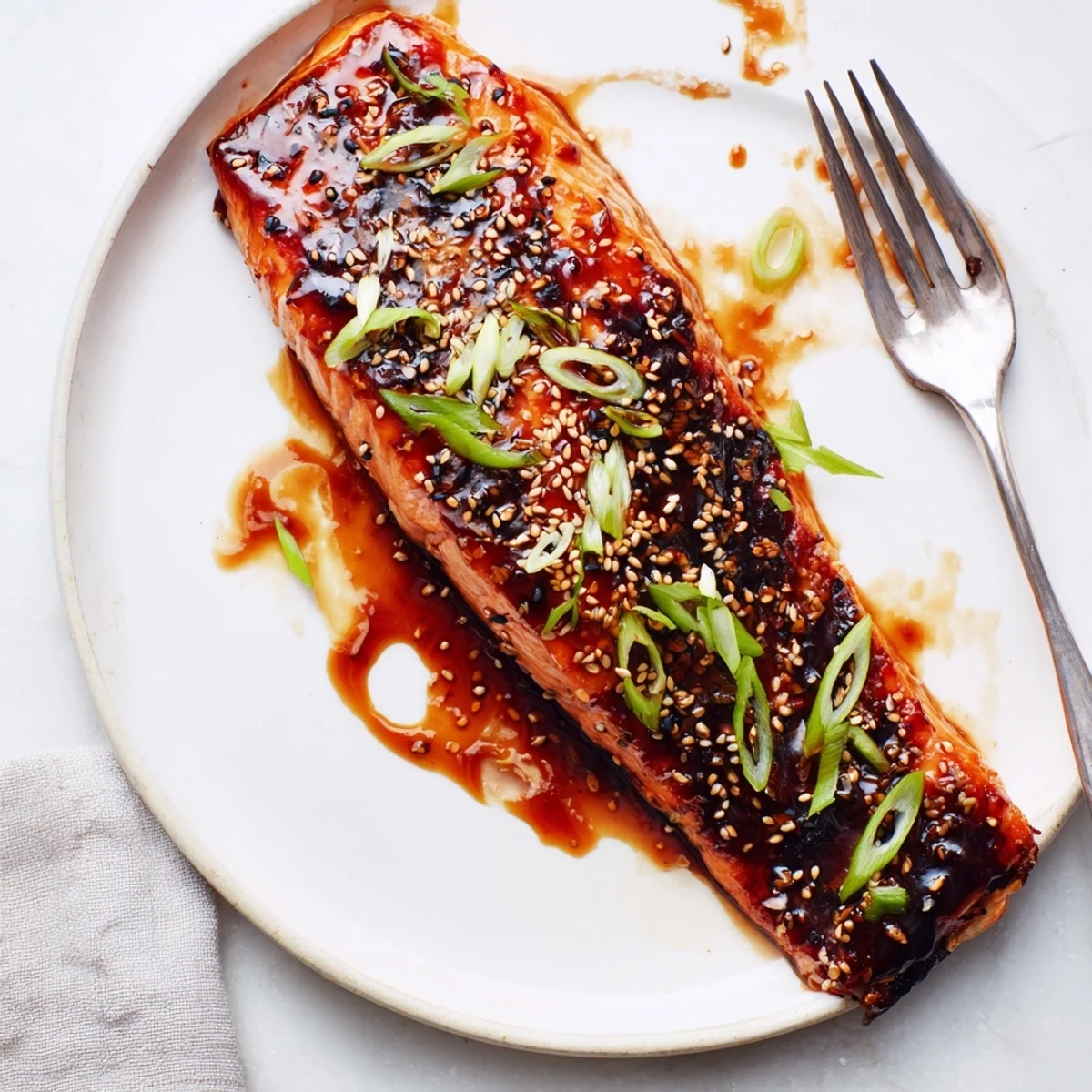
Save This gluten-free teriyaki salmon brings bold Asian flavors to your table in just 25 minutes. Succulent skin-on salmon fillets are brushed with a homemade sweet and tangy tamari-maple glaze, then baked to flaky perfection.
The teriyaki sauce comes together easily on the stovetop using pantry staples like tamari, maple syrup, rice vinegar, sesame oil, garlic, and ginger. A quick cornstarch slurry gives it that classic glossy, thick coating.
Serving four and packed with 32g of protein per portion, this dish pairs beautifully with steamed jasmine rice or sautéed vegetables for a satisfying weeknight meal.
The sizzle of salmon hitting a hot pan is one of those sounds that makes everyone in the house wander toward the kitchen. My sister walked in last Tuesday asking what smelled so good, and within minutes she was leaning against the counter stealing bites straight from the tray. This gluten free teriyaki salmon has become my go-to when I want something impressive without the fuss.
I started making this for my friend who avoids gluten, and honestly the rest of us never noticed anything was missing. The maple syrup and rice vinegar create this glossy, caramelized glaze that rivals any restaurant version I have tried.
Ingredients
- 4 skin on salmon fillets (about 150g each): Skin on matters here because it protects the flesh during baking and keeps everything incredibly moist underneath that glaze.
- 60 ml gluten free tamari: This is your soy sauce replacement and the backbone of every ounce of umami flavor in the dish.
- 60 ml pure maple syrup: Balanced sweetness that thickens beautifully when reduced, and it works perfectly with the salty tamari.
- 2 tbsp rice vinegar: Adds just enough tang to keep the sauce from being cloying and rounds out the flavor profile.
- 1 tbsp sesame oil: A little goes a long way and gives that unmistakable toasty, nutty aroma.
- 2 cloves garlic, minced: Fresh garlic only, the jarred stuff cannot compete with the sharpness you want here.
- 1 tsp fresh ginger, grated: Grate it fine so it melts into the sauce rather than leaving chunky bits behind.
- 1 tsp cornstarch plus 2 tsp cold water: This slurry is the secret to a sauce that clings to the fish instead of running off onto the tray.
- 1 tsp toasted sesame seeds: Mostly for crunch and visual appeal, but they add a lovely finishing touch of flavor too.
- 2 spring onions, thinly sliced: Scatter these on at the very end for a fresh, mild bite that cuts through the richness.
Instructions
- BUILD THE SAUCE:
- Combine tamari, maple syrup, rice vinegar, sesame oil, garlic, and ginger in a small saucepan and bring it to a gentle simmer over medium heat. You will know it is ready when you can smell the garlic and ginger blooming into the liquid.
- THICKEN IT UP:
- Whisk the cornstarch and cold water together in a small bowl until smooth, then stream it into the simmering sauce while stirring constantly. Keep cooking for about two more minutes until the sauce coats the back of a spoon and looks beautifully glossy.
- PREP THE OVEN:
- Heat your oven to 200 degrees Celsius (400 Fahrenheit) and line a baking tray with parchment paper so cleanup is effortless later.
- GLAZE THE SALMON:
- Lay the fillets skin side down on the tray and brush them generously with the teriyaki sauce, saving a little extra for serving. Really coat the edges and sides too, not just the top.
- BAKE TO PERFECTION:
- Slide the tray into the oven and bake for 12 to 15 minutes until the salmon flakes apart easily when you twist a fork in the thickest part. The internal temperature should read about 55 degrees Celsius for perfectly medium salmon.
- FINISH AND SERVE:
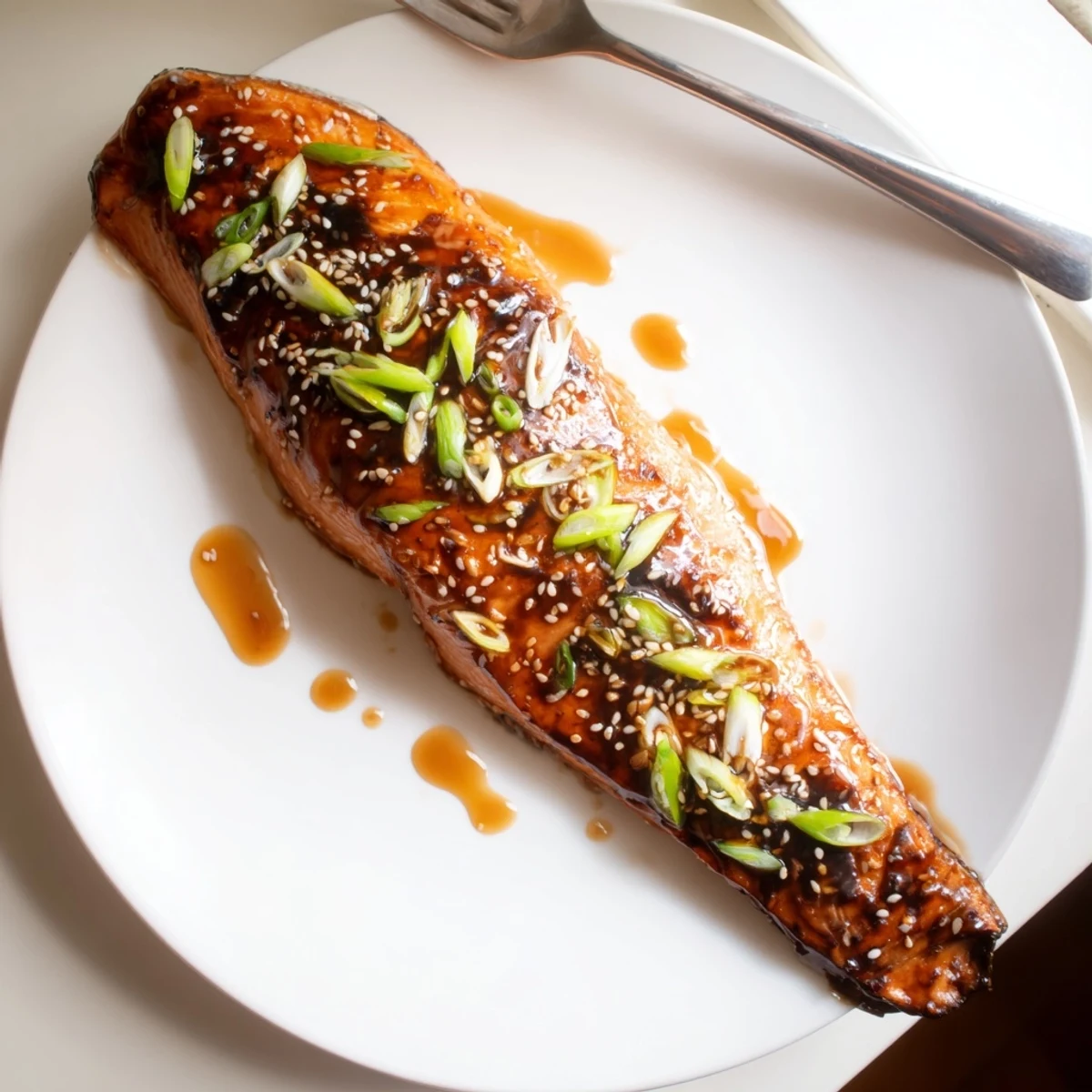
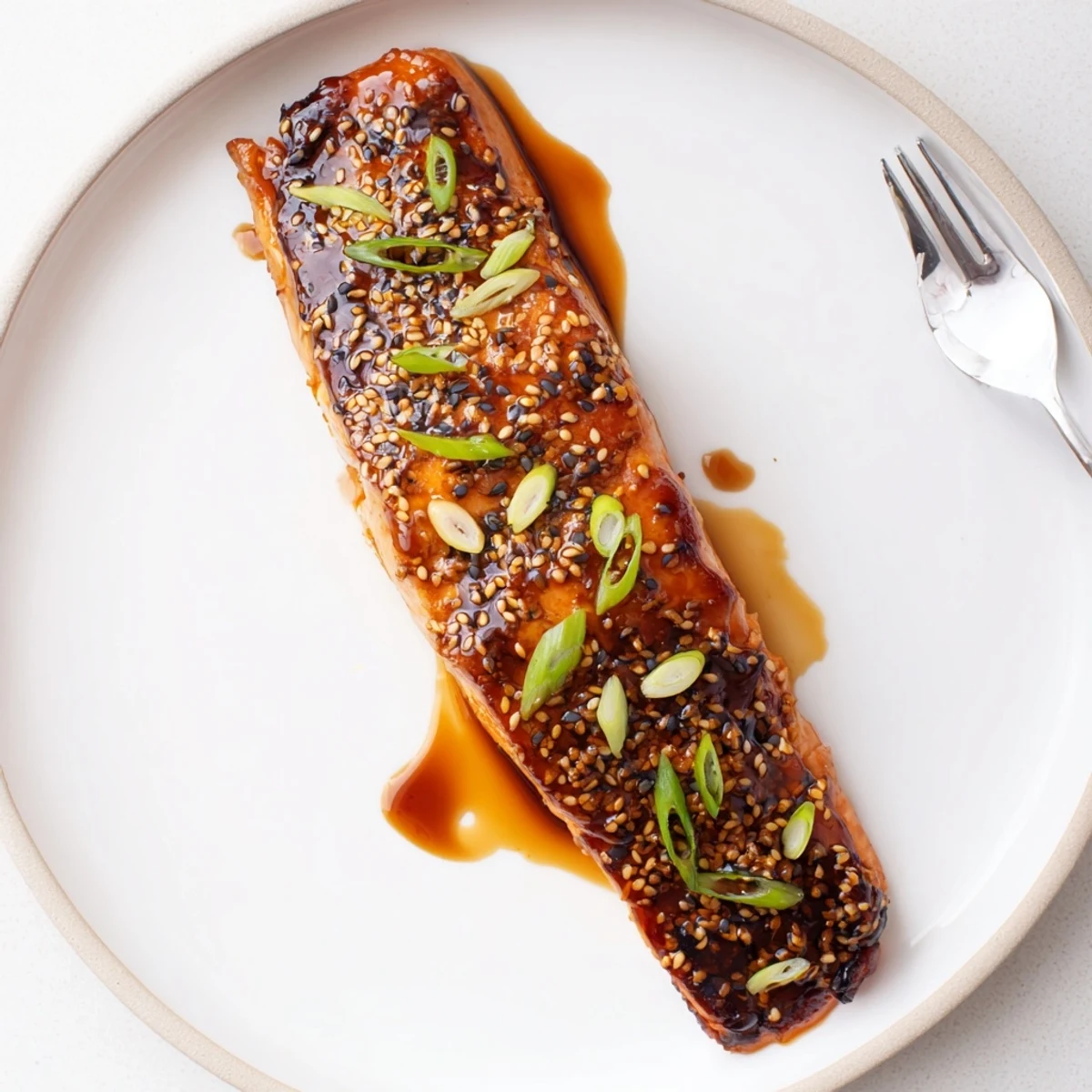
- Sprinkle toasted sesame seeds and sliced spring onions over the top and drizzle with any remaining sauce. Serve immediately alongside steamed rice or sauteed vegetables.
 Save
Save The night I served this to my family, my dad actually put down his phone and asked for seconds. That quiet moment of everyone eating without distraction told me this recipe was a keeper.
Serving Suggestions That Actually Work
Steamed jasmine rice is the obvious companion, but I have also served this over cauliflower rice when I wanted something lighter and it was equally satisfying. Sautéed bok choy or a quick cucumber salad with rice vinegar dressing rounds things out beautifully.
Adjusting the Sweetness and Heat
If you prefer a less sweet glaze, start with three tablespoons of maple syrup instead of the full quarter cup and taste before adding more. A pinch of red chili flakes stirred into the sauce adds a gentle warmth that works wonderfully without overpowering the fish.
Making It Your Own
Once you have the base sauce memorized, try swapping honey for the maple syrup for a slightly floral sweetness, or add a splash of orange juice for brightness. The technique stays the same, so experiment freely once you feel confident.
- Pat the salmon completely dry before glazing so the sauce adheres properly.
- Leftovers keep well in the fridge for up to two days and make an incredible cold lunch over salad greens.
- Always let the salmon rest for a minute after baking so the juices redistribute before you serve.
 Save
Save This is the kind of recipe that makes weeknight cooking feel like a small celebration rather than a chore. Share it with someone who thinks gluten free food is boring, and watch them change their mind.
Recipe FAQs
- → Can I use regular soy sauce instead of tamari?
-
You can, but tamari is the preferred choice for keeping this dish gluten-free. Regular soy sauce contains wheat. If gluten isn't a concern for you, standard soy sauce works perfectly fine in the sauce.
- → How do I know when the salmon is done cooking?
-
The salmon is ready when it flakes easily with a fork. This typically takes 12-15 minutes in a 200°C (400°F) oven. The internal temperature should reach 63°C (145°F) for food safety.
- → Can I pan-sear the salmon instead of baking?
-
Absolutely. Sear the fillets skin-side down in an oven-safe skillet for about 4 minutes, then flip and cook another 3-4 minutes. Baste with the teriyaki sauce during the last minute for a beautiful caramelized glaze.
- → What sides go well with teriyaki salmon?
-
Steamed jasmine rice is a classic pairing that soaks up the extra sauce. Sautéed bok choy, stir-fried vegetables, or a simple cucumber salad also complement the rich, sweet-savory flavors beautifully.
- → Can I make the teriyaki sauce ahead of time?
-
Yes, the sauce stores well in an airtight container in the refrigerator for up to one week. Gently reheat it on the stove or in the microwave before brushing onto the salmon.
- → Is there a substitute for maple syrup in the sauce?
-
Honey is a great alternative that adds a slightly different floral sweetness. Coconut sugar or brown sugar dissolved in a splash of warm water can also work if you prefer a deeper, molasses-like flavor.