
 Save
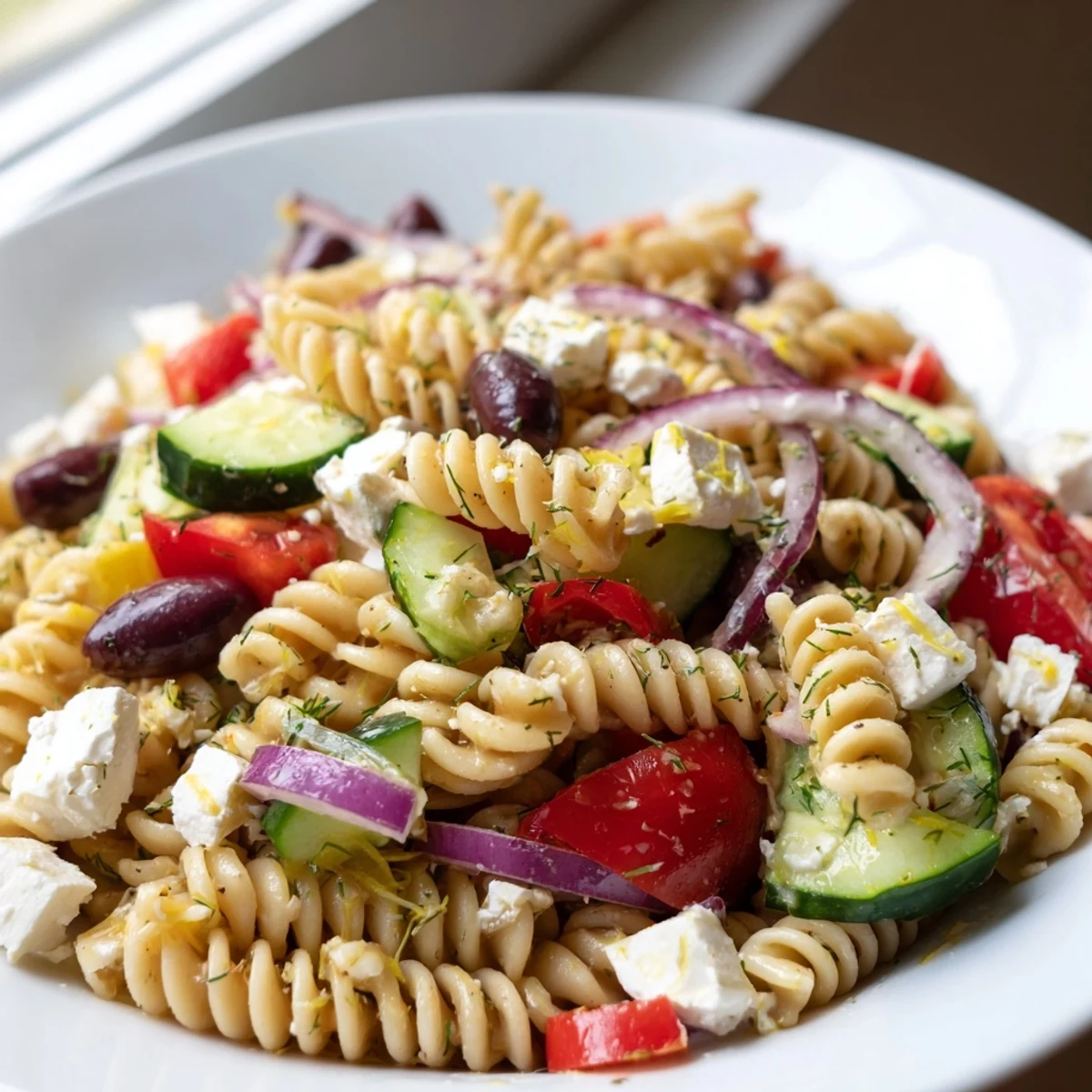
Save This Greek pasta salad comes together in just 30 minutes, making it an ideal choice for busy weeknights, outdoor picnics, or potluck gatherings. Tender short pasta is tossed with crunchy cucumbers, juicy cherry tomatoes, briny Kalamata olives, and creamy feta cheese.
A homemade dressing of extra virgin olive oil, red wine vinegar, dried oregano, garlic, and bright lemon zest ties everything together beautifully. Simply cook the pasta, chop fresh vegetables, whisk the dressing, and combine.
Refrigerate for at least 15 minutes before serving to let the flavors meld. This vegetarian dish serves four and pairs wonderfully with grilled proteins or crusty bread.
The summer my neighbor Elena brought a massive bowl of Greek pasta salad to our block party, I stood near the food table for twenty minutes pretending to chat while sneaking forkfuls. Something about the briny olives, the creamy crumbles of feta, and that bright lemony dressing had me completely hooked. I went home that night and made my own batch before the dishes were even done. It has been in steady rotation ever since, showing up at every barbecue, beach picnic, and lazy Sunday lunch I host.
I once made this for a friend who swore she hated olives, and she polished off two bowls without realizing what she was eating. The saltiness gets tempered by the dressing and the sweetness of the tomatoes, and suddenly those little purple bites become the whole point of the dish.
Ingredients
- Short pasta (300 g penne, rotini, or fusilli): The ridges and twists grab the dressing in a way smooth pasta never will, so choose something with texture.
- English cucumber (1, diced): English cucumbers have fewer seeds and thinner skin, which keeps the salad from getting watery overnight.
- Red bell pepper (1, diced): Adds a satisfying crunch and a pop of sweetness that balances the salty, briny elements throughout the bowl.
- Cherry tomatoes (200 g, halved): Grape or cherry tomatoes hold their shape better than larger varieties, and their concentrated sweetness really matters here.
- Red onion (1 small, thinly sliced): Soak the slices in ice water for five minutes if you find raw onion too aggressive, and it mellows the bite beautifully.
- Kalamata olives (100 g, pitted and halved): These are nonnegotiable for real Greek flavor, and halving them distributes that briny punch evenly.
- Feta cheese (150 g, cubed or crumbled): Use block feta packed in brine rather than precrumbled, because the texture and tanginess are vastly superior.
- Fresh parsley (2 tbsp, chopped): Flat leaf parsley adds a fresh, grassy note that ties all the Mediterranean flavors together.
- Fresh dill (1 tbsp, chopped, optional): Dill brings an unexpected layer that makes people ask what your secret ingredient is.
- Extra virgin olive oil (4 tbsp): Since this is a raw dressing, use the good stuff, because you will absolutely taste the difference.
- Red wine vinegar (2 tbsp): Provides the right level of acidity without overpowering the other flavors the way lemon juice sometimes can.
- Dried oregano (1 tsp): Rub it between your palms before adding to wake up the essential oils and release far more aroma.
- Garlic (1 clove, minced): One clove is enough to give depth without taking over, especially since it sits raw in the dressing.
- Salt (1/2 tsp): The feta and olives already contribute salt, so start conservative and adjust at the end.
- Freshly ground black pepper (1/4 tsp): A gentle warmth rather than heat, which is exactly what this salad needs.
- Lemon zest (from 1 lemon): This is the quiet hero of the dressing, adding a floral brightness that vinegar alone cannot achieve.
Instructions
- Boil the pasta:
- Cook your short pasta in well salted boiling water until just al dente, then drain immediately and rinse under cold running water until completely cool. This stops the cooking and washes away excess starch so the dressing clings without turning gummy.
- Build the salad base:
- Tumble the cooled pasta into a large bowl with the diced cucumber, red bell pepper, halved cherry tomatoes, sliced red onion, and halved Kalamata olives. Give everything a gentle toss so the colors and textures are evenly distributed before the dressing goes in.
- Whisk the dressing:
- In a small bowl, combine the olive oil, red wine vinegar, dried oregano, minced garlic, salt, pepper, and lemon zest, then whisk until the mixture looks creamy and unified. Taste it on a piece of cucumber and adjust the salt or vinegar if it needs more punch.
- Dress the salad:
- Pour the dressing over the pasta and vegetables, then toss thoroughly so every piece glistens and no pocket of dry pasta hides at the bottom. Take your time here because even coating is what separates a great pasta salad from a mediocre one.
- Add the finishing touches:
- Gently fold in the feta, chopped parsley, and dill with a light hand so the feta stays in chunky pieces rather than turning to paste. The cheese should be visible and creamy, not disappeared into the dressing.
- Chill before serving:
- Cover and refrigerate for at least fifteen minutes so the flavors settle and marry, though an hour is even better if you have the patience. Give it one final toss right before serving and taste for seasoning one last time.
 Save
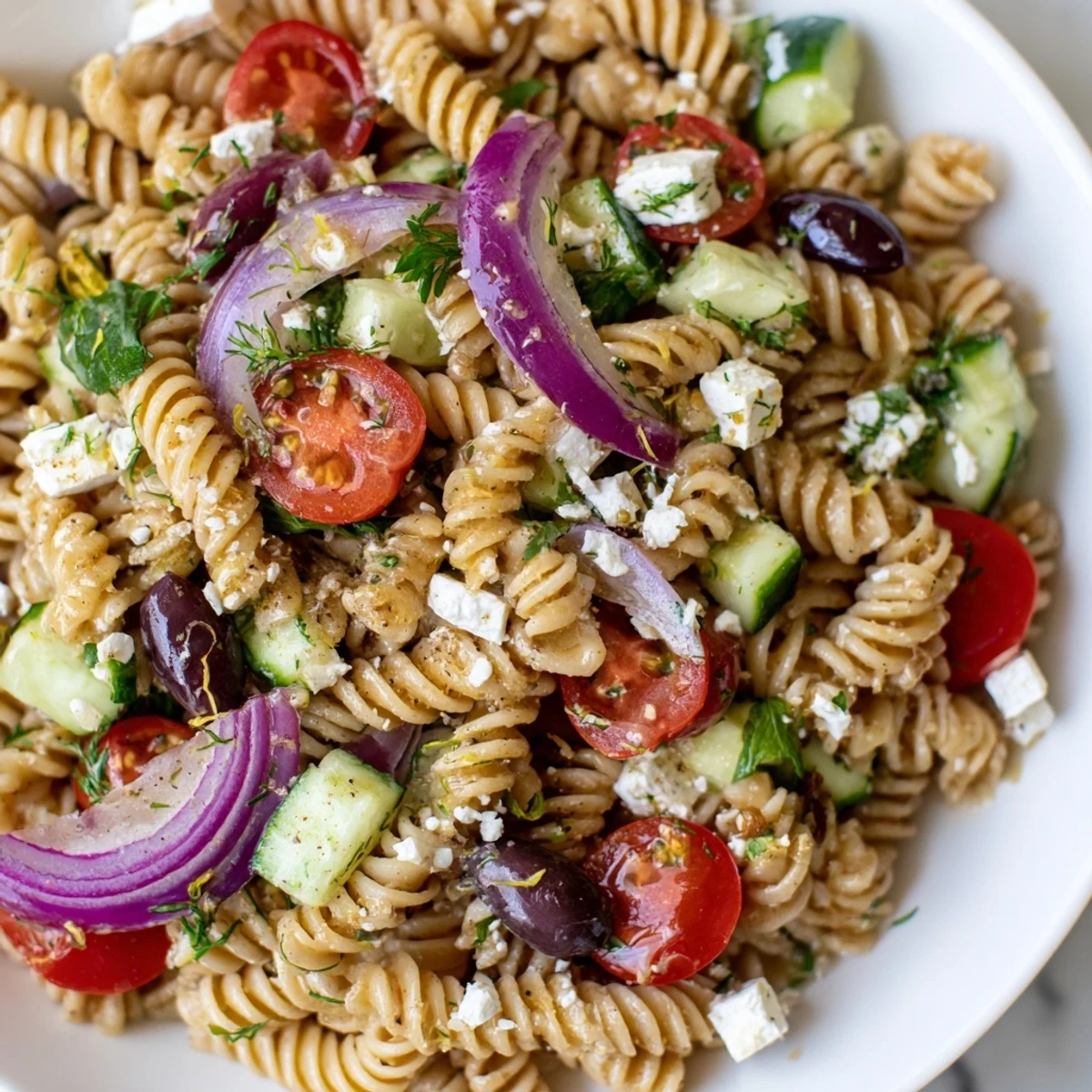
Save There is something about pulling a cold, glistening bowl of this salad from the fridge on a hot afternoon that feels like a small gift to yourself. The colors deepen, the feta softens just slightly, and every bite carries that perfect balance of salty, tangy, and fresh.
Making It Your Own
This recipe is endlessly flexible once you understand the blueprint of pasta, crisp vegetables, something briny, something creamy, and a bold dressing. I have tossed in chickpeas for protein on nights when it needed to stand alone as dinner, and grilled chicken turns it into something hearty enough for a crowd.
Pairing and Serving
A glass of cold Sauvignon Blanc beside this salad on a warm evening is honestly hard to beat. The crisp acidity of the wine mirrors the vinegar and lemon in the dressing, and the whole meal feels effortlessly put together without turning on the oven.
Storing and Planning Ahead
This is one of those rare salads that genuinely improves overnight, making it the perfect make ahead dish for potlucks or busy weeks.
- Store it covered in the refrigerator for up to two days, though the vegetables will soften slightly by day two.
- Add a splash of olive oil and a squeeze of lemon before serving leftovers to refresh the dressing.
- Always check labels on store bought olives and feta if allergies are a concern, because hidden allergens can appear in unexpected places.
 Save
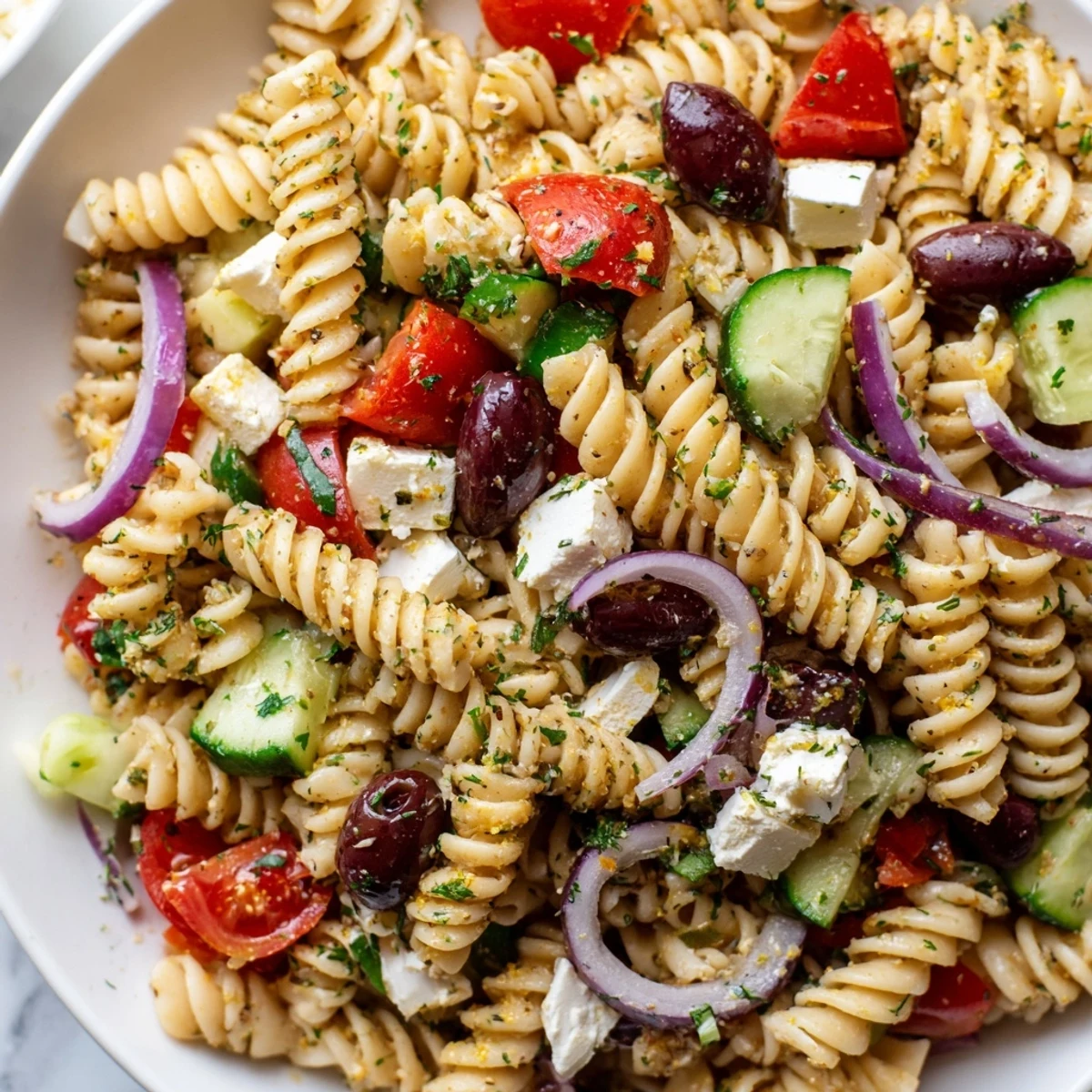
Save Keep this one in your back pocket all summer long, and watch it disappear wherever you bring it. A bowl this colorful and satisfying never lasts long.
Recipe FAQs
- → What type of pasta works best for this Greek salad?
-
Short pasta shapes like penne, rotini, or fusilli are ideal because they hold the dressing well and mix evenly with the chopped vegetables. Their ridges and curves catch bits of feta and herbs in every bite.
- → Can I make Greek pasta salad ahead of time?
-
Yes, this salad actually benefits from resting. You can prepare it up to a day in advance and store it covered in the refrigerator. The flavors deepen and meld as it sits. Give it a gentle toss before serving.
- → How should I store leftover Greek pasta salad?
-
Store leftovers in an airtight container in the refrigerator for up to three days. The pasta may absorb some dressing overnight, so you can drizzle a little extra olive oil and a splash of vinegar to refresh it before serving.
- → What can I substitute for feta cheese?
-
Crumbled goat cheese or a firm ricotta salata work as alternatives. For a dairy-free version, try marinated tofu cubes seasoned with lemon juice and nutritional yeast to mimic the tangy, salty profile of feta.
- → Can I add protein to make this a complete meal?
-
Absolutely. Grilled chicken breast, chickpeas, or sliced gyro meat pair perfectly with the Mediterranean flavors. Flaked salmon or shrimp also work well for a heartier dish.
- → Why rinse the pasta after cooking?
-
Rinsing cooled water removes excess starch from the pasta surface, which prevents it from becoming gummy and helps the dressing coat each piece evenly. It also stops the cooking process so the pasta stays firm.