
 Save
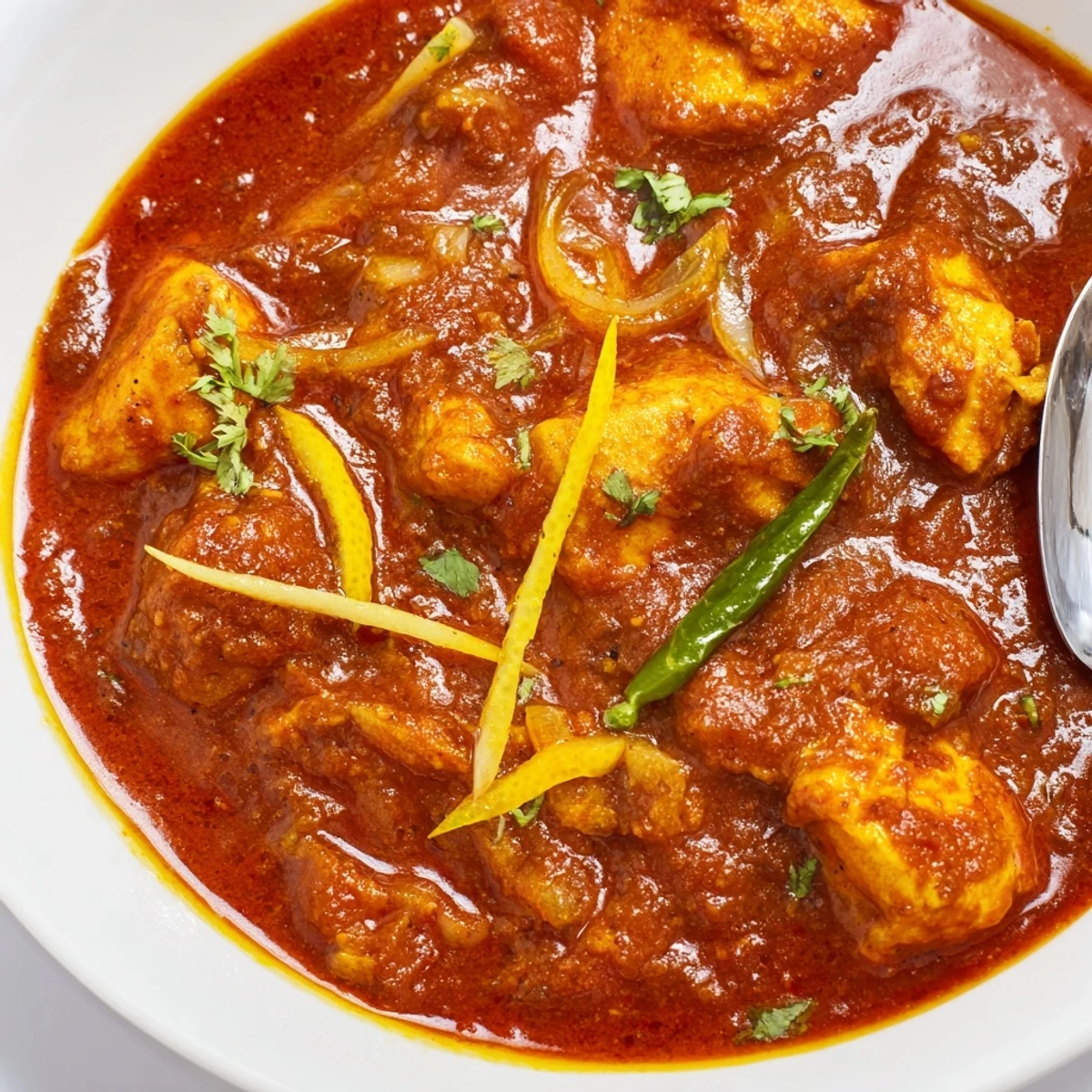
Save This homemade Indian chicken curry layers toasted whole spices, sautéed onions, garlic, and ginger with ground cumin, coriander, turmeric and chili powder. Chicken thighs are browned, stirred with yogurt to enrich the sauce, then simmered in broth until tender. Finish with garam masala and lemon, garnish with cilantro and serve with basmati rice or naan.
The smell of toasted whole spices hitting hot ghee will stop you mid-sentence every single time. My neighbor once knocked on my door convinced I was running a restaurant out of my kitchen. That was just a Tuesday night and this chicken curry was the culprit.
I made this for a friend who claimed she did not like Indian food and watched her go back for thirds with extra naan. She now texts me every couple of weeks asking for the recipe and I just send her a photo of the cinnamon stick in my pantry.
Ingredients
- 800 g boneless chicken thighs: Thighs are non negotiable here because breast meat dries out during the simmer and loses all that tenderness you want.
- 2 medium onions finely chopped: Take the time to get them truly golden brown because this is the sweet foundation of your entire curry sauce.
- 3 cloves garlic minced: Fresh garlic makes a noticeable difference so skip the jarred version if you can.
- 1 tbsp fresh ginger grated: Use a microplane for the finest grate which helps it melt right into the sauce without stringy bits.
- 2 medium tomatoes chopped: Roma or vine ripened tomatoes give the best balance of acidity and sweetness.
- 2 green chilies sliced: These are optional but they add a fresh heat that dried chili powder alone cannot replicate.
- 1 handful fresh cilantro chopped: Save this for the very end so the bright herbal note stays vibrant.
- 1 1/2 tsp ground cumin: Toasting it briefly with the other ground spices wakes up its warm earthy character.
- 1 1/2 tsp ground coriander: This adds a subtle citrus undertone that balances the heavier spices beautifully.
- 1 tsp turmeric powder: A little goes a long way and it gives the dish its signature golden hue.
- 1 1/2 tsp garam masala: Always add this toward the end of cooking because its delicate aromatics fade with prolonged heat.
- 1 tsp chili powder: Adjust up or down depending on your tolerance but even a modest amount rounds out the flavor profile.
- 1 tsp salt: Taste and adjust at the end because the yogurt and broth already contribute some sodium.
- 1/2 tsp black pepper: Freshly cracked is always better and adds a gentle warmth without extra heat.
- 2 bay leaves 4 whole cloves 4 green cardamom pods 1 cinnamon stick: These whole spices perfume the oil first and create an aromatic base you simply cannot get from powders alone.
- 150 ml plain yogurt: Bring it to room temperature before adding and stir constantly to prevent any curdling.
- 3 tbsp vegetable oil or ghee: Ghee gives a richer more authentic flavor but a neutral oil works perfectly well.
- 200 ml water or chicken broth: Broth adds another layer of savory depth while water lets the spices shine more prominently.
- Juice of 1/2 lemon: A final squeeze of acidity brightens the whole pot and ties every flavor together.
Instructions
- Wake up the whole spices:
- Heat the oil or ghee in a large heavy bottomed pan over medium heat and drop in the bay leaves cloves cardamom pods and cinnamon stick. Stand there and breathe it in for about a minute until your kitchen smells like a spice market.
- Build the onion base:
- Add the chopped onions and stir often as they slowly turn a deep golden brown which takes about eight minutes. Do not rush this step because the sweetness and color here define your curry.
- Add the aromatics:
- Stir in the garlic and ginger and cook for just one minute until fragrant. You will hear a slight sizzle and smell an instant punch of warmth.
- Cook down the tomatoes:
- Toss in the chopped tomatoes and green chilies and let them cook until they break down and the mixture thickens around four minutes. The oil will start to separate from the edges when this stage is done.
- Bloom the ground spices:
- Add the cumin coriander turmeric chili powder salt and black pepper. Stir everything well and cook for two minutes so the spices toast and release their full flavor into the paste.
- Brown the chicken:
- Add the chicken pieces and toss them to coat completely with the spiced masala. Cook for about five minutes until the outside is lightly browned and sealed on all sides.
- Incorporate the yogurt:
- Pour in the yogurt gradually while stirring continuously so it blends smoothly without curdling. The sauce will turn a beautiful creamy color.
- Simmer to tenderness:
- Add the water or broth bring everything to a gentle simmer then cover and cook for twenty to twenty five minutes. The chicken should be completely cooked through and fork tender.
- Finish with garam masala and lemon:
- Stir in the garam masala and lemon juice and simmer uncovered for three to five more minutes to let the sauce thicken. Remove the whole spices before serving and top with fresh cilantro.
 Save
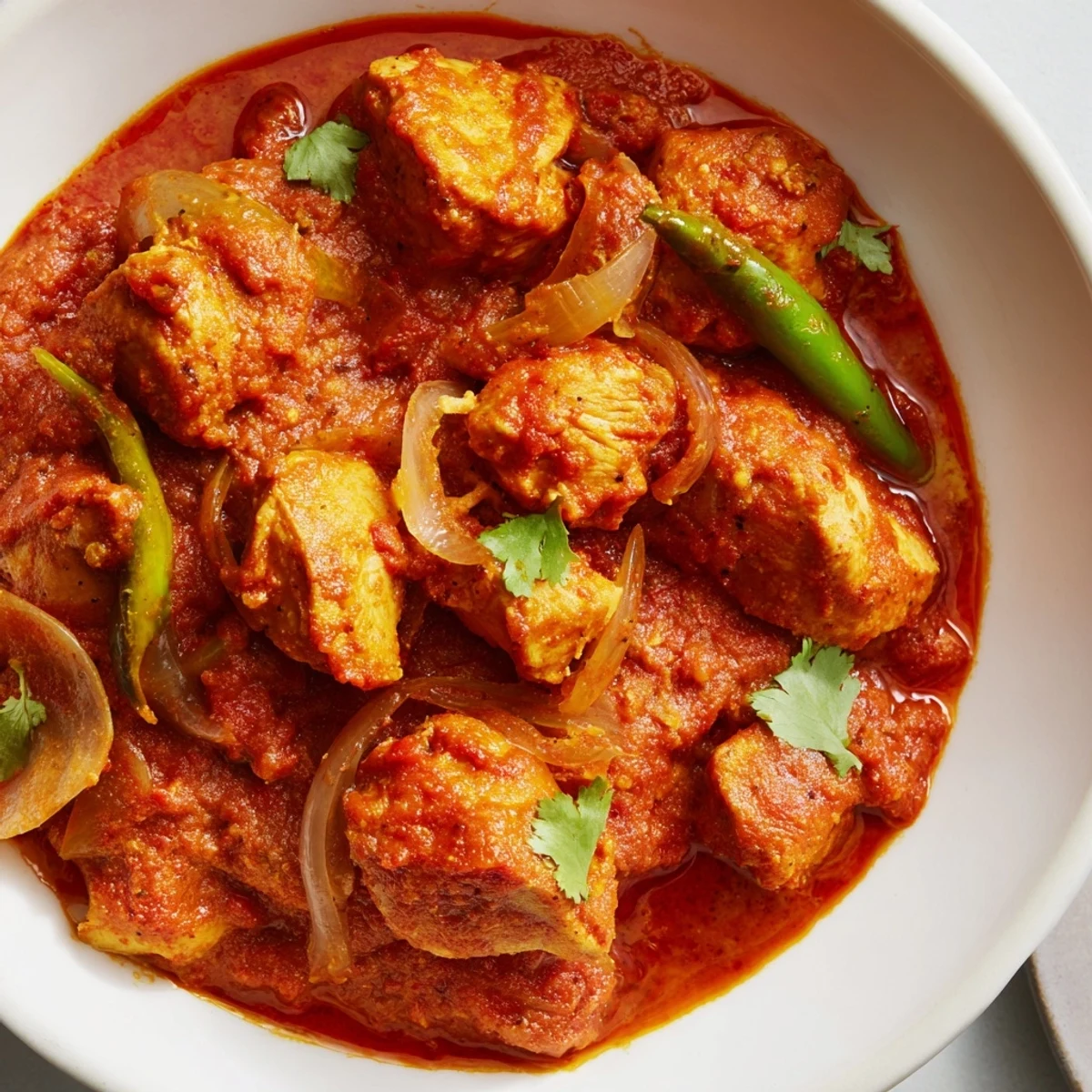
Save There is something about a pot of curry simmering on the stove that turns an ordinary evening into an event. People gather in the kitchen without being asked.
Serving Suggestions That Actually Work
Steamed basmati rice is the obvious pairing and honestly you cannot go wrong there. I also love tearing off pieces of warm naan and using them to scoop up the sauce directly which feels far more satisfying than using a spoon.
Making It Your Own
Splash in some coconut milk at the very end if you want a creamier milder version that kids tend to love. You can also swap in bone in chicken pieces for a richer deeper flavored broth but increase the simmer time by about ten minutes to ensure the meat falls off the bone.
Storage and Leftovers
This curry is one of those rare dishes that tastes even better the next day when the spices have had time to settle and mingle. Store it in an airtight container in the refrigerator for up to three days and reheat gently on the stove with a splash of water.
- Freeze individual portions for up to two months and thaw overnight in the fridge.
- Avoid microwaving on high because the chicken will toughen and the sauce can separate.
- Always taste for salt after reheating because flavors tend to mellow overnight.
 Save
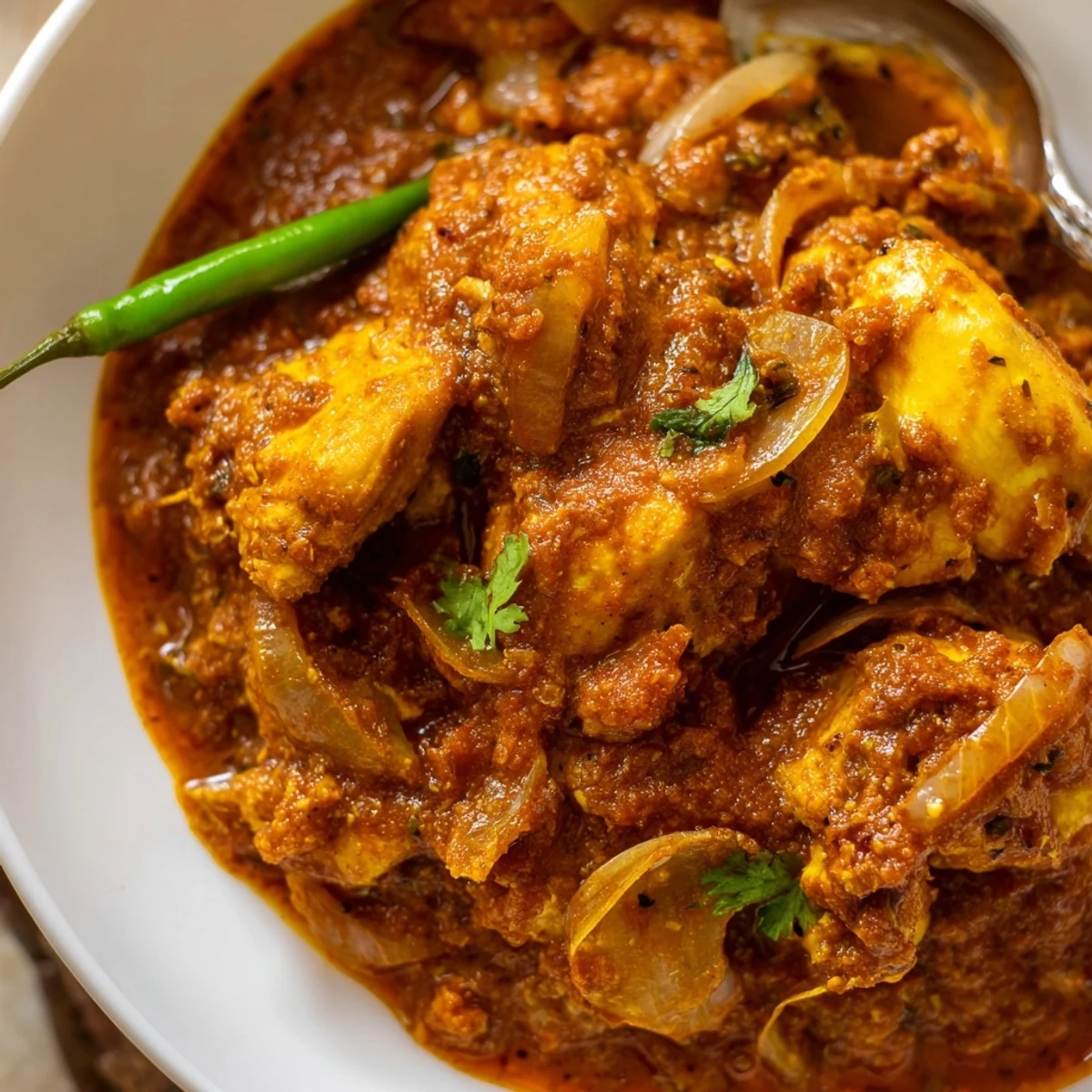
Save Share this with someone who thinks homemade curry is too complicated because one taste will change their mind entirely.
Recipe FAQs
- → How long does the dish take to cook?
-
Allow about 40 minutes of active cooking: browning the chicken and building the sauce, then a 20–25 minute gentle simmer until the thighs are tender and the flavors meld.
- → How can I control the heat level?
-
Adjust chili powder and green chilies to taste. Remove seeds or use fewer chilies for milder heat, or add a pinch more chili powder for a spicier finish.
- → Will the yogurt curdle when added?
-
Temper the yogurt by stirring it in gradually and keep the pan at low to medium heat; stirring continuously helps prevent curdling and yields a smooth, creamy sauce.
- → What can I substitute for boneless thighs?
-
Bone-in chicken pieces can be used for richer flavor—extend the simmering time until cooked through. White meat works too but may be slightly drier; adjust cooking time accordingly.
- → Can I make this ahead and reheat?
-
Yes. Flavors deepen after resting. Refrigerate in an airtight container for up to 3 days and reheat gently on the stovetop with a splash of water or broth to loosen the sauce.
- → What sides pair best with this curry?
-
Steamed basmati rice, jeera rice, or warm flatbreads like naan or roti complement the sauce. A cooling raita or simple cucumber salad balances the spices.