
 Save
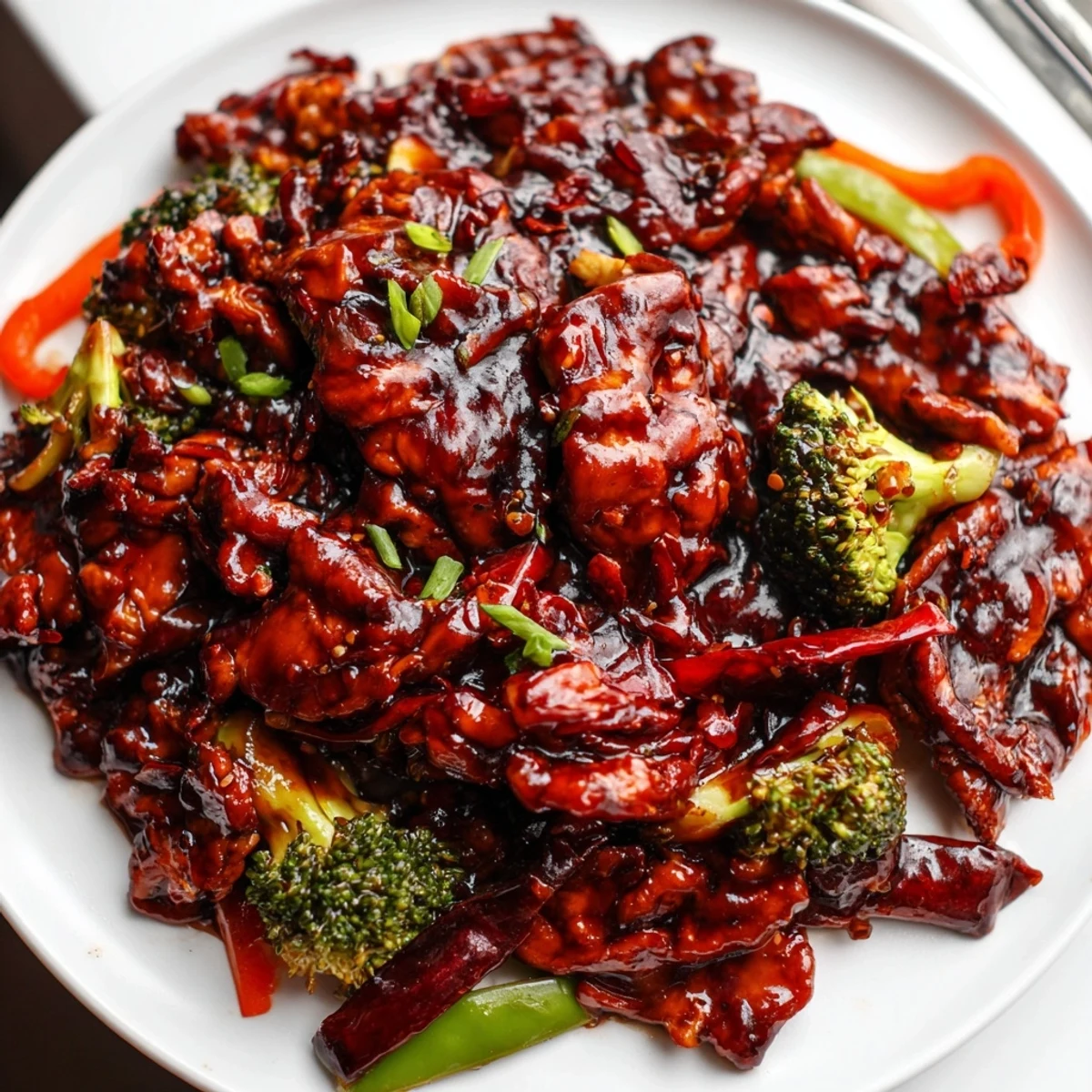
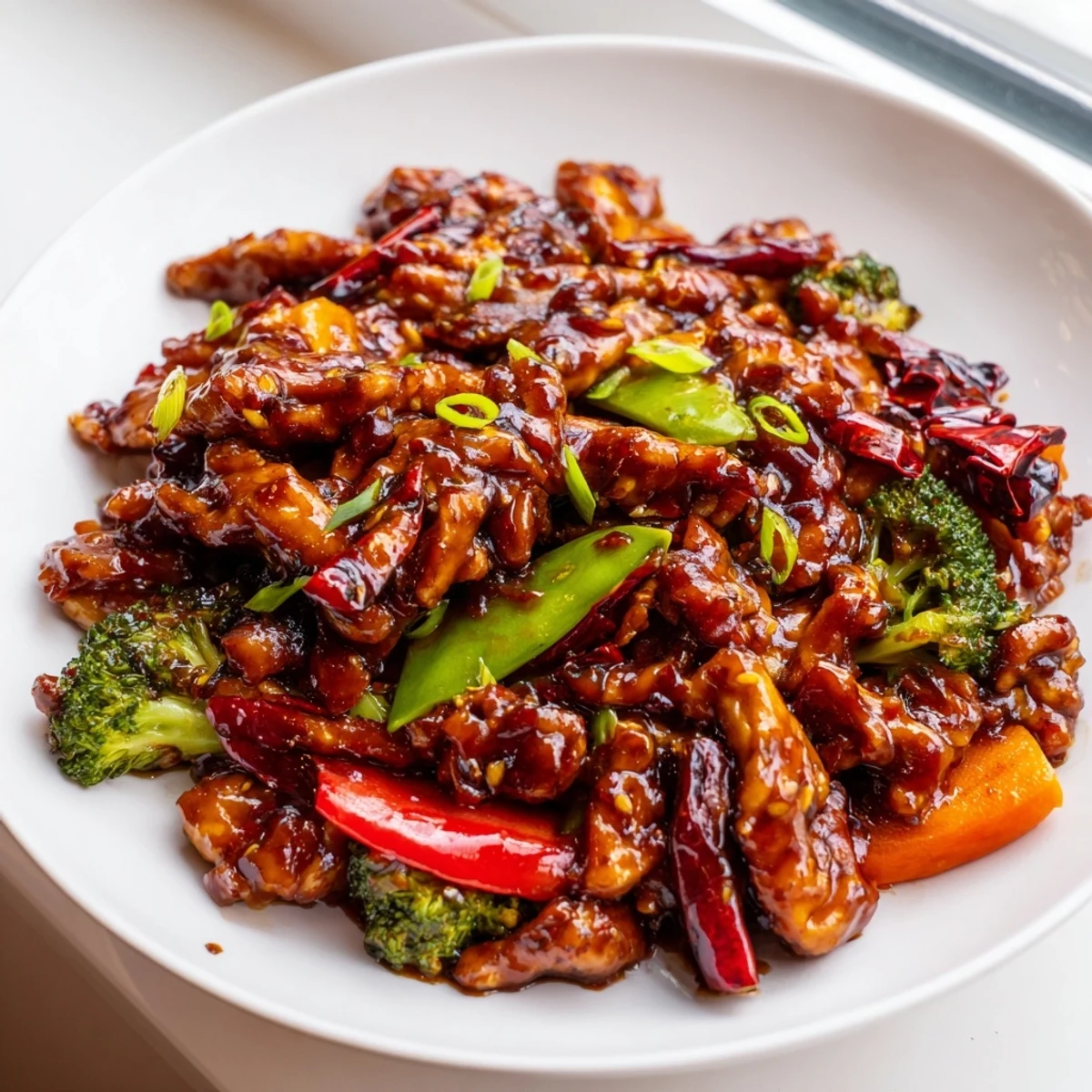
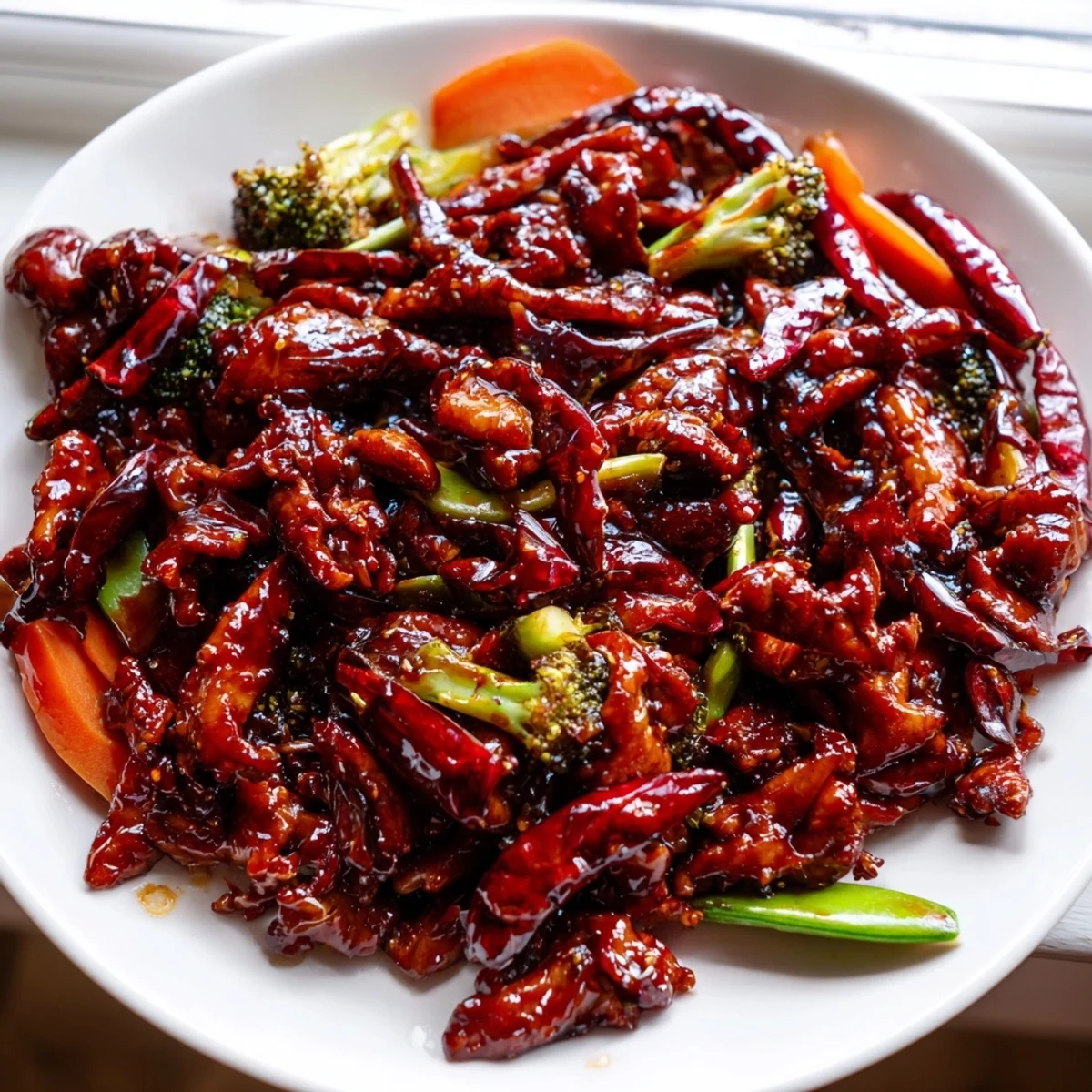
Save Hunan chicken is a fiery Chinese stir-fry that brings together thinly sliced chicken breast, colorful bell peppers, broccoli, snow peas, and carrot in a rich chili-garlic sauce. The chicken is marinated with soy sauce, Shaoxing wine, and cornstarch for extra tenderness before being seared in a blazing wok.
The sauce balances heat from chili paste with savory oyster sauce, a splash of rice vinegar, and a hint of sugar. Everything comes together in under 35 minutes, making it an ideal weeknight dinner served over steamed jasmine rice.
The sizzle of chicken hitting a screaming hot wok is one of those sounds that instantly transports me back to a tiny apartment kitchen where my friend Lily taught me the difference between stir frying and just cooking stuff in a pan. She flicked water droplets into the oil to test the temperature, a trick that felt almost reckless at the time but now feels like second nature. Hunan Chicken was her signature, a dish that arrived at the table glossy, fiery, and impossibly fragrant. I burned my tongue on the first bite and went back for seconds anyway.
I started making this on weeknights when the craving hit hard but patience was thin. My roommate at the time would hear the wok come out of the cabinet and appear in the kitchen doorway within seconds, leaning against the frame with that expectant look. There is something about the smell of toasted chili paste and garlic hitting hot oil that pulls people closer before you even call them to the table.
Ingredients
- Chicken breast (500 g, thinly sliced): Slice against the grain on a slight bias for pieces that stay tender and cook evenly in the wok.
- Soy sauce (1 tbsp for marinade, 2 tbsp for sauce): The marinade portion seasons the meat from within while the sauce soy provides that deep, salty backbone.
- Shaoxing wine (1 tbsp): Dry sherry works in a pinch, but Shaoxing wine adds a subtle sweetness that rounds out the marinade beautifully.
- Cornstarch (1 tsp for marinade, 1 tsp for slurry): The marinade cornstarch creates a velvety coating on the chicken while the slurry thickens the sauce at the end.
- Red and green bell peppers (1 each, sliced): Using both colors is not just pretty, the slight bitterness of the green balances the sweeter red.
- Broccoli florets (100 g): Cut into small, bite sized pieces so they cook through without turning mushy.
- Snow peas (100 g): These bring a fresh snap that contrasts with the rich sauce.
- Carrot (1, sliced thinly): Thin coins cook quickly and add a gentle sweetness.
- Spring onions (2, chopped): Save a handful of the green parts for garnish at the end.
- Garlic (2 cloves, minced): Fresh is non negotiable here, the jarred stuff cannot compete with that sharp, pungent bloom.
- Ginger (1 tsp, minced): A little goes a long way and adds warmth without overpowering the chili.
- Oyster sauce (1 tbsp): This is the secret depth charge in the sauce, thick, savory, and slightly sweet.
- Rice vinegar (1 tbsp): A bright splash of acidity that keeps the whole dish from feeling heavy.
- Sugar (1 tsp): Just enough to tame the aggressive edge of the chili paste.
- Chili paste or chili garlic sauce (2 tsp): Adjust boldly to your tolerance, this is where the Hunan fire lives.
- Chicken stock or water (2 tbsp): A splash of liquid helps the sauce come together and coat everything evenly.
- Vegetable oil (2 to 3 tbsp): Use a neutral oil with a high smoke point since the wok gets very hot.
Instructions
- Tuck the chicken into its marinade:
- Toss the sliced chicken with soy sauce, Shaoxing wine, and cornstarch until every piece is evenly coated. Let it sit for ten minutes while you prep everything else.
- Build the sauce:
- Whisk together the soy sauce, oyster sauce, rice vinegar, sugar, chili paste, and stock in a small bowl. Keep the cornstarch slurry separate for now, it goes in at the very end.
- Sear the chicken fast and hot:
- Heat a tablespoon of oil in your wok over high heat until it just starts to shimmer. Spread the chicken in a single layer and let it sear without stirring for a minute before tossing, then cook until just done and remove it to a plate.
- Wake up the aromatics:
- Add another tablespoon of oil and toss in the garlic, ginger, and spring onion whites. Stir them for about thirty seconds until your kitchen smells absolutely incredible.
- Flash cook the vegetables:
- Pile in the bell peppers, broccoli, snow peas, and carrot. Keep everything moving for two to three minutes so they stay bright and crisp with just a little char.
- Bring it all home:
- Return the chicken to the wok, pour in the sauce, and toss to combine. Drizzle in the cornstarch slurry and stir constantly for one to two minutes until the sauce turns glossy and clings to every surface.
 Save
Save One rainy Tuesday I made this for a friend who claimed she did not like spicy food. I dialed the chili back to half a teaspoon and watched her go back for a third helping, then ask for the recipe before her coat was even on.
Choosing the Right Wok Makes All the Difference
A well seasoned carbon steel wok is my go to for this dish because it gets screaming hot and holds that heat even when you load it with vegetables. If you only have a large stainless steel or cast iron skillet, that works too, just make sure it is fully preheated before anything goes in. Avoid nonstick pans for stir frying at high temperatures, they cannot handle the heat and you will miss that essential smoky char.
Vegetable Prep Is the Real Secret
Everything moves fast once the wok is hot, so having your vegetables washed, sliced, and arranged within arm reach is not optional. I learned this the hard way when I turned to grab the broccoli and came back to a wok full of charred garlic. Cut everything to roughly uniform sizes so it all finishes cooking at the same time.
Serving and Storing Your Hunan Chicken
This dish is at its absolute best the moment it leaves the wok, sauce still bubbling and vegetables still snapping. Spoon it over freshly steamed jasmine rice and scatter those reserved spring onion greens on top.
- Leftovers keep well in an airtight container in the refrigerator for up to three days.
- Reheat gently in a skillet with a splash of water to loosen the sauce back up.
- Freeze individual portions for quick lunches, though the vegetables will soften slightly upon thawing.
 Save
Save Keep a bowl of rice ready and the wok hot, because once you start making this, it will become a regular in your weeknight rotation. Some dishes earn their place in the kitchen through sheer, reliable deliciousness.
Recipe FAQs
- → What makes Hunan chicken different from Szechuan chicken?
-
Hunan chicken features a simpler, darker chili-based heat that is more straightforward and earthy. Szechuan chicken relies on Sichuan peppercorns that create a numbing, tingling sensation alongside the spice.
- → Can I use chicken thighs instead of chicken breast?
-
Yes, boneless skinless chicken thighs work great and stay juicier. Slice them thinly just like breast meat and adjust the cooking time by an extra minute or two to ensure they cook through properly.
- → How do I get the best stir-fry results at home?
-
Use the highest heat possible and cook in batches to avoid steaming. Make sure your wok or skillet is fully preheated before adding oil, and keep ingredients moving constantly for even charring and crisp-tender textures.
- → What can I substitute for Shaoxing wine?
-
Dry sherry is the closest substitute. You can also use mirin with a splash of rice vinegar, or dry white wine in a pinch. Avoid cooking wine with added salt if possible.
- → How should I store and reheat leftovers?
-
Store cooled leftovers in an airtight container in the refrigerator for up to 3 days. Reheat in a wok or skillet over medium-high heat to maintain the texture of the vegetables, or use a microwave in short bursts.
- → Is there a gluten-free version of this dish?
-
Use tamari instead of soy sauce, a gluten-free oyster sauce alternative, and confirm your chili paste is gluten-free. The remaining ingredients like cornstarch, rice vinegar, and Shaoxing wine are naturally gluten-free.