
 Save
Save This Japanese ramen brings together a deeply flavorful miso-soy broth simmered with garlic and ginger, paired with springy fresh noodles and an array of satisfying toppings.
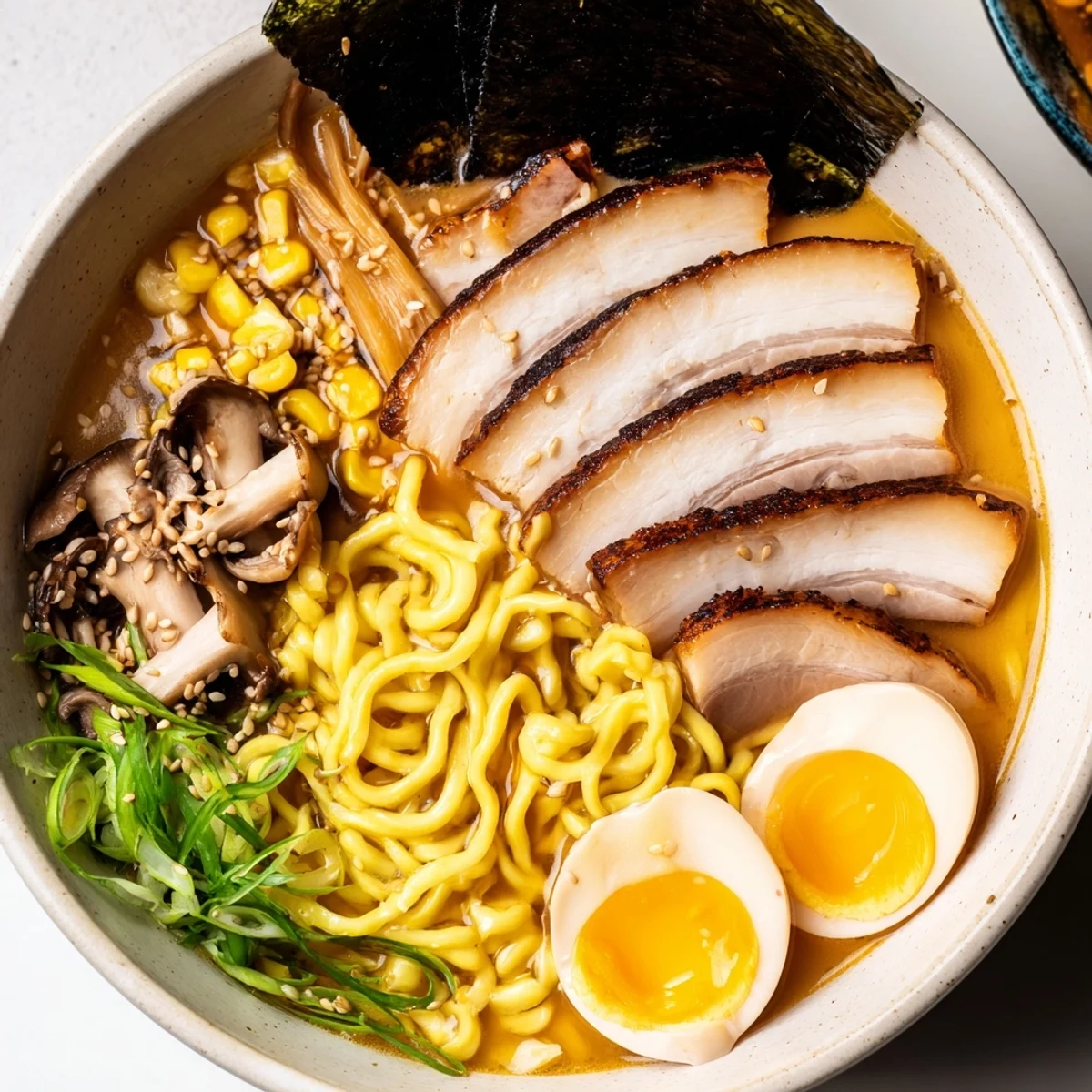
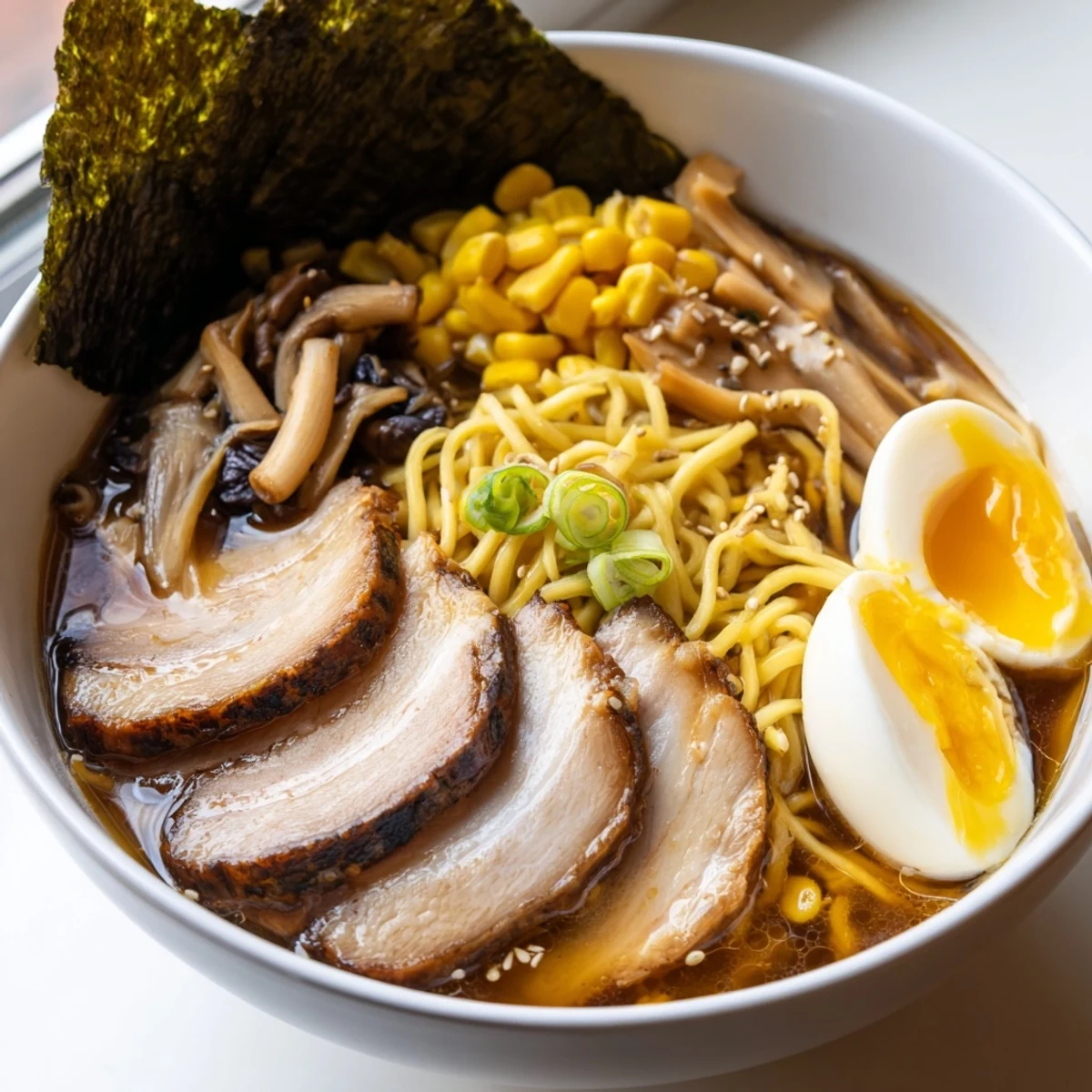
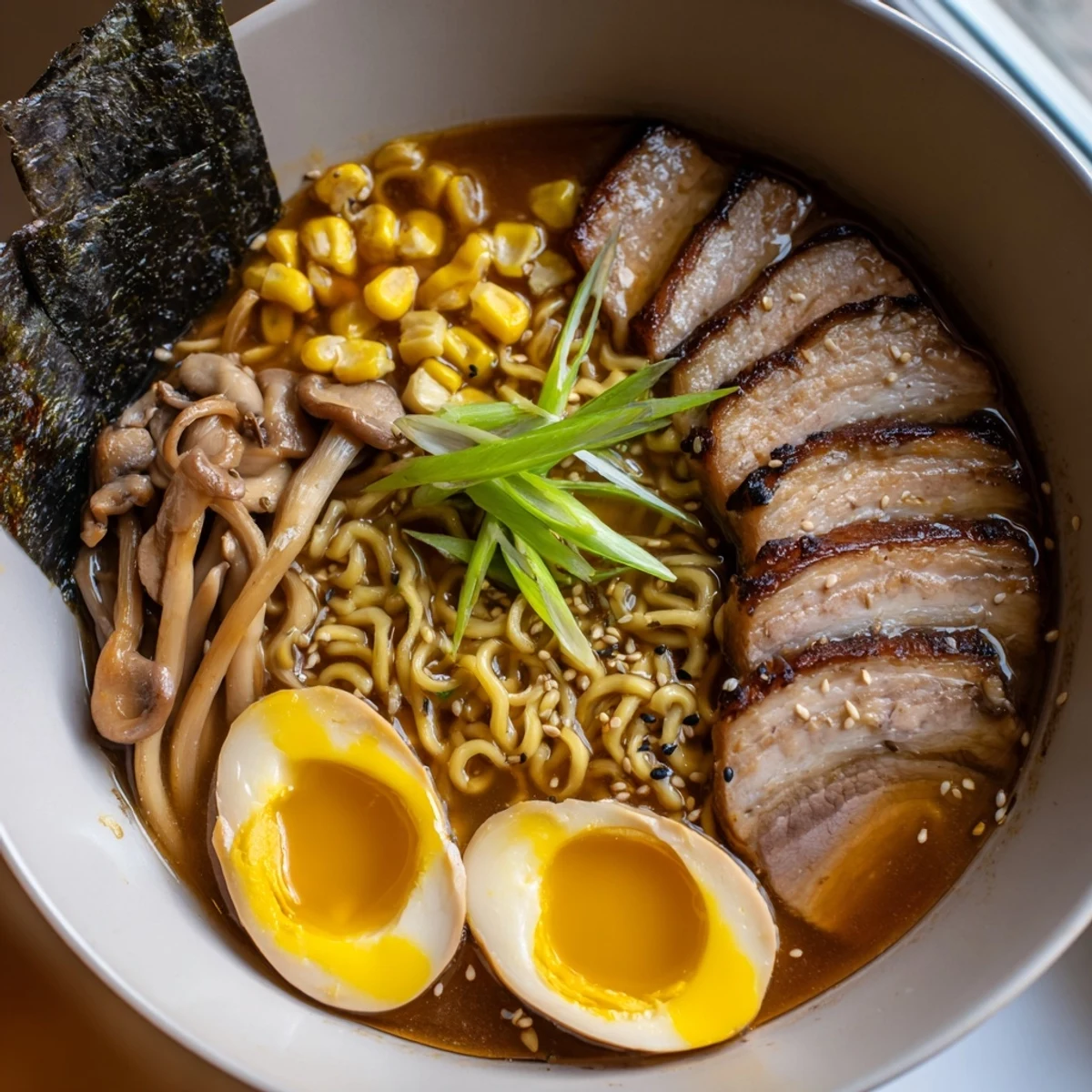
Each bowl is crowned with halved soft-boiled eggs, sliced pork belly or chicken, earthy shiitake mushrooms, strips of nori, and a sprinkle of toasted sesame seeds for a meal that truly hits the spot.
Ready in about 50 minutes, it serves four and can easily be adapted for vegetarian diets by swapping the meat for tofu and using vegetable broth.
The steam hit my face before I even sat down at that tiny counter in Osaka, and everything I thought I knew about soup changed in one slurp. The broth clung to the noodles like it refused to let go, and the soft boiled egg wobbled when I pierced it with my chopsticks. I spent the next three years trying to recreate that bowl in my own kitchen, failing spectacularly more than once. This recipe is the version that finally made me close my eyes and nod.
My neighbor Dave knocked on my door one freezing January evening asking if I had any soy sauce, and forty minutes later he was sitting at my kitchen counter cradling a bowl and telling me about his grandmother in Oregon who made chicken noodle soup every Sunday. Ramen does that to people. It turns strangers into regulars.
Ingredients
- Chicken or pork broth (1.5 liters): Use a good quality broth since it is the backbone of everything, and homemade will always reward you.
- Soy sauce (2 tbsp): Adds salt and umami depth, and you can use dark or light depending on how intense you want the color.
- Miso paste (1 tbsp): Stir it in off heat first to avoid clumps, and white miso keeps things mellow while red miso packs a punch.
- Sesame oil (2 tsp): Toasted sesame oil is nonnegotiable here for that nutty aroma that makes the kitchen smell incredible.
- Garlic cloves, minced (2): Fresh garlic sauteed in oil releases a sweetness that garlic powder simply cannot match.
- Ginger, sliced (1 thumb sized piece): Slice rather than grate so you can fish it out later, and fresh ginger adds a warmth you will miss if you skip it.
- Mirin (1 tbsp): A splash of sweetness that rounds off the salt and balances the whole broth.
- Fresh ramen noodles (400 g): Find them in the refrigerated section of Asian markets, and they cook in under three minutes so have everything else ready first.
- Soft boiled eggs (2, halved): Six minutes in gently boiling water gives you that jammy center, and an ice bath stops the cooking instantly.
- Cooked pork belly or chicken breast, sliced (200 g): Leftover roast pork belly is ideal but store bought chashu works beautifully too.
- Shiitake mushrooms, sliced (100 g): They soak up the broth flavor and add a meaty chew that makes every bite more interesting.
- Nori sheet, cut into strips (1): Drape it over the side of the bowl so it stays crisp just long enough for the photo.
- Spring onions, thinly sliced (2): The sharp freshness cuts through the richness of the broth perfectly.
- Bamboo shoots (100 g): They add a satisfying crunch and a slight tang that keeps each spoonful lively.
- Corn kernels (to taste): Sweet bursts of corn are unexpectedly perfect in ramen and add lovely color.
- Toasted sesame seeds (to garnish): A quick sprinkle at the end ties the whole bowl together visually and texturally.
Instructions
- Build the broth:
- Heat sesame oil in a large pot over medium heat and sauté the garlic and ginger until your kitchen smells like a ramen shop. Pour in the broth, soy sauce, miso paste, and mirin, then let it simmer gently for twenty minutes so all the flavors melt together. Strain out the solids and return the silky liquid to the pot.
- Cook the noodles:
- Follow the package directions carefully because fresh ramen noodles go from perfect to mushy in seconds. Drain them immediately and divide among four deep bowls.
- Prep the toppings:
- Soft boil your eggs for exactly six minutes, plunge them into ice water, peel, and halve them with a sharp knife for clean edges. Slice your meat and mushrooms, cut the nori into strips, and have everything arranged and ready before the broth hits the bowl.
- Assemble and serve:
- Ladle the hot strained broth over the noodles, then arrange pork or chicken, eggs, mushrooms, nori, spring onions, bamboo shoots, and corn on top in sections. Finish with a scatter of sesame seeds and serve immediately while the steam is still rising.
 Save
Save The first time I made this for my sister she called me the next day to ask for the recipe, and I knew then that this bowl had earned a permanent spot in my rotation.
Making It Your Own
The beauty of ramen is that no two bowls ever have to be the same. Throw in spinach, bean sprouts, or a drizzle of chili oil if you want heat. I have even topped it with leftover roast duck from takeout night and it was magnificent.
Vegetarian Adaptation
Swap the meat broth for a rich vegetable stock and load up on extra mushrooms and tofu. A spoonful of tahini stirred into the broth adds body and richness that you might otherwise miss from the pork.
Pairing and Serving Thoughts
Cold Japanese beer or a cup of sake turns a weeknight bowl into something that feels like a proper occasion. Serve it with a simple side of pickled vegetables for contrast.
- Prepare all toppings before you even turn on the stove because ramen waits for no one.
- Eat it immediately as the noodles absorb broth and soften quickly if left sitting.
- Leftover broth keeps in the fridge for three days and tastes even better the next time around.
 Save
Save Slurp loudly, share generously, and do not be surprised when someone asks for seconds before finishing their first bowl.
Recipe FAQs
- → What type of noodles work best for ramen?
-
Fresh ramen noodles deliver the best texture with their signature chewiness and spring. If unavailable, dried ramen noodles or even thin spaghetti can work as a substitute, though the bite will differ slightly.
- → Can I make the broth ahead of time?
-
Absolutely. The broth actually improves in flavor when made a day in advance and refrigerated. Store it in an airtight container for up to three days, then reheat and strain before ladling over freshly cooked noodles.
- → How do I achieve the perfect soft-boiled egg?
-
Gently lower eggs into boiling water and cook for exactly six minutes. Transfer immediately to an ice bath to stop the cooking process. Once cool, peel carefully and halve just before serving for a beautifully runny yolk center.
- → What can I substitute for pork belly?
-
Sliced chicken breast, braised pork shoulder, or even pan-seared tofu all work wonderfully. For a richer option, try chashu-style braised pork. The key is having a protein that complements the savory broth without overpowering it.
- → Is there a gluten-free option for ramen?
-
Yes. Use gluten-free noodles such as rice noodles or millet-based ramen noodles. Replace regular soy sauce with tamari, and double-check that your miso paste is certified gluten-free. The broth itself is naturally gluten-free once these swaps are made.
- → What beverages pair well with a bowl of ramen?
-
Japanese sake or a cold lager-style beer are classic pairings that cut through the richness of the broth. For a non-alcoholic option, try chilled green tea or sparkling water with a splash of yuzu juice for a refreshing contrast.