
 Save
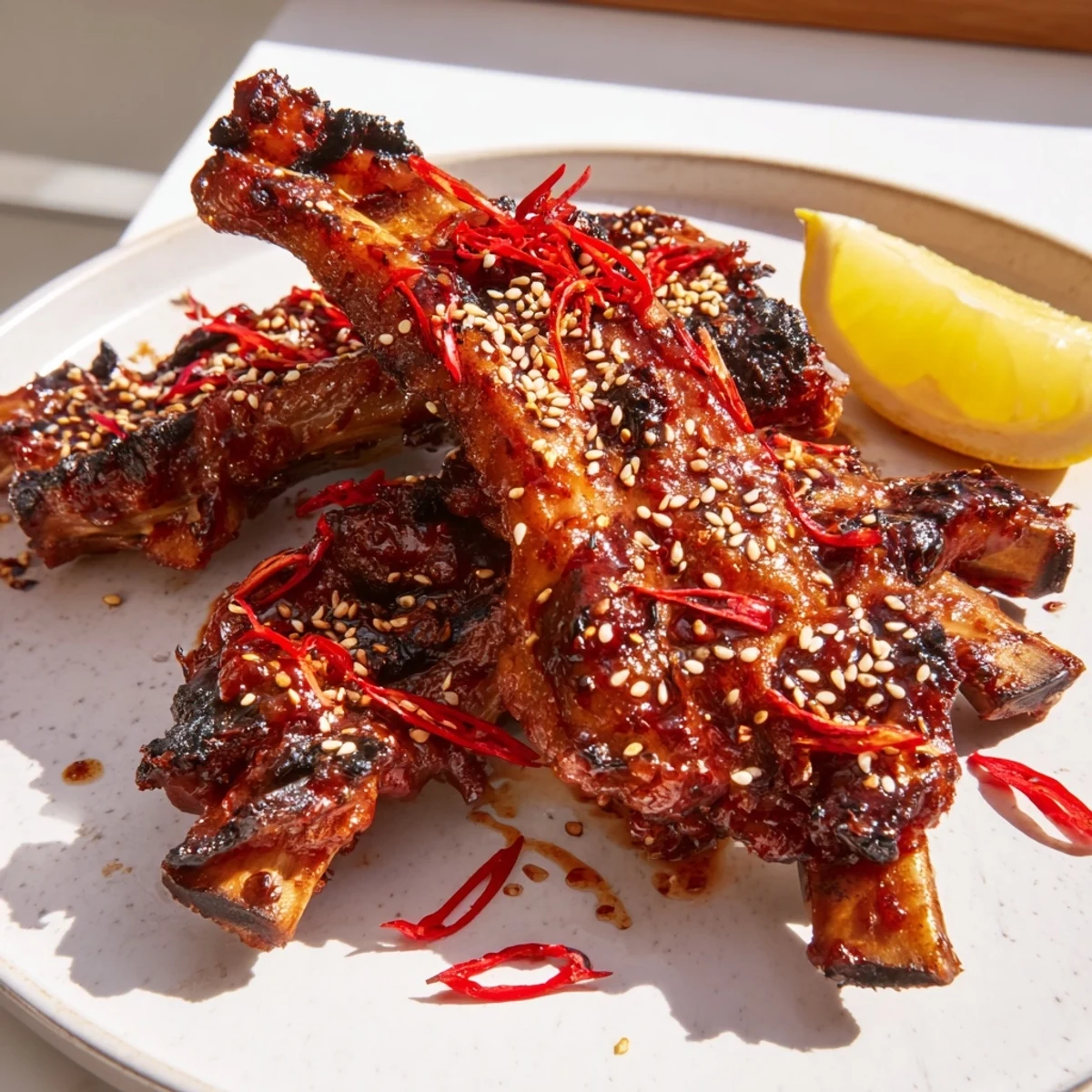
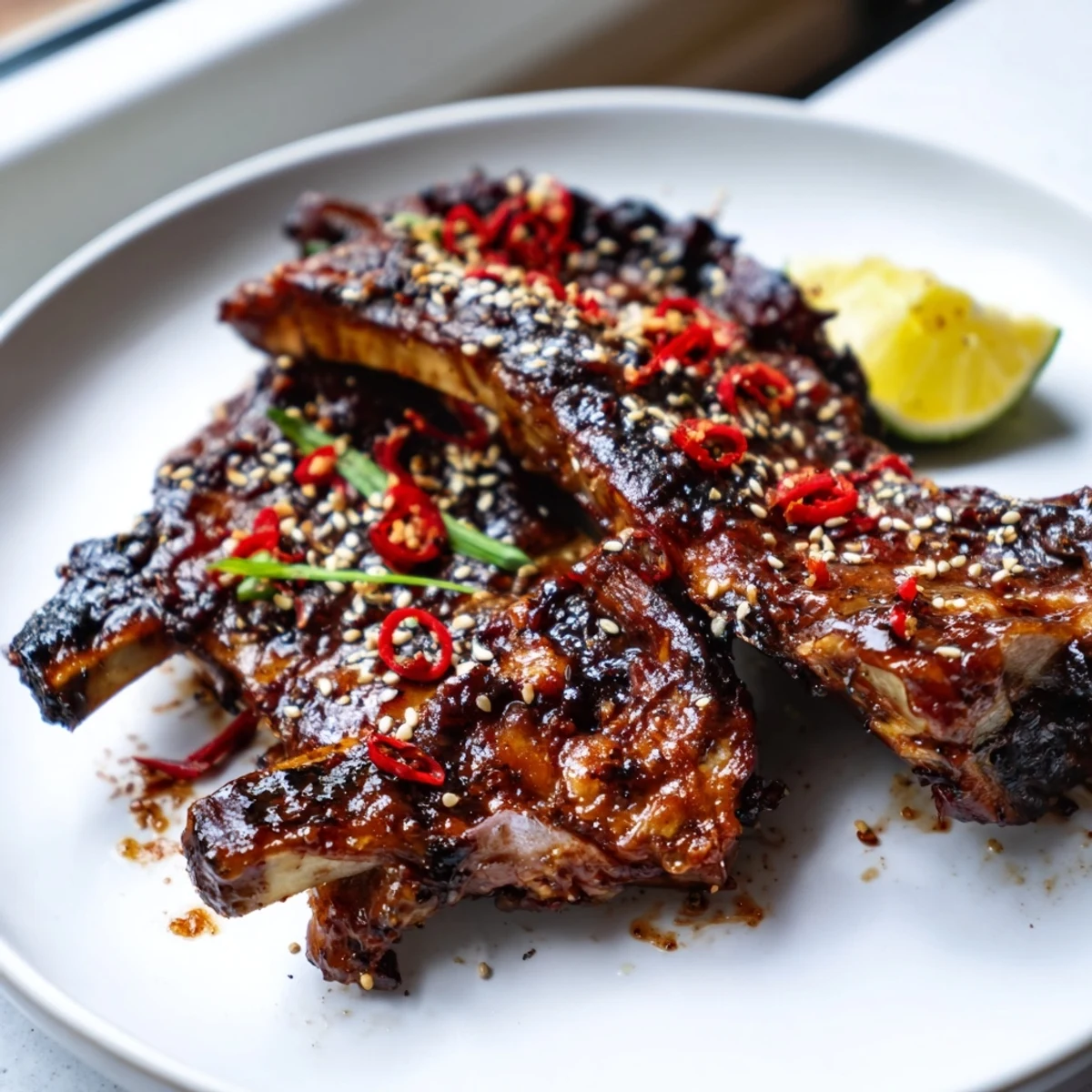
Save These Korean BBQ lamb ribs are marinated in a bold blend of gochujang, soy sauce, sesame oil, honey, and fresh aromatics like garlic and ginger. Slow-roasted then finished on a hot grill for that irresistible caramelized char.
A generous squeeze of fresh yuzu juice brings a fragrant citrus brightness that cuts through the richness of the lamb perfectly. Garnished with toasted sesame seeds and spring onions, this dish delivers deep umami flavors with a refreshing twist.
The sizzle of lamb ribs hitting a hot grill on a rainy Tuesday evening changed my entire week. I had bought a slab of ribs on impulse, grabbed a jar of gochujang from the back of the fridge, and decided to fusion my way through dinner. The kitchen smelled like toasted sesame and brown sugar for hours after, and my neighbor actually knocked on the door to ask what I was cooking.
I made these for a backyard gathering last summer when my friend Minho challenged me to cook something Korean without calling my mother for advice. The ribs disappeared in under ten minutes, and Minho gave me a reluctant nod of approval that I still think about.
Ingredients
- 1.5 kg lamb ribs: Ask your butcher for a full rack and make sure the membrane on the back is removed for tenderness.
- 4 tablespoons soy sauce: This is the salty backbone of the marinade, and tamari works beautifully if you need it gluten free.
- 2 tablespoons gochujang: The fermented chili paste adds depth, heat, and a subtle sweetness that nothing else can replicate.
- 2 tablespoons sesame oil: Toasted sesame oil is nonnegotiable here for its nutty, aromatic punch.
- 2 tablespoons honey: Helps the marinade caramelize under high heat and balances the spicy gochujang.
- 4 garlic cloves, minced: Fresh garlic makes a difference you can actually taste.
- 2 tablespoons freshly grated ginger: Grate it fine so it melts into the marinade rather than clumping.
- 1 tablespoon rice vinegar: Adds a gentle tang that lifts the whole flavor profile.
- 1 tablespoon brown sugar: Works alongside the honey for a deeper, more complex sweetness.
- 1 teaspoon black pepper: Freshly ground is always better and adds a mild warmth.
- 2 spring onions, finely chopped: These go into the marinade and more go on top at the end.
- 1 fresh yuzu or 3 tablespoons yuzu juice: The floral citrus aroma is what makes this dish unforgettable.
- 1 tablespoon toasted sesame seeds: For garnish and a satisfying little crunch.
- 2 spring onions, thinly sliced: Keep these for the final sprinkle over the finished ribs.
- 1 red chili, finely sliced: Optional but recommended if you enjoy a sharp, visual kick of heat.
Instructions
- Build the marinade:
- Stir together the soy sauce, gochujang, sesame oil, honey, garlic, ginger, rice vinegar, brown sugar, pepper, and chopped spring onions in a large bowl until everything is smooth and fragrant. Taste it on your finger and adjust if you want more sweetness or heat.
- Coat the ribs:
- Place the lamb ribs in a large resealable bag or a shallow dish and pour the marinade over them, massaging it into every crevice. Let them sit for at least one hour, though overnight in the fridge is when the magic really happens.
- Set up the oven:
- Preheat your oven to 160 degrees Celsius, line a baking sheet with foil, and place a wire rack on top so the ribs cook evenly. Arrange the ribs on the rack and keep the leftover marinade in a small bowl for basting.
- Slow roast:
- Roast the ribs for one hour, pulling them out halfway through to baste generously with the reserved marinade so they stay juicy and layered with flavor.
- Grill and char:
- Crank up your grill or broiler to high and transfer the ribs over, cooking three to five minutes per side until the edges caramelize and you get those beautiful dark spots that make everyone hover around the kitchen.
- Finish with yuzu:
- Take the ribs off the heat and immediately squeeze fresh yuzu juice all over them, then scatter toasted sesame seeds, sliced spring onions, and chili on top. Serve hot with extra yuzu wedges on the side.
 Save
Save There is something deeply satisfying about watching a group of friends fall silent around a platter of ribs, their only communication an occasional grunt of approval.
What to Serve Alongside
Steamed white rice is the obvious choice because it soaks up every drop of the sticky marinade, but a pile of grilled vegetables or a bowl of tangy kimchi adds contrast that keeps the meal interesting.
When You Cannot Find Yuzu
A mix of half lemon juice and half lime juice gets you surprisingly close to the floral brightness of yuzu and works in a pinch without sacrificing the character of the dish.
A Few Final Thoughts
Once you get comfortable with the base marinade, start playing with it by adding chili flakes for more fire or a splash of orange juice for extra sweetness. This recipe is forgiving and rewards experimentation.
- Let the ribs rest for five minutes after grilling so the juices redistribute before you slice.
- Double the marinade and save half for next time because you will want to make this again.
- Always check your gochujang label if cooking for someone with gluten sensitivities.
 Save
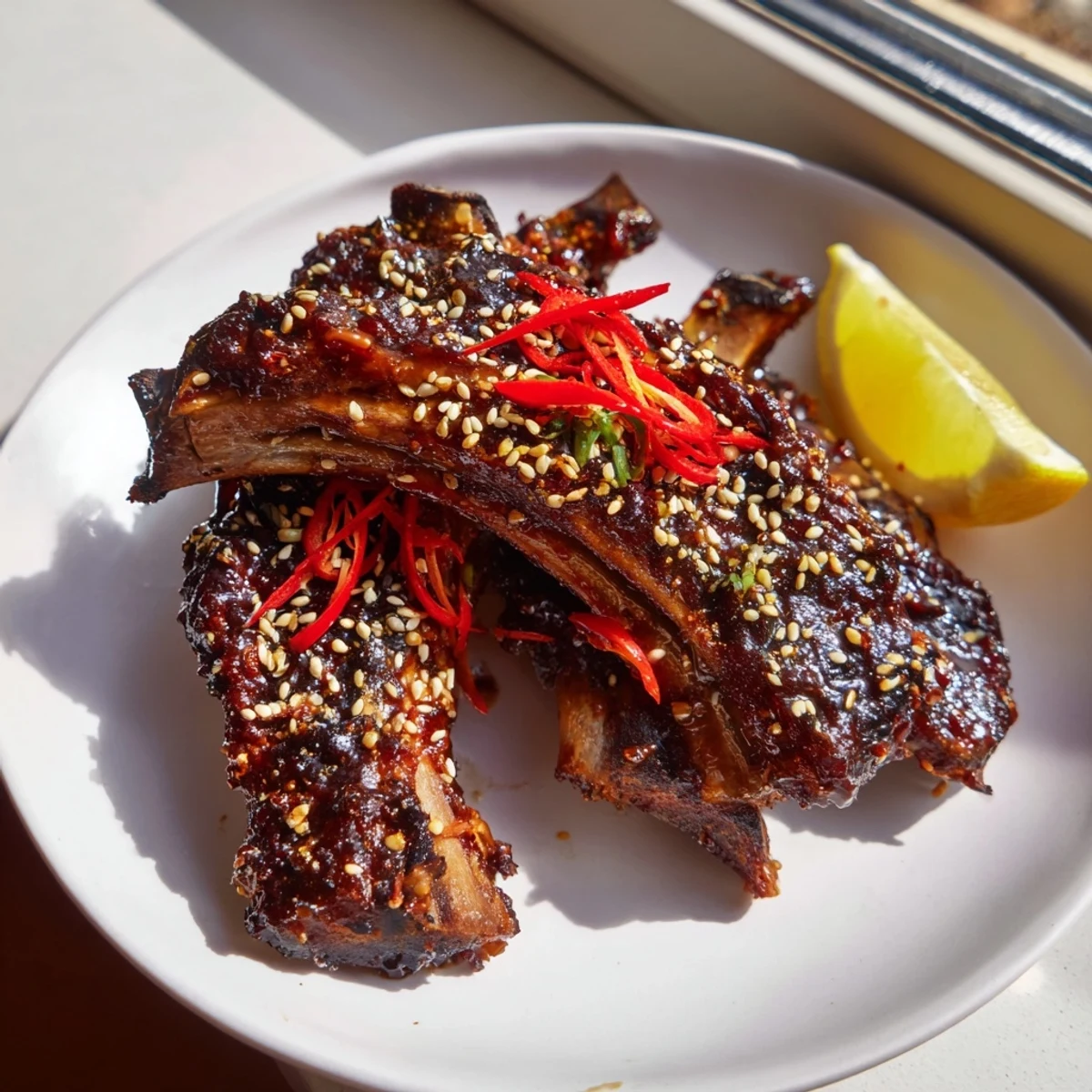
Save These ribs are messy, loud, and absolutely worth every sticky finger. Serve them to people you love and watch the evening take care of itself.
Recipe FAQs
- → Can I substitute yuzu with another citrus?
-
Yes, if yuzu is unavailable, a mix of equal parts lemon and lime juice works well. Meyer lemon alone is also a decent substitute, offering a similar floral acidity.
- → How long should I marinate the lamb ribs?
-
For best results, marinate the ribs overnight in the refrigerator. At minimum, allow 1 hour of marinating time, but longer marination yields deeper flavor penetration and more tender meat.
- → Can I cook these ribs entirely on the grill?
-
The two-step method of roasting then grilling ensures tender meat with a caramelized exterior. You can cook them entirely on a grill using indirect heat for about 1 hour, then finish over direct flame for the char.
- → What sides pair well with Korean BBQ lamb ribs?
-
Steamed white rice, kimchi, pickled radish, and grilled vegetables are all excellent accompaniments. A simple cucumber salad with sesame dressing also complements the rich flavors beautifully.
- → Is gochujang very spicy?
-
Gochujang has a mild to moderate heat level with a subtle sweetness. For extra spice, increase the amount used or add Korean chili flakes. For less heat, reduce the quantity slightly without losing the signature flavor.
- → Can I make this dish gluten-free?
-
Absolutely. Use gluten-free soy sauce or tamari, and verify that your gochujang brand is certified gluten-free, as some varieties contain wheat as a thickener.