
 Save
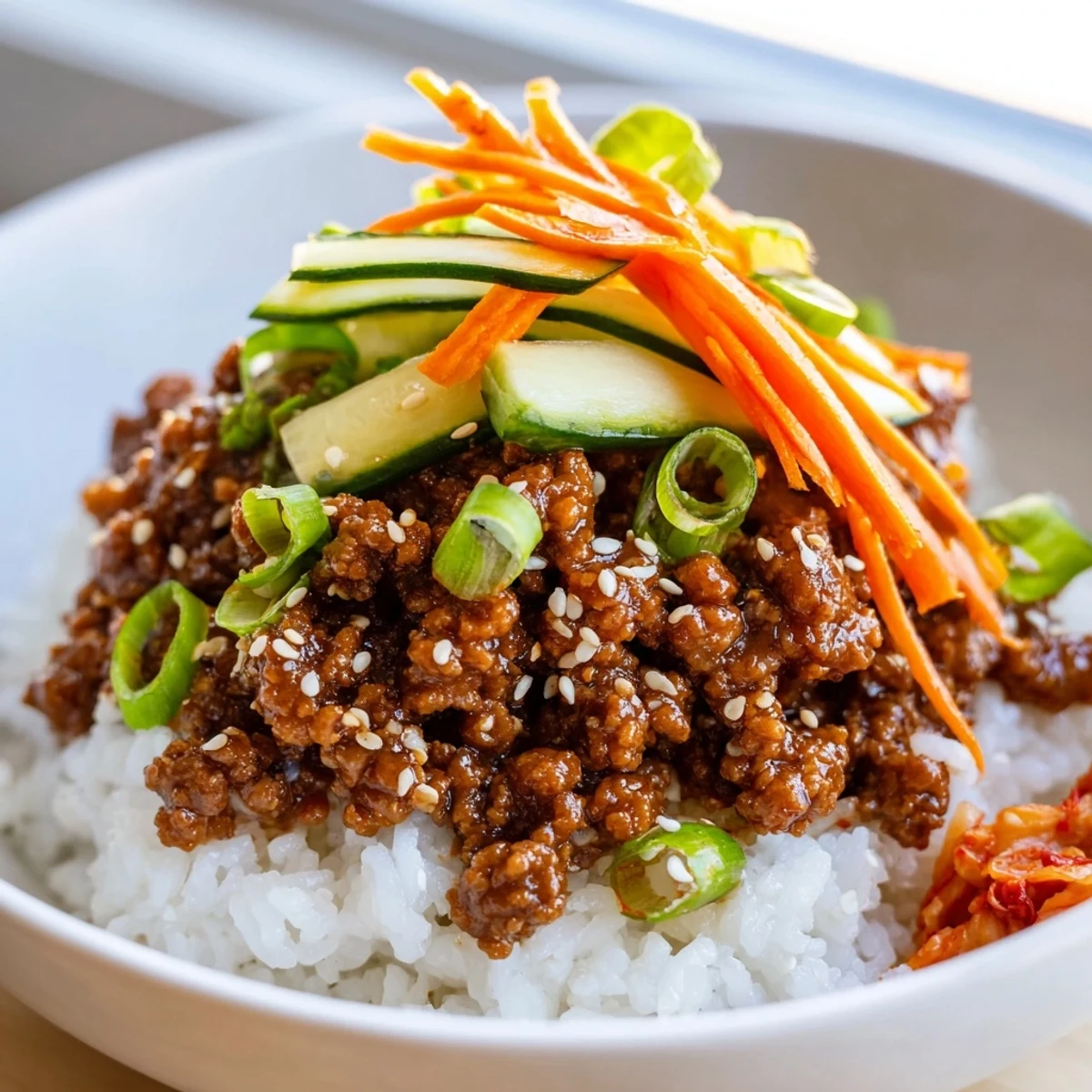
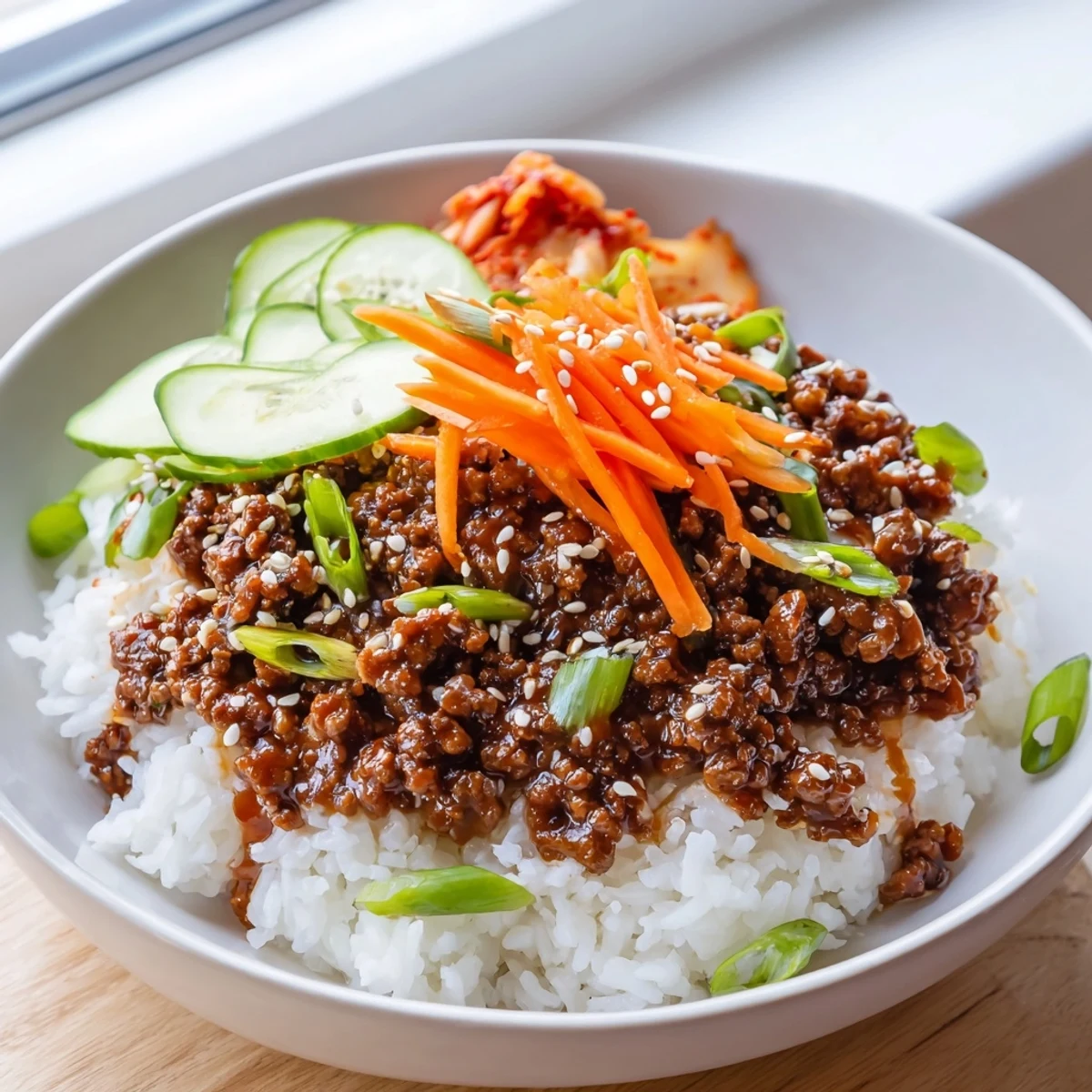
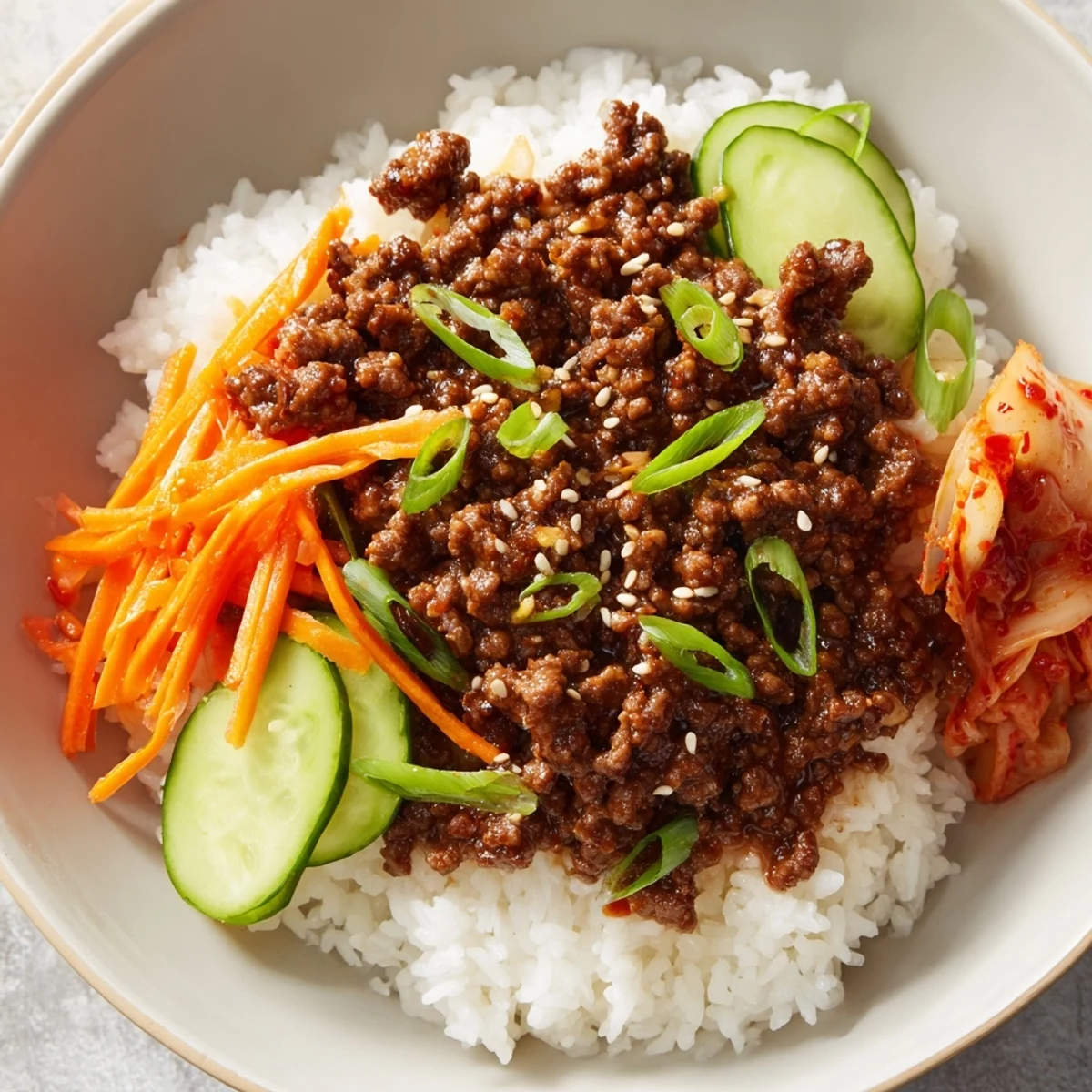
Save This Korean ground beef bowl brings together savory browned beef coated in a sweet, spicy, and umami-rich sauce made with soy sauce, brown sugar, sesame oil, garlic, ginger, and gochujang.
Served over fluffy steamed rice and topped with crisp julienned carrots, cucumber, green onions, and toasted sesame seeds, it delivers a satisfying balance of flavors and textures.
Ready in just 25 minutes with minimal prep, this dish is perfect for busy weeknights when you want something bold and comforting without spending hours in the kitchen.
The sizzle of ground beef hitting a hot pan on a Tuesday evening is one of those sounds that makes everyone wander into the kitchen asking when dinner will be ready. I started making this Korean inspired beef bowl years ago when takeout felt too expensive and I needed something fast that still tasted like it came from a restaurant. The sauce comes together in about two minutes and the whole thing is done before the rice finishes steaming. It is the kind of recipe that saves a weeknight without feeling like you settled for less.
My friend Mina came over one rainy Friday and I threw this together with leftover rice and some sad looking vegetables from the crisper drawer. She took one bite, paused, and told me it was better than the Korean spot down the street from her office. I have been making it for her every time she visits since then, and she still brings it up before I even offer.
Ingredients
- Lean ground beef (1 lb or 450 g): Use 85 to 90 percent lean so you get enough fat for flavor but not so much that you have to drain a pool of grease.
- Cooked jasmine or short grain rice (2 cups): Short grain rice gives that authentic stickiness but jasmine works beautifully if that is what you have.
- Low sodium soy sauce (1/4 cup): Low sodium lets you control the salt level and keeps the sauce from becoming overwhelmingly salty.
- Brown sugar (2 tbsp): This balances the saltiness of the soy sauce and helps the sauce caramelize into a glossy coating.
- Sesame oil (1 tbsp): Toasted sesame oil adds a nutty depth that makes everything taste distinctly Korean.
- Garlic, minced (3 cloves): Fresh garlic is non negotiable here because the jarred version loses too much punch.
- Grated fresh ginger (1 tbsp): Ginger adds a warm brightness that rounds out the sweetness and heat.
- Crushed red pepper flakes (1/2 to 1 tsp): Start with half a teaspoon and taste before adding more because the heat builds as the sauce simmers.
- Rice vinegar (2 tsp): A small splash of acidity keeps the sauce from tasting flat or one dimensional.
- Gochujang (1 tbsp, optional): This Korean chili paste adds a fermented complexity and gentle heat that takes the bowl from good to outstanding.
- Green onions, sliced (2): Slice them thin on a diagonal for a prettier presentation and a milder onion bite.
- Toasted sesame seeds (1 tbsp): Toast them in a dry pan for a minute until fragrant because the raw ones add nothing.
- Carrot, julienned (1): The crunch and color are worth the extra few minutes of prep.
- Cucumber, thinly sliced (1 small): Peel it or leave the skin on but slice it paper thin so it picks up the sauce.
- Kimchi (optional, for serving): If you have kimchi in the fridge, add it because the tangy fermented kick ties everything together.
Instructions
- Whisk the sauce together:
- In a small bowl, combine the soy sauce, brown sugar, sesame oil, garlic, ginger, red pepper flakes, rice vinegar, and gochujang if using. Whisk until the sugar dissolves and everything looks unified, then set it aside so the flavors start mingling while you cook.
- Brown the beef:
- Heat a large skillet over medium high heat and add the ground beef, breaking it apart with a spatula or wooden spoon as it cooks. Let it sit undisturbed for a minute here and there so you get some caramelized bits because those crispy edges carry incredible flavor.
- Build the sauce coating:
- Pour the prepared sauce over the browned beef and stir well so every crumb gets coated. Let it simmer for two to three minutes until the sauce thickens slightly and turns glossy, watching closely so it does not reduce too much.
- Assemble the bowls:
- Divide the warm rice among four bowls and spoon the saucy beef over the top generously. The heat from the beef will warm the rice and help the sauce seep down into every bite.
- Finish with toppings:
- Scatter the green onions, sesame seeds, julienned carrot, cucumber slices, and kimchi over each bowl. Serve immediately while the beef is still sizzling and the vegetables are crisp.
 Save
Save The night I made this for my partner during a power outage using the gas stovetop and a flashlight propped against a jar of kimchi, we sat on the kitchen floor eating in the dark and laughing about how ridiculously good it tasted under those circumstances. Some meals just taste better when everything else goes wrong.
Making It Your Own
Swap the ground beef for ground chicken or turkey if you want something lighter and it works just as well. For a gluten free version, replace the soy sauce with tamari and double check that your gochujang is certified gluten free. A fried egg on top turns this into a proper meal that feels indulgent without any extra effort.
Getting the Texture Right
The contrast between the saucy beef and the crisp raw vegetables is what makes this bowl satisfying. If you prep the toppings ahead and store them in the refrigerator, the cold crunch against the hot beef is even more pronounced. Keep the rice warm and serve everything immediately because the magic fades once it all reaches the same temperature.
What to Keep in Mind
This dish is best eaten fresh but the beef mixture reheats beautifully for lunch the next day. Keep a few simple things in mind when you make it.
- Make extra sauce and store it in the refrigerator for up to a week because it works on chicken, tofu, and roasted vegetables too.
- Sesame oil goes rancid quickly so smell it before using and replace it if it seems off.
- The recipe comes together so fast that you should have all your toppings prepped before you start cooking.
 Save
Save Keep this recipe in your back pocket for any night when you want something warm, saucy, and deeply satisfying without spending more than half an hour in the kitchen. It will never let you down.
Recipe FAQs
- → Can I use a different protein instead of ground beef?
-
Yes, ground chicken or turkey work well as lighter alternatives. You can also try cubed tofu for a plant-based version. Adjust cooking time accordingly, as poultry may cook slightly faster than beef.
- → How spicy is this Korean ground beef bowl?
-
The heat level is fully adjustable. The red pepper flakes and gochujang control the spice. Start with 1/2 teaspoon of flakes and skip the gochujang for mild heat, or increase both for a bolder kick.
- → What type of rice works best for this bowl?
-
Short-grain white rice or jasmine rice are ideal choices. Short-grain rice provides the authentic sticky texture that pairs perfectly with the saucy beef, while jasmine rice offers a fragrant, fluffy alternative.
- → Can I make this dish gluten-free?
-
Absolutely. Simply replace the regular soy sauce with tamari or a certified gluten-free soy sauce. All other ingredients are naturally gluten-free, so this single swap makes the entire dish safe for gluten-sensitive diets.
- → How should I store and reheat leftovers?
-
Store the beef mixture and rice separately in airtight containers in the refrigerator for up to 3 days. Reheat the beef in a skillet or microwave until warmed through. Add fresh toppings after reheating to maintain their crunch.
- → What toppings pair well with this bowl?
-
Green onions, toasted sesame seeds, julienned carrot, and thinly sliced cucumber are classic choices. Kimchi adds a tangy fermented kick, and a fried egg on top brings extra richness and a creamy yolk sauce element.