
 Save
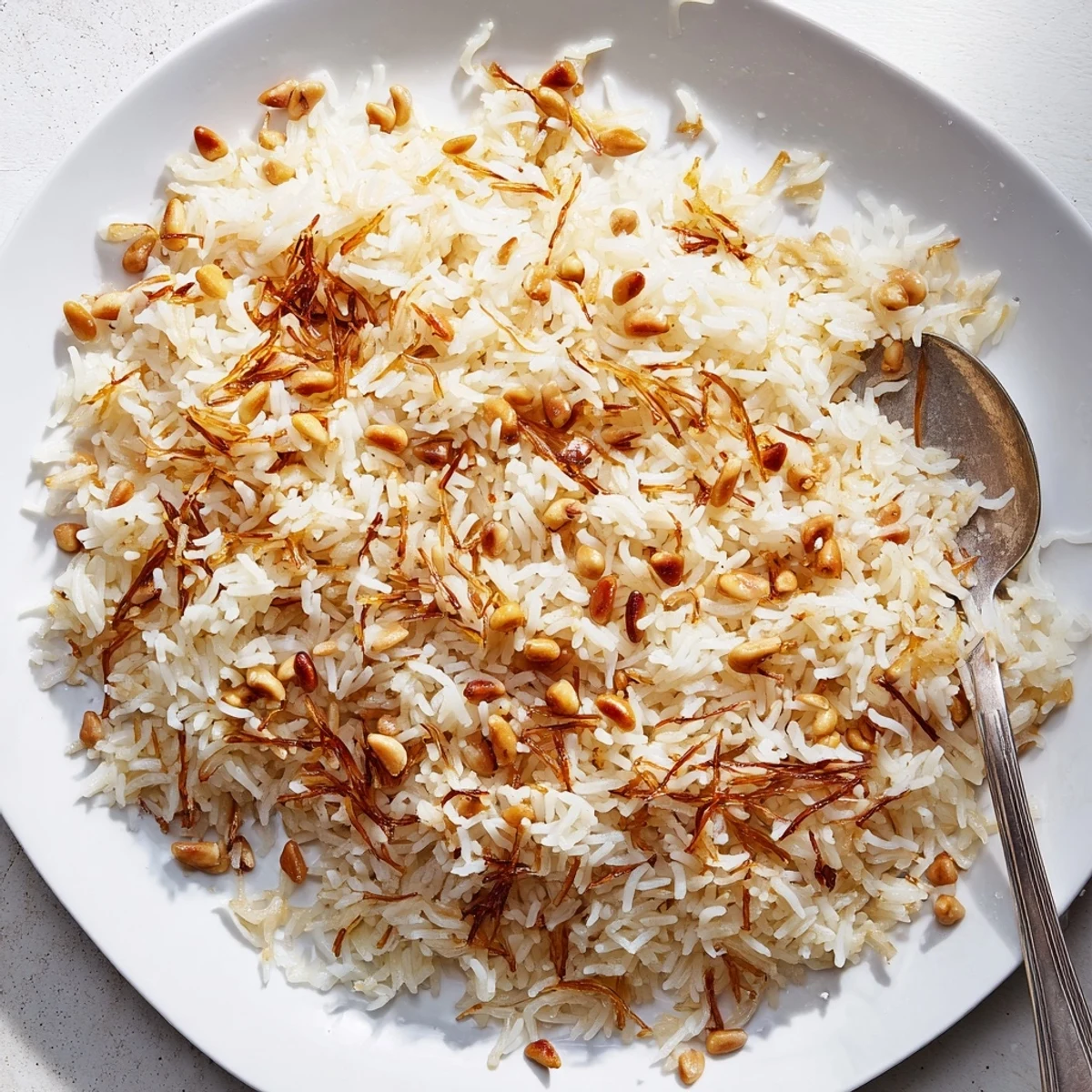
Save Lebanese rice is a fragrant, fluffy side dish built on long-grain white rice toasted with golden vermicelli noodles in butter or olive oil. The vermicelli is browned slowly until deep golden, giving the dish its signature nutty aroma and subtle crunch.
Simmered gently in seasoned broth or water, the rice absorbs the flavors while cooking to a perfect, separate-grain texture. A final rest period ensures ideal fluffiness before garnishing with sautéed pine nuts.
Ready in just 25 minutes with simple pantry ingredients, this versatile side pairs beautifully with grilled meats, hearty stews, roasted vegetables, or any Middle Eastern spread.
The smell of butter hitting a hot pan and vermicelli turning that deep amber color is one of those small kitchen rituals that makes everything feel right. My neighbor Joumana once brought me a container of this rice alongside a lamb stew, and I stood at the counter eating it plain with a spoon, completely ignoring the main course. It took me three attempts to get the vermicelli browning right without crossing into charred territory, but once I did, it became a weekly constant in my kitchen.
I started making double batches after a friend scooped the entire pot clean at a potluck and asked if there was any hiding in the kitchen.
Ingredients
- 1 cup long-grain white rice: Basmati or jasmine both work beautifully, but the rinsing step is non-negotiable for that separate, fluffy grain texture.
- 1/3 cup vermicelli noodles, broken into 1-inch pieces: These little golden threads are the soul of this dish, so do not skip them or substitute with spaghetti.
- 2 tablespoons unsalted butter or olive oil: Butter gives a richer flavor, but olive oil keeps it vegan and still completely delicious.
- 2 cups water or low-sodium vegetable broth: Broth adds a subtle depth, though water lets the toasted vermicelli shine as the star.
- 2 tablespoons pine nuts: Totally optional, but they bring a buttery crunch that makes the dish feel finished and special.
- 1 teaspoon salt and 1/4 teaspoon black pepper: Simple seasoning is all you need here since the rice speaks for itself.
Instructions
- Wash the rice well:
- Run cold water over the rice in a fine-mesh strainer, swishing with your fingers, until the water runs completely clear. This removes surface starch and prevents gummy clumping.
- Toast the pine nuts:
- Melt the butter or heat the olive oil in a medium saucepan over medium heat, then toss in the pine nuts and stir until they turn a warm golden color, just one to two minutes. Transfer them immediately to a plate so they stop cooking.
- Brown the vermicelli:
- Add the broken vermicelli pieces to the same pan and stir constantly for three to four minutes until they reach a deep, toasty brown. Keep your eyes on them because the line between perfectly browned and burnt is thin.
- Coat the rice:
- Stir the rinsed and drained rice into the toasted vermicelli, letting every grain get a light sheen of butter or oil. This coating step helps each grain cook up distinct and tender.
- Simmer gently:
- Pour in the water or broth, season with salt and pepper, and bring everything to a gentle boil. Then drop the heat to low, clamp on the lid tightly, and set a timer for fifteen minutes without lifting the lid even once.
- Rest and fluff:
- Take the pan off the heat and let it sit with the lid still on for five full minutes, then gently fluff with a fork. Scatter the reserved pine nuts over the top and serve.
 Save
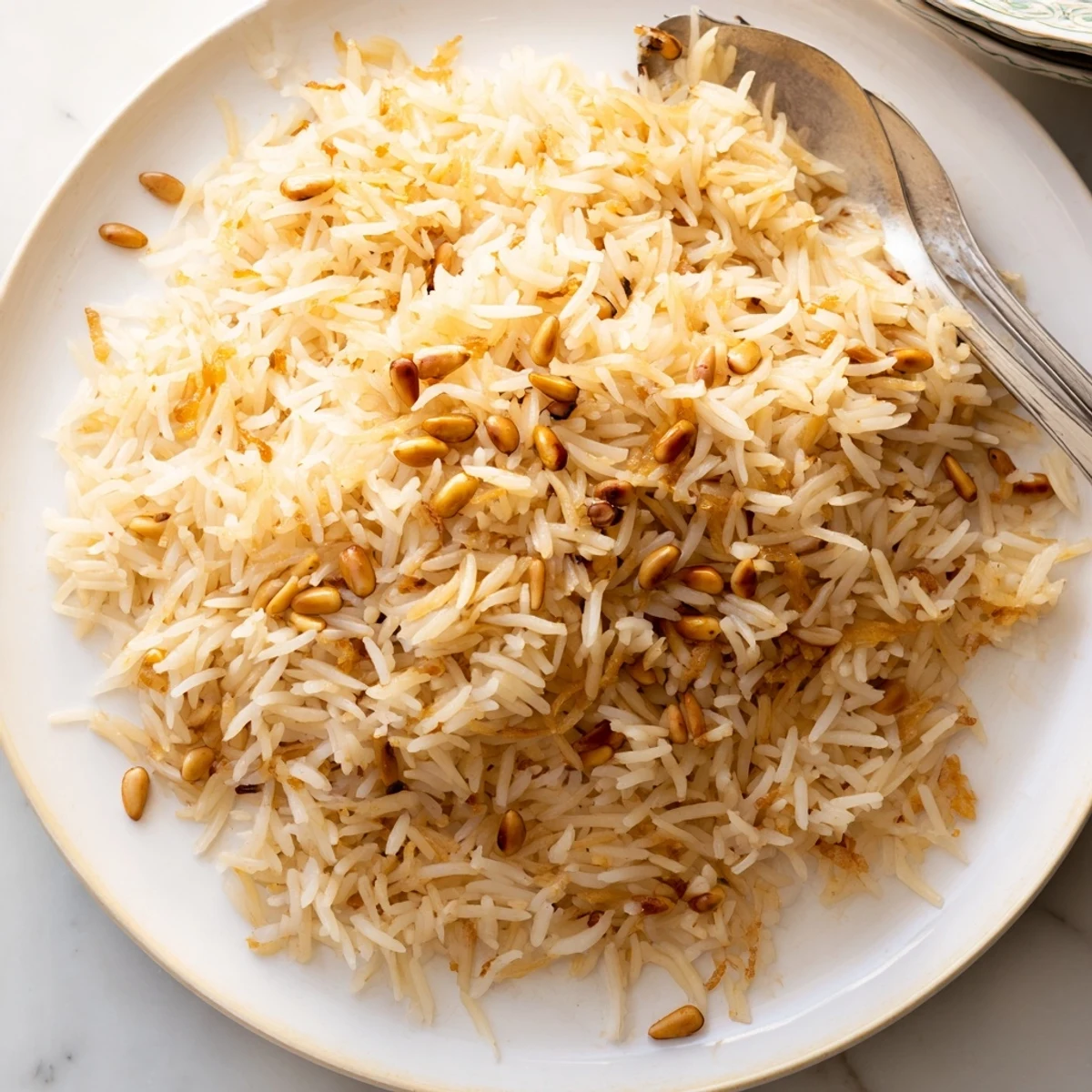
Save There is something quietly satisfying about lifting the lid after that rest period and seeing each grain standing on its own, fragrant and perfectly separate.
Serving Suggestions
This rice is a natural companion to anything with a saucy backbone, from slow-cooked stews to grilled meats and roasted vegetables. I have also eaten it cold from the fridge the next morning, straight from the container, and felt zero regret about it.
Making It Ahead
Leftovers reheat beautifully with a splash of water in the microwave, and they actually make an incredible base for a quick fried rice if you want to stretch them further. The vermicelli holds its chew even after a day in the fridge, which surprised me the first time I tried it.
Handling Allergens and Swaps
If you are cooking for someone with a nut allergy, simply leave the pine nuts off and the rice loses nothing essential. The vermicelli does contain gluten, so this is not a gluten-free dish as written, but the rest of the ingredient list is very forgiving and adaptable.
- Use olive oil instead of butter for a fully vegan version.
- Double the recipe for a crowd, but use a larger pot so the rice cooks evenly.
- Leftovers keep well in the fridge for up to four days in a sealed container.
 Save
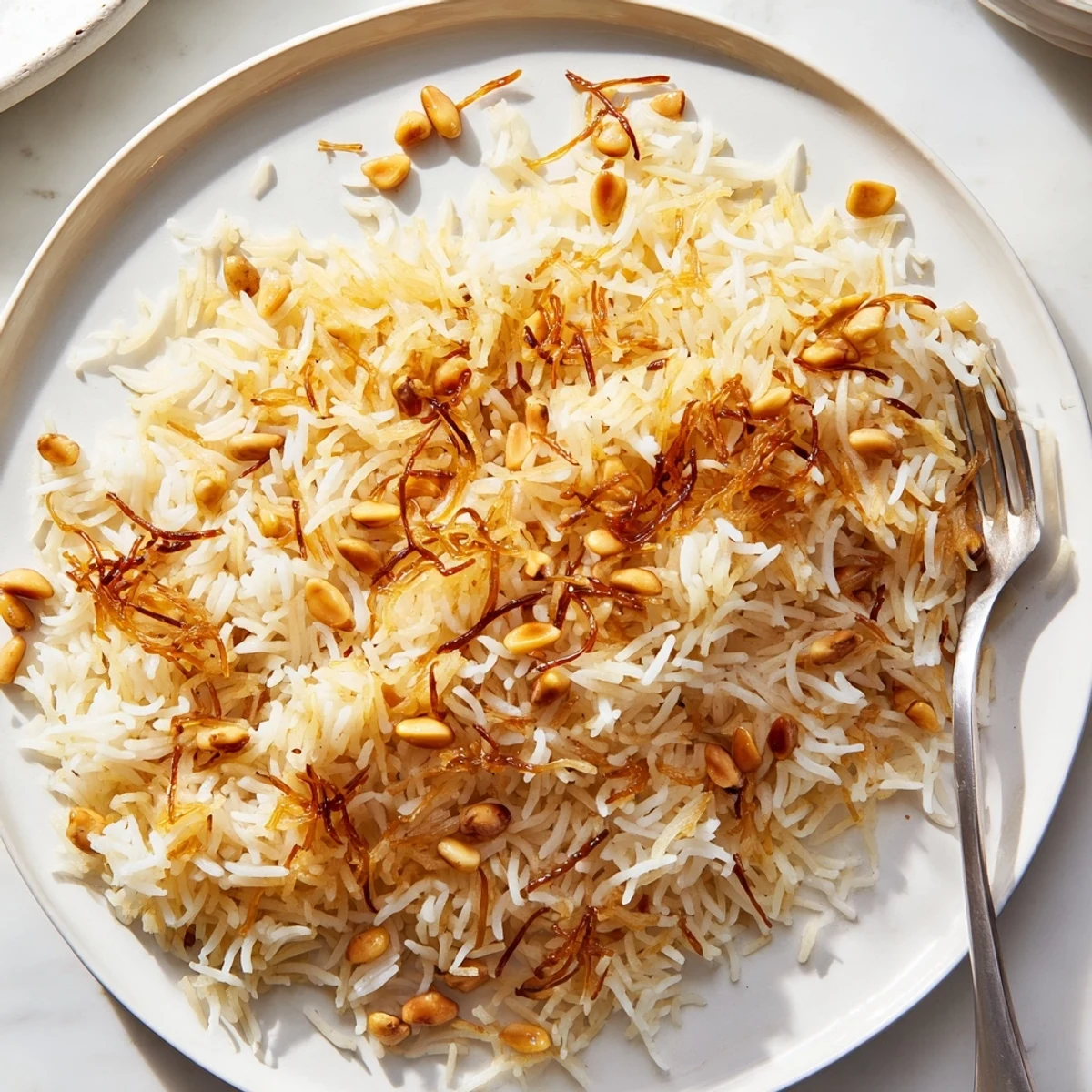
Save Keep this recipe in your back pocket for any night that needs a little something extra without any extra effort. It is the kind of side dish that quietly steals the whole meal.
Recipe FAQs
- → Can I use brown rice instead of white rice?
-
Yes, but brown rice requires a longer cooking time, typically 40-45 minutes, and may need additional liquid. Adjust the simmering time accordingly and keep the pot covered until the grains are tender.
- → What can I substitute for vermicelli noodles?
-
Thin spaghetti broken into small pieces, angel hair pasta, or even orzo work well as substitutes. The key is achieving that deep golden toast before adding the rice for the characteristic nutty flavor.
- → How do I prevent the vermicelli from burning?
-
Stir constantly over medium heat while toasting, and reduce the heat if the noodles brown too quickly. The goal is a deep golden color, not dark brown. Remove the pan from heat momentarily if needed to control the browning.
- → Is this dish suitable for vegan diets?
-
Absolutely. Simply replace the butter with olive oil or any plant-based fat. The toasting process works equally well with oil, and the final dish remains just as flavorful and aromatic.
- → How should I store and reheat leftovers?
-
Store cooled rice in an airtight container in the refrigerator for up to 4 days. Reheat in the microwave with a splash of water, or gently steam it on the stovetop. Leftovers also make an excellent base for fried rice.
- → Why is rinsing the rice important?
-
Rinsing removes excess surface starch that causes grains to clump together. Rinse under cold water until it runs completely clear for the fluffiest, most separate grains in your finished dish.