
 Save
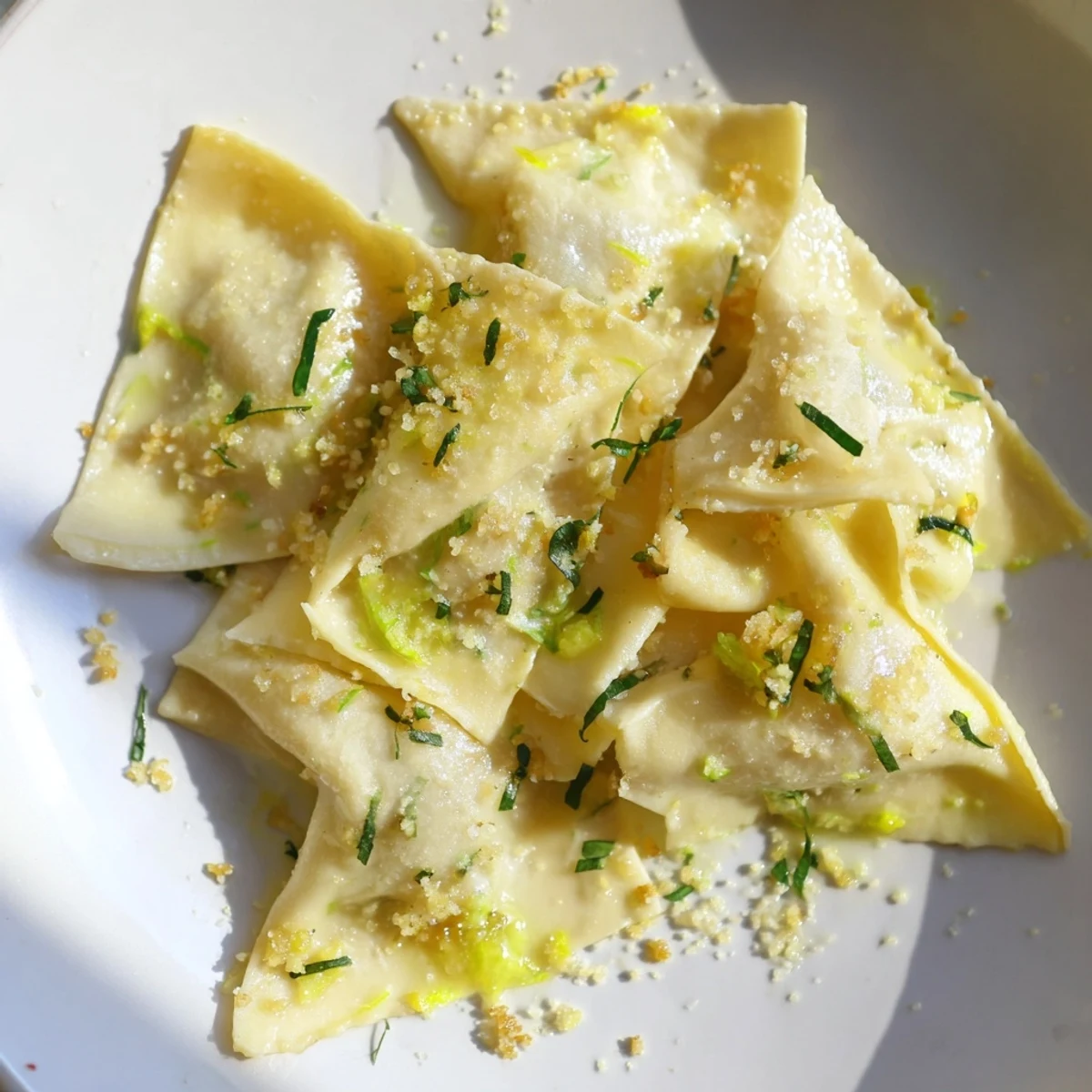
Save These delicate triangoli are a celebration of Italian pasta-making at home. Each handmade triangle is filled with a luxurious mixture of creamy burrata and sweet sautéed leeks, brightened with a hint of lemon zest.
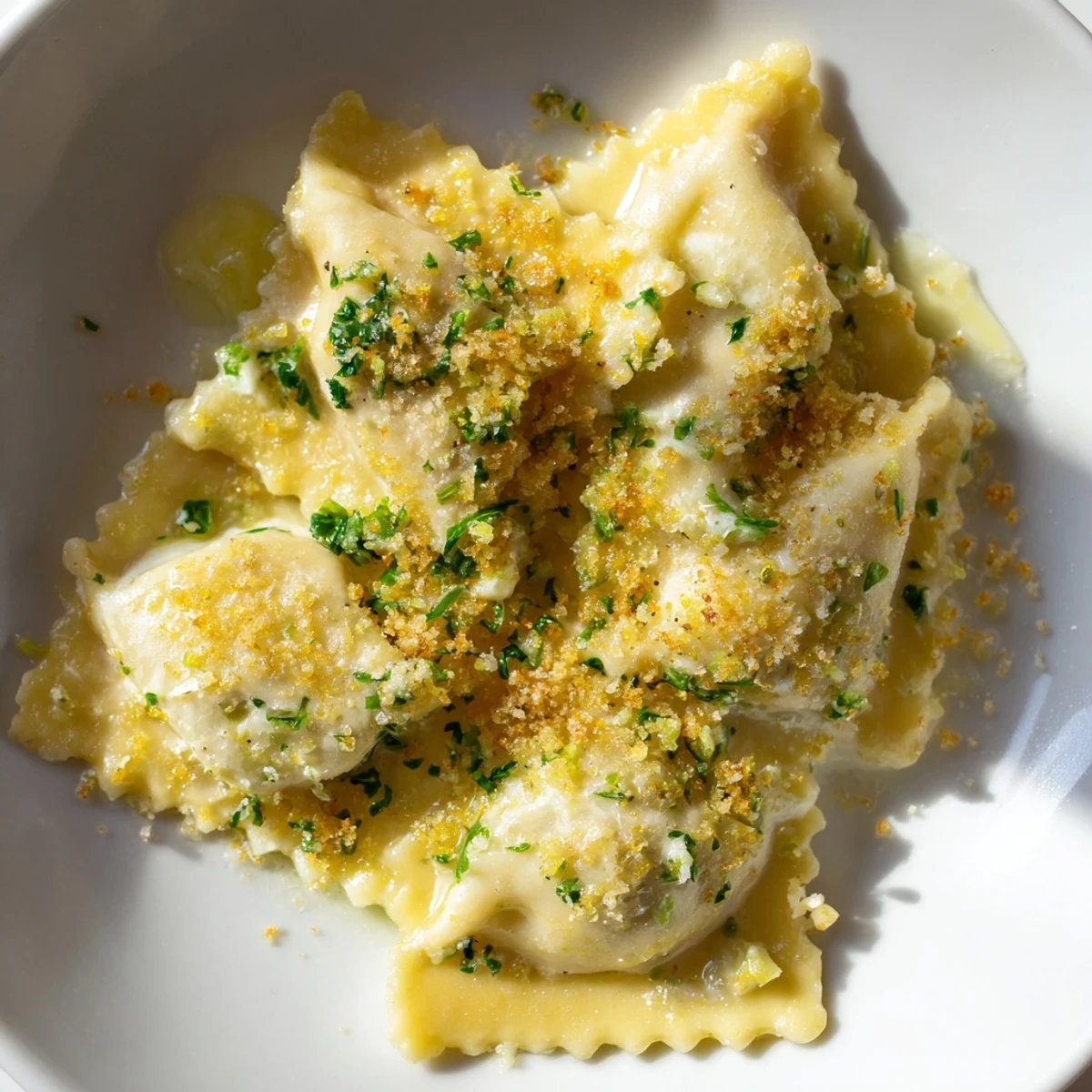
The pasta is cooked until perfectly al dente, then gently coated in a silky lemon butter sauce. A generous finishing of golden, crispy sourdough breadcrumbs toasted in butter adds an irresistible crunch that contrasts beautifully with the soft, pillowy filling.
Medium in difficulty and deeply rewarding, this vegetarian dish is ideal for a weekend dinner or any occasion that calls for something special. Serve with a chilled glass of Pinot Grigio for a truly memorable meal.
The smell of browning butter and lemon zest hit me before I even realized I was making something special, standing in a friend's cramped Rome apartment with a rolling pin that had seen better decades. We had no pasta machine, just flour-dusted hands and a bottle of cheap wine to keep us company while we folded dozens of tiny triangles. That afternoon taught me that pasta making is less about perfection and more about the willingness to simply begin.
I made a double batch of these triangoli for a dinner party once and watched a guest who claimed to hate leeks go back for thirds without saying a word. The plate was nearly licked clean before dessert even crossed anyone's mind.
Ingredients
- 00 flour (250 g, plus extra for dusting): This finely milled Italian flour creates a dough that is tender yet strong enough to hold the filling without tearing.
- 2 large eggs: Fresh eggs give the dough its rich golden hue and pliable texture, so use the best you can find.
- Olive oil (1 tbsp): Just a splash in the dough keeps it from drying out while you work.
- Salt (pinch for dough, plus more to taste): A small amount in the dough seasons it from within rather than relying on the sauce alone.
- 2 medium leeks, white and light green parts only: Sweet and mild when slowly cooked, leeks bring an earthy softness that pairs naturally with creamy cheese.
- Burrata cheese (200 g, well drained): The creamy stracciatella center is what makes the filling luxurious, so drain it well to avoid soggy pasta.
- Unsalted butter (2 tbsp for leeks, 2 tbsp for breadcrumbs, 60 g for sauce): Use good quality butter here because it is the backbone of the sauce and the breadcrumbs.
- Zest of 1 and 1/2 lemons total: Divide between the filling, breadcrumbs, and sauce for layered citrus brightness in every bite.
- Juice of 1/2 lemon: Just enough acidity to wake up the butter sauce without making it sharp.
- Fresh sourdough breadcrumbs (50 g): Sourdough crumbs toast up crunchier and more flavorful than regular bread crumbs.
- Fresh parsley (1 tbsp, finely chopped): A grassy fresh note that balances the richness of the butter and cheese.
- Freshly ground black pepper: Generous cracks of pepper add warmth and a gentle bite to the sauce.
Instructions
- Build the Pasta Dough:
- Mound the flour on a clean surface and carve a deep well in the center. Crack the eggs into it along with the olive oil and salt, then use a fork to slowly pull in flour from the walls until a shaggy dough forms. Knead firmly for 8 to 10 minutes until the dough springs back when pressed, then wrap it tightly and let it rest for 30 minutes so the gluten relaxes.
- Cook Down the Leeks:
- Melt 2 tablespoons of butter in a wide pan over medium heat and add the chopped leeks. Stir occasionally for 6 to 8 minutes until they collapse into soft, sweet ribbons without taking on any color. Let them cool completely before folding in the drained burrata, half the lemon zest, salt, and pepper so the cheese stays creamy rather than melting.
- Roll and Shape the Triangoli:
- Divide the rested dough in half and roll each piece as thin as you can manage, aiming for translucency around 1 mm thick. Cut into roughly 8 cm squares and place a teaspoon of filling in the center of each one. Fold each square diagonally into a triangle, pressing the edges firmly with damp fingers to seal, and arrange them on a well floured tray.
- Toast the Lemon Breadcrumbs:
- In a dry skillet over medium heat, melt 2 tablespoons of butter and add the sourdough crumbs. Stir constantly for 3 to 4 minutes until they turn a deep golden brown and smell like toasted nuts, then toss in the lemon zest, parsley, and salt. Set them aside in a bowl so they stay crunchy.
- Cook and Sauce the Pasta:
- Drop the triangoli into a large pot of gently boiling salted water and cook for 3 to 4 minutes until they float and the edges are tender. While they cook, melt the remaining 60 g of butter in a large skillet with the lemon juice, remaining zest, and several cracks of pepper. Transfer the drained pasta straight into the butter sauce with a slotted spoon and toss gently until each triangle glistens.
- Plate and Finish:
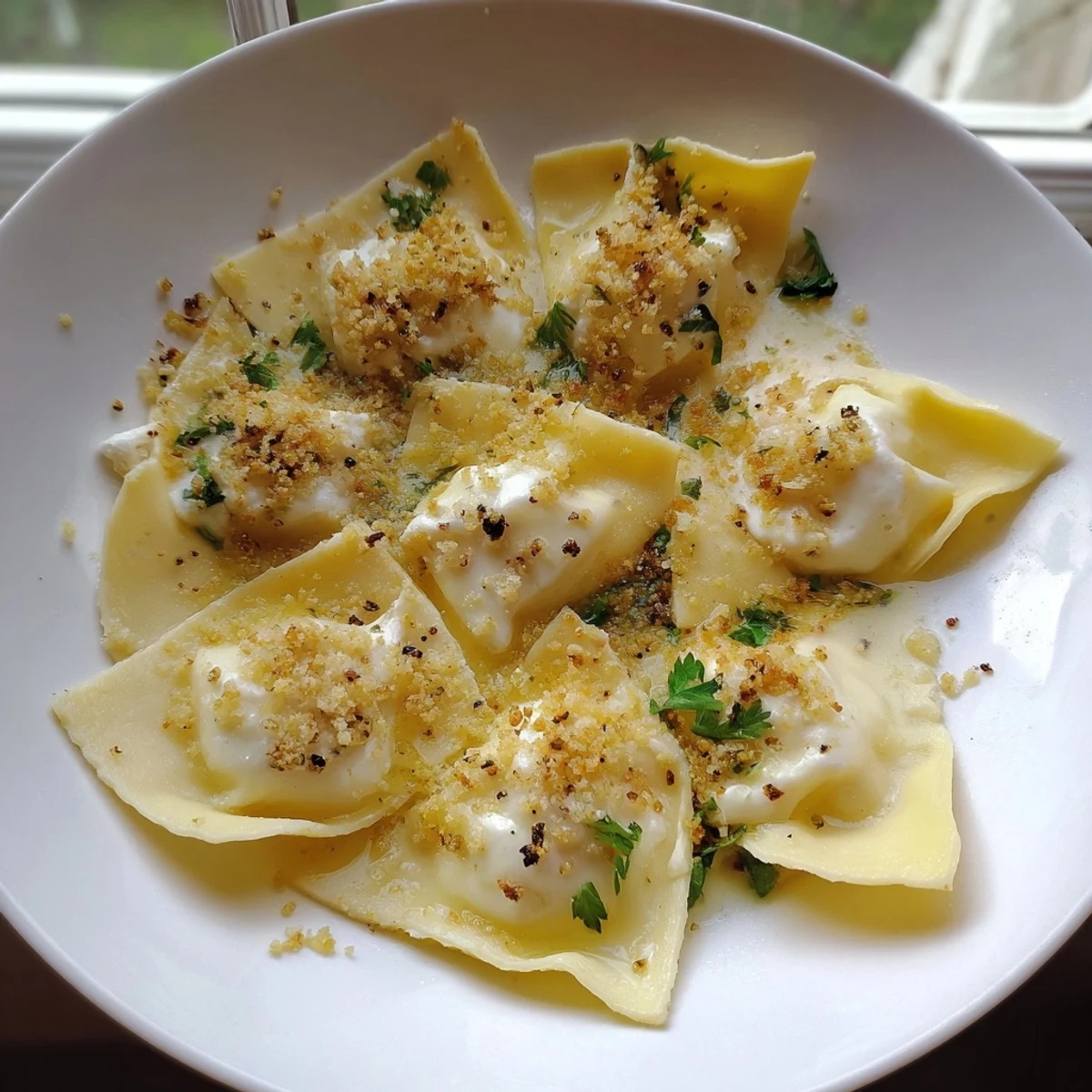
- Arrange the sauced triangoli on warm plates and shower them generously with the lemon butter breadcrumbs. Add an extra sprig of parsley if you have it and serve immediately while the contrast between silky pasta and crunchy topping is at its peak.
 Save
Save I still have a photo from that Rome kitchen, flour in my hair and a crooked triangoli held up proudly between my fingers. It was imperfect and slightly too thick on one side, but it tasted like pure triumph.
Getting the Dough Right Every Time
The biggest variable in fresh pasta is humidity, which means you may need slightly more or less flour than the recipe calls for on any given day. The dough should feel like a firm earlobe when it is properly kneaded and rested. If it springs back quickly when you poke it, you are in good shape.
Choosing and Handling Burrata
Not all burrata is created equal, and the fresher it is the less water it holds. Look for tightly sealed balls with a firm outer shell and a creamy center that oozes slightly when cut. If you can only find very wet burrata, let it drain in a fine mesh strainer for twenty minutes before using it.
Making It Your Own
Once you master the basic triangoli shape, the filling possibilities become wide open and deeply personal. Think of this recipe as a technique you can return to with whatever seasonal ingredients you have on hand.
- A pinch of chili flakes in the breadcrumbs adds a warm kick that cuts through the richness beautifully.
- Substitute well drained ricotta for burrata if you want a firmer filling that is easier for beginners to work with.
- Pour a chilled glass of Pinot Grigio alongside this dish and watch the whole meal elevate itself.
 Save
Save Every time I fold a triangle of pasta I think about that Roman afternoon and how something so small can carry so much warmth. These little parcels are worth every minute of effort.
Recipe FAQs
- → Can I make the pasta dough ahead of time?
-
Yes, the pasta dough can be wrapped tightly in plastic and refrigerated for up to 24 hours. Let it come to room temperature for about 30 minutes before rolling out.
- → What can I substitute for burrata in the filling?
-
Well-drained ricotta works as a substitute, though the texture will be slightly less creamy. Be sure to drain the ricotta thoroughly to prevent a watery filling that could cause the pasta to break open during cooking.
- → How do I prevent the triangoli from sticking together?
-
Place each assembled triangoli on a generously floured tray as you work. Avoid stacking them, and if you need to wait before cooking, dust them lightly with semolina flour, which creates a better barrier against sticking than 00 flour.
- → Can I freeze assembled triangoli before cooking?
-
Absolutely. Arrange the uncooked triangoli in a single layer on a floured baking sheet and freeze until solid, then transfer to an airtight container. Cook directly from frozen, adding 1 to 2 extra minutes to the boiling time.
- → Why is my filling leaking out during cooking?
-
Overfilling is the most common cause. Stick to about 1 teaspoon of filling per square and press the edges firmly to seal. A light brush of water along the edges before folding helps create a strong bond. Also, ensure there's no filling caught in the seal area.
- → What thickness should I roll the pasta for triangoli?
-
Aim for about 1 mm thickness. On a pasta machine, this is typically the second-to-last or third-to-last setting. The dough should be thin enough to be slightly translucent but sturdy enough to hold the filling without tearing.