
 Save
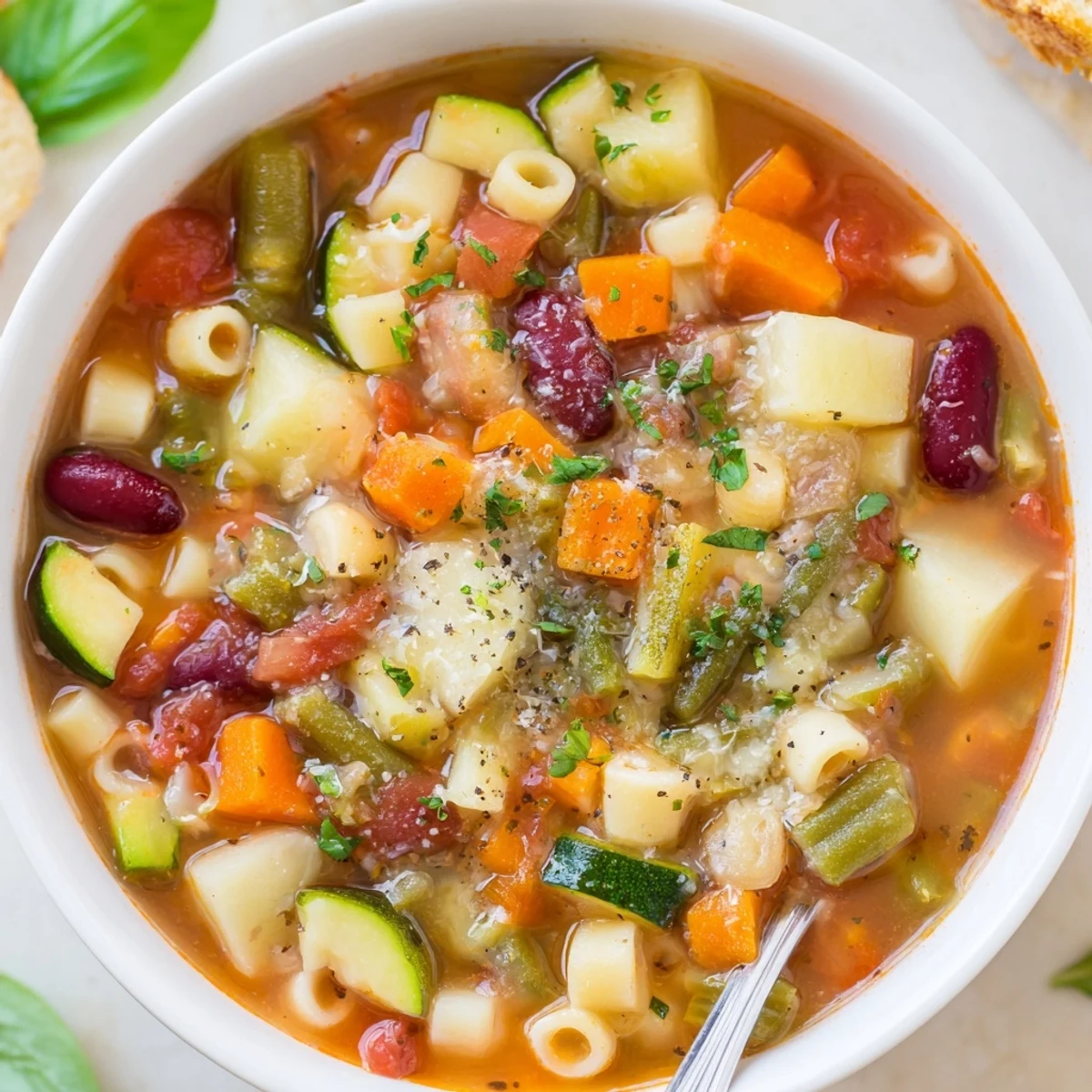
Save This hearty Italian minestrone starts by sautéing onion, carrots and celery in olive oil, then adds garlic, zucchini and potato. Canned tomatoes, green beans and two kinds of beans join the pot with broth and herbs; simmer 15 minutes. Stir in small pasta and cook 10 minutes until tender. Serves six; finish with parsley and grated Parmesan or a plant-based alternative.
The rain was hammering against the kitchen window so hard that October evening that I could barely hear the pot bubbling on the stove, and honestly that suited me just fine. I had thrown together whatever vegetables were languishing in the crisper drawer, more out of stubbornness than inspiration, and the aroma that eventually filled the apartment stopped my roommate mid-sentence. She walked in, spoon already in hand somehow, and said that smells like my nonnas kitchen, which remains the greatest unintentional compliment I have ever received.
I started making this minestrone every Sunday that fall, a big batch that would carry me through lunches and lazy dinners until Wednesday. My neighbor caught wind of it after I left a container on her doorstep when she was sick, and she returned the bowl with a note that just said more please, which is really the only review that matters.
Ingredients
- Olive oil: Use a good quality extra virgin here because it is the foundation flavor of the entire pot.
- Onion, carrots, and celery: This classic soffritto trio is non-negotiable and builds the savory depth that makes everything taste Italian.
- Garlic: Minced fine so it melts into the broth rather than sitting in chunks.
- Zucchini: Adds a gentle sweetness and tender texture that balances the heartier vegetables.
- Potato: It breaks down slightly during cooking and naturally thickens the broth without any cream or flour.
- Green beans: Cut them into bite sized pieces so every spoonful has a bit of snap.
- Diced tomatoes: The canned kind with their juices provide acidity and body, so do not drain them.
- Vegetable broth: A rich one makes all the difference, so taste yours beforehand and choose one you would drink on its own.
- Cannellini beans and kidney beans: Two types of beans give textural variety and a serious protein boost.
- Small pasta: Ditalini is traditional and fits perfectly on a spoon, but elbow macaroni works in a pinch.
- Dried oregano and basil: These dried herbs actually bloom beautifully in the simmering liquid.
- Fresh parsley and Parmesan: Entirely optional but they elevate the bowl from good to something you would serve proudly.
Instructions
- Build the base:
- Heat the olive oil in a large pot over medium heat and add the onion, carrots, and celery, stirring until they soften and the onion turns translucent, about five minutes.
- Wake up the garlic and hearty veg:
- Stir in the garlic, zucchini, and potato, letting everything cook together for three minutes until you can smell the garlic perfuming the kitchen.
- Add the green beans and tomatoes:
- Toss in the green beans and pour the diced tomatoes with all their juices over everything, stirring to coat.
- Pour in the broth and beans:
- Add the vegetable broth, both cans of beans, the dried oregano, basil, bay leaf, and a generous pinch of salt and pepper, then bring it all to a rolling boil.
- Simmer and develop flavor:
- Reduce the heat to low and let the soup simmer gently for fifteen minutes so the vegetables become tender and the broth deepens in color.
- Cook the pasta right in the pot:
- Add the pasta directly to the soup and cook for ten more minutes until the pasta is al dente and the vegetables are perfectly soft.
- Finish and serve:
- Fish out the bay leaf, taste the broth, and add more salt or pepper if it needs it, then ladle into bowls and shower with parsley and Parmesan if you like.
 Save
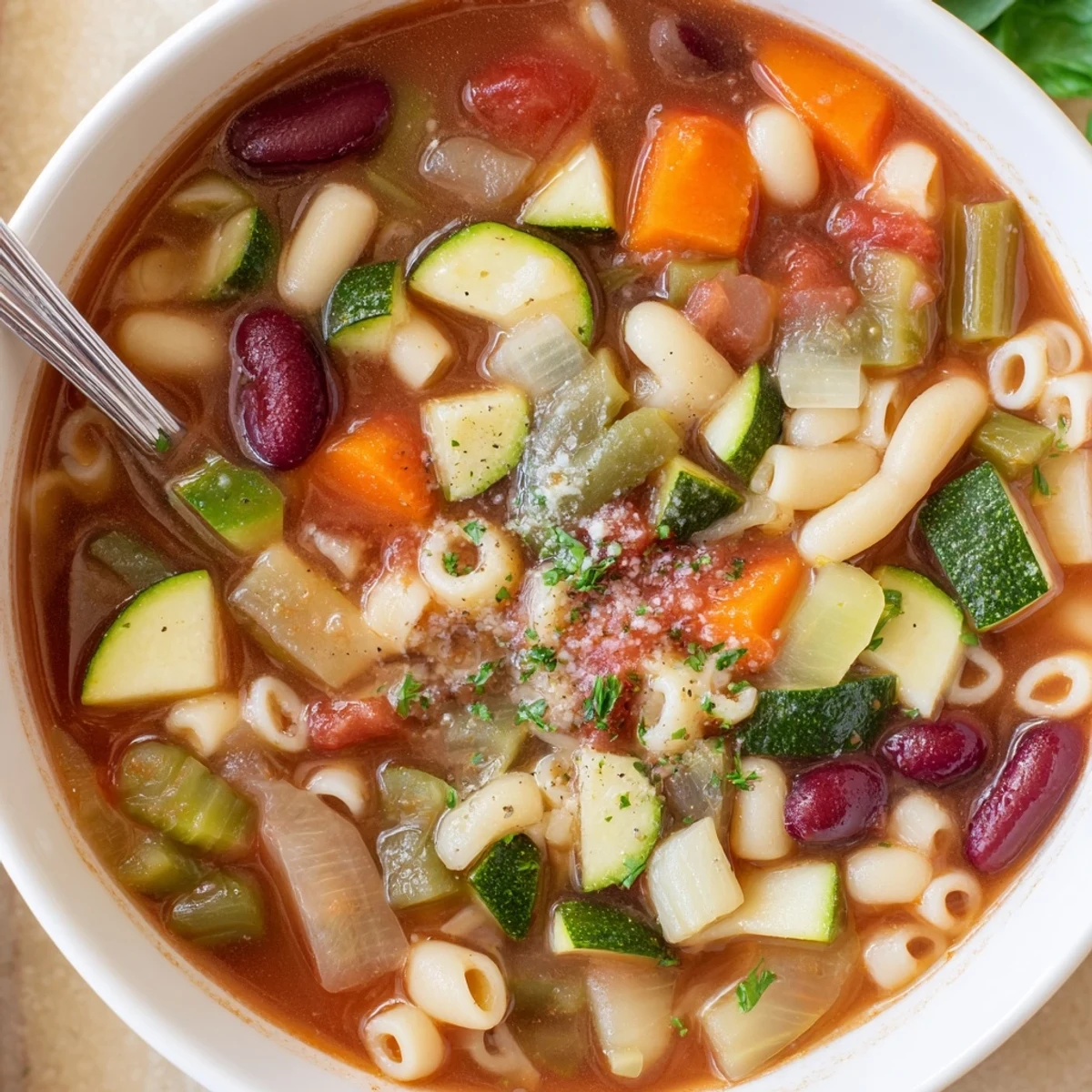
Save One freezing January evening my cousin stopped by unannounced and I had nothing to offer except a container of this soup from the freezer, and she sat at my table eating it in complete silence for ten minutes before looking up and saying this is the kind of food that makes you feel taken care of.
How to Store and Reheat Like a Pro
Let the soup cool completely before transferring it to airtight containers because condensation is the enemy of good leftovers. It will keep in the refrigerator for up to four days and the broth only gets more concentrated and flavorful as it sits. For freezing, portion it into individual servings so you never have to thaw more than you need at once.
Making It Your Own With Seasonal Swaps
The real spirit of minestrone is that it adapts to whatever is growing outside or sitting in your kitchen, so treat the vegetable list as a suggestion rather than a rule. In summer I toss in a handful of fresh basil leaves and maybe some chopped tomatoes right at the end for brightness. During winter a handful of shredded kale or a cup of diced butternut squash transforms it into something completely different and equally satisfying.
A Few Final Thoughts From My Kitchen to Yours
This soup has a way of becoming whatever you need it to be, whether that is a quiet weeknight dinner or a warm offering for someone who could use a little comfort. Trust your instincts with the seasoning and do not be afraid to adjust as you go.
- If the soup thickens too much in the fridge, just stir in a splash of broth or water when reheating.
- A drizzle of really good olive oil on top of each bowl at serving time makes it taste restaurant quality.
- Always taste again before serving because cold dulls salt and you will likely need to adjust.
 Save
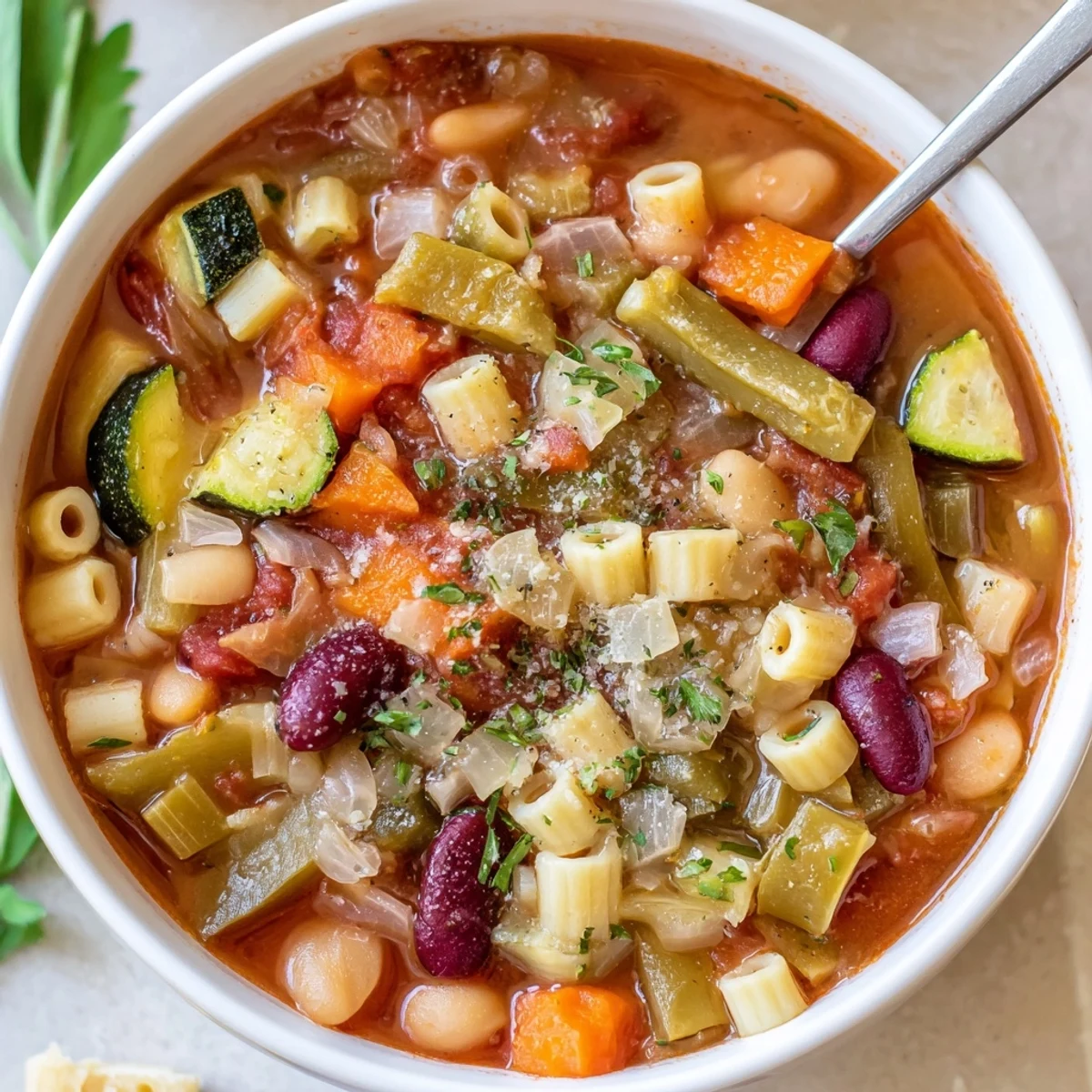
Save Keep this recipe in your back pocket for the nights when you need something warm and unfussy, and I promise it will not let you down.
Recipe FAQs
- → Can I make this vegan?
-
Yes. Omit the grated Parmesan or substitute a plant-based alternative. Use vegetable broth and confirm canned ingredients and pasta are free from animal-derived additives.
- → How do I keep the pasta from getting mushy?
-
Add the small pasta only toward the end of cooking and test for al dente doneness. Alternatively, cook pasta separately and stir it into portions when serving to preserve texture.
- → Is this suitable for freezing?
-
Yes. Cool completely and freeze without the pasta for best results. Thaw and reheat gently, then add freshly cooked pasta just before serving to avoid a soggy texture.
- → What substitutions work well for the vegetables?
-
Swap in seasonal produce like spinach, kale, cabbage, bell pepper or squash. Root vegetables such as parsnip or sweet potato can add sweetness and body.
- → How can I deepen the flavor of the broth?
-
Sauté the aromatics until lightly caramelized, use a good-quality vegetable broth, add a splash of red wine or balsamic vinegar at the end, and finish with fresh parsley to brighten the bowl.
- → How do I adapt this for gluten-free diets?
-
Use certified gluten-free small pasta and check labels on canned beans and broth for hidden gluten. Corn- or rice-based pastas work well in this preparation.