
 Save
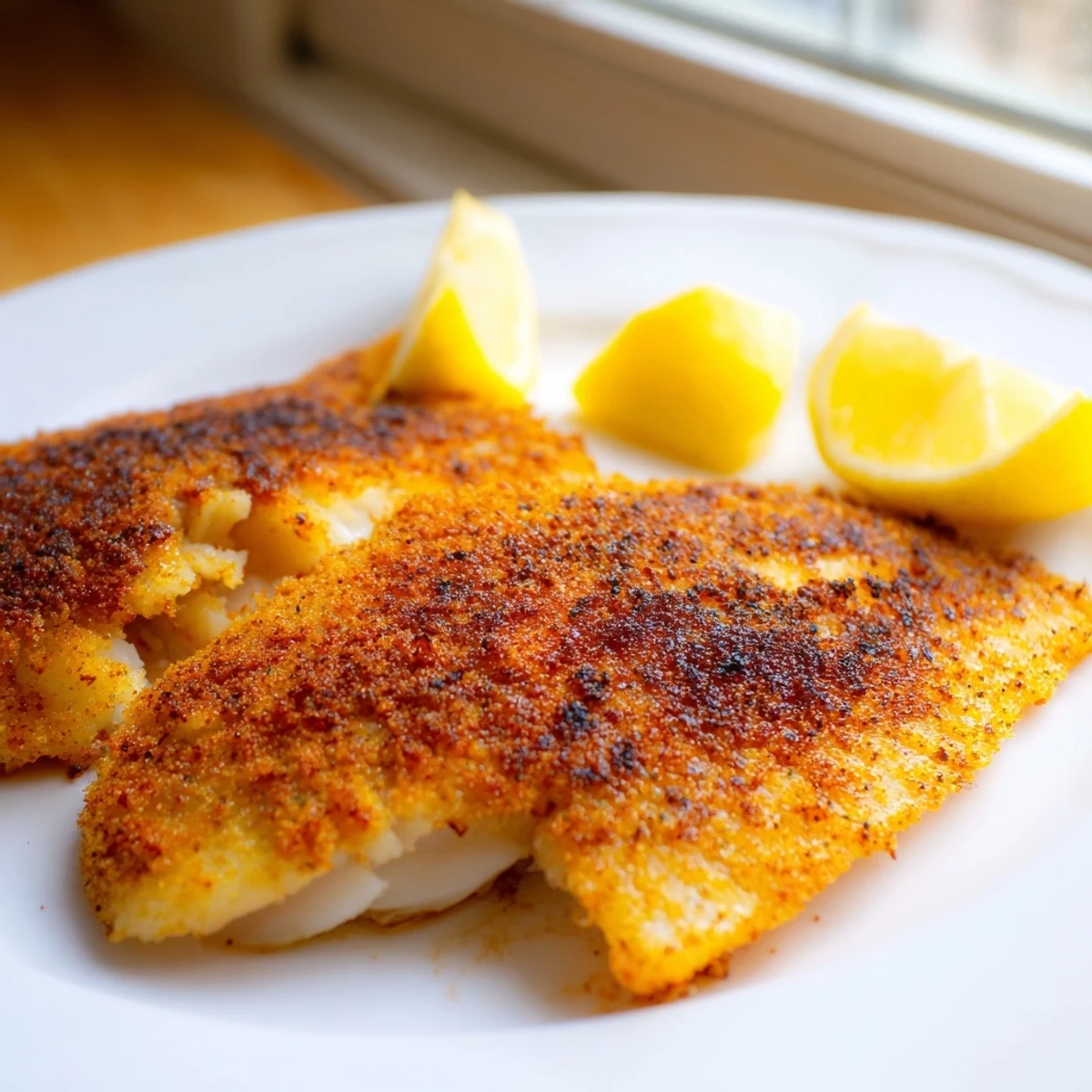
Save This pan-fried tilapia delivers tender, flaky fish with a perfectly crisp golden crust in just 20 minutes. Each fillet is generously seasoned with a blend of paprika, garlic, and onion powder, then seared in olive oil or butter until beautifully golden.
The optional cornmeal coating adds an satisfying crunch, while a squeeze of fresh lemon brightens every bite. At just 210 calories per serving with 32g of protein, it's an ideal choice for a healthy weeknight meal.
Serve alongside steamed vegetables, a fresh salad, or fluffy rice for a complete dinner the whole family will enjoy.
The sizzle of fish hitting a hot skillet on a Tuesday evening is one of those small sounds that makes a kitchen feel alive, and tilapia is the fish that taught me that lesson. I picked up four fillets on a whim at the farmers market, drawn in by how clean and bright they looked nestled on ice. Twenty minutes later I was eating something golden and crisp at my own table, wondering why I had ever thought weeknight fish was complicated. That first bite sold me completely.
A friend stopped by unexpectedly one evening right as I was pulling the skillet off the burner, and we stood in the kitchen eating tilapia straight from the plate with our fingers and lemon wedges. She called it restaurant quality, and I did not bother correcting her because the secret was just salt, paprika, and timing.
Ingredients
- 4 tilapia fillets (about 150g each): Pat them completely dry with paper towels because moisture is the enemy of a good sear and wet fish will steam instead of crisp.
- Salt: Regular table salt works but kosher salt gives you more control since you can see exactly how much lands on the fish.
- Freshly ground black pepper: Pre ground tastes flat beside the paprika, so take the extra ten seconds to crack your own.
- Paprika: This adds a gentle warmth and that beautiful reddish gold color on the crust that makes the dish look as good as it tastes.
- Garlic powder: It distributes evenly across the fillet where fresh garlic would burn in the hot oil before the fish finishes cooking.
- Onion powder: A quiet background note that rounds out the garlic and paprika without announcing itself.
- Cornmeal or gluten free flour (optional): A light dredge in cornmeal creates a texture that crackles when you bite into it, and a little goes a long way.
- Olive oil or unsalted butter: Butter tastes richer but burns faster, so I often start with oil and add a knob of butter at the end for flavor.
- 1 lemon cut into wedges: A squeeze of bright acid right at the end wakes up every spice and makes the whole plate sing.
Instructions
- Mix your seasoning blend:
- Stir together the salt, pepper, paprika, garlic powder, and onion powder in a small bowl until evenly combined, then take a moment to smell it because that warm, earthy aroma is your promise that dinner will be good.
- Season the fillets:
- Sprinkle both sides of each tilapia fillet generously and evenly with the spice mix, pressing it gently into the surface with your fingertips so it adheres rather than falling off in the pan.
- Optional cornmeal dredge:
- If you want extra crunch, lightly coat each seasoned fillet in cornmeal and shake off any excess over the sink because too much coating turns gummy instead of crisp.
- Heat your skillet:
- Set a large nonstick skillet over medium high heat and add the oil or butter, letting it shimmer and just begin to smoke before the fish goes in, since a properly hot pan is the single most important factor in getting that golden crust.
- Cook the first side:
- Lay the fillets in the pan without crowding them and leave them completely alone for three to four minutes until the edges turn golden and the fish releases naturally when you nudge it with a spatula, resisting every urge to peek or flip early.
- Flip and finish:
- Carefully turn each fillet with a fish spatula and cook another two to three minutes until the flesh is opaque all the way through and flakes apart easily when you press gently with a fork.
- Serve immediately:
- Transfer the fillets to warm plates and hand everyone a lemon wedge, because this fish waits for no one and tastes best when the crust is still crackling hot.
 Save
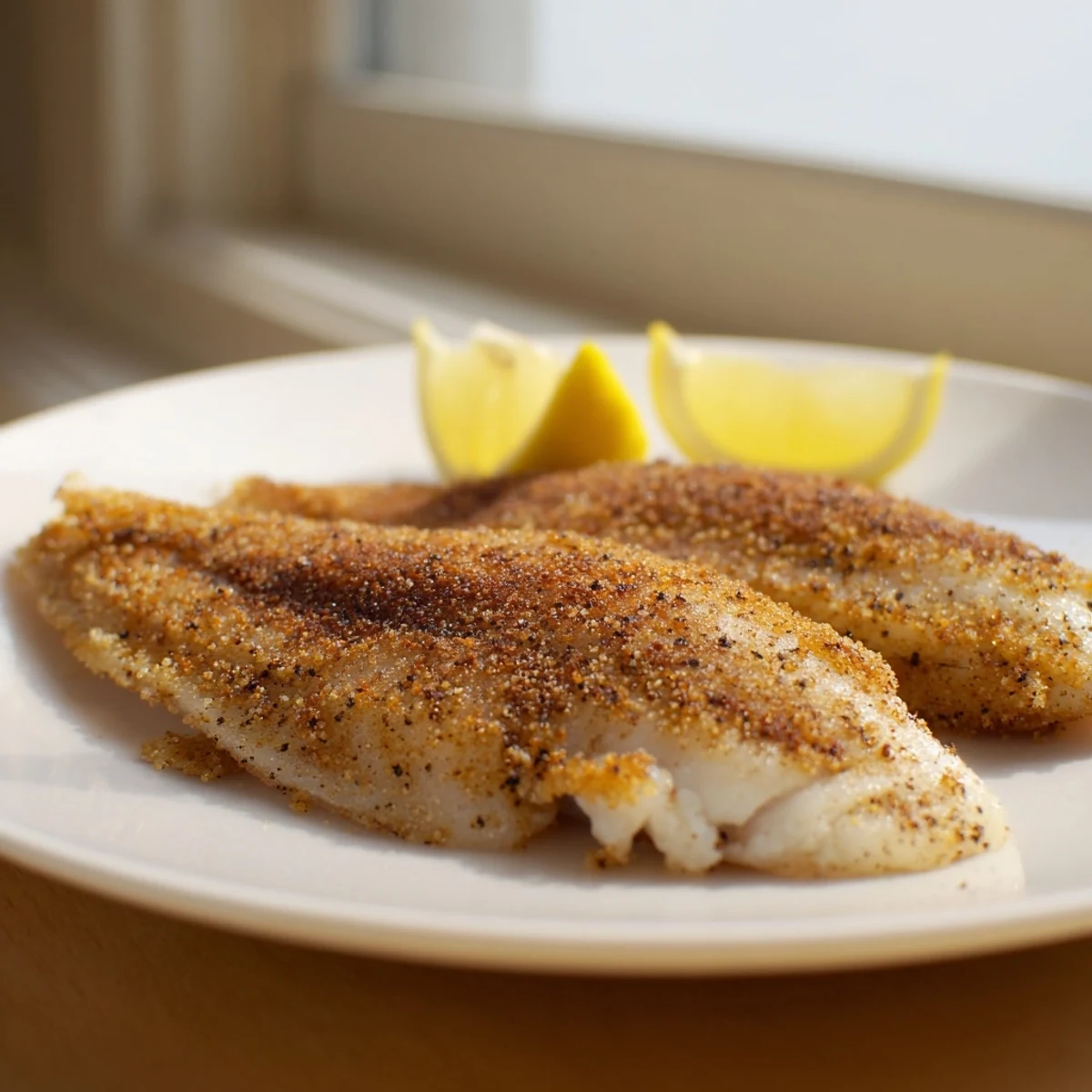
Save I made this for my mother on one of her visits, and she sat quietly after the first bite before saying it reminded her of a tiny seaside café she and my father visited years ago in Portugal. That was never my intention with a bag of grocery store tilapia, but food has a funny way of reaching into corners of memory you did not expect.
What to Serve Alongside
Steamed green beans with a squeeze of lemon echo the brightness of the fish without competing with it, and a simple arugula salad with olive oil and shaved parmesan turns the plate into something that feels intentional and complete.
A Word on Fish Selection
Tilapia is mild and forgiving, which makes it perfect for this technique, but cod, catfish, or sole will all work beautifully with the same seasoning and timing, so buy whatever looks freshest at the counter that day.
Quick Weeknight Pairings
A glass of Sauvignon Blanc or a dry Riesling alongside this fish turns a random Wednesday into something worth savoring, and I have found that even people who say they do not love fish come around when the crust is right and the wine is cold.
- Add a pinch of cayenne to the seasoning blend if you want a subtle heat that builds with each bite.
- Leftover fillets break apart beautifully over a lunch salad the next day, just do not expect them to stay crispy.
- Always double check ingredient labels for allergens, especially if you swap the coating or cooking fat.
 Save
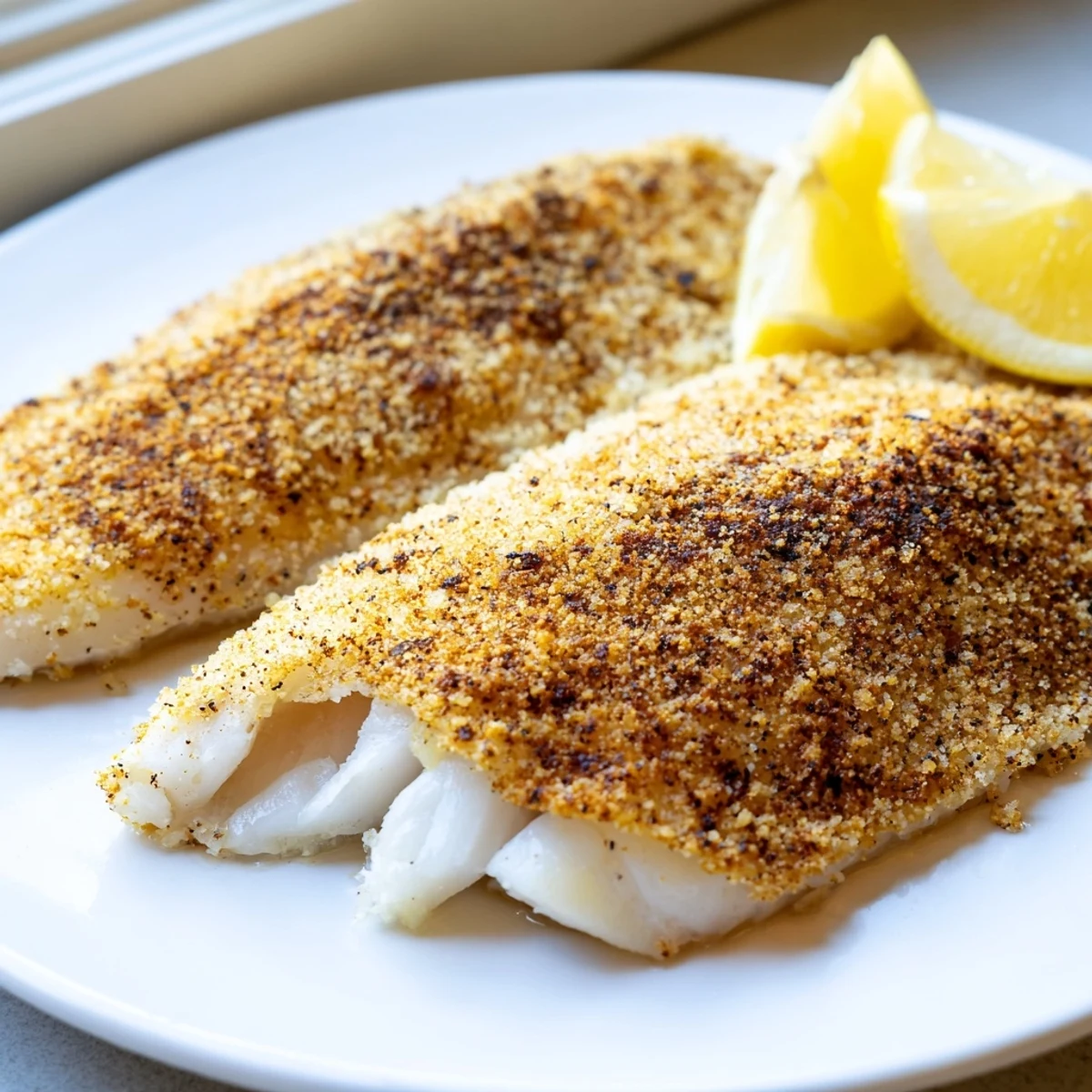
Save Keep this recipe in your back pocket for any night when you want something warm, golden, and satisfying without turning the kitchen upside down. The skillet does most of the work, and the reward is immediate.
Recipe FAQs
- → How do I know when tilapia is fully cooked?
-
Tilapia is done when it turns completely opaque and flakes easily with a fork. The internal temperature should reach 145°F (63°C). Cook for 3–4 minutes on the first side until golden, then flip and cook another 2–3 minutes.
- → Should I use cornmeal or flour for the coating?
-
Cornmeal gives a crunchier, more textured crust, while gluten-free flour creates a lighter, thinner coating. Both work well — it comes down to personal preference. The coating is optional, so you can skip it entirely for a lighter dish.
- → Can I cook all four fillets at once?
-
It's best to cook in batches to avoid crowding the pan. Overcrowding causes the fish to steam rather than sear, resulting in a less crispy crust. Use a large skillet and give each fillet enough space to brown properly.
- → What's the best oil for pan-frying tilapia?
-
Olive oil and butter both work beautifully. Olive oil provides a clean, fruity flavor and higher smoke point, while butter adds richness and a golden color. You can even use a combination of both for the best of each.
- → How should I store and reheat leftover tilapia?
-
Store leftover cooked tilapia in an airtight container in the refrigerator for up to 2 days. To reheat, warm it gently in a skillet over medium heat for a few minutes on each side. Avoid microwaving, as it can make the fish soggy and overcook the delicate flesh.
- → What can I substitute for tilapia?
-
Cod, catfish, sole, and mahi-mahi all make excellent substitutes. Choose firm white fish fillets of similar thickness for even cooking. Adjust cooking time slightly depending on the thickness of your fillets.