
 Save
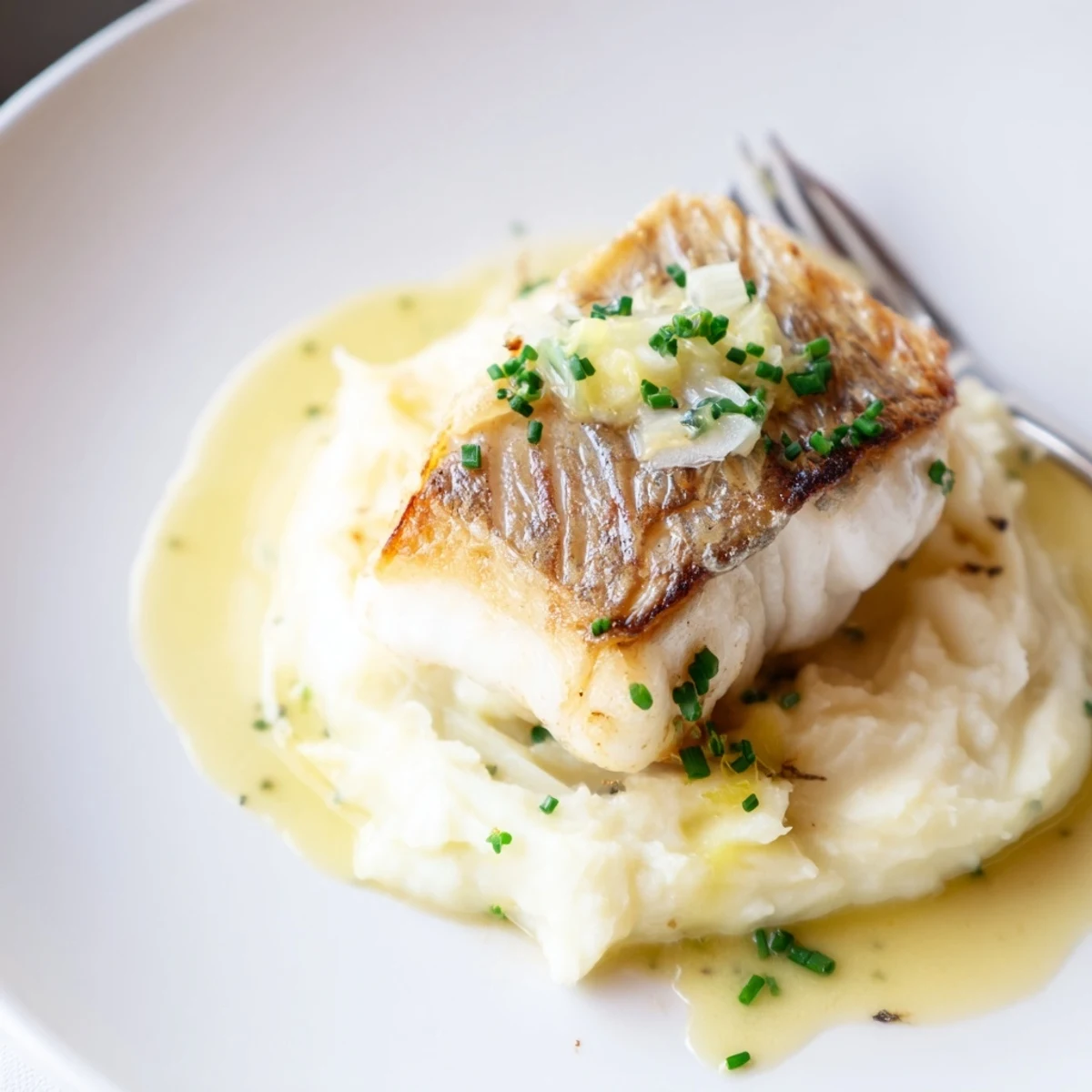
Save This dish pairs golden-seared halibut with a silky parsnip purée and a bright citrus butter sauce. Simmer parsnips and potato in milk until tender, then purée with butter and reserved milk for a smooth texture. Reduce white wine with orange and lemon, then whisk in cold butter off heat to emulsify. Sear halibut 3–4 minutes per side until just cooked, plate over purée, drizzle sauce and finish with chopped chives; swap with cod or sea bass if desired.
The sizzle of fish hitting a hot pan is one of those sounds that instantly makes a kitchen feel alive, and halibut rewards that moment with a golden crust that is worth every second of attention. I started making this dish on rainy Sunday evenings when something elegant but unhurried felt right. The parsnip purée came later, born from a farmers market haul that I refused to waste. Together with a citrus butter sauce that tastes like sunshine, it became the meal I reach for when I want to feel a little fancy without exhausting myself.
A friend once walked into my kitchen while I was whisking butter into the sauce and stood there speechless, sniffing the air like a cartoon character floating toward a pie. I handed her a spoonful of the purée to taste and she immediately declared it dangerous, meaning she would eat the entire bowl if left unattended. That dinner turned into a three hour conversation that never needed anything more than a second glass of wine to keep it going.
Ingredients
- 4 halibut fillets (about 170 g each), skinless: Fresh is best here, and thickness matters more than perfection, so look for even fillets that will cook uniformly.
- 2 tbsp olive oil: A neutral flavored olive oil lets the fish shine without competing.
- Salt and freshly ground black pepper: Season generously, as halibut is lean and benefits from bold seasoning.
- 500 g parsnips, peeled and sliced: Choose smaller parsnips since they tend to be sweeter and less woody.
- 1 small potato, peeled and diced: This gives the purée body and prevents it from becoming gluey.
- 2 cloves garlic, peeled: Simmered in milk, the garlic turns mellow and sweet.
- 400 ml whole milk: Full fat milk is non negotiable for the silkiest texture.
- 2 tbsp unsalted butter (for purée): Adds richness that rounds out the earthy parsnip flavor.
- Salt and white pepper (for purée): White pepper keeps the purée visually pristine.
- 100 ml dry white wine: Something you would drink works perfectly here.
- 50 ml freshly squeezed orange juice: Fresh juice makes a noticeable difference in brightness.
- 30 ml freshly squeezed lemon juice: Balance is everything, and the lemon keeps the orange from being cloying.
- 1 small shallot, finely chopped: Shallot gives aromatic depth without sharpness.
- 120 g unsalted butter, cubed and cold (for sauce): Cold butter is the trick to a glossy, emulsified sauce.
- Zest of 1 lemon: Stirred in at the end, it wakes up every flavor on the plate.
- Fresh chives, finely chopped: A pop of green and mild onion flavor that ties everything together.
Instructions
- Simmer the roots:
- Combine parsnips, potato, garlic, and milk in a saucepan, bring to a gentle simmer over medium heat, and cook uncovered until everything is fork tender, about 15 to 18 minutes. The kitchen will smell subtly sweet and earthy as the parsnips soften into the milk.
- Blend into silk:
- Drain the vegetables but reserve a splash of the milk, then transfer everything to a blender or food processor with the butter, salt, and white pepper. Purée until impossibly smooth, adding reserved milk only if needed to loosen it, and keep it warm.
- Reduce the sauce base:
- In a small saucepan, combine the wine, orange juice, lemon juice, and shallot, then simmer until the liquid has reduced to roughly three tablespoons. Watch it closely toward the end because it reduces faster than you expect.
- Whisk in the butter:
- Lower the heat and add the cold butter cubes one at a time, whisking constantly until the sauce turns velvety and thick. Strain out the shallot pieces, season with salt, pepper, and lemon zest, and keep warm without letting it boil.
- Sear the halibut:
- Pat the fillets thoroughly dry and season them well with salt and pepper, then heat olive oil in a large non stick skillet over medium high heat until the oil shimmers. Lay the fish in gently and cook three to four minutes per side until deeply golden and just opaque through the center.
- Plate with intention:
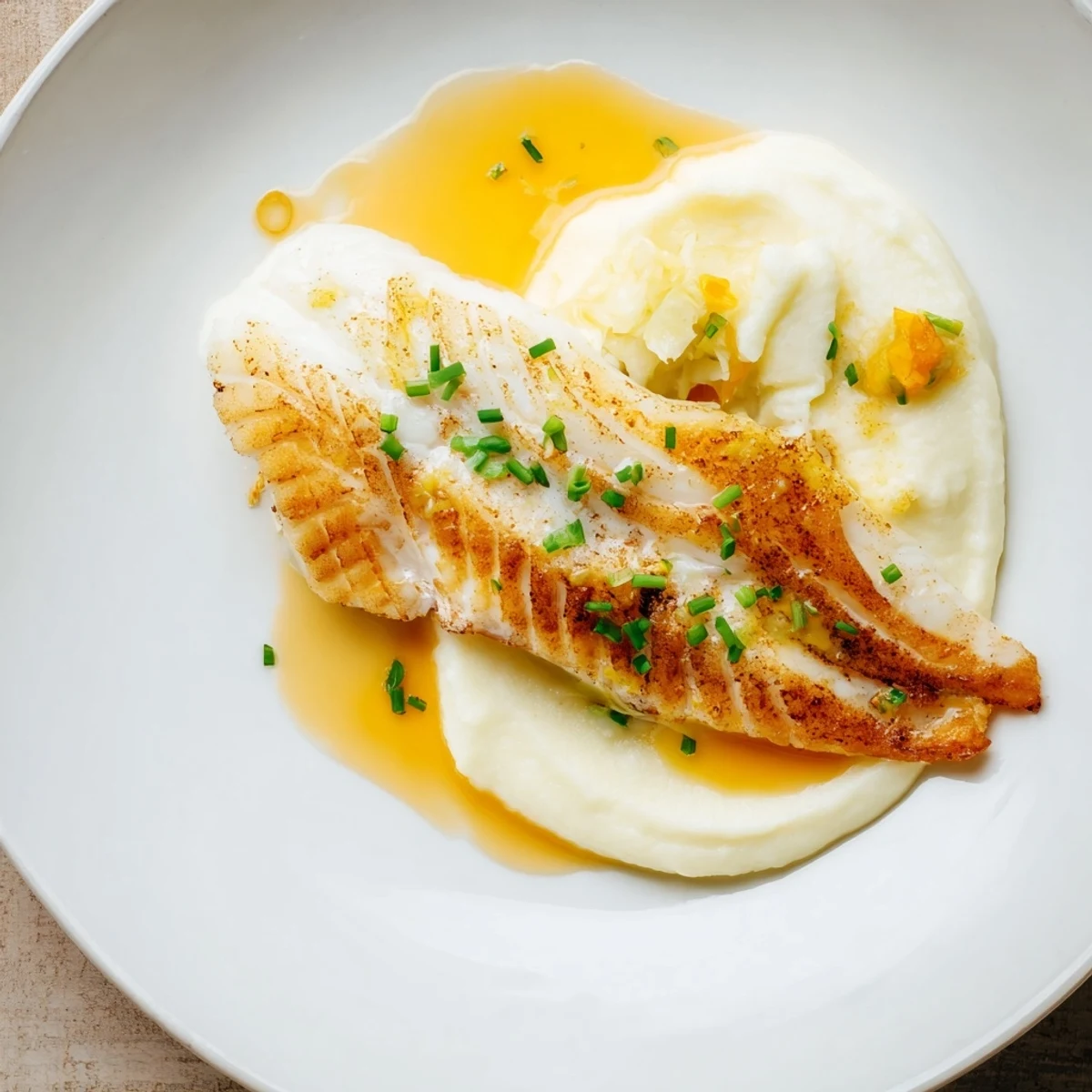
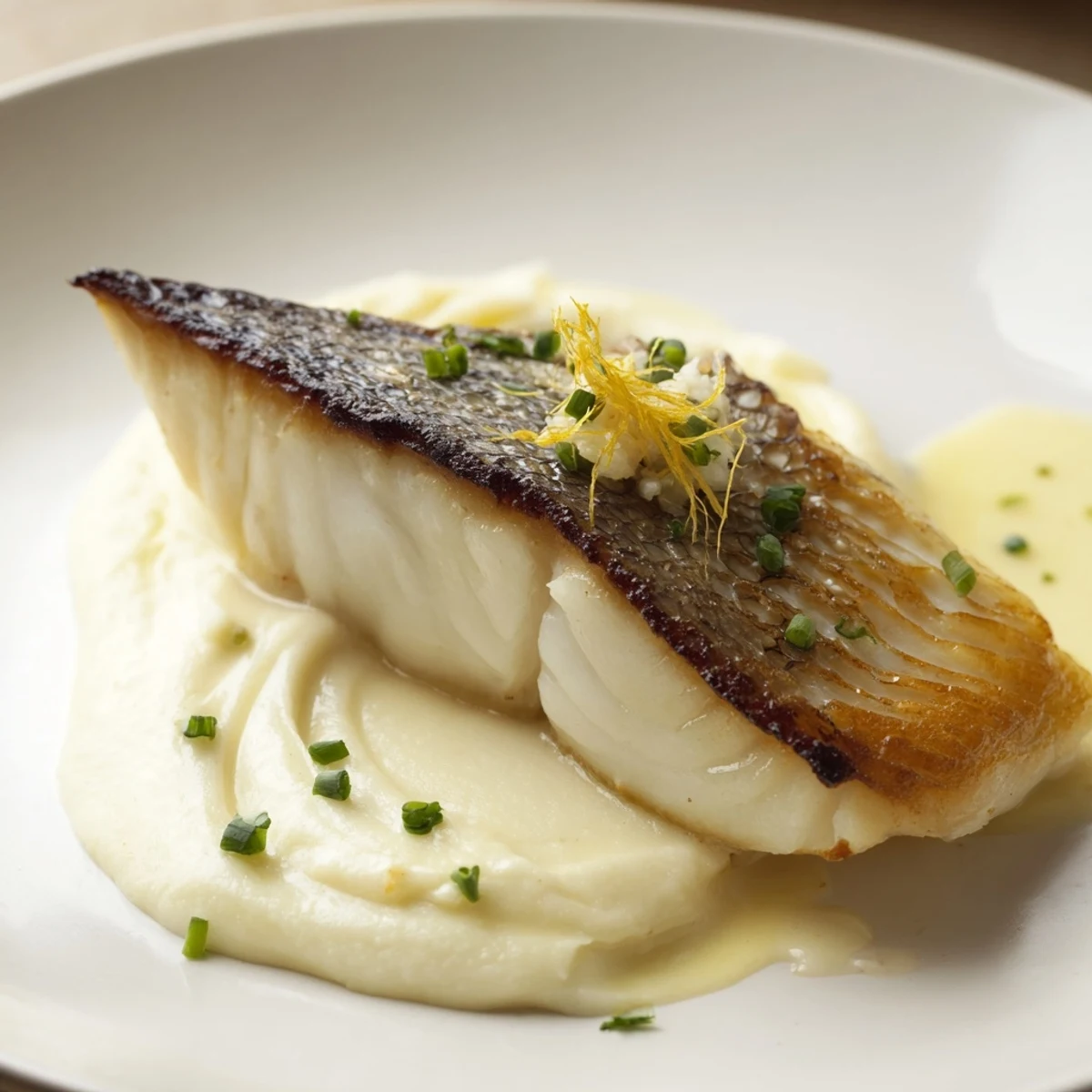
- Spoon a generous swoosh of parsnip purée across each plate, set a halibut fillet on top, and drizzle the citrus butter sauce over and around the fish. Finish with a scatter of fresh chives and serve right away while everything is hot and glistening.
 Save
Save I once plated this dish for my mother on her birthday, and she paused with her fork hovering midair just looking at it before finally saying it was almost too pretty to eat. She ate every last bite anyway, and then used a piece of bread to mop up the sauce she refused to leave behind.
What to Know Before You Start
Halibut is a forgiving fish as long as you do not overcook it, so pull it from the pan the moment it flakes easily when pressed gently. The purée can be made ahead and gently reheated with a splash of milk, which makes the final assembly much less stressful if you are cooking for guests.
Swaps and Substitutions
Cod or sea bass will stand in beautifully for halibut if that is what you find, and the cooking method stays exactly the same. A pinch of nutmeg in the purée is a quiet revelation that adds warmth without announcing itself.
Serving Suggestions and Final Thoughts
A glass of chilled Sauvignon Blanc or a lightly oaked Chardonnay is the companion this dish deserves. Keep sides minimal since the purée is rich enough on its own.
- A simple arugula salad with lemon vinaigrette cuts through the richness perfectly.
- Toasted crusty bread is essential for anyone who refuses to leave sauce behind.
- Remember that this meal is about enjoying the process as much as the result.
 Save
Save This is the kind of dish that turns an ordinary evening into something worth remembering, and it asks nothing more from you than a little patience and a willingness to pour yourself a glass of wine while you cook.
Recipe FAQs
- → How do I know when halibut is done?
-
Halibut is done when it flakes easily with a fork and the flesh is opaque throughout; aim for slightly moist center—about 3–4 minutes per side on medium-high heat for 170 g fillets.
- → How can I keep the parsnip purée silky?
-
Cook parsnips and a small potato until very tender, then blend with warm milk and butter. Use reserved cooking milk to adjust consistency and strain if you want an extra-smooth finish.
- → What’s the best way to finish the citrus butter sauce?
-
Reduce wine and citrus to concentrate flavor, then remove from heat and whisk in cold butter cubes gradually to create a velvety emulsion. Do not boil after adding butter to avoid separation.
- → Can I make components ahead of time?
-
Yes. Purée can be made and refrigerated; gently rewarm with a splash of milk. The sauce can be made to the reduction stage and cooled; finish by whisking in cold butter just before serving.
- → Any good substitutions for halibut?
-
Firm white fish like cod or sea bass work well—adjust searing time for thickness. For a different flavor, try a light herb crust or finish with a squeeze of extra citrus.
- → Which wine pairs best with this dish?
-
A chilled Sauvignon Blanc or a lightly oaked Chardonnay complements the citrus butter and the richness of the purée without overpowering the fish.