
 Save
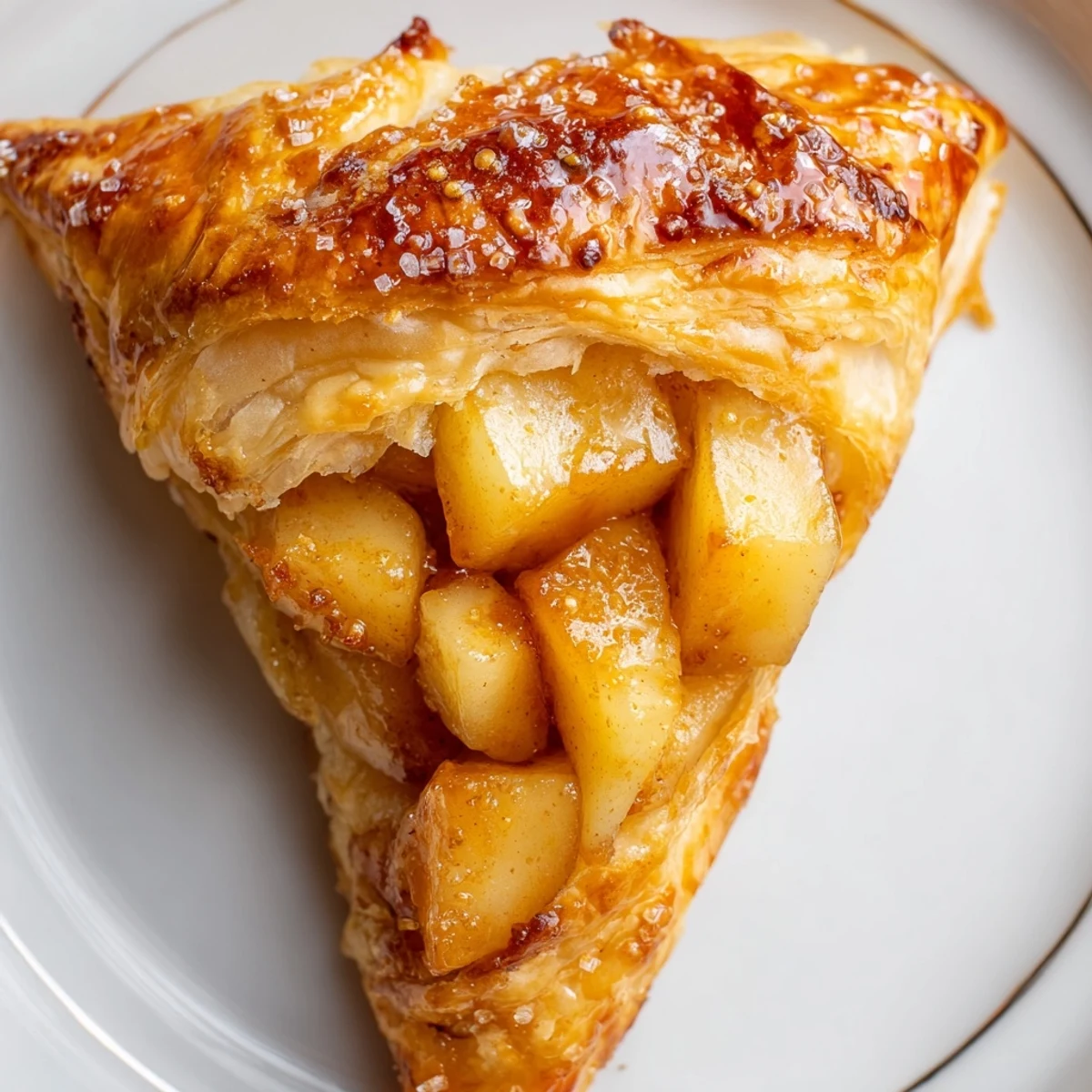
Save Start by sautéing diced pears with butter, brown sugar, lemon, cinnamon and nutmeg until tender and thickened, then cool. Cut thawed puff pastry into six squares, add filling, fold and seal. Brush with beaten egg, sprinkle sugar and bake at 200°C (400°F) for 18–22 minutes until golden and puffed. Serve warm alone or with vanilla ice cream; total time about 45 minutes.
The kitchen smelled like a Parisian bakery the afternoon I threw together leftover pears and a lonely sheet of puff pastry, not expecting much beyond a quick snack. What came out of the oven twenty minutes later was a golden, flaky pocket of spiced fruit that made me close my eyes and smile. My daughter walked in, grabbed one off the cooling rack, and declared it her new favorite thing before I even had a chance to plate them. That humble little pastry has since become my go-to when I want something impressive without the fuss.
I made a double batch for a neighborhood potluck last fall and watched people hover around the dessert table, sneaking seconds before dinner was even served. One neighbor pulled me aside and asked which patisserie I had ordered them from, and I almost felt guilty admitting the truth.
Ingredients
- Ripe pears: Use Bartlett or Anjou when they yield slightly to pressure, as their natural sweetness caramelizes beautifully in the pan.
- Brown sugar: A couple of tablespoons is all you need to deepen the fruit flavor without turning it into candy.
- Ground cinnamon and nutmeg: These warm spices are the soul of the filling, and fresh ground nutmeg makes a noticeable difference.
- Lemon juice: Just a splash keeps the pears from browning and balances the sweetness with a gentle brightness.
- Unsalted butter: Melting it in the skillet first coats the pears in richness and helps everything come together quickly.
- Puff pastry: Store bought is perfectly fine here, just make sure it is fully thawed but still cold to the touch.
- Egg: Beaten and brushed on top for that bakery worthy golden shine.
- Granulated sugar: A final sprinkle creates a delicate crunch on the crust that makes each bite satisfying.
Instructions
- Preheat and prepare:
- Set your oven to 200 degrees Celsius (400 degrees Fahrenheit) and line a baking sheet with parchment paper so nothing sticks.
- Cook the pear filling:
- Melt the butter in a skillet over medium heat, then toss in the diced pears, brown sugar, cinnamon, nutmeg, and lemon juice. Stir occasionally for about five to seven minutes until the pears soften and the juices thicken into a glossy glaze, then set aside to cool for ten minutes.
- Cut and shape the pastry:
- On a lightly floured surface, unroll the puff pastry and cut it into six equal rectangles or squares, whatever shape feels right to you.
- Fill and fold:
- Spoon a generous mound of the cooled pear filling onto one half of each piece, then fold the pastry over and press the edges shut with a fork to keep everything sealed inside.
- Brush and sprinkle:
- Arrange the pastries on your prepared sheet, brush the tops with beaten egg, and finish with a light shower of granulated sugar.
- Bake until golden:
- Slide them into the oven for eighteen to twenty two minutes until they have puffed up dramatically and turned a deep, tempting gold.
- Cool and serve:
- Let them rest just long enough that you do not burn your tongue, then serve warm on their own or alongside a scoop of vanilla ice cream for pure comfort.
 Save
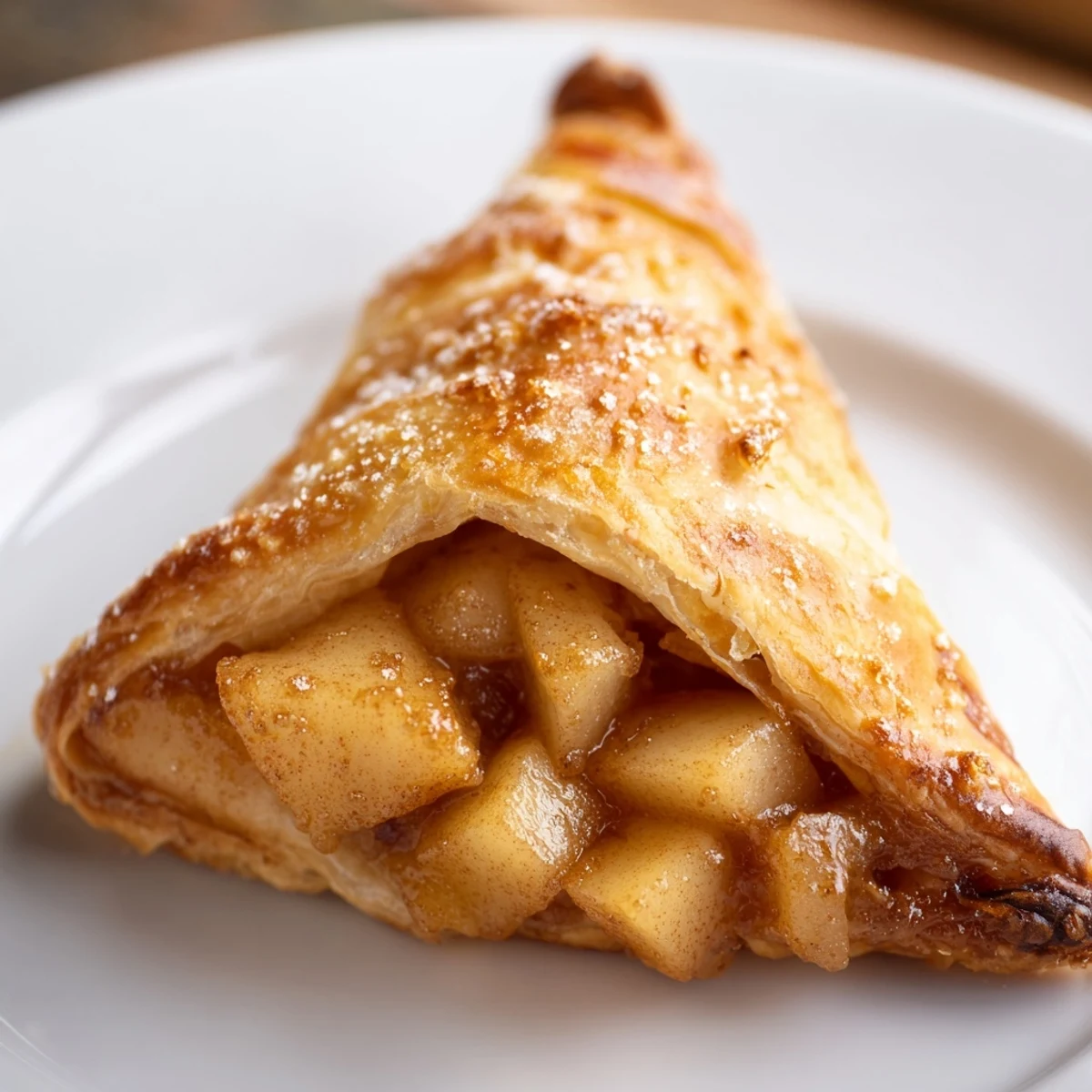
Save The night my son helped me make these, he pressed the fork tines into the edges with intense concentration, proud of every crimped seal. We sat on the kitchen floor eating warm pastries straight from the pan, and I realized these small moments are the real reason I keep coming back to this recipe.
Choosing the Right Pears
Not all pears behave the same way in a hot skillet. Firm, slightly underripe pears hold their shape and give you distinct tender pieces, while very soft pears will break down into more of a jammy filling, which is also delicious if that is what you prefer.
Making It Your Own
A handful of chopped walnuts or almonds folded into the filling adds a welcome crunch that contrasts with the soft fruit. You can also swap pears for apples when the mood strikes, using the exact same method for an equally satisfying result.
Storing and Reheating
These pastries are at their absolute best fresh from the oven, but they can be revived the next day with a quick trip back into a moderate oven for a few minutes.
- Store any leftovers in an airtight container at room temperature for up to one day.
- Reheat at 160 degrees Celsius (325 degrees Fahrenheit) for about five minutes to restore the crispness.
- Avoid the microwave, as it will make the pastry soggy and sad.
 Save
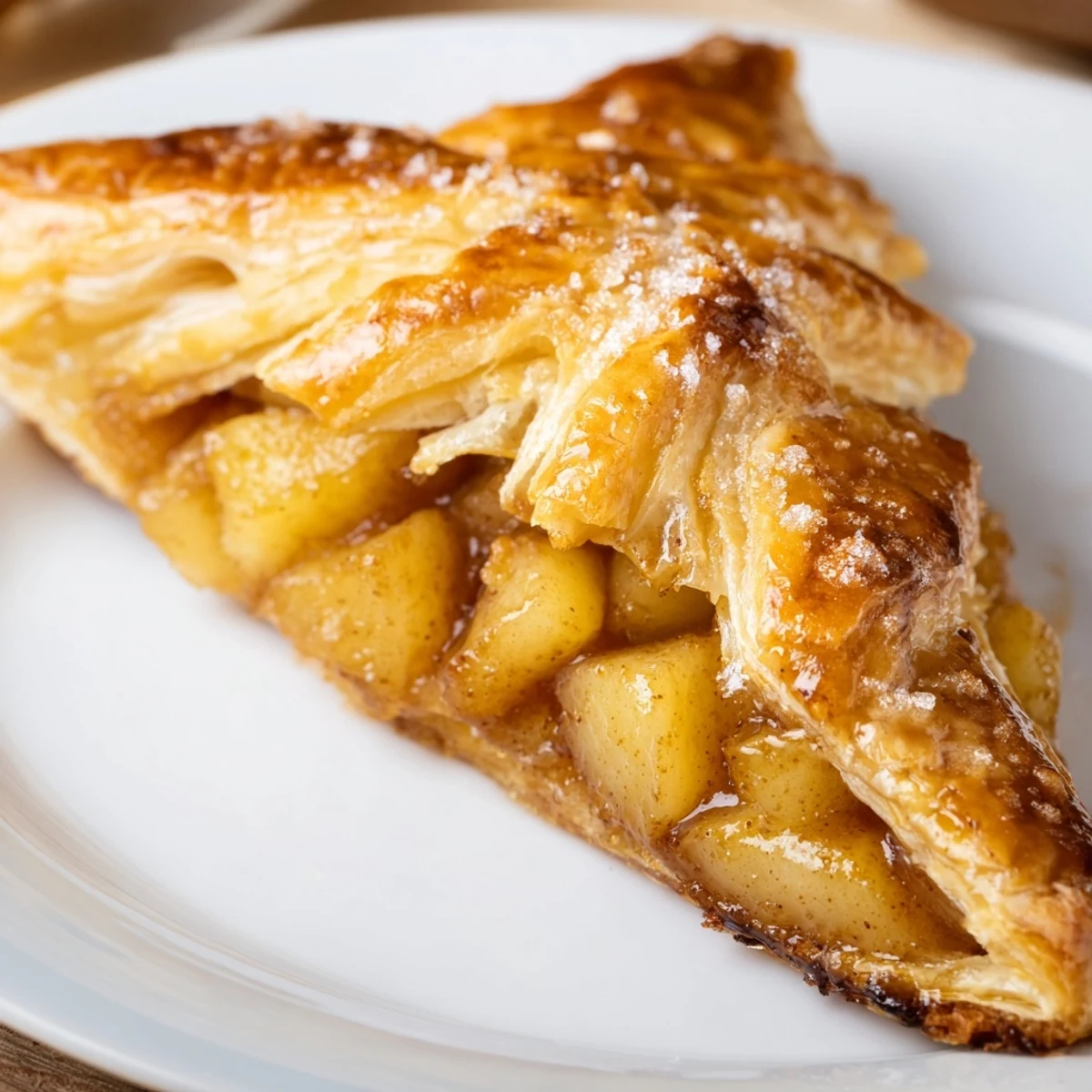
Save Some recipes become staples because they are easy, and others earn their place because they make people happy around your table. This one does both, and that is worth holding onto.
Recipe FAQs
- → Can I use canned or frozen pears?
-
Yes. If using canned pears, drain thoroughly and pat dry to avoid excess moisture; reduce added sugar. For frozen pears, thaw and drain, then cook briefly to evaporate extra liquid before combining with spices.
- → How do I avoid a soggy bottom?
-
Cook the filling until thick and slightly reduced, let it cool before filling, and avoid overfilling the pastry. A hot oven (200°C/400°F) and well-preheated baking sheet help ensure a crisp base.
- → Can I prepare these ahead of time?
-
Yes. Assemble and freeze unbaked turnovers on a tray, then transfer to a bag; bake from frozen adding a few extra minutes. Alternatively, bake fully, cool, refrigerate, and reheat in a hot oven to restore crispness.
- → What nuts or additions work well in the filling?
-
Chopped toasted walnuts or almonds add a pleasant crunch. Fold them into the cooled filling to maintain texture. A splash of vanilla or a pinch of cardamom also complements the pears.
- → Any tips for the flakiest puff pastry?
-
Keep pastry cold and handle it minimally. Work quickly, chill assembled pieces briefly if pastry softens, and use a sharp cutter to seal edges. High initial oven heat yields better lift and flake.
- → Can I swap pears for another fruit?
-
Yes—apples are a great substitute. Choose firm varieties, adjust sugar to taste, and cook until tender. Berries may require a thickener to prevent overly wet filling.