
 Save
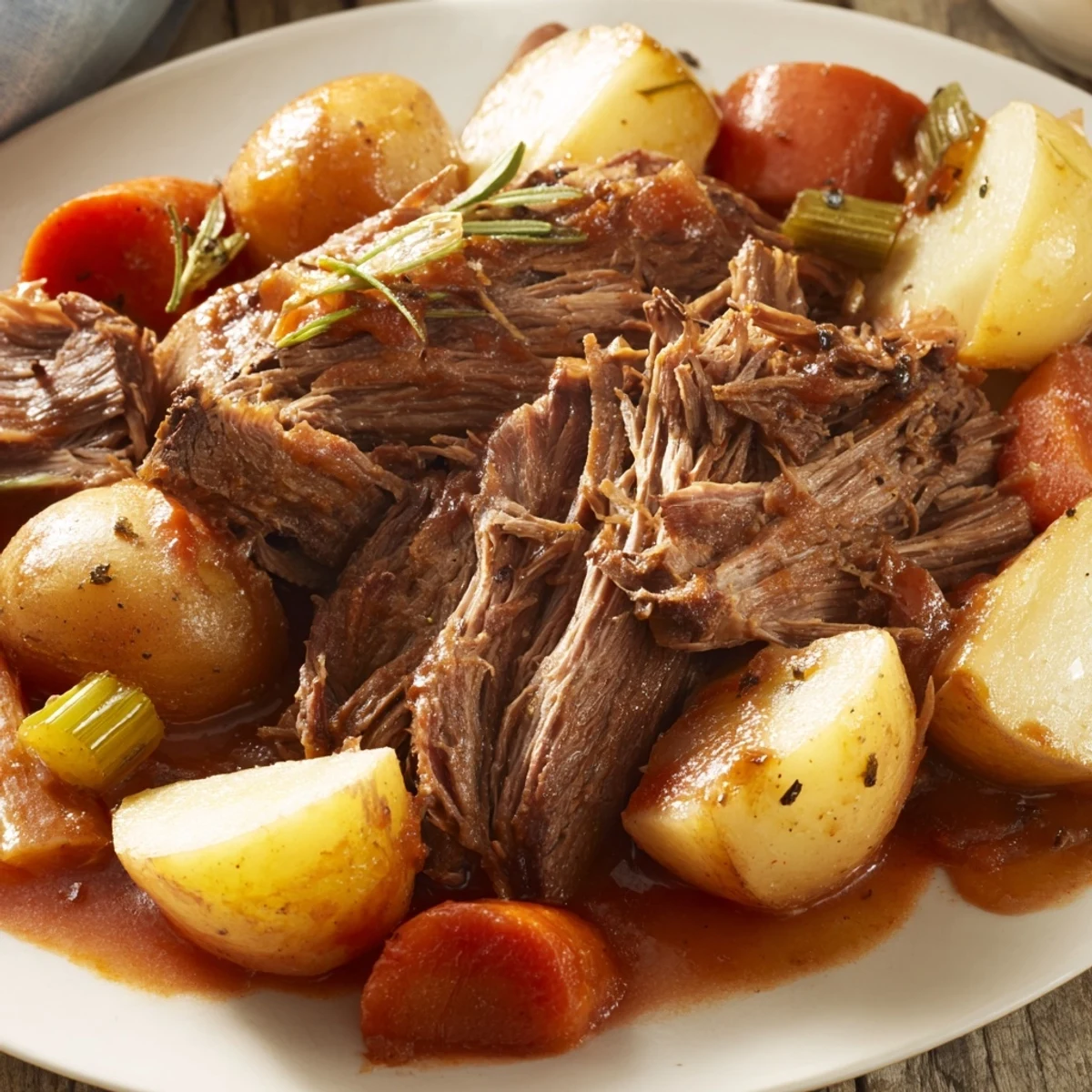
Save This classic pot roast transforms a humble beef chuck into a fork-tender masterpiece through low, slow oven braising. Searing the meat first builds a deep, caramelized crust while deglazing with red wine unlocks layers of savory flavor.
Hearty root vegetables — carrots, potatoes, celery, and onions — simmer alongside the beef, soaking up the rich herb-infused broth. Thyme, rosemary, and bay leaves perfume everything with earthy warmth.
Plan for about 3 hours of hands-off oven time, making this ideal for lazy weekend afternoons when the house fills with irresistible aromas.
The screen door would slam shut around five every Sunday, and the whole house already smelled like something deep and savory had been living in the oven for hours. My grandmother never measured anything for her pot roast, she just knew by feel, pressing her thumb into the meat to test its surrender. That particular alchemy of wine, herbs, and time turned a humble cut of beef into something that made everyone at the table go quiet after the first bite.
I tried making pot roast in my first apartment with a pot far too small and a bottle of cooking wine that cost three dollars. The roast emerged gray and stubborn, and my roommate politely suggested we order pizza. That failure bothered me enough to keep trying until I learned that patience, a heavy Dutch oven, and actual dry red wine make all the difference.
Ingredients
- Beef chuck roast (3 to 4 pounds): Chuck carries the right amount of marbling to stay moist through a long braise, so do not substitute a leaner cut unless you enjoy chewing vigorously.
- Kosher salt and black pepper: Season generously on all sides before searing because this is your only chance to build a crust with real flavor.
- Olive oil: A neutral oil works, but olive oil adds a subtle fruitiness that plays well with the herbs.
- Yellow onion: Slice it thick so the rings hold their shape and melt into sweet layers by the end.
- Carrots: Cut them on the thicker side because thin pieces will dissolve into the broth before the roast is done.
- Yukon gold potatoes: They hold together better than russets during a slow braise, maintaining a creamy but intact texture.
- Celery stalks: These disappear into the background, providing an earthy backbone you would miss if you left them out.
- Garlic cloves: Smash them rather than mincing so they soften into mild, sweet pockets throughout the sauce.
- Tomato paste: A small amount adds body and a gentle tang that balances the richness of the meat.
- Dry red wine: Use something you would actually drink because its flavor concentrates as it reduces.
- Beef broth: Pour enough to reach halfway up the sides of the roast, which keeps the braise moist without turning it into soup.
- Dried thyme and rosemary: These sturdy herbs hold up during the full cooking time and perfume the entire pot.
- Bay leaves: Remember to count how many go in so you can fish them all out before serving.
Instructions
- Preheat and prepare:
- Set your oven to 325 degrees Fahrenheit and pull the roast from the refrigerator so it loses its chill while the oven warms up. Pat every surface bone dry with paper towels because moisture is the enemy of a good sear.
- Season and sear:
- Coat the roast on all sides with salt and pepper, then lower it into hot olive oil in your Dutch oven. Let it sit undisturbed for three to four minutes per side until a deep brown crust forms, resisting the urge to poke or move it.
- Build the vegetable base:
- Remove the seared roast and drop in the onions, carrots, and celery, stirring to coat them in the leftover fond. After five minutes, add the smashed garlic and tomato paste, cooking just until the paste darkens slightly and smells sweet.
- Deglaze with wine:
- Pour in the red wine and scrape the bottom of the pot with a wooden spoon, loosening every browned bit stuck there. Let the liquid reduce by half so the alcohol cooks off and what remains is pure concentrated flavor.
- Assemble the braise:
- Nestle the roast back into the pot, scatter the potatoes, thyme, rosemary, and bay leaves around it, then pour in the beef broth until it reaches halfway up the meat. Bring everything to a gentle simmer on the stovetop before covering with a tight lid.
- Bake low and slow:
- Transfer the covered pot to the oven and let it cook undisturbed for two and a half to three hours. You will know it is ready when a fork slides into the center with zero resistance.
- Rest and serve:
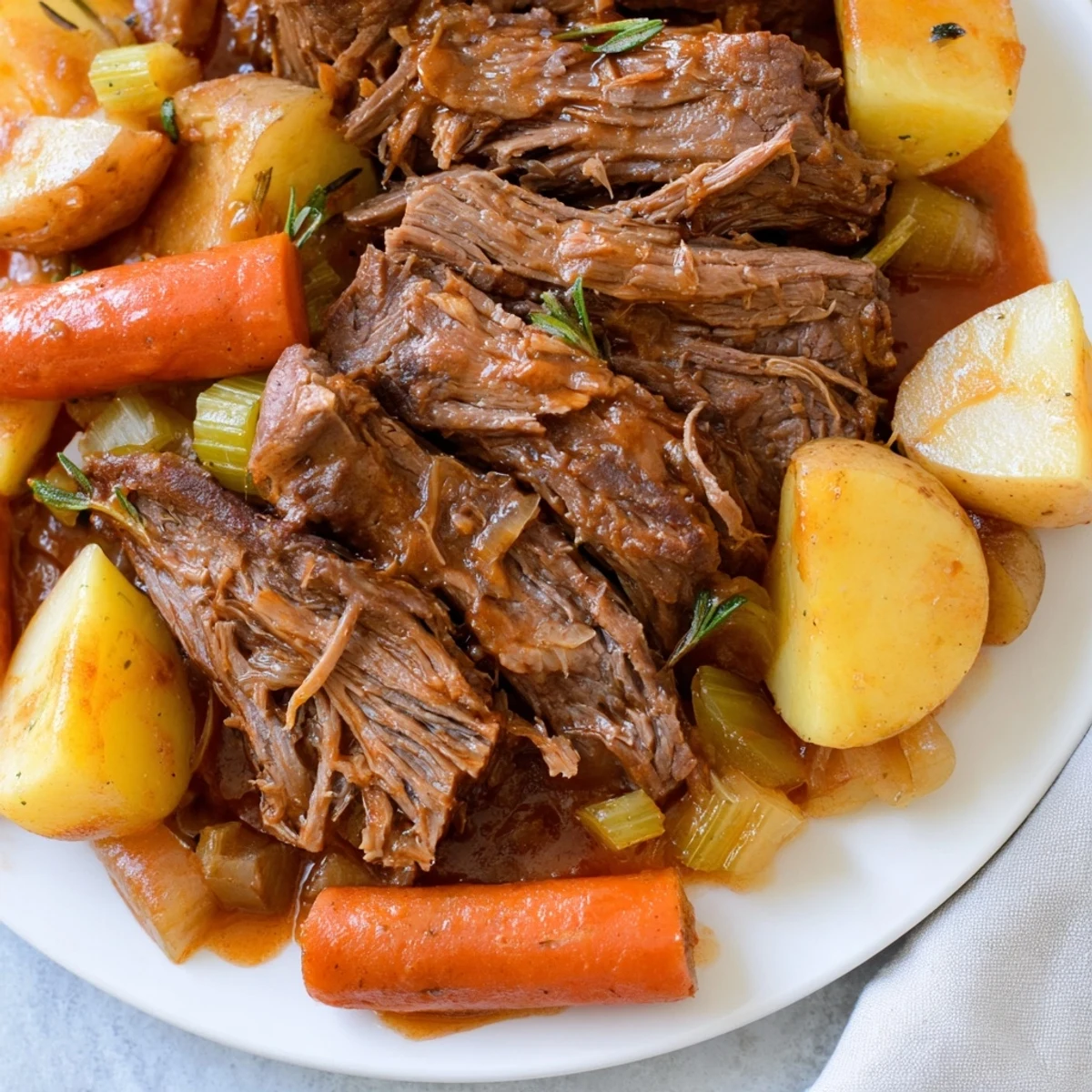
- Move the roast and vegetables to a warm platter, discard the bay leaves, and skim any excess fat from the surface of the remaining juices. Slice or shred the beef and ladle the pan sauce generously over everything.
 Save
Save One winter evening my father walked into the kitchen while I was pulling the roast from the oven, and he stood over the pot inhaling deeply before saying anything at all. He told me it smelled exactly like his mother's kitchen on Sundays, and for a moment the three of us were just quietly glad to be together.
What to Drink Alongside
A bold Cabernet Sauvignon mirrors the wine already in the braise and stands up to the richness of the beef without getting lost. If red wine is not your preference, a malty brown ale or even hard apple cider brings enough backbone to keep things interesting.
Making the Sauce Thicker
The pan juices are delicious as they are, but sometimes you want something with more body to pour over mashed potatoes or crusty bread. Whisk a tablespoon of cornstarch into two tablespoons of cold water, then stir that slurry into the simmering juices on the stovetop until the sauce coats the back of a spoon.
Leftovers and Next Day Ideas
Cold roast beef sliced thin makes an exceptional sandwich stacked on hearty bread with a smear of horseradish and a handful of arugula. The vegetables break down beautifully when reheated and can be mashed into a rustic spread for toast or crackers.
- Store the meat and sauce separately so the beef does not get soggy overnight.
- Shredded leftovers tuck perfectly into warm tortillas with a quick salsa verde.
- Everything freezes well for up to three months in airtight containers.
 Save
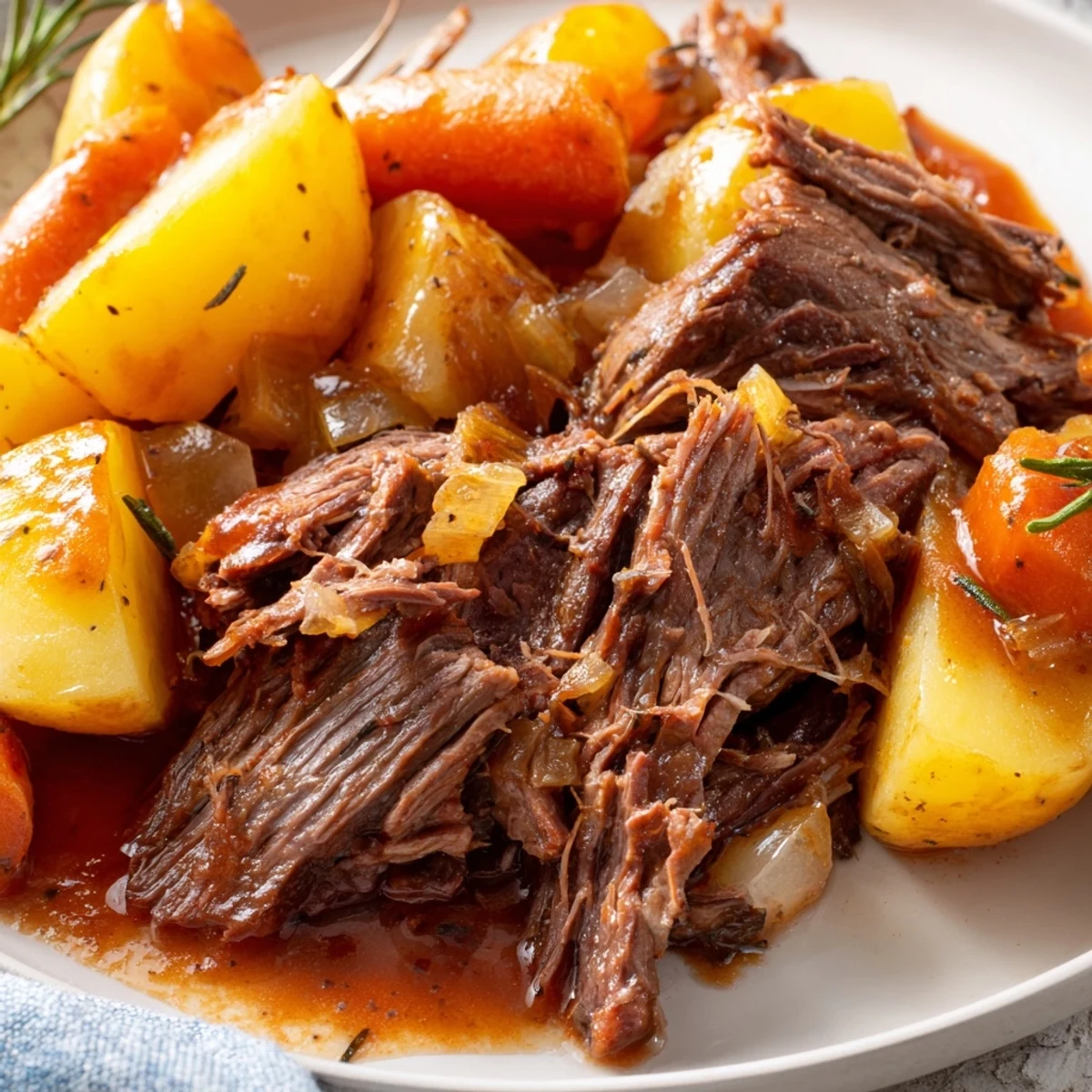
Save Some meals feed more than hunger, and a pot roast slowly braising on a cold afternoon is one of them. Share it with people you love, and let the kitchen do the talking.
Recipe FAQs
- → What cut of beef works best for pot roast?
-
Beef chuck roast is the ideal choice because its connective tissue and marbling break down beautifully during slow cooking, resulting in that signature melt-in-your-mouth tenderness. Chuck eye roast or blade roast are also excellent alternatives.
- → Can I make this without red wine?
-
Absolutely. Simply replace the wine with an equal amount of additional beef broth. The tomatoes in the paste and the caramelized vegetables already provide plenty of depth and complexity to the braising liquid.
- → Why is my pot roast tough instead of tender?
-
Toughness usually means the roast needs more cooking time. Collagen in chuck breaks down around the 2.5 to 3 hour mark at 325°F. Also ensure your liquid comes at least halfway up the meat and the lid stays on tightly to trap steam.
- → Can I use a slow cooker instead of the oven?
-
Yes. After searing the meat and sautéing the vegetables on the stovetop, transfer everything to a slow cooker. Cook on low for 8 hours or on high for 4 to 5 hours until the beef is fork-tender.
- → How should I store and reheat leftovers?
-
Store the beef and vegetables in their braising liquid in an airtight container in the refrigerator for up to 4 days. Reheat gently on the stovetop over medium-low heat. The leftover liquid keeps everything moist and flavorful.
- → How do I thicken the pan juices into gravy?
-
After removing the roast and vegetables, bring the pan juices to a simmer on the stovetop. Whisk in a slurry of 1 tablespoon cornstarch mixed with 2 tablespoons cold water and stir until the sauce reaches your desired consistency.