
 Save
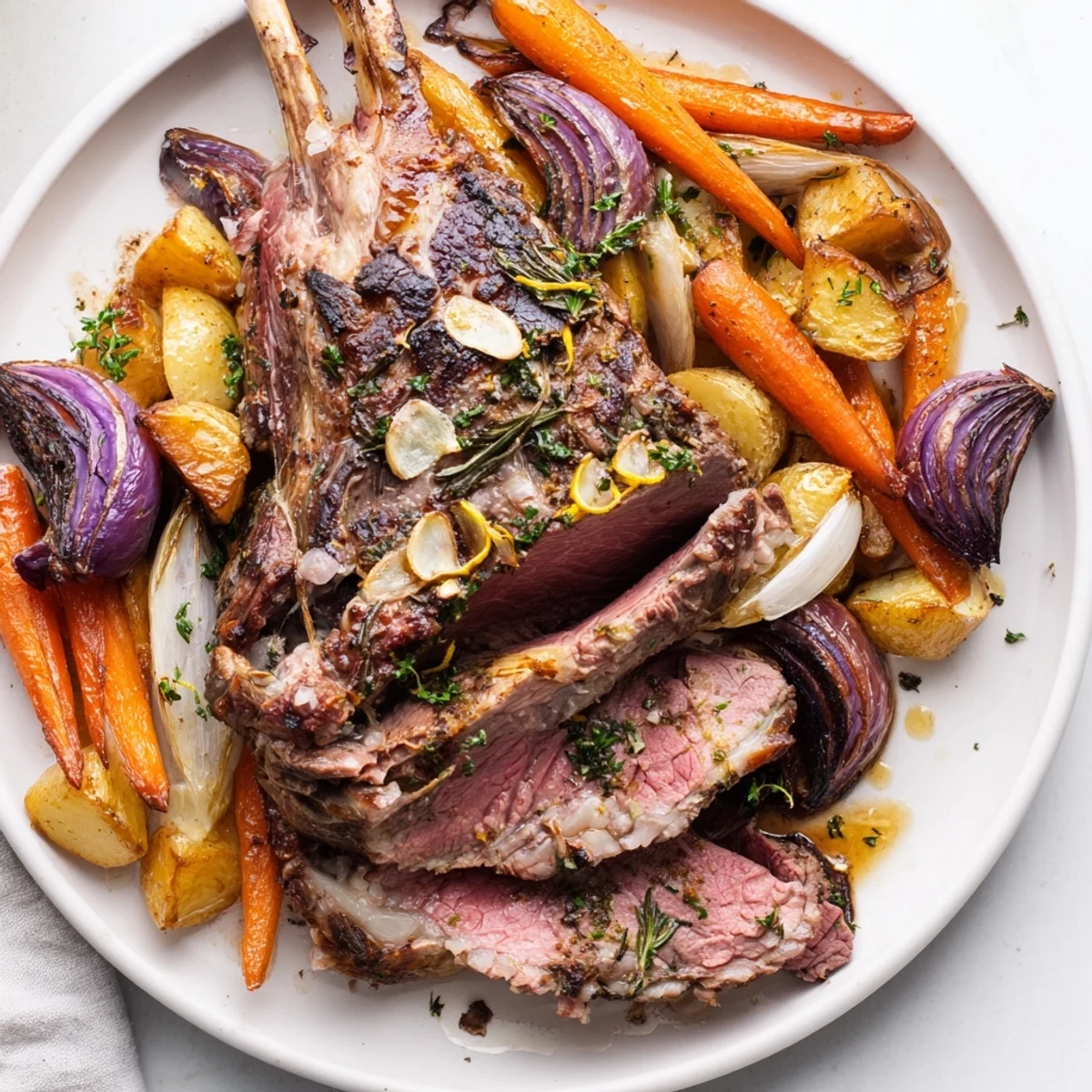
Save This dish features a bone-in leg of lamb seasoned with garlic, rosemary, and thyme, slow-roasted alongside a medley of root vegetables including carrots, parsnips, potatoes, and red onions. The vegetables caramelize in olive oil and pan juices, absorbing rich flavors that complement the succulent meat. Cooking time allows the lamb to reach medium-rare, while resting before slicing ensures juicy tenderness. Garnished optionally with lemon zest and parsley, this harmonious blend offers a warming experience perfect for family dinners or special occasions.
The first time I roasted a leg of lamb, I was hosting a Sunday dinner that felt entirely too ambitious for my tiny apartment kitchen. My grandmother had called that morning to remind me that lamb needs patience more than technique, and I stood there staring at this magnificent piece of meat, wondering what I'd gotten myself into. The house filled with such incredible aromas that my neighbors actually knocked on my door to ask what was happening in there. That roast became the thing everyone started requesting for birthdays and holidays, and honestly, I finally understood why people talk about certain meals like they're old friends.
Last winter, my brother came over after a terrible week at work, and I put this in the oven without saying much. We sat at the kitchen table watching the rain against the window, drinking wine and talking about everything and nothing while the lamb did its thing. When I pulled it out and he saw those caramelized vegetables, he actually got quiet, which for him is really saying something. Food has this way of making problems seem smaller, and lamb roasts seem particularly good at that job.
Ingredients
- 1.8 kg bone-in leg of lamb: The bone adds incredible flavor and helps keep the meat moist during roasting, plus it makes for a impressive presentation
- 2 tablespoons olive oil: Creates that beautiful golden crust and helps the herbs adhere to the meat
- 4 garlic cloves, sliced: Tucking these into small incisions infuses the meat from the inside out
- 2 teaspoons fresh rosemary and thyme: Fresh herbs make such a difference here, their oils really bloom in the oven's heat
- Kosher salt and black pepper: Don't be shy with the seasoning, lamb can handle it
- 4 large carrots, 3 parsnips, 2 large potatoes, 2 red onions: Root vegetables are perfect partners, becoming sweet and tender in the lamb's rendered fat
- 120 ml dry white wine or chicken broth: This creates steam and those pan juices you'll want to spoon over everything
- Lemon zest and fresh parsley: Bright, fresh elements that cut through the richness
Instructions
- Prepare your oven and the lamb:
- Preheat to 200°C (400°F), then pat the lamb completely dry with paper towels, because moisture is the enemy of good browning.
- Make those flavor pockets:
- Using a sharp knife, cut small slits all over the lamb and tuck sliced garlic inside each one, like you're hiding little presents.
- Season generously:
- Rub the olive oil all over the meat, then press the rosemary, thyme, salt, and pepper into the surface so they really stick.
- Get the vegetables ready:
- Toss your chunked carrots, parsnips, potatoes, and onion wedges with olive oil, salt, and pepper until everything's evenly coated.
- Assemble it all:
- Spread the vegetables in your roasting pan, nestle the lamb right on top, and pour in the wine or broth.
- Roast to perfection:
- Cook for about 1 hour 30 minutes until it hits 60°C (140°F) for medium-rare, tossing those vegetables halfway through for even caramelization.
- The resting ritual:
- Let the lamb rest under loose foil for 15 minutes so the juices redistribute, then toss the vegetables in those glorious pan juices.
 Save
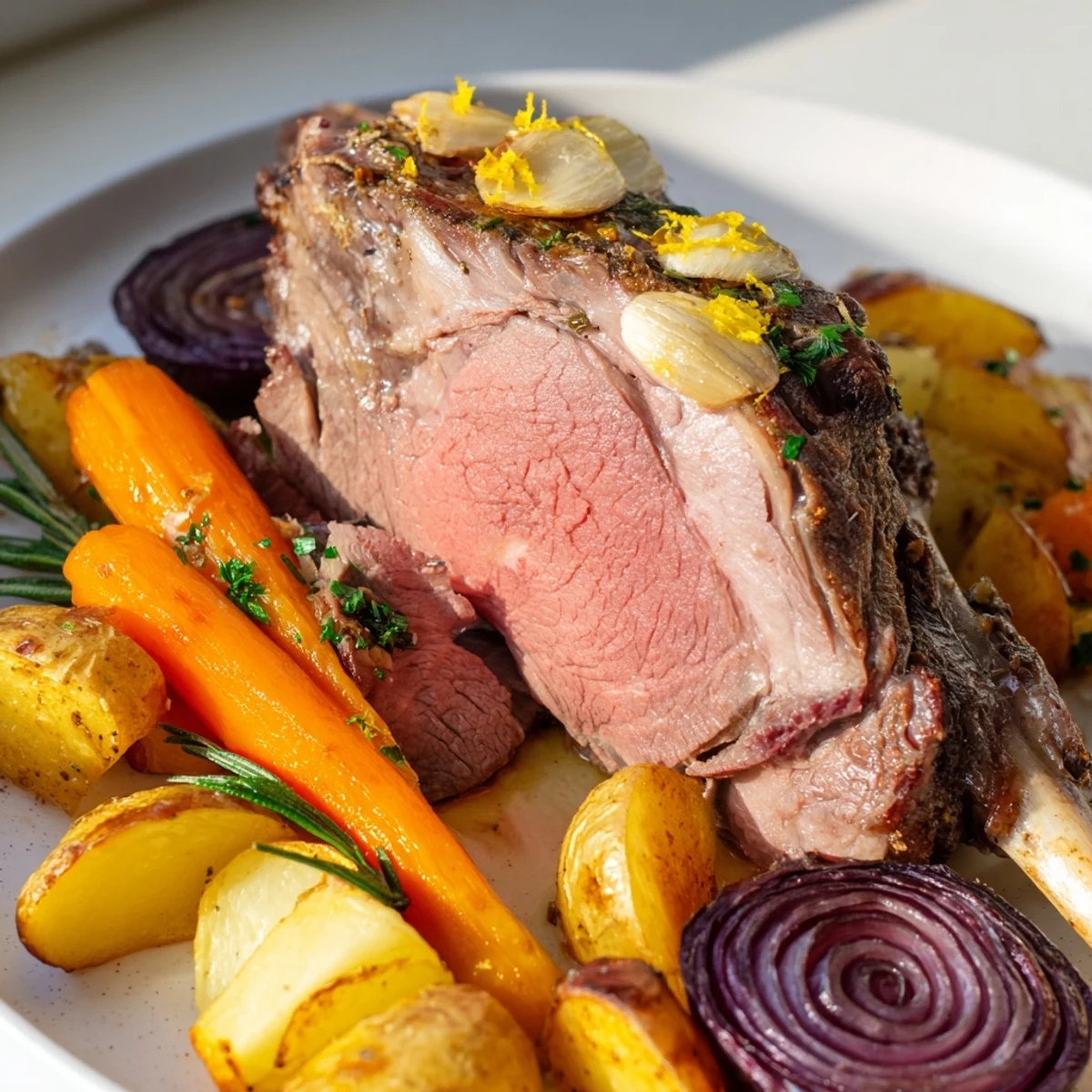
Save My aunt makes this every Easter, and the best part isn't even the lamb, it's how everyone ends up standing around the kitchen island picking at the vegetables while we wait for the meat to rest. Those caramelized edges and that hit of rosemary, somehow they're even better than the main attraction.
Choosing the Right Cut
I've learned that bone-in lamb has a depth of flavor you just can't get from boneless, and the bone actually helps conduct heat for more even cooking. If you can find it, ask your butcher for a semi-boneless leg, which gives you the easy carving of boneless with the flavor benefits of bone-in.
Vegetable Timing
Some root vegetables cook faster than others, and I've had carrots turn to mush while potatoes were still crunchy. Cut your slower-cooking vegetables slightly smaller so everything finishes at the same time, or add quick-cooking items halfway through roasting.
Making the Most of Pan Juices
Those browned bits and concentrated juices at the bottom of your pan are liquid gold, and I almost cry when I see people pour them down the drain. Whisk in a little more wine or broth while the pan's still hot, scrape up all those flavorful bits, and drizzle it over everything like it's the finest sauce in the world.
- Sweet potatoes or turnips work beautifully if you want to switch up the vegetables
- Whole garlic cloves or bay leaves tucked into the veg add layers of flavor
- A robust red wine like Cabernet makes the perfect pairing if you're serving wine with dinner
 Save
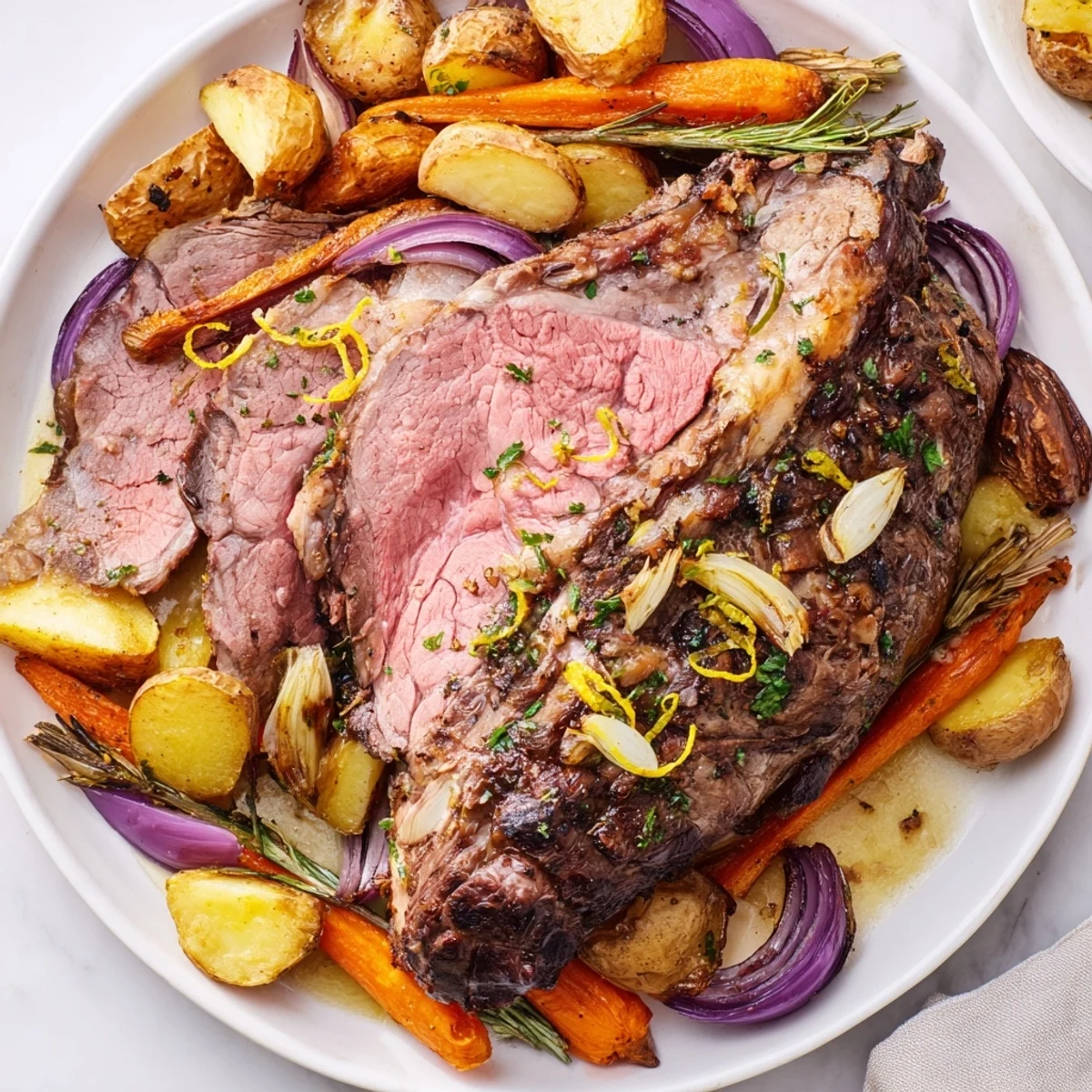
Save There's something deeply satisfying about putting a whole leg of lamb on the table, watching everyone's eyes light up like you've performed some kind of magic trick. Good food does that, it turns ordinary evenings into something you'll remember.
Recipe FAQs
- → How do you ensure the lamb stays juicy?
-
Make small incisions and insert garlic slices for flavor. Roasting at moderate heat and allowing the meat to rest covered after cooking helps retain moisture.
- → What root vegetables work best with lamb roasting?
-
Carrots, parsnips, potatoes, and red onions provide a balanced mix of sweetness and earthiness that caramelize well alongside the lamb.
- → Can I substitute any ingredients for variety?
-
Yes, sweet potatoes or turnips can replace some root vegetables, and adding whole garlic cloves or bay leaves can enhance flavor complexity.
- → How do I know when the lamb is perfectly cooked?
-
Use a meat thermometer to check for an internal temperature of 60°C (140°F) for medium-rare, ensuring tender, juicy results.
- → What liquids can be used in the roasting pan?
-
Dry white wine or chicken broth help keep the meat moist and infuse additional flavor into the vegetables and pan juices.