
 Save
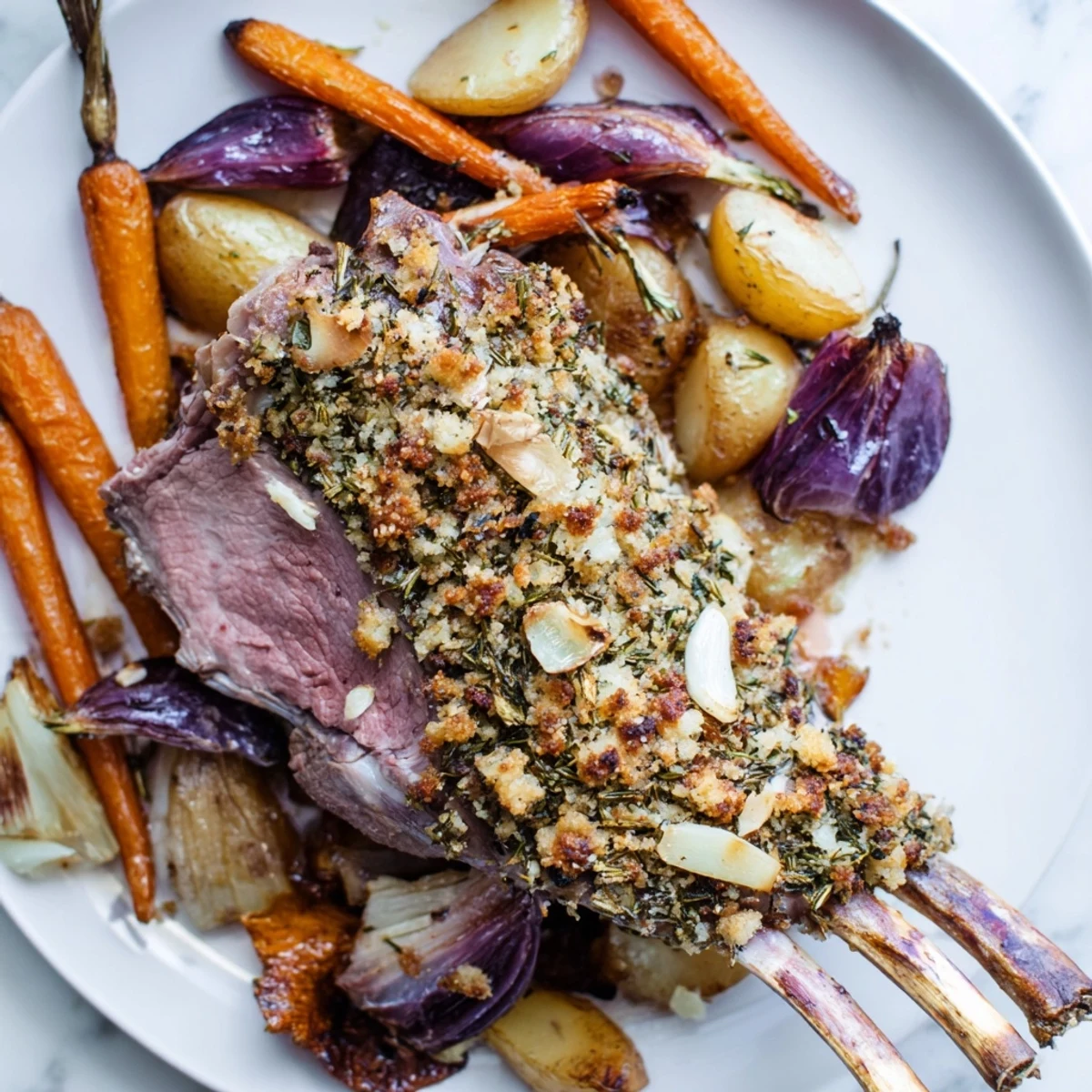
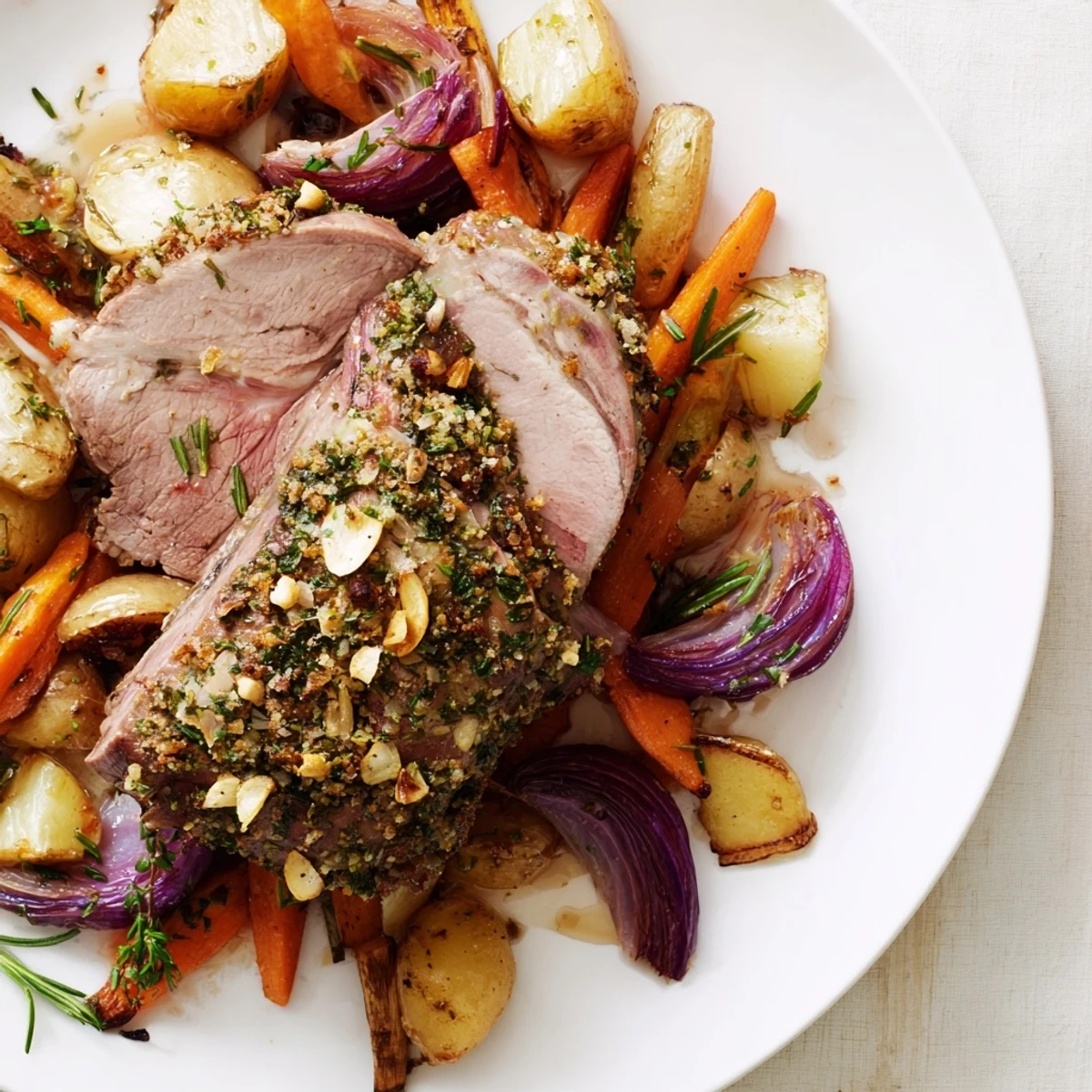
Save This dish features a succulent leg of lamb rubbed with olive oil, garlic, rosemary, and thyme, slow-roasted until tender. Root vegetables like carrots, parsnips, turnips, onions, and potatoes are caramelized alongside, absorbing savory pan juices. Finished with a hint of lemon zest and fresh parsley, it offers a warm, hearty meal perfect for gatherings. Preparation includes seasoning, roasting at two temperatures for optimum tenderness, and resting before serving to preserve juiciness.
The first time I made roasted leg of lamb, I was hosting a dinner party and terrified I would ruin an expensive cut of meat. My grandmother had told me that lamb forgives many mistakes if you do not overcook it, and she was right. That evening, the kitchen filled with the most incredible aroma of rosemary and garlic, making everyone wander in to ask when dinner would be ready. Now it is my go-to for special occasions because it feels impressive but is actually quite forgiving.
I made this recipe last Easter for my family, and my uncle who usually claims to dislike lamb went back for thirds. The vegetables had caramelized in the pan drippings, and even the kids were eating parsnips they normally would turn their noses up at. There is something about a roasted leg of lamb that makes people feel like they are at a proper feast, yet the hands-on time is surprisingly minimal.
Ingredients
- 1.8 kg bone-in leg of lamb: Bone-in adds flavor and helps keep the meat juicy during roasting, plus it looks impressive at the table
- Olive oil: Creates the base for your herb rub and helps the seasonings adhere to the meat
- Garlic cloves, sliced: Slice them thin so they nestle into small incisions in the meat, infusing it throughout
- Fresh rosemary and thyme: Fresh herbs make a huge difference here, their oils release during roasting to perfume the entire dish
- Kosher salt and black pepper: Generous seasoning is essential for such a large cut of meat
- Root vegetables: Carrots, parsnips, turnips, onion, and potatoes all work beautifully because they hold their shape during long roasting
- Chicken or vegetable broth: Creates steam in the pan and becomes the base for an incredible pan sauce later
- Lemon zest and fresh parsley: These bright garnishes cut through the rich meat and wake up the whole plate
Instructions
- Preheat your oven:
- Get it to 200°C (400°F) because starting with high heat helps develop that beautiful crust on the lamb
- Prep the lamb:
- Pat the meat completely dry with paper towels, then place it on a rack in your roasting pan so air can circulate all around it
- Make the herb paste:
- Mix the olive oil, garlic, rosemary, thyme, salt, and pepper in a small bowl until it becomes a fragrant paste
- Rub it all over:
- Use your hands to massage the herb mixture into every surface of the lamb, pressing it into the meat so it really sticks
- Prep the vegetables:
- Toss your chunked root vegetables with olive oil, salt, and pepper, then arrange them in the bottom of the pan beneath the rack
- Add the broth:
- Pour the liquid around the vegetables, not directly on the lamb, so it creates steam and prevents sticking
- Start roasting:
- Put everything in the hot oven for an hour, establishing that gorgeous brown exterior
- Finish gently:
- Reduce the temperature to 180°C (350°F) and roast another 30 minutes until the internal temperature hits 60°C for medium-rare
- Rest the meat:
- Move the lamb to a platter and cover it loosely with foil for 15 minutes, which is crucial for juicy meat
- Finish the vegetables:
- If they need more color, toss them in the pan juices and return them to the oven while the lamb rests
- Carve and serve:
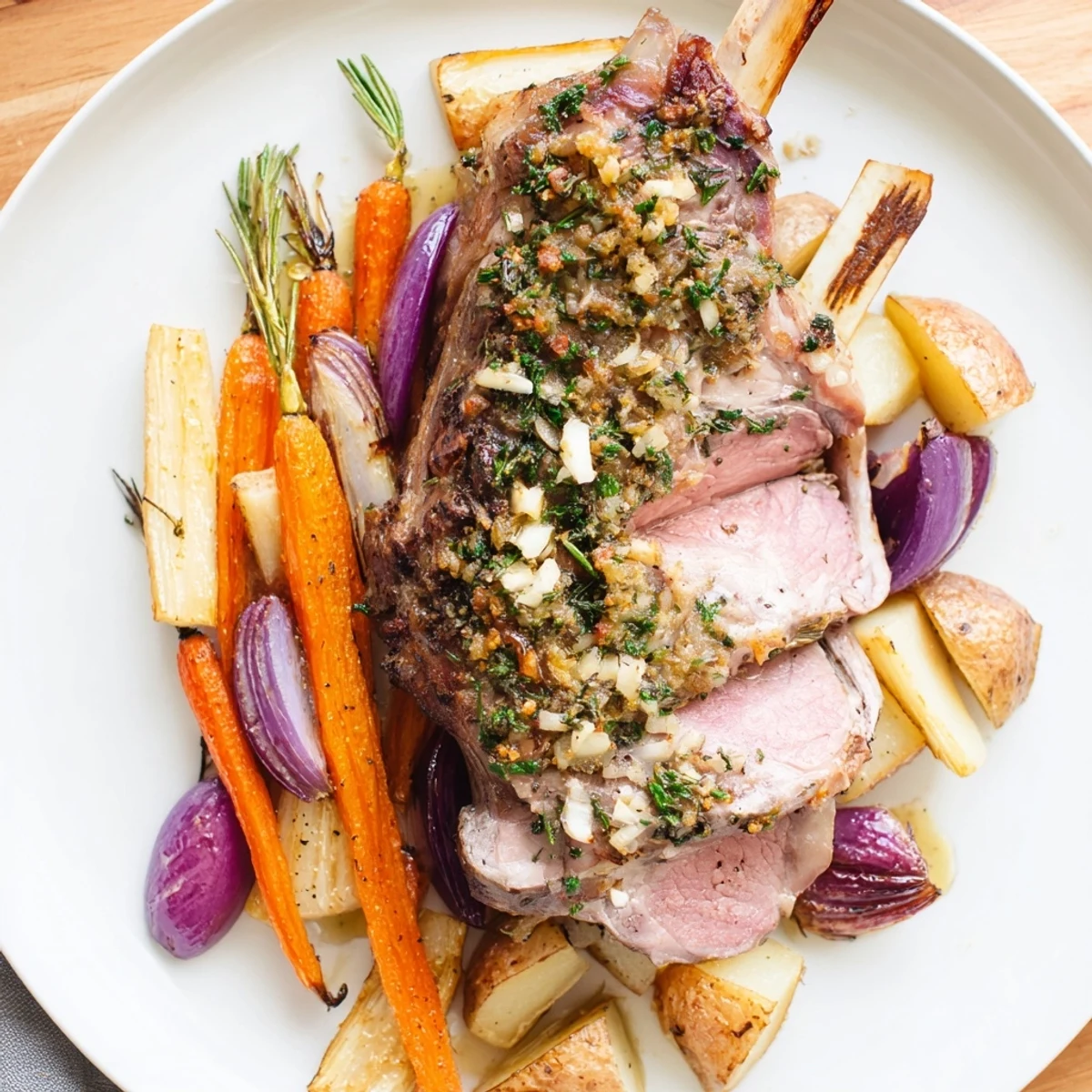
- Slice the lamb against the grain, arrange it on a platter with those gorgeous vegetables, and sprinkle with fresh herbs and lemon zest
 Save
Save This recipe has become a tradition in our house for Sunday dinners because it fills the home with such warmth and anticipation. I love how the vegetables soak up all those rendered juices and become almost candy-like in their sweetness.
Make It Your Own
Sometimes I swap in sweet potatoes or rutabaga depending on what looks good at the market, and every combination has been delicious. The broth can be swapped for white wine if you want something fancier, just add a splash more so there is enough liquid.
Timing Is Everything
I have learned to pull the lamb out when it is slightly less done than I think it should be, because carryover cooking finishes it perfectly during the rest period. The vegetables can go back in if they need more time, which gives you flexibility without risking the meat.
Serving Suggestions
A bold red wine like Cabernet Sauvignon or Syrah stands up beautifully to the rich lamb and earthy root vegetables. I usually serve this with a simple green salad dressed with vinaigrette to balance the hearty main course.
- Crusty bread is perfect for sopping up those pan juices
- Mint jelly is traditional if you have purists at the table
- Leftovers make incredible sandwiches the next day
 Save
Save There is something deeply satisfying about putting a platter of roasted lamb and vegetables on the table and watching everyone lean in. This is the kind of meal that turns an ordinary Sunday into a memory.
Recipe FAQs
- → What is the best cut of lamb to use?
-
A bone-in leg of lamb is ideal for roasting, providing tender meat and rich flavor.
- → Can I use other vegetables instead of the root vegetables listed?
-
Yes, sweet potatoes, rutabaga, or other sturdy vegetables can be substituted to suit your preferences.
- → How do I know when the lamb is perfectly cooked?
-
Use a meat thermometer; aim for about 60°C (140°F) for medium-rare doneness.
- → Should the lamb be marinated before roasting?
-
Marinating the lamb with herbs and garlic for up to 24 hours enhances flavor but is optional.
- → How can I achieve nicely caramelized vegetables?
-
Toss the root vegetables with olive oil, salt, and pepper, and roast them with the lamb, finishing with a brief high-heat session if needed.
- → Is it necessary to rest the lamb after roasting?
-
Allowing the lamb to rest for 15 minutes after roasting helps redistribute juices, ensuring moist, tender meat.