
 Save
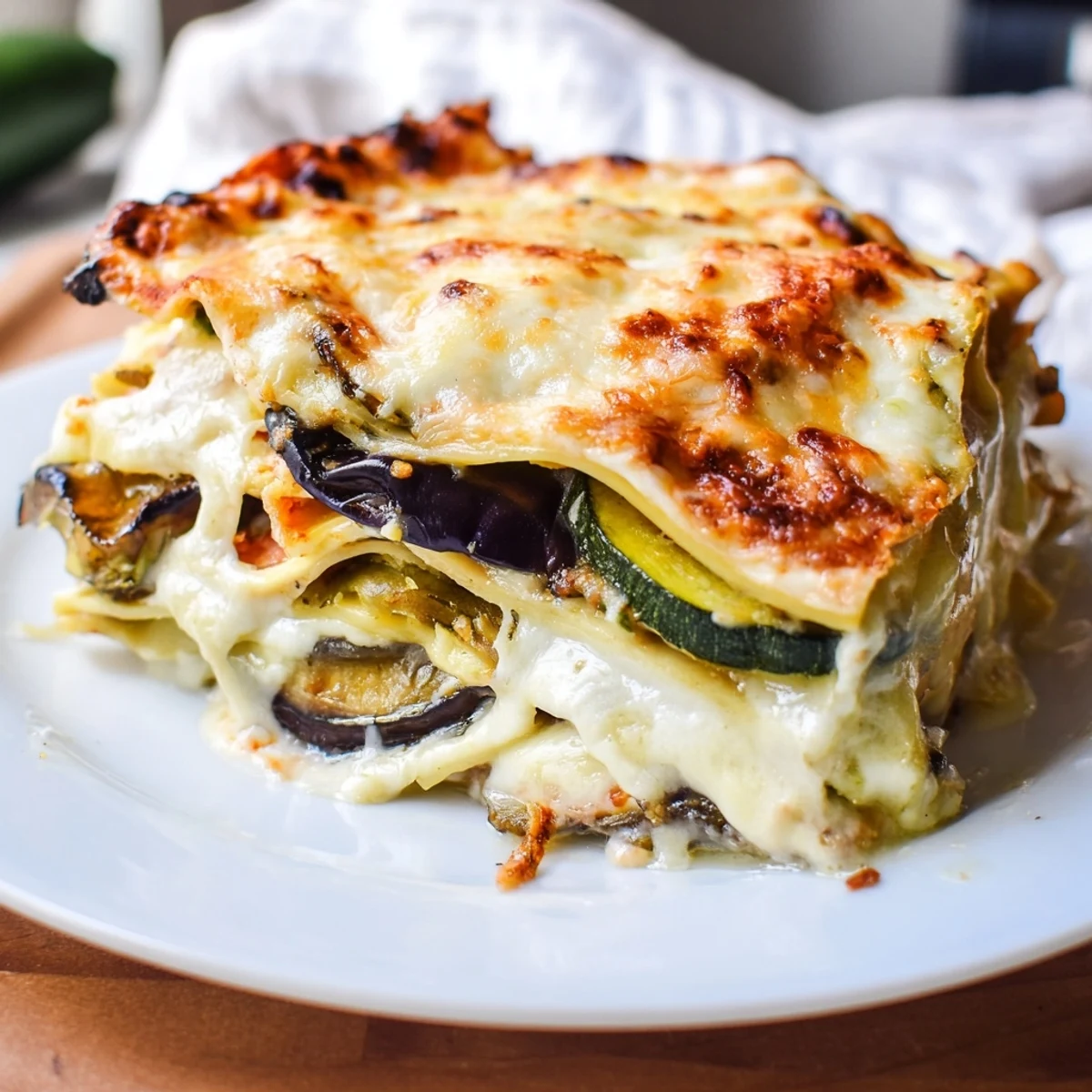
Save This Italian-inspired dish showcases tender pasta layered with caramelized roasted vegetables and a rich, creamy béchamel sauce. The vegetables are seasoned with oregano, salt, and pepper, then roasted to bring out their natural sweetness and depth. Alternating layers of noodles, vegetables, cheese, and béchamel build a harmonious, luscious texture. Baked until bubbling and golden, it offers a satisfying vegetarian main that pairs well with a fresh salad or crisp wine. Resting before slicing ensures perfect texture and flavor melding.
There's something about layering vegetables into a baking dish that makes you feel like you're building something that matters. I discovered this recipe on a late autumn afternoon when my farmer's market haul looked too good to simply roast and eat as sides. The idea of tucking them between sheets of pasta and silky béchamel felt like the natural next step, and the kitchen filled with such a warm, toasted aroma that my neighbors actually knocked to ask what was happening.
I made this for a dinner party where someone mentioned they were tired of the same restaurant pasta dishes, and watching them take that first bite—the way the cheese stretched and the vegetables fell into place—told me everything. That's when I realized this wasn't just a recipe, it was a conversation starter about why homemade food hits differently.
Ingredients
- Zucchini and eggplant: Slice them thin enough that they'll soften through but thick enough that they won't disappear into mush—about a quarter-inch is the sweet spot.
- Bell peppers, red and yellow: They bring sweetness and brightness that keeps the whole dish from feeling too heavy, and they stay firm enough to give you actual texture.
- Red onion: It caramelizes into something almost candy-like when roasted, which is why I always make sure not to skimp on it.
- Olive oil for roasting: Use something you'd actually taste in a salad, because it's the only fat these vegetables get and it matters.
- Dried oregano: Fresh would be lovely if you have it, but dried oregano on roasted vegetables is its own kind of magic.
- Butter: Unsalted lets you control the salt balance across the whole dish, which matters more than you'd think.
- All-purpose flour: This is your roux foundation, and cooking it gently until it's just golden takes about two minutes and makes all the difference.
- Whole milk, warmed: Cold milk on hot roux creates lumps; warm milk whisks in like silk.
- Grated nutmeg: Just a pinch makes béchamel feel fancy without tasting like dessert, and it's worth grating fresh if you can.
- Mozzarella and Parmesan: The mozzarella melts into creamy pockets, while Parmesan on top gets crispy and golden.
- No-boil lasagna noodles: They hydrate as the lasagna bakes, which means one less pot and no sad overcooked pasta.
- Baby spinach: Optional, but it adds a gentle earthiness and turns an already-good dish into something that feels nourishing.
Instructions
- Heat your oven and prep your vegetables:
- Get your oven to 425°F and line two baking sheets with parchment paper so nothing sticks. Slice your vegetables uniformly—uniform slices cook evenly, which matters more than you might expect.
- Season and roast until they're golden:
- Toss your vegetables with olive oil, oregano, salt, and pepper, then spread them out so nothing's crowded. They need about 20 to 25 minutes, and you should flip them halfway through so they caramelize on both sides instead of just steaming.
- Build your béchamel while vegetables roast:
- Melt butter in a saucepan over medium heat, then whisk in flour and let it cook for a minute or two until it's pale golden and smells a little toasty. Slowly add your warm milk while whisking constantly, which takes patience but prevents lumps—I learned this the hard way years ago.
- Season the sauce and let it thicken:
- Let it simmer gently for five to seven minutes until it coats the back of a spoon, then stir in nutmeg, salt, and white pepper. It should taste almost like a savory custard.
- Prep your baking dish:
- Use a 9x13-inch dish and give it a light rub with olive oil so nothing sticks later. This small step prevents so much frustration when you're trying to serve it.
- Layer with purpose:
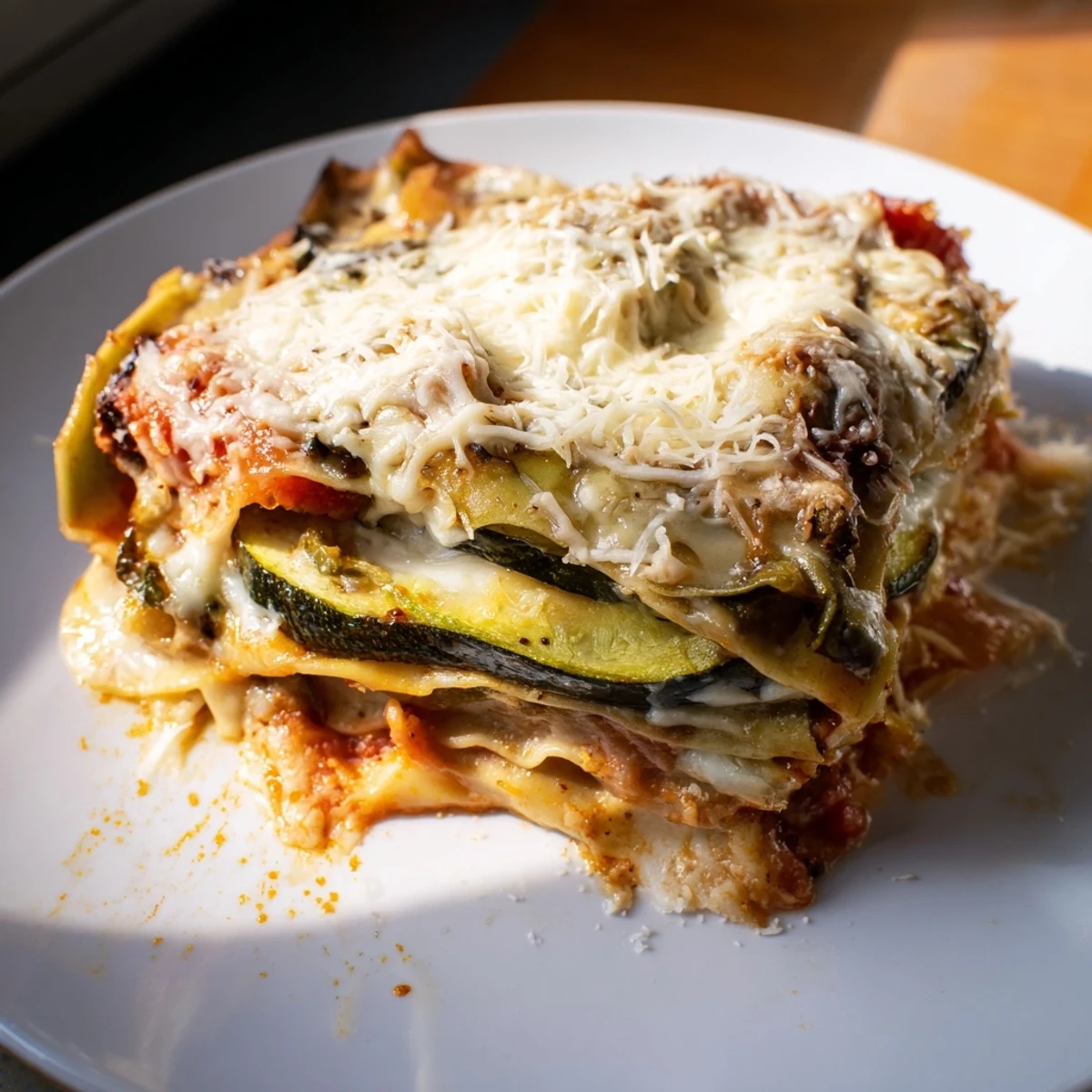
- Start with a thin layer of béchamel on the bottom, then noodles, then vegetables, spinach if you're using it, more béchamel, and a handful of mozzarella. Repeat twice more, finishing with noodles, sauce, mozzarella, and Parmesan on top so everything gets golden.
- Bake covered, then uncover:
- Cover with foil and bake at 375°F for 25 minutes so everything heats through without drying out, then remove the foil and bake another 15 minutes until the cheese is bubbling and the edges are golden. Your kitchen will smell incredible.
- Rest before serving:
- Let it sit for 10 to 15 minutes so the layers set and you can actually slice it cleanly instead of scooping lasagna soup.
 Save
Save There was a moment during that dinner party when someone asked for the recipe, and instead of emailing it later, I found myself describing how the whole thing came together, the flavors building in layers just like the pasta. That's when I understood that some dishes are less about following instructions and more about trusting your instincts about what tastes right.
Why This Dish Works
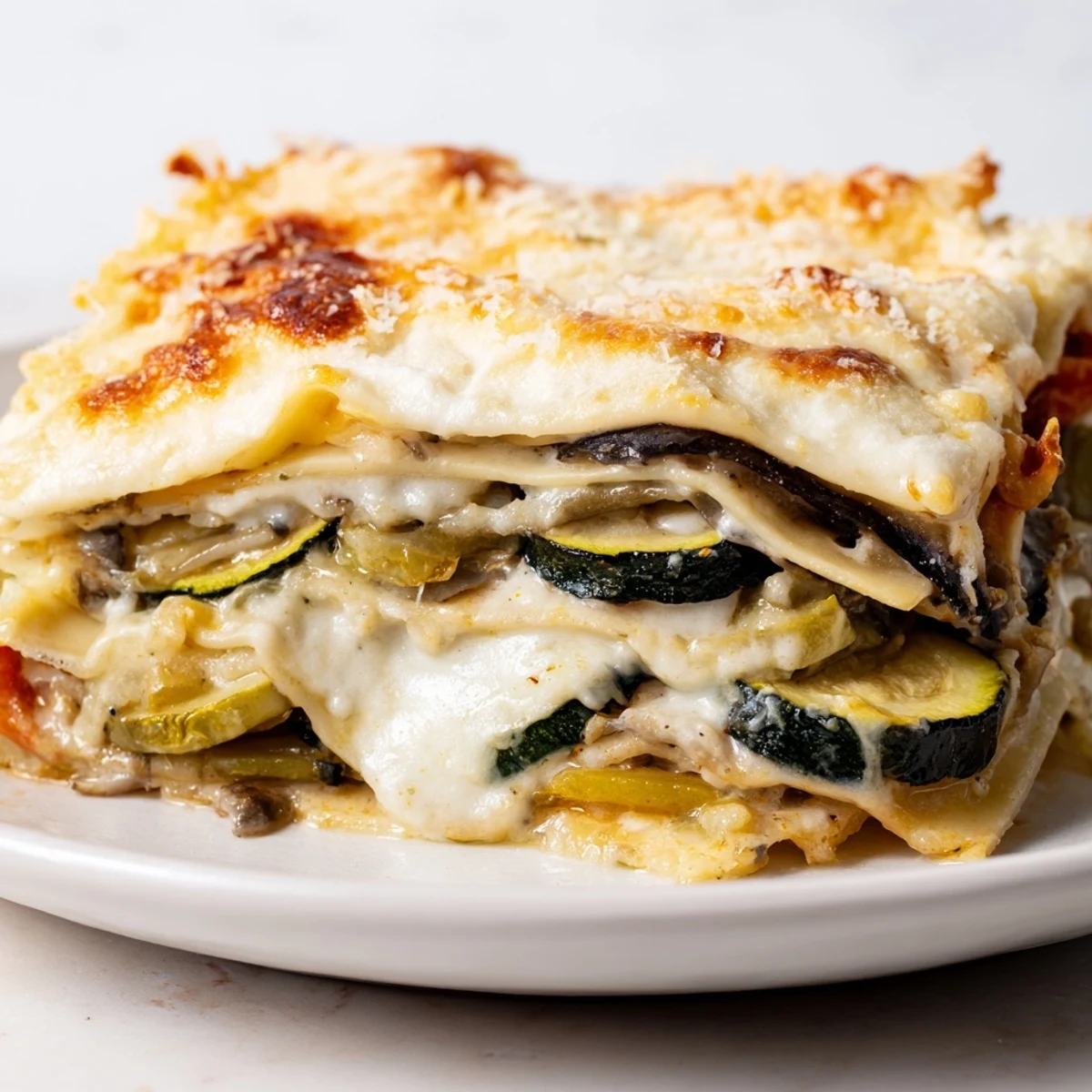
The magic is that roasted vegetables become something different from their raw selves—sweeter, softer, but still with enough structure to hold their shape. The béchamel isn't a coating, it's a bridge between the pasta and vegetables that keeps everything tender and connected. When you pull this out of the oven, the cheese is bubbling at the edges and the whole thing smells like comfort made edible.
Seasonal Vegetable Swaps
Summer is the time for zucchini and eggplant, but in spring I'll sneak in asparagus and artichoke hearts, and come fall I use thick slices of butternut squash alongside mushrooms. Winter calls for thinner slices of root vegetables roasted a little longer so they soften completely. The only real rule is that your vegetables should be roughly the same thickness so everything cooks evenly.
Flavor Building Moments
This is where small choices add up: toasting the flour in your roux for just a minute or two gives the sauce a depth that tastes like it cooked for hours. The nutmeg should be barely noticeable, just a whisper that makes people pause and wonder what makes it taste so good. If you have fresh basil, layering some between the vegetables adds brightness that keeps the whole dish from feeling too rich.
- Consider adding a tablespoon of pesto between vegetable layers for extra flavor.
- Fresh basil scattered between layers stays green and adds a fresh note to each bite.
- A pinch of freshly grated nutmeg in the béchamel makes all the difference—don't skip it or substitute powder.
 Save
Save This lasagna is the kind of dish that proves you don't need meat to feel satisfied, and it's actually better the next day when all the flavors have settled in together. Make it for people you care about, and watch how something layered so carefully becomes a meal everyone remembers.
Recipe FAQs
- → How are the vegetables prepared before layering?
-
Vegetables like zucchini, eggplant, and peppers are sliced, tossed with olive oil and seasonings, then roasted until tender and lightly caramelized.
- → What makes the béchamel sauce creamy and smooth?
-
The sauce combines melted butter and flour cooked into a roux, gradually whisked with warm milk, with nutmeg and spices added for subtle flavor.
- → Can this dish be made ahead of time?
-
Yes, it can be assembled and refrigerated before baking. Allow extra baking time if baking from cold.
- → What cheeses are used for layering?
-
Mozzarella provides melting stretchiness while Parmesan adds a nutty, savory finish on top.
- → How should the lasagna be served?
-
Let it rest after baking to set layers, then slice and serve warm, optionally alongside a crisp salad and red wine.