
 Save
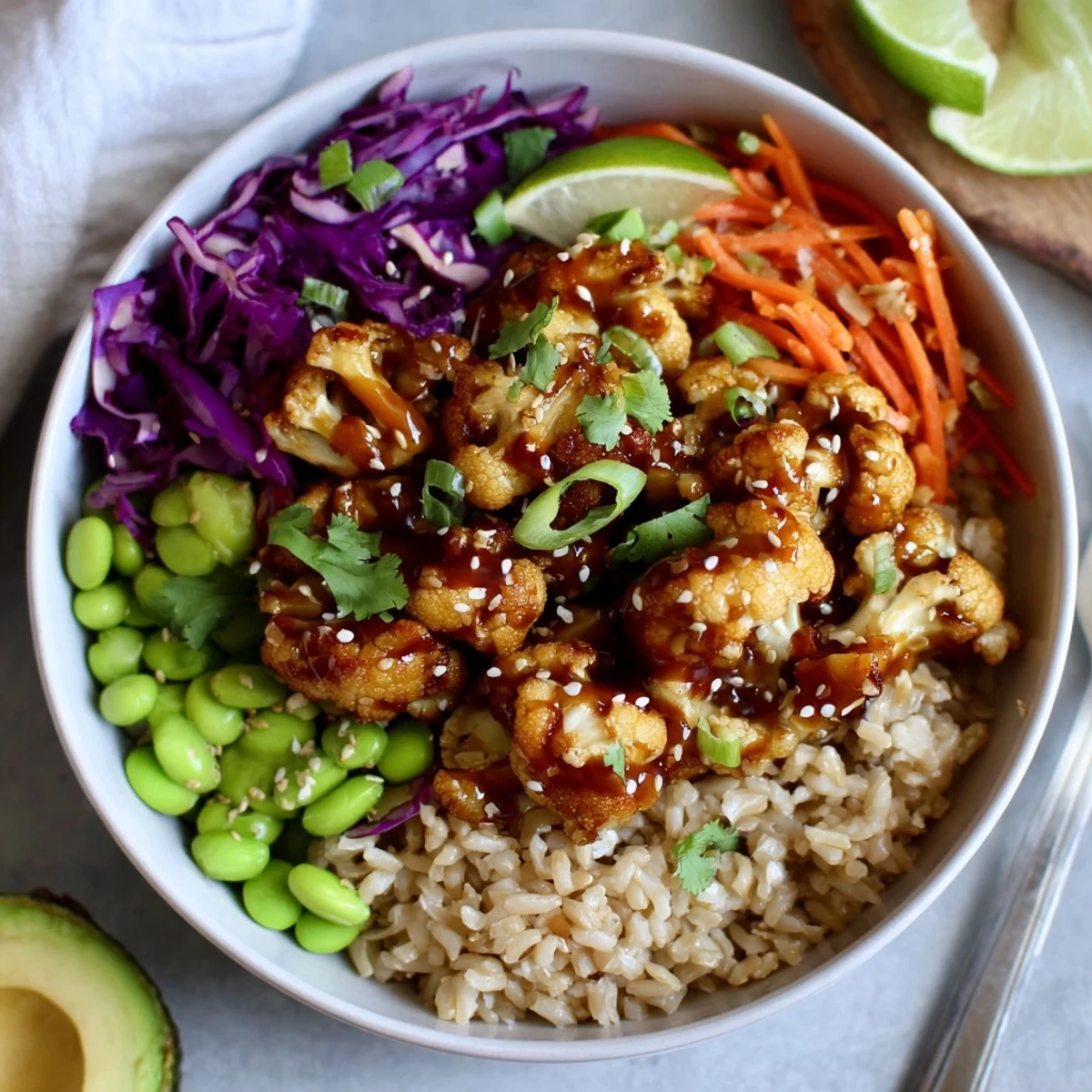
Save Roast cauliflower florets until golden, then toss them in a quick teriyaki glaze made from soy, maple, rice vinegar, sesame oil, garlic and ginger thickened with cornstarch. Serve over brown rice or quinoa and top with shredded cabbage, carrots, avocado, edamame and green onions. Sprinkle toasted sesame seeds and squeeze lime wedges before serving. Swap grains or add crispy tofu or chickpeas and use tamari for gluten-free.
The rain was hammering against the kitchen window and I had a head of cauliflower staring me down from the counter, daring me to do something interesting with it. Teriyaki cauliflower power bowls were not the plan that evening, but hunger and curiosity have a way of rewriting menus. The smell of ginger hitting a hot saucepan changed everything within seconds. That bowl rewired my weeknight dinner habits permanently.
My roommate walked in just as I was tossing the florets in that glossy sauce and stood there with a fork, sampling so aggressively that I almost did not have enough left for four bowls. We ended up eating ours standing at the counter, bowls balanced on the edge of the sink, laughing about how we had planned to order pizza.
Ingredients
- 1 large head cauliflower, cut into florets: The star of the bowl, cut evenly so every piece roasts at the same rate.
- 2 tbsp olive oil: Just enough to help the edges caramelize without making things greasy.
- 1/3 cup soy sauce (use tamari for gluten-free): Brings the deep salty backbone that makes teriyaki unmistakable.
- 2 tbsp maple syrup: A gentle sweetness that balances the salt and helps the glaze turn beautifully sticky.
- 2 tbsp rice vinegar: Adds a subtle tang that keeps the sauce from feeling heavy.
- 1 tbsp sesame oil: A little goes a long way and it perfumes the entire dish with toasty warmth.
- 2 cloves garlic, minced: Fresh garlic makes a real difference here, do not reach for the jar.
- 1 tbsp fresh ginger, grated: Grate it fine so it melts into the sauce rather than catching you off guard with a fibrous bite.
- 1 tbsp cornstarch mixed with 2 tbsp water: This slurry is what turns a thin liquid into a proper glaze that coats the cauliflower.
- 2 cups cooked brown rice or quinoa: The sturdy base that soaks up extra sauce and makes the bowl filling.
- 1 cup shredded red cabbage: Adds a satisfying crunch and a gorgeous slash of purple.
- 1 cup julienned carrots: Sweetness and color, sliced thin so they feel intentional rather than raw and harsh.
- 1 avocado, sliced: Creamy contrast that pulls every element together.
- 2 green onions, sliced: A sharp fresh bite scattered on top at the very end.
- 1/4 cup edamame (shelled): A pop of plant protein that fits the Japanese-inspired theme perfectly.
- 2 tbsp toasted sesame seeds: Texture and a nutty finish that makes the bowl look as good as it tastes.
- Fresh cilantro, for garnish (optional): Bright and herbal, but skip it if you are one of those people who think it tastes like soap.
- Lime wedges: A squeeze at the end wakes up every flavor on the plate.
Instructions
- Preheat and prepare the pan:
- Set your oven to 220 degrees Celsius (425 degrees Fahrenheit) and line a baking sheet with parchment paper so nothing sticks and cleanup is painless.
- Roast the cauliflower:
- Toss the florets with olive oil, spread them out so they are not crowded, and roast for 20 to 25 minutes, flipping halfway, until the edges turn golden and the centers go tender.
- Build the teriyaki glaze:
- While the cauliflower roasts, combine soy sauce, maple syrup, rice vinegar, sesame oil, garlic, and ginger in a small saucepan over medium heat until it begins to simmer and your kitchen smells incredible.
- Thicken the sauce:
- Stir in the cornstarch slurry and let it bubble for 1 to 2 minutes, watching it transform from a thin liquid into a glossy, spoon-coating glaze, then pull it off the heat.
- Coat the cauliflower:
- Transfer the roasted florets to a large bowl, pour the warm glaze over them, and toss gently so every surface gets covered without breaking the pieces apart.
- Assemble the bowls:
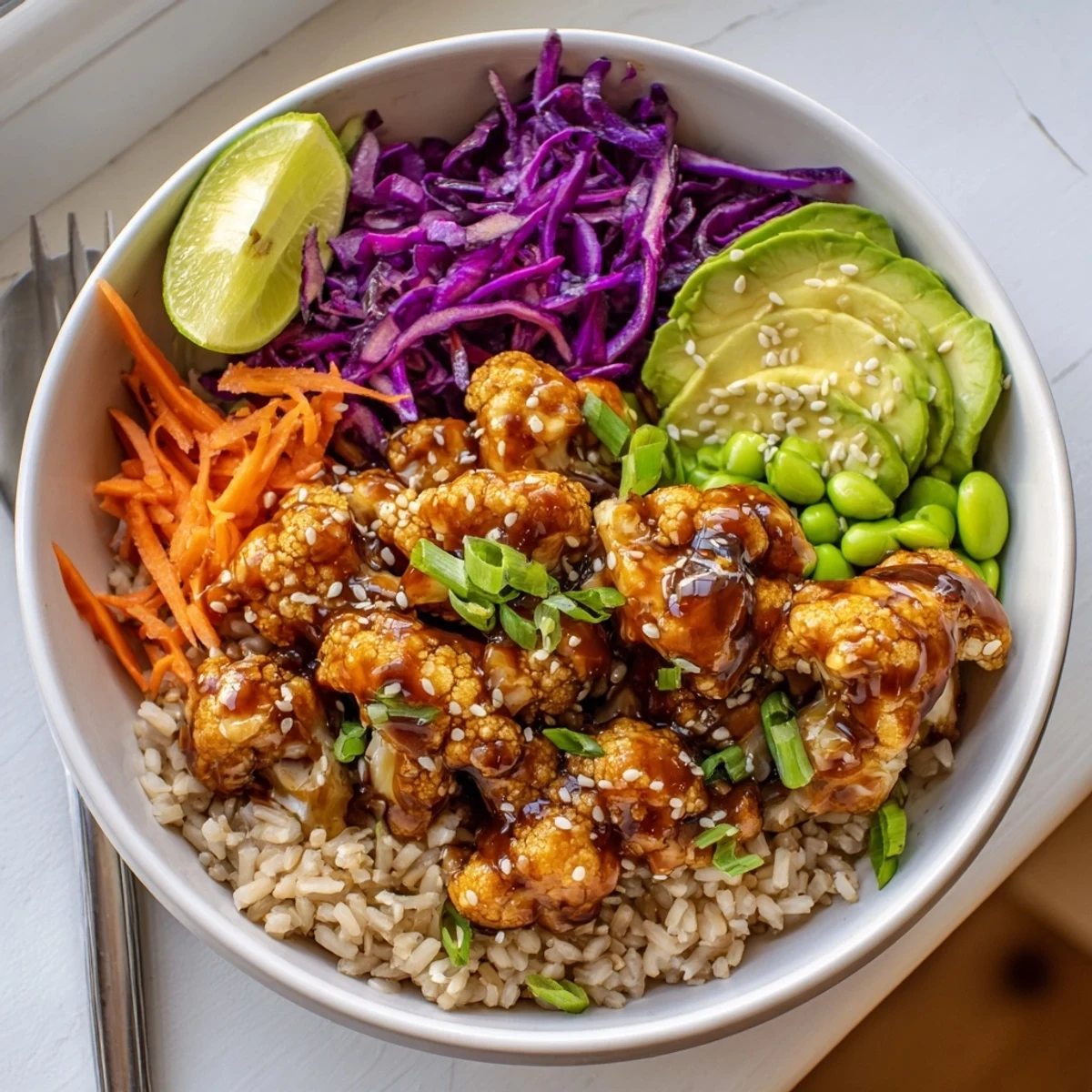
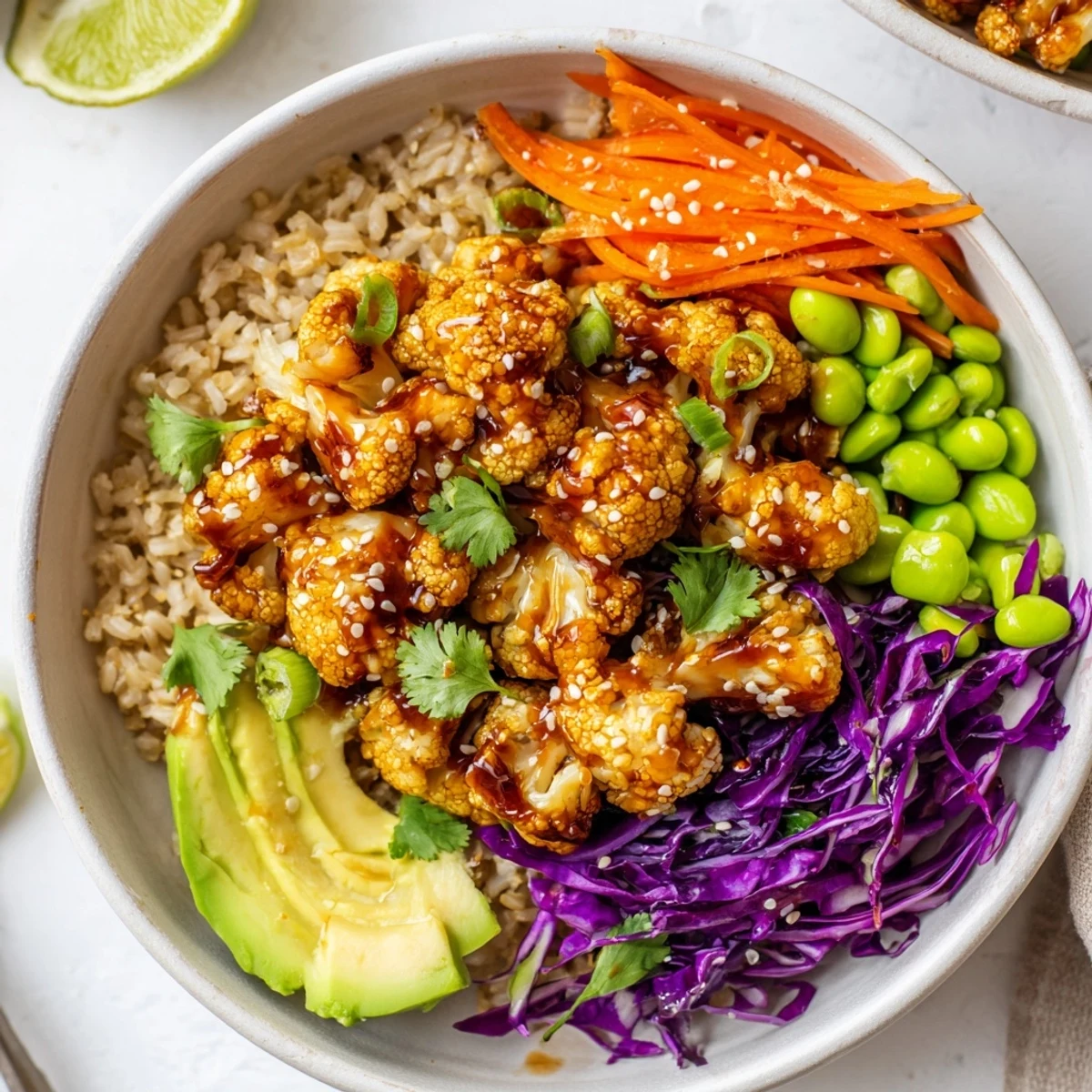
- Divide the grains among four bowls and arrange the teriyaki cauliflower, cabbage, carrots, avocado, edamame, and green onions on top in sections so it looks as vibrant as it tastes.
- Finish and serve:
- Sprinkle with sesame seeds and cilantro, tuck lime wedges along the edge, and serve immediately while the cauliflower is still warm and the glaze is at its stickiest.
 Save
Save I once packed the leftovers in a jar for lunch the next day and ate them cold at my desk, and honestly they were still better than anything I could have ordered from the deli downstairs.
Making It Your Own
This bowl is forgiving by nature, which is what makes it such a reliable weeknight anchor. Swap the grains based on what is sitting in your pantry, throw in roasted chickpeas if you want more crunch, or drizzle sriracha over the top if you need heat to feel alive.
Getting Ahead of the Rush
The teriyaki glaze can be made up to three days in advance and stored in a jar in the fridge, which means the actual dinner assembly moves shockingly fast. You can also prep all the raw toppings and keep them in containers so that when dinnertime arrives you are just roasting and assembling.
Serving and Storing
These bowls are best eaten fresh while the cauliflower is warm and the avocado has not started to brown, but they hold up reasonably well in the fridge for a day if you store the components separately.
- Keep the glaze in its own container so the grains do not turn soggy overnight.
- Press plastic wrap directly against leftover avocado to slow down oxidation.
- Reheat the cauliflower in a hot oven or air fryer for a few minutes to bring back the caramelized edges.
 Save
Save Some dinners are about following rules and some are about opening the fridge and letting the ingredients lead the way. These bowls live in that sweet spot where structure meets improvisation, and that is exactly why they never get old.
Recipe FAQs
- → How do I get a sticky teriyaki glaze?
-
Simmer soy, maple syrup, rice vinegar, sesame oil, garlic and ginger, then whisk in a cornstarch slurry and cook until glossy. Remove promptly to avoid over-thickening while coating the cauliflower.
- → Best way to roast cauliflower for crisp edges?
-
Toss florets in oil, spread in a single layer on a parchment-lined sheet at high heat (425°F/220°C) and turn once. High heat and space on the pan encourage caramelization and crisp edges.
- → Which grains pair well with the bowl?
-
Brown rice and quinoa are hearty choices, while jasmine rice, farro or bulgur add different textures. Choose a grain that complements the glaze and holds up to toppings.
- → How can I add more protein?
-
Add roasted chickpeas, crispy baked tofu, or edamame for extra protein. Pan-frying tofu before glazing gives a crisp exterior that holds the sauce well.
- → How should I store and reheat leftovers?
-
Keep components separate when possible: grains and cauliflower in an airtight container and toppings in another. Reheat cauliflower briefly in a hot oven or skillet to revive texture before assembling.
- → Can I make this gluten-free?
-
Yes—replace soy sauce with tamari and confirm all condiments are labeled gluten-free to maintain flavor without gluten-containing ingredients.