
 Save
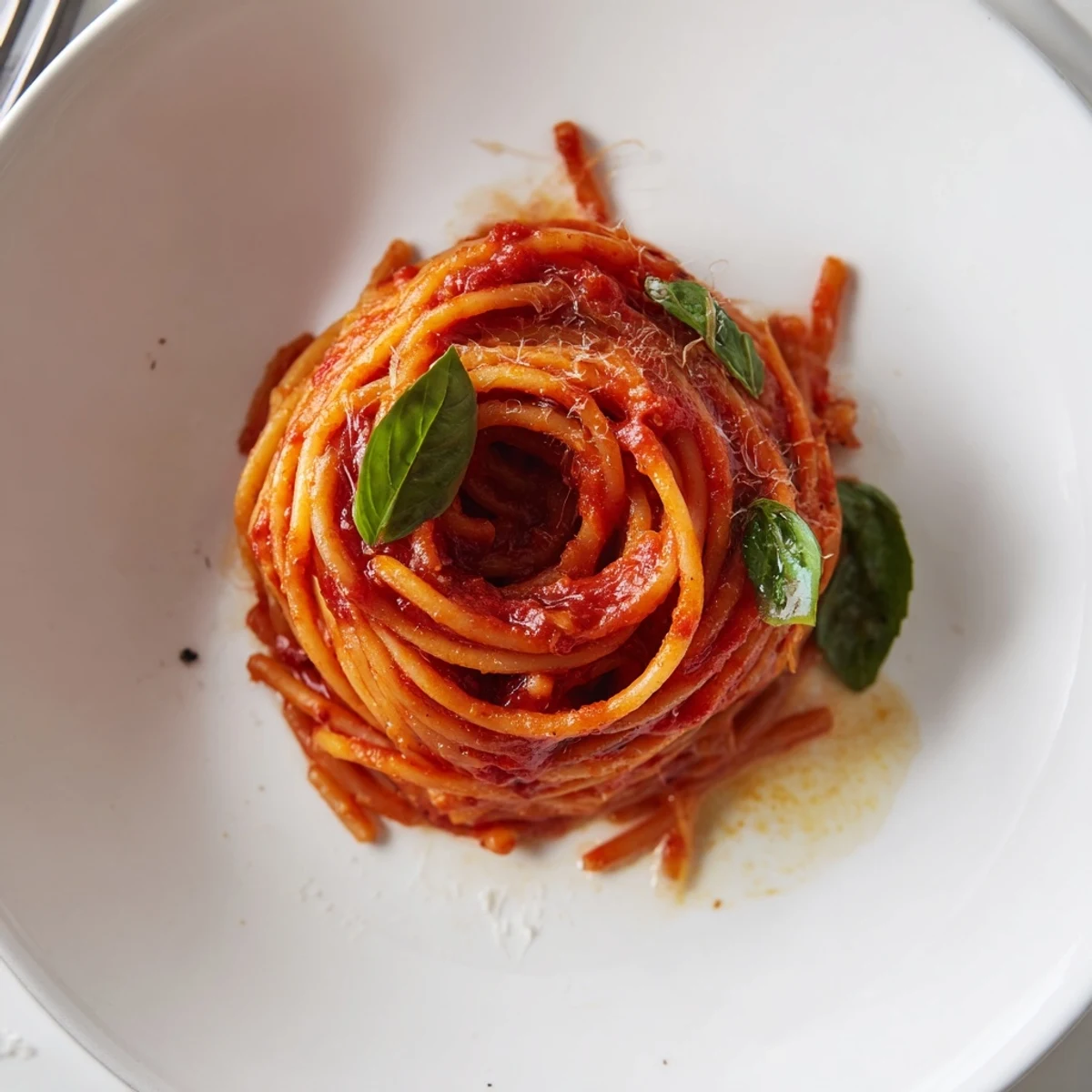
Save Ready in 30 minutes, this classic Italian pasta pairs al dente noodles with a simmered crushed tomato sauce scented with garlic, onion, oregano and torn basil. Cook pasta until al dente, reserve some cooking water, and finish in the skillet with sauce and grated Parmesan for a silky coating. Serves 4. Variations include sautéed vegetables, cooked chicken, or gluten-free pasta; omit cheese for dairy-free needs. Contains wheat and dairy.
The smell of garlic hitting olive oil is my personal reset button, the kind of thing that makes me put down my phone and actually pay attention to what is happening around me. My neighbor Lucia once knocked on my door holding a jar of her home canned tomatoes and said I needed to stop buying the store brand sauce, and she was right. That small push sent me down a rabbit hole of simple pasta dinners that now anchor my weeknights. This recipe is the one I return to over and over because it asks for almost nothing and gives back everything.
One rainy evening my friend Marco stopped by unannounced and I panicked because my fridge was nearly empty. I threw this together with a box of spaghetti and a can of tomatoes I found in the back of the cabinet, and he sat at my kitchen counter eating seconds while telling me it reminded him of his nonna. That dinner lasted three hours and cost maybe six dollars total.
Ingredients
- 400 g dried pasta: Spaghetti is classic but penne holds the sauce in its ridges beautifully, and honestly any shape you love will work.
- Salt for boiling water: The water should taste like the sea, this is your one chance to season the pasta itself.
- 2 tbsp olive oil: Use a decent one here since it forms the base of your entire sauce.
- 3 cloves garlic minced: Fresh garlic only, the jarred kind loses that sharp sweetness that makes this sauce sing.
- 1 onion finely chopped: A yellow onion adds sweetness without competing with the tomatoes.
- 800 g canned crushed tomatoes: San Marzano if you can find them, the flavor difference is real and noticeable.
- 1 tsp sugar: This tames the acidity of canned tomatoes and makes the sauce taste like it cooked for hours.
- 1 tsp dried oregano: Rub it between your palms before adding to wake up the oils.
- 1/2 tsp red pepper flakes: Optional but they add a gentle warmth that makes the sauce more interesting without making it spicy.
- Salt and freshly ground black pepper: Taste as you go and adjust at the end.
- 20 g fresh basil leaves torn: Tearing instead of chopping keeps the basil from bruising and turning black.
- 50 g grated Parmesan cheese: Grate it yourself from a wedge, the pre grated kind has anti caking agents that make it grainy.
- 1 tbsp olive oil for drizzling: A finishing drizzle of good olive oil at the end adds richness and a glossy finish.
Instructions
- Boil the pasta:
- Bring a large pot of generously salted water to a rolling boil and cook the pasta according to the package instructions until al dente, meaning it still has a slight bite in the center. Drain the pasta but save half a cup of that starchy cooking water before it disappears down the sink.
- Build the sauce base:
- While the pasta works its magic, warm the olive oil in a large skillet over medium heat and add the garlic and onion, stirring until the kitchen smells incredible and the onions turn glassy and soft, about 3 to 4 minutes. Watch the garlic closely because burnt garlic turns bitter and will haunt the entire dish.
- Simmer the tomatoes:
- Pour in the crushed tomatoes along with the sugar, oregano, red pepper flakes if using, and a generous pinch of salt and pepper. Let it bubble uncovered for 10 to 15 minutes, stirring now and then, until it thickens enough to coat the back of a spoon.
- Marry the pasta and sauce:
- Toss the drained pasta directly into the skillet with the sauce, adding splashes of reserved pasta water if things look dry. Stir everything together vigorously so each strand or piece gets properly coated and the sauce clings rather than pools at the bottom.
- Finish with flair:
- Take the skillet off the heat and stir in the torn basil and grated Parmesan until the cheese melts into the sauce. Drizzle with the remaining olive oil and serve right away while the steam is still rising.
 Save
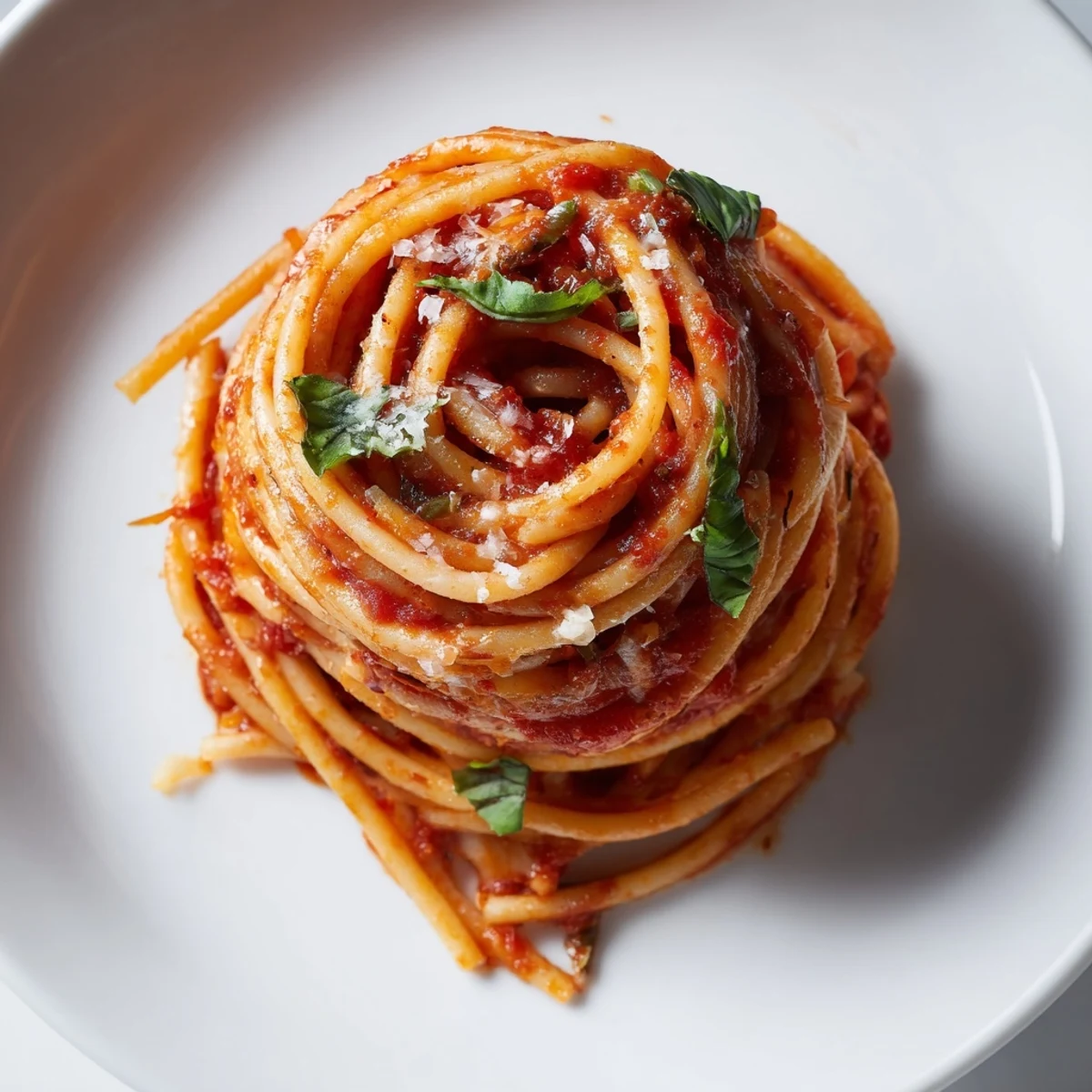
Save There is something about a big steaming bowl of pasta placed in the center of a table that makes people linger longer and talk more openly than they usually would.
Making It Your Own
Once you have the base sauce dialed in, this recipe becomes a playground for whatever needs using up in your refrigerator. Sautéed zucchini, mushrooms, or bell peppers fold in beautifully, and a handful of spinach wilts into the sauce without anyone really noticing it is there. Cooked Italian sausage or shredded rotisserie chicken turns it from a vegetarian weeknight meal into something heartier for hungrier evenings.
Wine and Pairing Thoughts
A crisp Pinot Grigio or a medium bodied Chianti cuts through the acidity of the tomatoes and makes the whole meal feel more intentional. A simple arugula salad with lemon juice and shaved Parmesan on the side provides a peppery contrast to the richness of the pasta. Crusty bread for sauce mopping is not optional in my kitchen, it is a requirement, and I will fight anyone who says otherwise.
Leftovers and Storage
Store any leftover pasta and sauce together in an airtight container in the refrigerator for up to three days, though it rarely lasts that long in my house. The sauce thickens as it sits, so add a splash of water when reheating in a skillet to loosen it back up.
- Freeze the sauce on its own in zip bags laid flat for quick weeknight meals later.
- Cooked pasta does not freeze well so only freeze the sauce portion.
- Always date your containers because that mystery container in the back of the fridge should not be a guessing game.
 Save
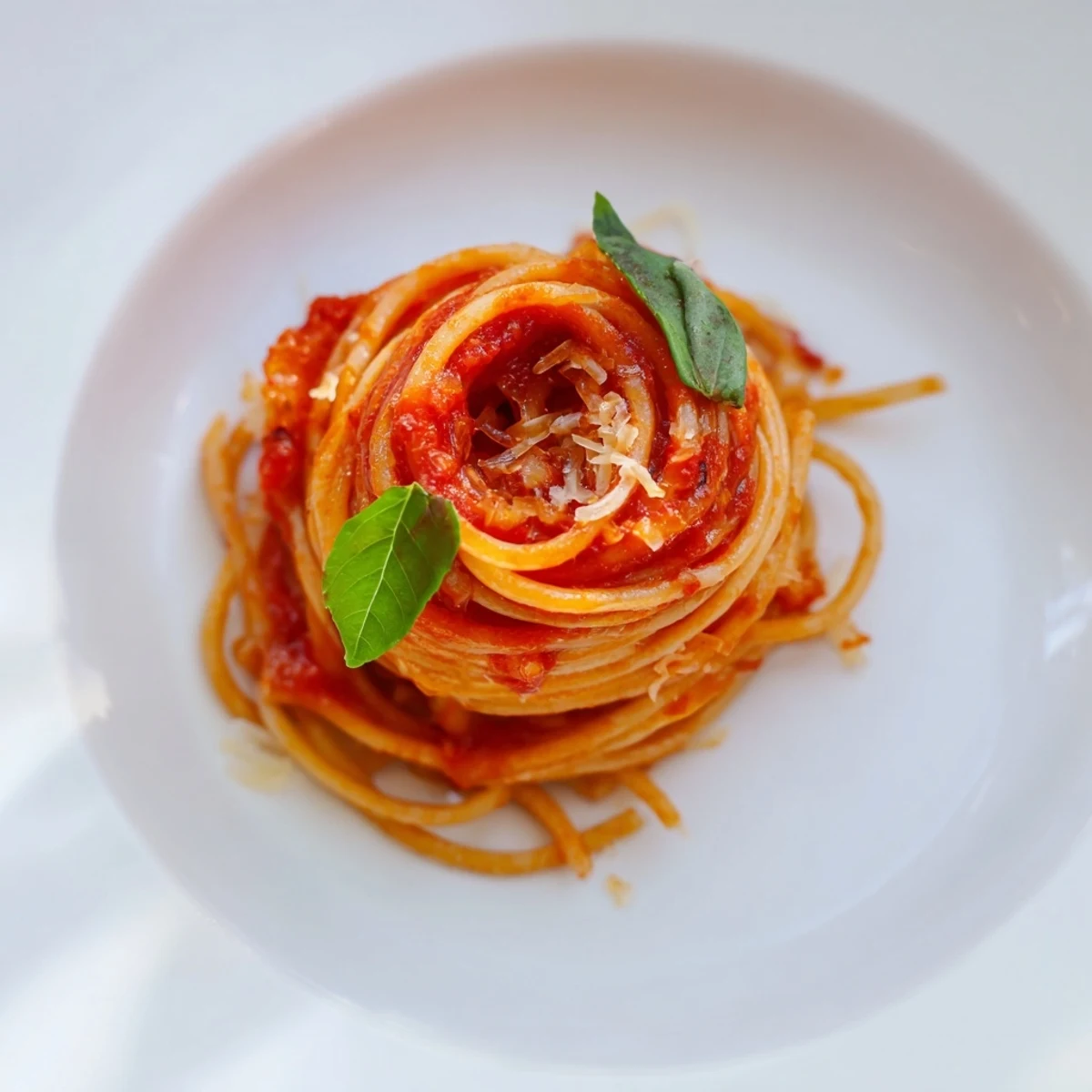
Save Some nights the best thing you can do for yourself is boil a pot of water, open a can of tomatoes, and let something simple take care of you. This is that recipe, and it will never let you down.
Recipe FAQs
- → How do I prevent the pasta from sticking?
-
Use a large pot with plenty of salted boiling water and stir the pasta during the first minute of cooking. Avoid overcrowding the pot and cook to al dente so strands or pieces don’t clump together.
- → How can I make the sauce silky and well-coated on the pasta?
-
Reserve about 1/2 cup of the pasta cooking water before draining. Add a splash of that starchy water to the skillet and toss the pasta with grated Parmesan and a drizzle of olive oil over low heat to create a glossy, clingy sauce.
- → Which pasta shapes work best with this tomato-basil sauce?
-
Long strands like spaghetti or bucatini and ridged shapes such as penne or rigatoni all work well. Choose a shape that captures sauce in its grooves or hollows for the best bite.
- → Can I prepare components ahead of time?
-
Yes. Make the sauce up to 3 days ahead and refrigerate. Reheat gently, loosen with reserved pasta water, then toss with freshly cooked pasta just before serving for best texture.
- → How do I reduce acidity in the tomatoes?
-
Simmer the sauce longer to mellow brightness, add a pinch of sugar to balance acid, or stir in a small knob of butter at the end for roundness and sheen.
- → How can I adapt this for dietary restrictions?
-
Use gluten-free pasta for a gluten-free version and swap grated Parmesan for a plant-based alternative or omit it for a dairy-free option. Add sautéed vegetables or protein for variation.