
 Save
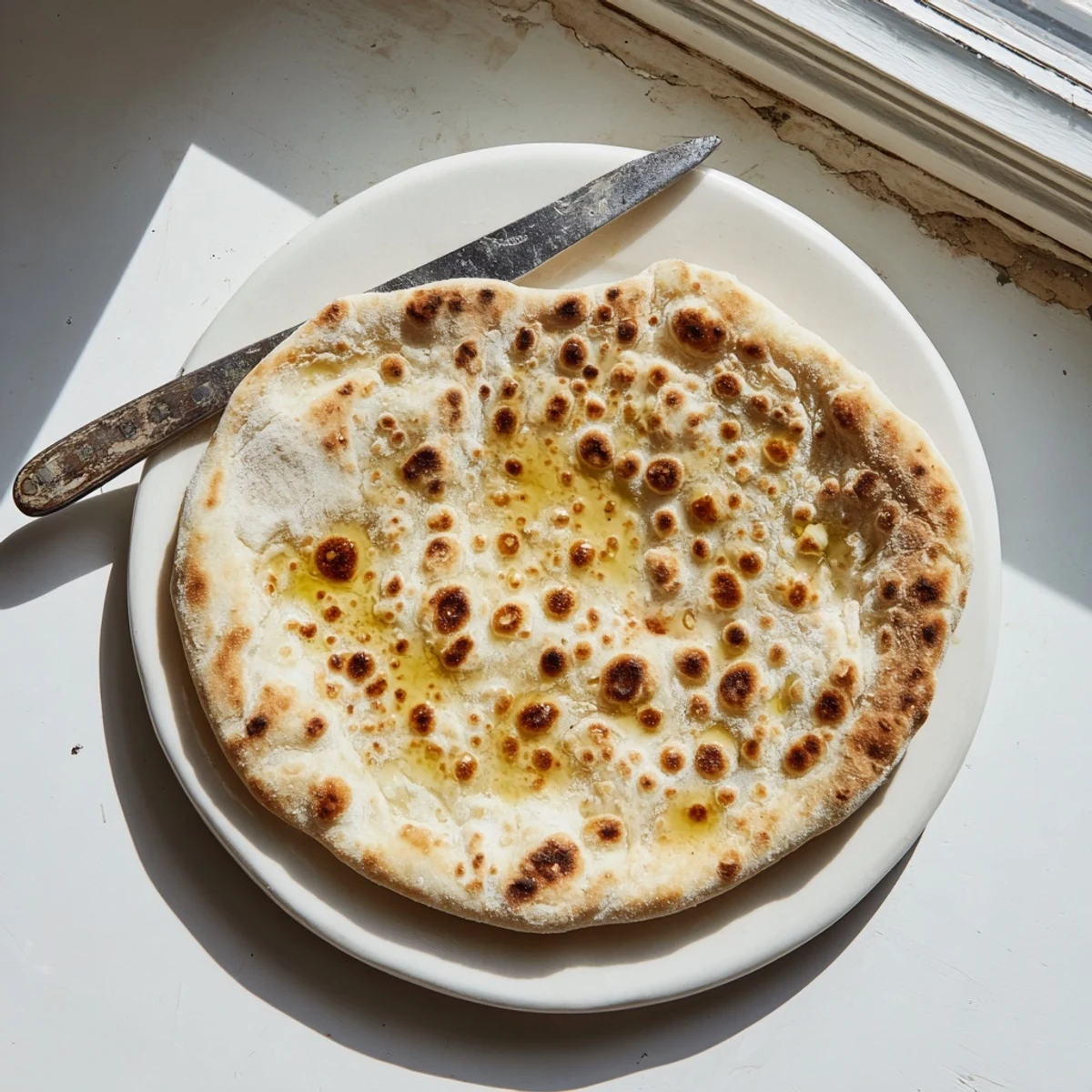
Save This traditional Turkish flatbread delivers irresistibly soft, pillowy texture with a beautifully golden, slightly chewy exterior. The yogurt-enriched dough creates exceptional tenderness while developing those signature air pockets that make Bazlama perfect for scooping dips, wrapping grilled meats, or simply savoring warm with melted butter.
The preparation comes together with basic pantry staples - flour, yeast, yogurt, and water. After a simple one-hour rise, the dough transforms into eight impressive rounds that cook quickly in a hot skillet. Each bread puffs dramatically on the stovetop, creating those characteristic bubbles that signal perfectly cooked Bazlama.
These versatile flatbreads stay wonderfully soft when kept covered under a kitchen towel, making them ideal for meal prep or entertaining. They freeze beautifully for up to two months and reheat in minutes, delivering that fresh-from-the-pan experience anytime.
The smell of yeasting dough transports me straight to my grandmother's tiny kitchen in Istanbul, where she would pat these flatbreads into perfect circles while telling stories about her own childhood. I've been making bazlama for years now, and it still amazes me how four simple ingredients can create something so wonderfully comforting.
Last summer, I made a double batch for a rooftop dinner with friends, and we ended up eating half of them straight from the pan, warm and blistered, while the rest cooled on the counter. There's something deeply satisfying about watching these flatbreads puff up like little balloons in the hot skillet.
Ingredients
- 500 g all-purpose flour: This creates the perfect structure—bread flour makes them too tough, while whole wheat changes the texture entirely
- 7 g instant dry yeast: One standard packet works perfectly, no need to measure precisely
- 1½ teaspoons sugar: Feeds the yeast and helps achieve that beautiful golden color
- 1 teaspoon salt: Don't skip this—salt brings out the yogurt's natural tang
- 300 ml lukewarm water: Think bath temperature, about 105°F, to activate yeast without killing it
- 125 g plain yogurt: Room temperature is crucial here—cold yogurt slows down the yeast and affects the dough's rise
- 1–2 tablespoons olive oil or melted butter: For brushing warm breads, though they're delicious plain too
Instructions
- Wake up the yeast:
- Combine lukewarm water, yeast, and sugar in your largest bowl. Let it sit until you see a creamy foam layer on top—this tells you the yeast is alive and working.
- Add the yogurt:
- Whisk in the yogurt until fully incorporated. The mixture will look cloudy and thick, which is exactly what you want.
- Build the dough:
- Gradually add flour and salt, mixing with a wooden spoon or your hands. The dough will feel impossibly sticky at first—don't be tempted to add more flour.
- Knead until smooth:
- Turn the dough onto a floured surface and knead for about 10 minutes. You're done when it feels smooth, elastic, and barely sticks to your hands.
- Let it rise:
- Cover with a damp cloth and find the warmest spot in your kitchen. Walk away for an hour—come back to find it's doubled and smells wonderfully yeasty.
- Portion the dough:
- Punch down gently, turn onto a lightly floured surface, and divide into 8 equal pieces. Shape each into a smooth ball by tucking the edges underneath.
- Roll and shape:
- Use a rolling pin to flatten each ball into a 15 cm round, about 8 mm thick. Don't worry if they're not perfect circles—rustic looks beautiful here.
- Heat the pan:
- Get your skillet or cast-iron pan ripping hot over medium-high heat. You want it hot enough that a drop of water sizzles and dances across the surface.
- Cook to golden perfection:
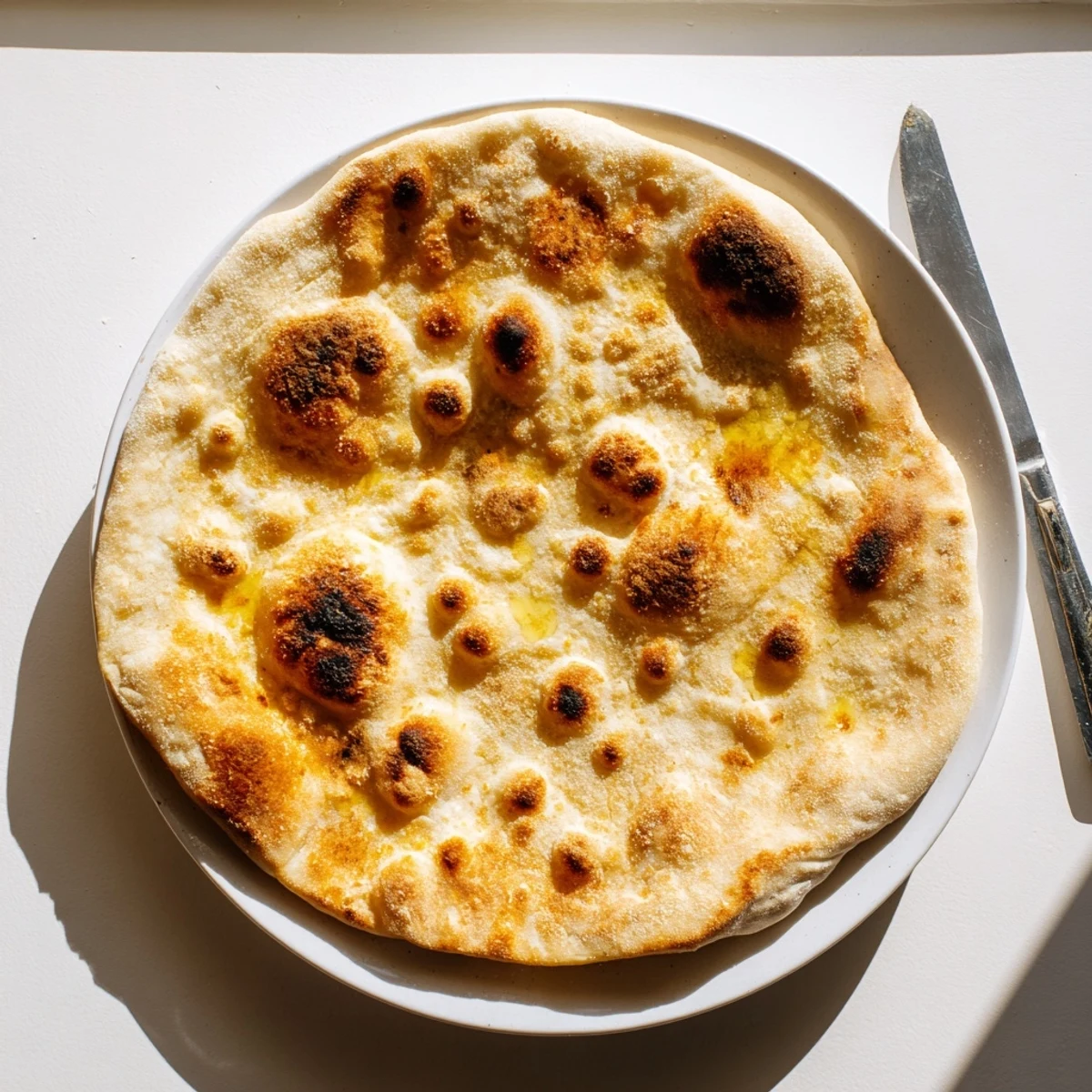
- Lay a flatbread in the pan and cook for 2–3 minutes until bubbles form and the bottom is golden. Flip and cook another 1–2 minutes—watch for those gorgeous puffy spots.
- Finish and keep warm:
- Brush with olive oil or melted butter while still warm if you like, then stack under a clean kitchen towel. This keeps them soft and pliable.
- Serve or store:
- These are best eaten immediately, but they'll keep in an airtight container for 2 days. Reheat in a hot pan for 30 seconds to refresh.
 Save
Save My daughter now requests these for her birthday dinner every year, choosing them over any fancy restaurant meal. Something about tearing into warm, fresh bread makes everyone slow down and really be present at the table.
Getting the Texture Right
The secret is in the yogurt—it's what makes Turkish flatbread different from other flatbreads you've tried. Don't use Greek yogurt unless you thin it with a tablespoon of water first, or your dough will be too stiff.
Serving Suggestions
These flatbreads are incredibly versatile. I love them warm with salted butter and a sprinkle of za'atar, or wrapped around grilled vegetables and a dollop of thick yogurt. They also make the perfect vehicle for scooping up dips.
Make Ahead and Storage
You can freeze cooked bazlama for up to 2 months—just wrap each one individually in plastic wrap, then store in a freezer bag. Reheat them directly from frozen in a hot skillet for about a minute per side.
- Uncooked dough balls can be frozen for up to 1 month
- Thaw frozen dough overnight in the refrigerator, then bring to room temperature before rolling
- Never refrigerate cooked breads—it makes them tough and dry
 Save
Save There's something profoundly satisfying about making your own bread, especially one that's this forgiving and delicious. I hope these bring as much warmth to your table as they have to mine.
Recipe FAQs
- → What makes Bazlama different from other flatbreads?
-
Bazlama stands out for its exceptionally soft, pillowy interior achieved through yogurt enrichment and a longer resting period. Unlike thinner flatbreads like lavash, Bazlama bakes up thicker (about ⅓ inch) with a golden, slightly chewy crust and characteristic air pockets throughout. The yogurt adds subtle tang while keeping the bread tender and moist even after cooling.
- → Can I make Bazlama without yogurt?
-
While yogurt contributes significantly to texture and flavor, you can substitute with additional water or plant-based yogurt alternatives. The resulting bread may be slightly less tender but still delicious. For vegan versions, use dairy-free yogurt and increase the amount slightly to maintain the soft, pliable dough consistency.
- → How do I know when Bazlama is cooked properly?
-
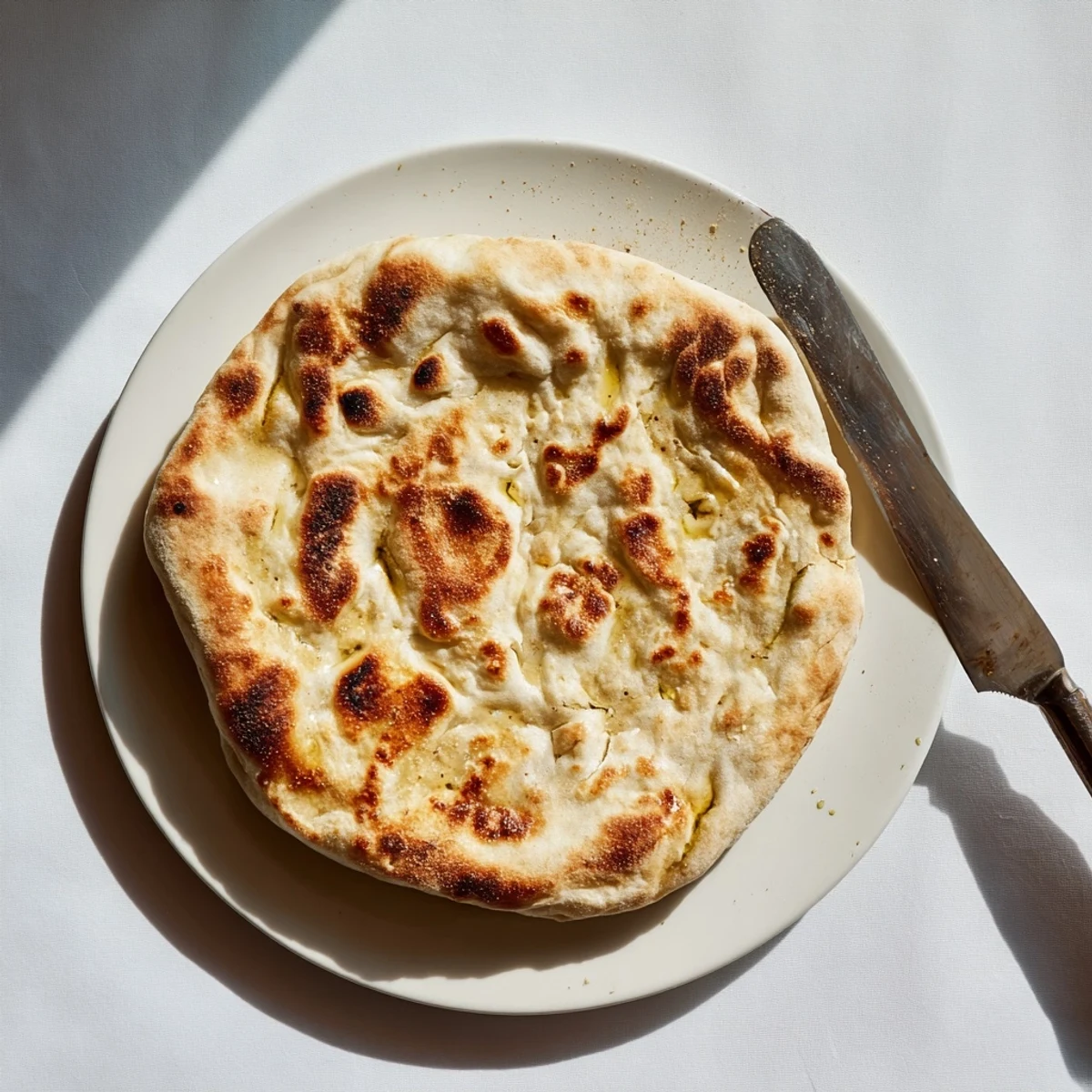
Perfectly cooked Bazlama develops golden-brown spots on both sides and puffs up noticeably with air bubbles forming across the surface. The first side typically needs 2-3 minutes until golden and puffed, while the second side requires just 1-2 minutes. The bread should feel cooked through but still pliable, not crispy or hard.
- → What's the best way to store and reheat Bazlama?
-
Keep fresh Bazlama soft by covering immediately with a clean kitchen towel. Store at room temperature in an airtight container for up to 2 days, or freeze individually wrapped for up to 2 months. Reheat frozen or refrigerated bread directly in a hot skillet for 30-60 seconds per side until warmed through and pliable again.
- → Can I cook Bazlama on an outdoor grill?
-
Absolutely! Preheat your grill to medium-high heat and oil the grates lightly. Cook Bazlama the same way - 2-3 minutes per side until golden and puffed. The grill adds subtle smoky notes and beautiful char marks. Watch carefully as outdoor grills may have hot spots that cook faster than stovetop pans.
- → Why did my dough not double in size?
-
If your dough didn't rise properly, the yeast may have been inactive or the water temperature incorrect. Water should feel comfortably warm to your finger (around 110°F/43°C) - too hot kills yeast, too cold slows activation. Also ensure your bowl is covered and placed in a warm, draft-free area. If your kitchen is cool, try placing the bowl near a warm oven or in a sunny spot.