
 Save
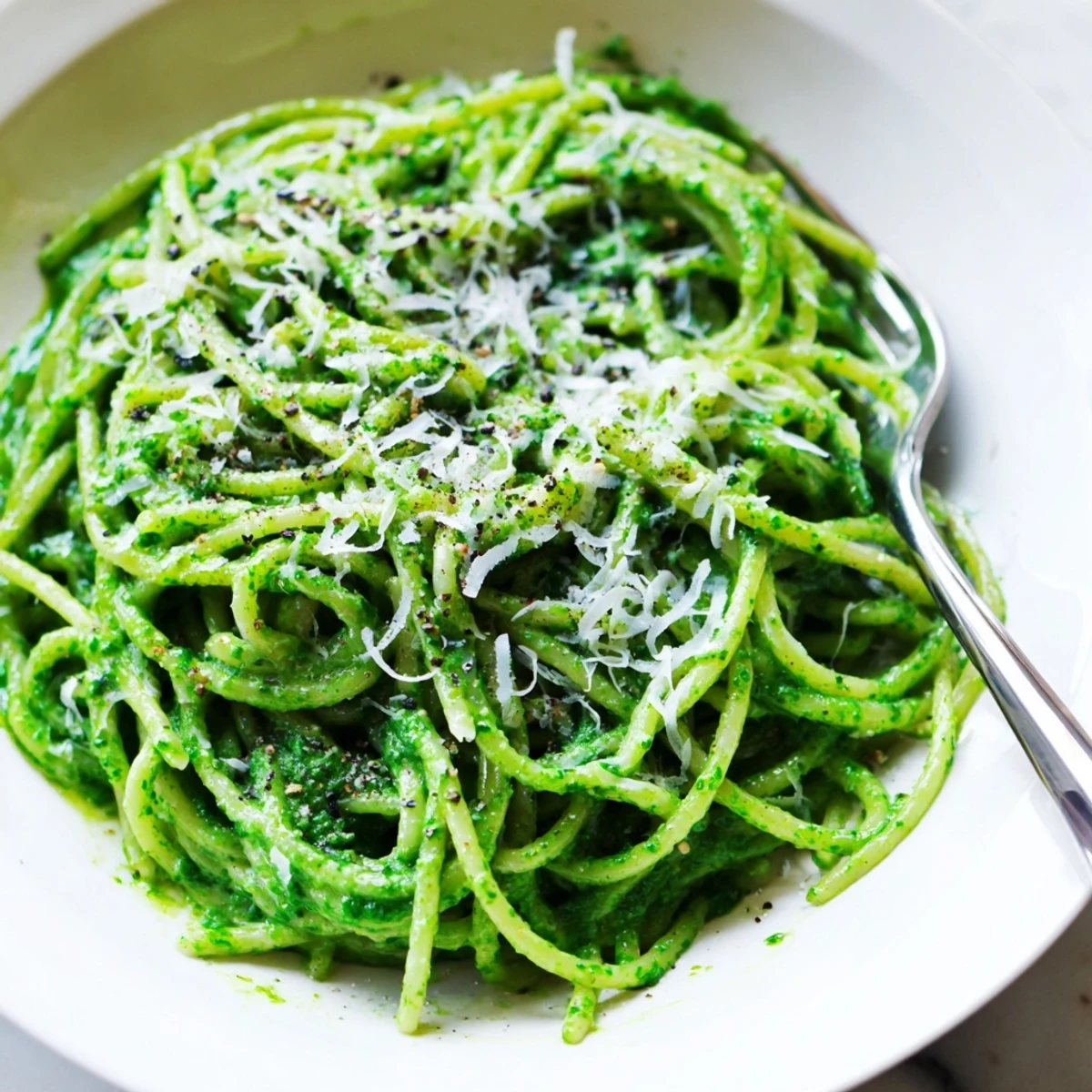
Save This wild garlic pesto pasta brings the freshest flavors of spring straight to your plate. Made by blending wild garlic leaves with toasted pine nuts, Parmesan and extra virgin olive oil, the pesto coats every strand of pasta in a vibrant, nutty sauce.
Ready in just 25 minutes, it's an effortless yet impressive dish perfect for busy weeknights or casual gatherings. A splash of reserved pasta water ensures a silky, restaurant-quality finish.
Customizable with vegan substitutions and alternative nuts, this Italian-inspired dish celebrates seasonal ingredients at their best.
The smell hit me before I even saw the leaves, a pungent, sweet garlic cloud rolling through the farmers market on a rainy April morning. I grabbed two enormous bunches without a plan, which is honestly how most of my best meals begin. Wild garlic has a shelf life that laughs at procrastination, so I had to move fast. That evening, standing over my food processor while the brightest green paste came together, I realized this was spring in a bowl.
My neighbor Ana knocked on my door that night to return a borrowed casserole dish and ended up staying for dinner, fork twirling, eyes closed, completely silent for a full minute. She now texts me every April asking if the wild garlic is back at the market.
Ingredients
- 75 g wild garlic leaves: Rinse them thoroughly and pat dry because grit hiding in those creases will ruin the silky texture you are after.
- 50 g toasted pine nuts or walnuts: Toast them in a dry pan until just golden because raw nuts taste flat and nobody wants flat pesto.
- 50 g freshly grated Parmesan cheese: Grate it yourself from a block since the pre grated stuff contains anti caking agents that make the sauce grainy.
- 1 garlic clove: Just one because wild garlic already brings serious punch and you want balance, not a vampire repellent.
- 100 ml extra virgin olive oil: Use the good stuff here since the oil is carrying the entire flavor of this sauce.
- Half a lemon juiced: This little hit of acidity wakes everything up and keeps the green color vivid.
- Salt and black pepper: Season gradually and taste as you go because the Parmesan is already salty.
- 400 g dried pasta: Spaghetti, linguine, or penne all work beautifully so use whatever shape makes you happy.
- Extra Parmesan and cracked pepper for garnish: Entirely optional but honestly not optional at all.
Instructions
- Boil the pasta with intention:
- Bring a large pot of generously salted water to a rolling boil and cook the pasta until just al dente with a slight bite remaining. Scoop out half a cup of that starchy pasta water before draining because it is liquid gold for bringing the sauce together.
- Build the pesto foundation:
- Toss the wild garlic leaves, toasted nuts, Parmesan, and garlic clove into a food processor and pulse until roughly chopped. You are looking for a textured crumb at this stage, not a smooth paste yet.
- Stream in the olive oil:
- With the motor running, pour the olive oil in a slow steady stream through the feed tube until the mixture transforms into a vivid green silky paste. Add the lemon juice, season with salt and pepper, and taste it on your finger to adjust.
- Marry the pasta and pesto:
- Toss the hot drained pasta with the pesto in a large bowl, splashing in reserved pasta water a tablespoon at a time until every strand is glossy and coated. The heat from the pasta blooms the garlic aroma and fills your kitchen with something almost intoxicating.
- Finish and serve immediately:
- Plate it right away with a shower of extra Parmesan and a generous crack of black pepper over each portion. This dish waits for no one because the color and vibrancy fade if it sits too long.
 Save
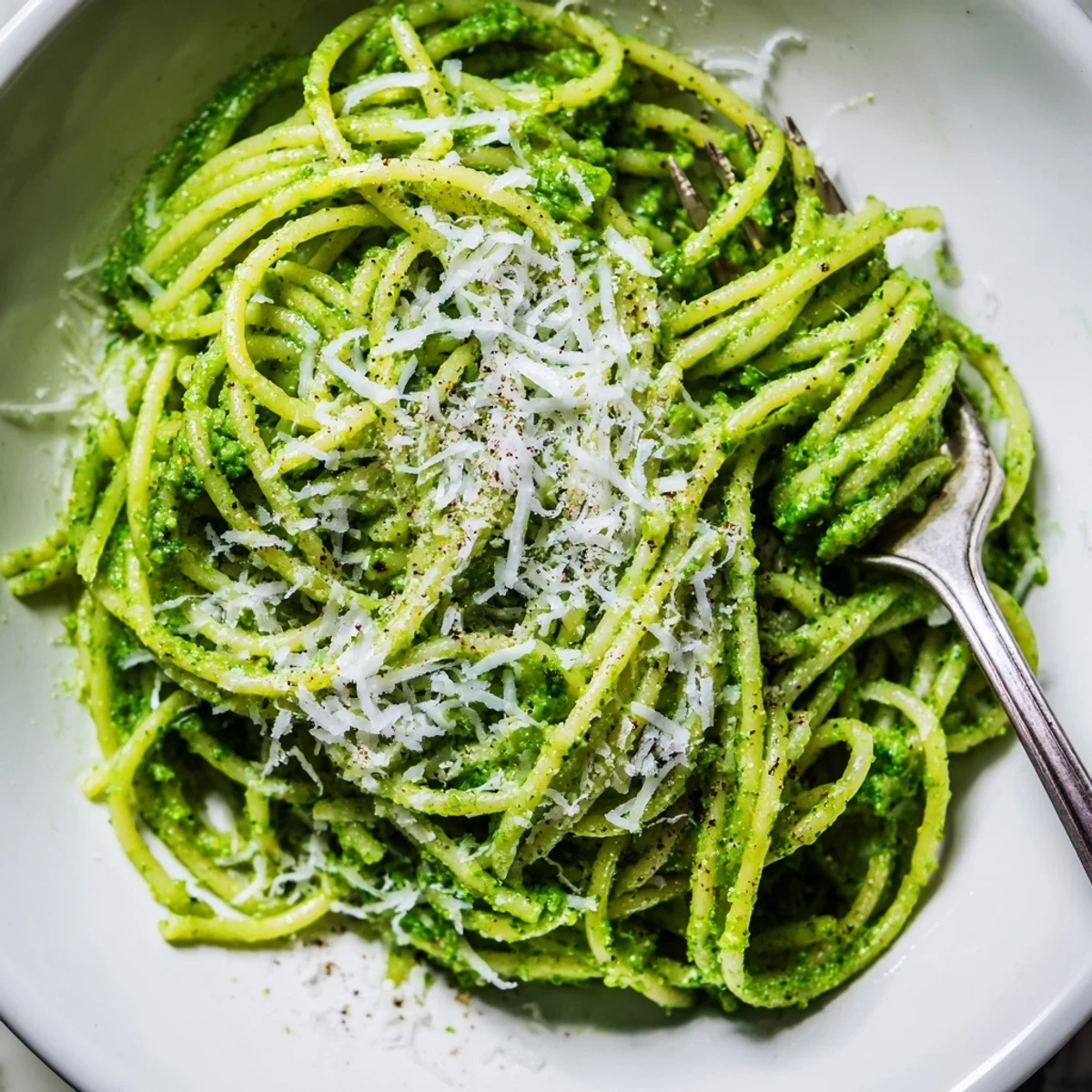
Save There is something about serving a plate this green to people who expect ordinary pasta that makes the whole table go quiet in the best way.
What I Learned From Making This Every Spring
Wild garlic season is maddeningly short, usually just six weeks between late March and mid May, which taught me to stop overthinking and just cook. I have tried freezing the pesto in ice cube trays and it works surprisingly well, though the texture softens slightly upon thawing.
Swaps That Actually Work
When pine nuts felt too pricey I toasted cashews instead and the result was creamier with a subtle sweetness I now sometimes prefer. Nutritional yeast stands in beautifully for Parmesan if you are cooking for vegan friends, and a tablespoon of miso paste adds the umami depth that yeast alone lacks.
Wine Pairings and Leftovers
A glass of something crisp and acidic cuts right through the richness of this dish and makes every bite feel lighter. Leftover pesto keeps in a jar in the fridge for up to three days with a thin layer of olive oil on top to prevent browning.
- Press a piece of cling film directly onto the surface of leftover pesto before sealing the jar.
- A crisp Sauvignon Blanc or a light Pinot Grigio are your best bets for pairing.
- Remember that leftover pesto makes an incredible sandwich spread the next day so do not throw it away.
 Save
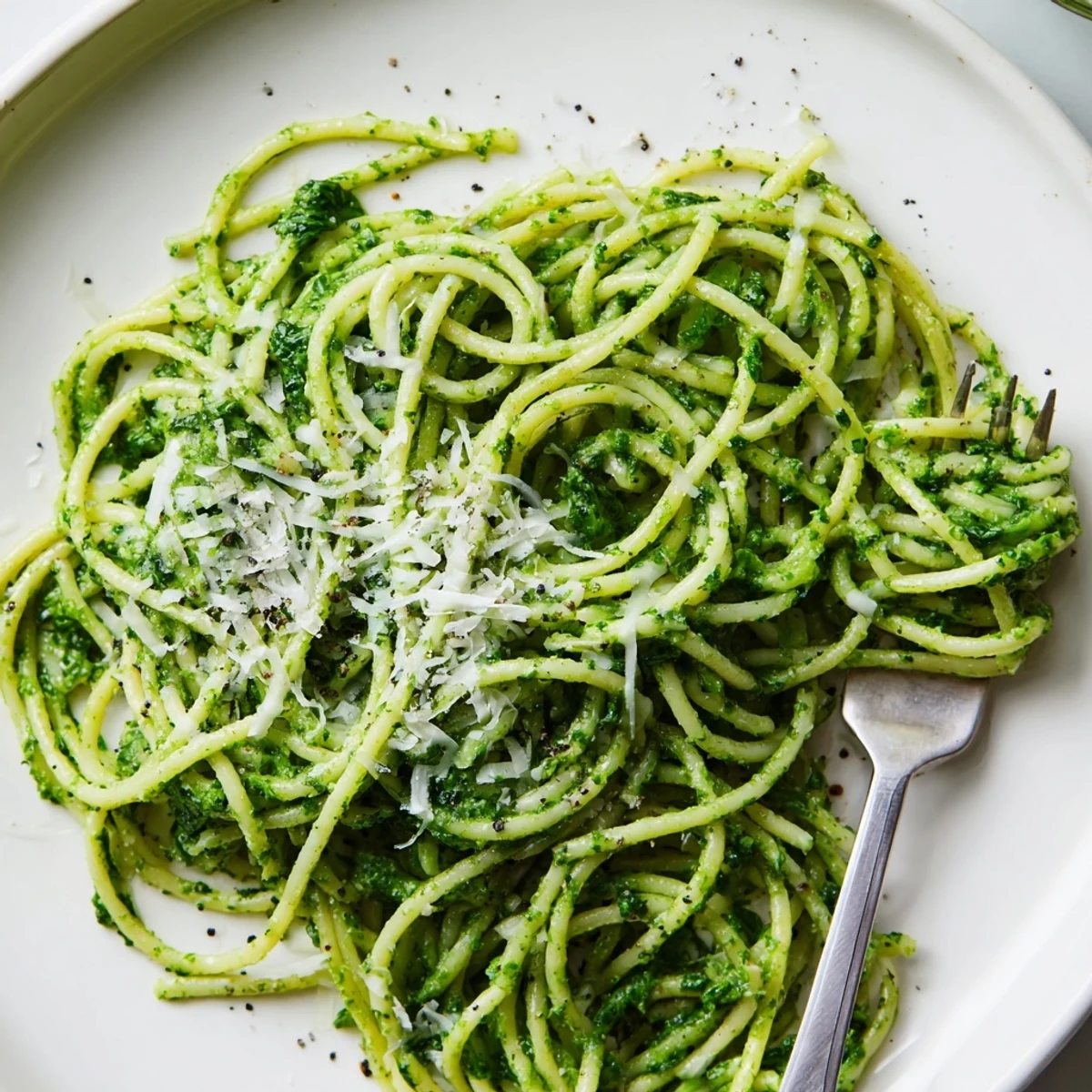
Save Some dishes are just dinner, and some dishes are the reason you start looking forward to a season. This one is both.
Recipe FAQs
- → What does wild garlic taste like?
-
Wild garlic has a delicate, fresh flavor that combines mild garlic notes with a subtle chive-like sweetness. It's less pungent than regular garlic cloves and brings a vibrant green color to dishes.
- → Can I use regular garlic instead of wild garlic?
-
While regular garlic won't provide the same fresh, green flavor, you can substitute with a combination of fresh basil leaves and a garlic clove for a classic pesto variation.
- → Where can I find wild garlic?
-
Wild garlic is typically available during spring at farmers' markets, specialty grocery stores, and can sometimes be foraged in woodland areas. Look for bunches with broad, vibrant green leaves.
- → How do I store leftover wild garlic pesto?
-
Transfer leftover pesto to an airtight container, press plastic wrap directly onto the surface to prevent browning, and refrigerate for up to 3 days. You can also freeze it for up to 3 months.
- → What pasta shapes work best with this pesto?
-
Long strands like spaghetti or linguine work beautifully, allowing the pesto to coat evenly. Short shapes like penne or fusilli also work well, trapping the pesto in their crevices for maximum flavor in every bite.
- → Can I make this dish vegan?
-
Yes, simply replace the Parmesan with nutritional yeast or a plant-based hard cheese alternative. The pesto will still deliver excellent flavor with a slightly different depth.