
 Save
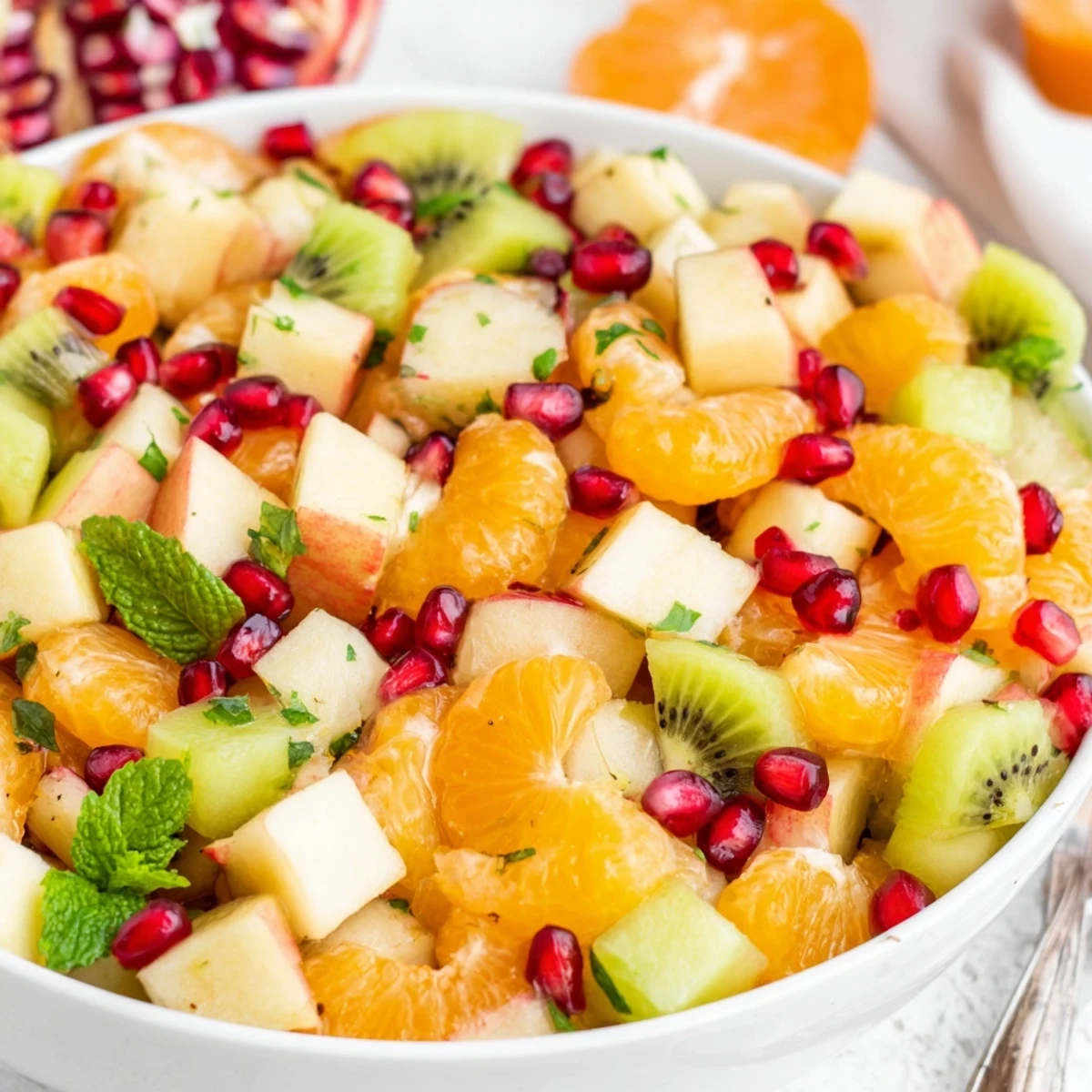
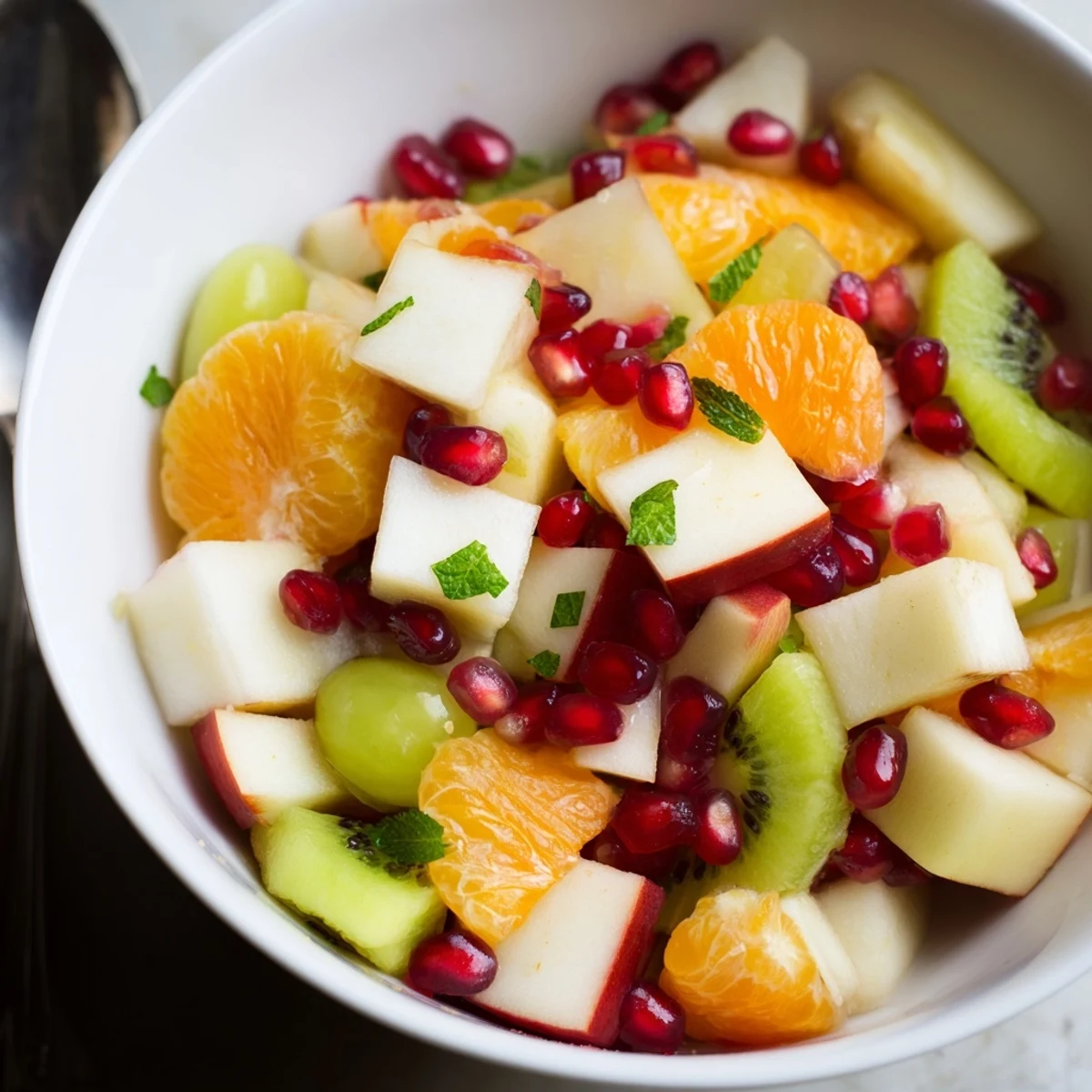
Save This vibrant dish blends the freshest winter fruits like oranges, apples, pomegranate, and kiwi with a delicate honey and mint dressing. The combination brings a sweet, tangy, and refreshing flavor profile that works perfectly as a light dessert or a bright side. Preparation is quick and simple, taking just 15 minutes without cooking. Variations like adding toasted nuts or seasonal fruits can add texture and new layers of taste.
The natural sweetness of honey complements the citrus and ripe fruits, while fresh mint offers a refreshing lift. Chilling the dish enhances the flavors, making it ideal for both casual gatherings and elegant occasions. Dietary-friendly options include substituting honey with maple syrup for a vegan twist.
There's something about winter fruits that catches you off guard—the way pomegranate arils burst tart and jewel-bright against the crisp bite of a freshly cut apple. I first made this salad on a gray January afternoon when my fridge held nothing but good intentions and scattered fruit. What started as a quick way to use what I had became a bowl so beautiful I couldn't help but take a photo before anyone could dive in.
I brought this to a potluck once where everyone had brought heavy casseroles and roasted vegetables. When I set down my bright bowl of fruit, someone actually said, 'Oh thank goodness.' That simple reaction taught me how much people crave something light and alive, especially when the weather outside is bleak.
Ingredients
- Oranges (2 large): Peel them fresh and segment carefully so you get those pockets of juice—canned won't give you that same brightness.
- Apples (2 medium): Any crisp variety works, but I prefer ones with a slight tartness to balance the sweetness of the honey.
- Pomegranate (1 large): Yes, it's messy to deseed, but those jewel-like arils are what make people stop mid-bite and comment on how pretty it looks.
- Kiwis (2): The electric green color is almost too good to be true, and they add a subtle tartness that keeps things from becoming cloying.
- Pear (1 ripe): Pick one that yields just slightly to pressure—overripe pears turn to mush, underripe ones taste like nothing.
- Red grapes (1/2 cup): Halving them lets the dressing coat them better and makes each bite feel more composed.
- Honey (2 tbsp): Use something you actually like eating on toast, because you'll taste it clearly here.
- Lemon juice (1/2 lemon): Fresh lemon is non-negotiable—it brightens everything and prevents the apples from browning.
- Fresh mint (2 tbsp chopped): Mint gives this salad its soul; it transforms it from just fruit into something that feels intentional and refreshing.
Instructions
- Get your fruit ready:
- Wash everything under cold water and pat dry. Segment the oranges over a bowl to catch the juice, peel and dice the apples, deseed the pomegranate (a trick: do it in a bowl of water so the arils sink and the white pith floats), slice the kiwis, dice the pear, and halve the grapes.
- Make the dressing:
- In a small bowl, whisk the honey with fresh lemon juice until it loosens and becomes pourable. This takes just a few seconds—don't overthink it.
- Combine with care:
- Pour all your prepped fruit into a large bowl and drizzle the dressing over it. Use a gentle hand when tossing; you want to coat everything without crushing the more delicate fruits like the kiwis and pomegranate arils.
- Finish with mint:
- Scatter the chopped mint over the top and give it one last gentle toss. Serve immediately, or cover and chill for up to 2 hours if you prefer it extra cold.
 Save
Save My neighbor once told me she served this to her mother-in-law, who normally critiques everything, and somehow this simple fruit salad became the thing they bonded over. That's when I realized food doesn't have to be complicated to matter.
Why This Works in Winter
Winter fruits have this concentrated sweetness because the cold concentrates their sugars—a pomegranate in December tastes nothing like one in June. The citrus is at its peak, the pears are finally good, and that's exactly why this salad belongs on a winter table instead of buried in summer produce.
The Mint Makes All the Difference
Fresh mint transforms this from a pleasant fruit cup into something that tastes alive. It cuts through the sweetness, adds a cool note that feels luxurious, and makes people pause and ask what they're tasting. If you've been skipping fresh herbs in desserts, this is where you change that habit.
How to Make It Your Own
This recipe is genuinely flexible, which is part of why I love it. Swap in persimmons, mandarins, or whatever winter fruit your market has that day. For nuts, walnuts or pistachios add a toasted earthiness that nobody expects but everyone loves once it's there.
- If you're vegan, maple syrup or agave work beautifully in place of honey.
- A tiny pinch of cardamom whispered into the honey dressing is a secret move that elevates the whole thing.
- Chill your serving bowls for 10 minutes before plating—it keeps the salad cold longer and feels thoughtful.
 Save
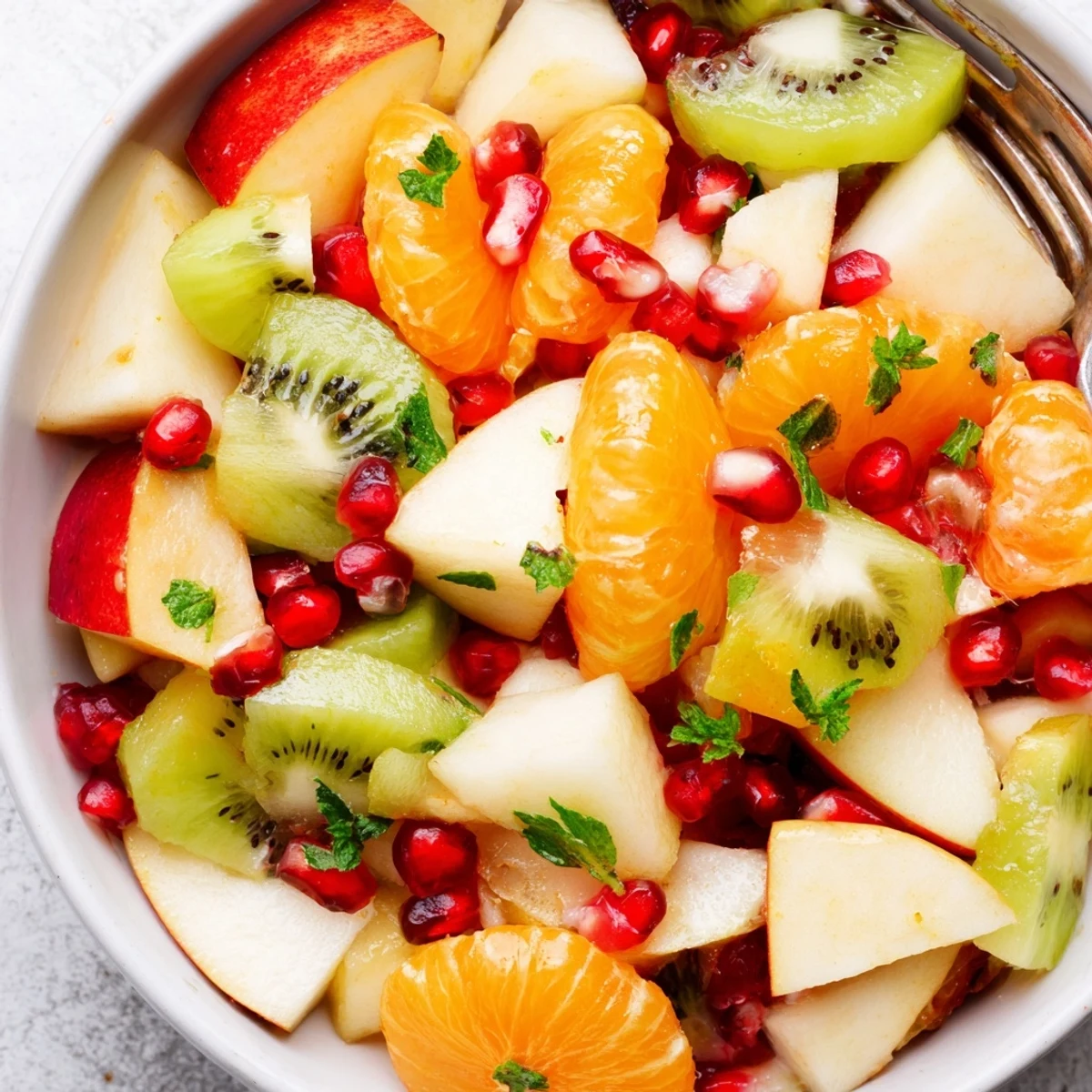
Save This is the kind of salad that proves you don't need much to make something beautiful and nourishing. It's been there for my gray days and my celebration days, and it never feels like a consolation prize.
Recipe FAQs
- → What fruits are best for winter in this dish?
-
Winter fruits like oranges, apples, pomegranate, kiwis, pears, and red grapes bring vivid flavors and natural sweetness to this mix.
- → Can I prepare the fruit salad ahead of time?
-
Yes, you can prepare it in advance and chill it for up to 2 hours to allow the flavors to meld while maintaining freshness.
- → How does the honey and mint dressing enhance the fruit?
-
The honey adds gentle sweetness while the fresh mint imparts a refreshing aroma and flavor, balancing the fruits' natural tartness.
- → Are there any suggested add-ons for extra crunch?
-
Sprinkling toasted nuts such as walnuts or pistachios before serving adds delightful texture and a nutty depth.
- → Is there a vegan alternative to the honey dressing?
-
Yes, substituting honey with maple syrup or agave nectar preserves sweetness while keeping it plant-based.