
 Save
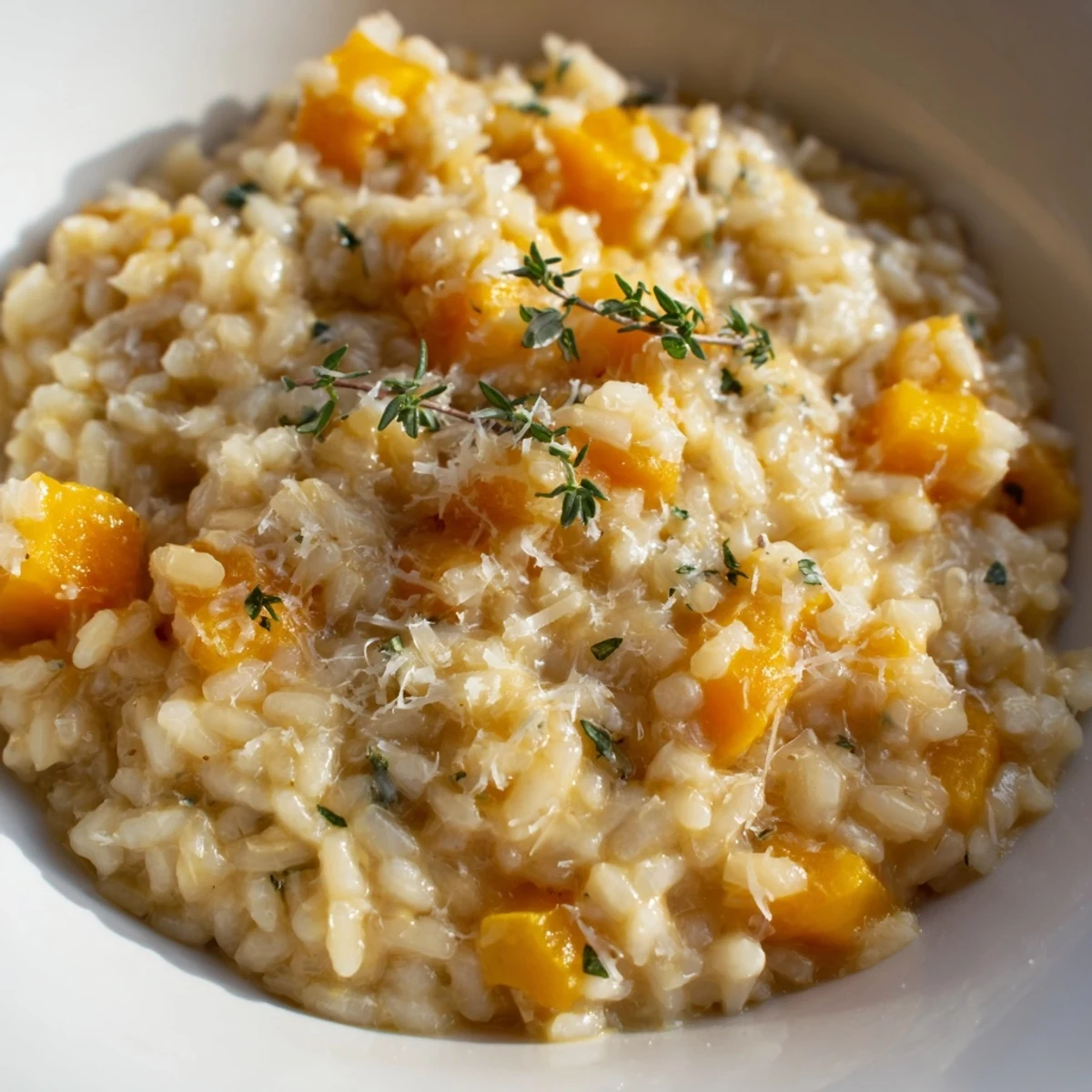
Save This comforting dish combines tender winter squash with creamy Arborio rice slowly cooked in vegetable broth and white wine. The risotto is enriched with butter and freshly grated Parmesan for a smooth, savory finish. Aromatic onion and garlic provide depth, while fresh thyme adds a fragrant touch. Perfectly creamy and subtly sweet, this dish offers warmth and richness ideal for cooler days. Preparations include gentle toasting of rice and gradual broth absorption to achieve a luscious texture.
There's something about a January evening that makes you crave something warm and substantial, and that's exactly when a colleague mentioned she'd been making risotto with butternut squash all winter. I'd always thought risotto seemed fussy, but watching her describe how the rice gradually releases its starch to create that silky, creamy texture without any cream changed everything for me. The first time I made it, the kitchen filled with this nutty sweetness from the squash, and I realized I'd been missing out on one of the easiest ways to feel like you've made something really special.
I made this for my partner on a randomly cold night when we both needed comfort food, and he asked for seconds immediately—which almost never happens. There's something about serving risotto that feels like an act of care, the way you're constantly tending to it, making sure it's creamy and perfect. That bowl seemed to say more than I could have in words.
Ingredients
- Winter squash (butternut, acorn, or kabocha), 2 cups diced: The squash breaks down slightly during cooking, adding natural sweetness and body to the risotto. I learned to peel and dice it while the onion cooks to save time without losing any flavor.
- Arborio rice, 1½ cups: This short-grain rice is essential—its high starch content is what creates that signature creamy texture. Don't substitute regular white rice; the result will be completely different.
- Vegetable broth, 5 cups, kept warm: Keep your broth simmering in a separate pot; cold broth will stop the rice from cooking evenly and slow down the whole process.
- Onion, 1 small, finely chopped: This is your flavor foundation, building a subtle sweetness that balances the earthiness of the squash.
- Garlic, 2 cloves, minced: A quick 30-second cook is all it needs—any longer and it turns bitter and overpowers the delicate squash.
- Dry white wine, ½ cup: The acid cuts through the richness and adds complexity; Pinot Grigio or Sauvignon Blanc works beautifully.
- Unsalted butter, 3 tablespoons, divided: Use the best quality butter you can find—1 tablespoon goes in at the beginning to build flavor, then 2 more at the end for silkiness.
- Parmesan cheese, ½ cup, freshly grated: Freshly grated makes all the difference; pre-grated cheese has anti-caking agents that prevent it from melting smoothly into the rice.
- Olive oil, 2 tablespoons: Use a decent quality oil; it carries flavor throughout the first stage of cooking.
- Salt and black pepper to taste: Season in stages rather than all at once so the flavors build gradually.
- Fresh thyme leaves for garnish (optional): A small handful adds a subtle herbal note that ties everything together.
Instructions
- Start your aromatics:
- Heat the olive oil and 1 tablespoon butter over medium heat, then add the chopped onion. You'll know it's ready when it becomes translucent and soft, about 3–4 minutes, releasing a gentle sweetness into the pan. Stir in the garlic for just 30 seconds—you want to smell it, but not let it brown.
- Soften the squash:
- Add the diced squash to the pan and stir occasionally for 5–6 minutes until the edges start to soften and break down slightly. You're not trying to cook it completely; you just want it to release some of its sweetness and begin to surrender to the heat.
- Toast the rice:
- Stir in the Arborio rice and let it sit with the squash and aromatics for 1–2 minutes, stirring constantly. Watch for the grains to turn slightly opaque and translucent around the edges—this toasting step deepens the rice's nutty flavor.
- Add the wine:
- Pour in the white wine and stir frequently until it's mostly absorbed into the rice, about 1–2 minutes. You'll hear the sizzle soften and smell the wine integrating with the toasted rice and sweet squash.
- Build the creaminess with broth:
- Add 1 ladle of warm vegetable broth and stir frequently, letting the liquid absorb before adding the next ladleful. This gradual process, which takes about 20–25 minutes total, is what creates the creamy texture—the rice releases its starch while maintaining its structure. Keep stirring and tasting; you're looking for rice that's tender but still has a slight bite, and squash that's completely soft.
- Finish with butter and cheese:
- Remove the pan from heat and stir in the remaining 2 tablespoons butter and the grated Parmesan until fully combined. Taste and season with salt and pepper, keeping in mind that the Parmesan adds saltiness.
- Serve immediately:
- Transfer to bowls and garnish with a few fresh thyme leaves if you have them. Risotto waits for no one—the longer it sits, the firmer it becomes.
 Save
Save There was a moment while making this where I stopped stirring and just watched the rice transform from individual grains into something silky and cohesive, and I realized that's what cooking really teaches you—patience and attention. This dish became one I turn to whenever I want to feel grounded, because the act of making it is as nourishing as eating it.
Substitutions and Swaps
Butternut squash is classic, but don't hesitate to use acorn or kabocha squash instead—each one brings slightly different sweetness and texture. I've also made this with peeled and diced delicata squash, which has a thinner skin and almost silky flesh that melts into the rice beautifully. If you want to add richness without cream, a splash of white wine or a handful of sage leaves at the end shifts the entire mood of the dish in subtle ways.
Wine Pairing and Serving Suggestions
A crisp white wine like Pinot Grigio, Sauvignon Blanc, or Vermentino pairs perfectly with this risotto—something with acidity that cuts through the richness. I like to serve it on its own, letting the risotto be the star, but it's also beautiful alongside a simple green salad dressed with lemon and olive oil. The risotto is substantial enough to be a complete dinner, which is why I reach for it on nights when I want something satisfying but not heavy.
Storage and Make-Ahead Tips
Risotto is best eaten fresh, but you can store leftovers in an airtight container for up to three days—just know that it will firm up considerably. To reheat, add a splash of warm broth or water and stir over gentle heat until it reaches that creamy consistency again. If you want to prepare ahead, you can prep all your ingredients the night before and keep your broth warm at dinnertime, which cuts the actual cooking down to pure presence and stirring.
- Prepare squash, onion, and garlic ahead of time and store in separate containers in the refrigerator.
- Keep extra warm broth on hand in case you need more liquid than expected—every stove is different.
- Set a timer for 20–25 minutes of broth-adding so you don't lose track of time halfway through.
 Save
Save This risotto has a quiet elegance that makes you feel like you've cooked something impressive without it ever feeling difficult. It's the kind of dish that reminds you why cooking for yourself and others matters.
Recipe FAQs
- → What type of squash works best for this dish?
-
Butternut squash is ideal due to its sweet, smooth texture, but acorn or kabocha squash can be used as alternatives.
- → Can I use a different cheese instead of Parmesan?
-
While Parmesan adds a savory richness, Pecorino Romano or aged Asiago can serve as flavorful substitutes.
- → How do I achieve the creamy texture in this dish?
-
Slowly adding warm vegetable broth while stirring allows the rice to release starches, creating a creamy consistency.
- → Is white wine necessary for flavor?
-
White wine adds acidity and depth, but substituting with more broth or a touch of lemon juice can maintain balance.
- → What is the best way to serve this dish?
-
Serve immediately after finishing with butter and cheese, garnished with fresh thyme for enhanced aroma and presentation.