
 Save
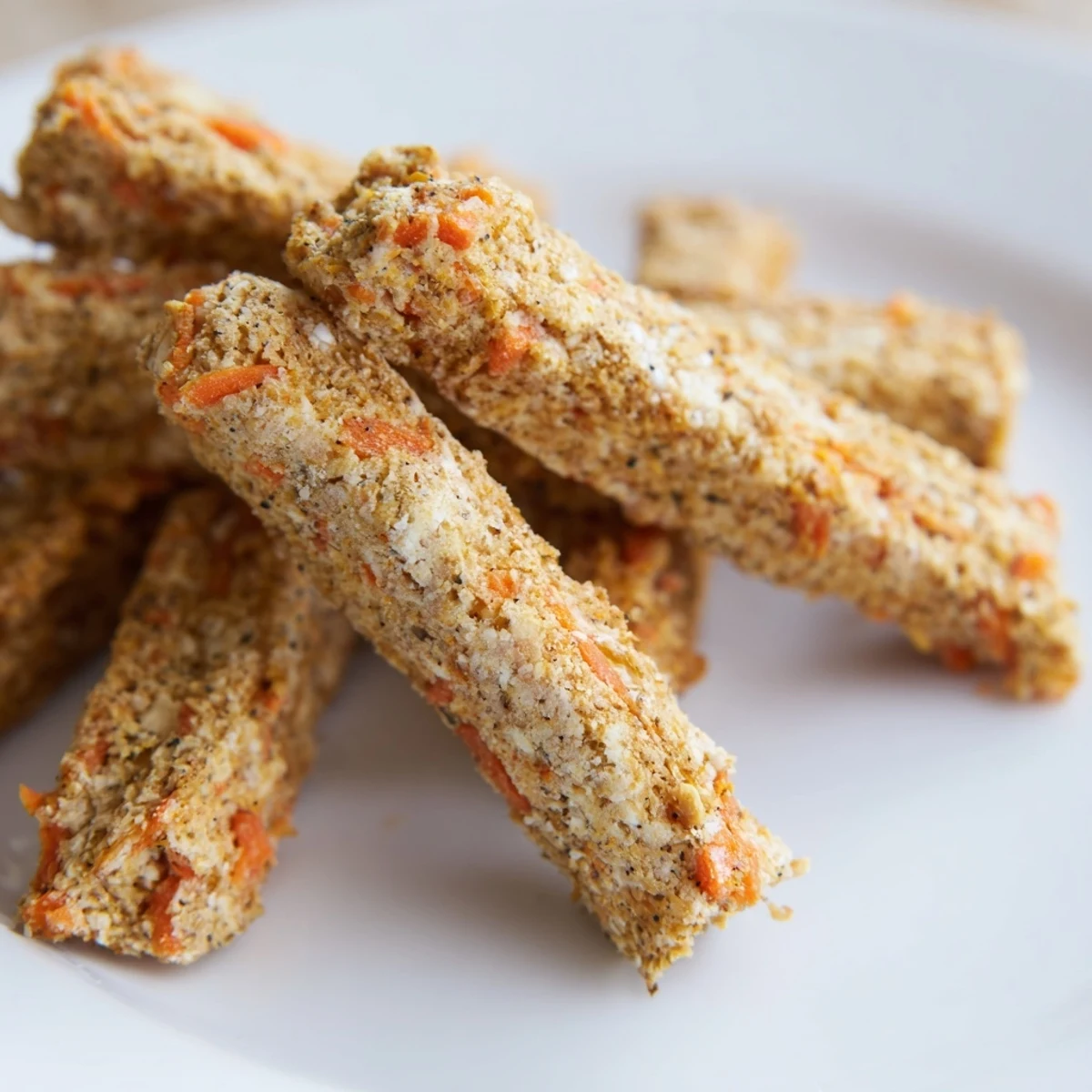
Save These wholesome apple and carrot chew sticks combine fresh grated fruits and vegetables with whole wheat flour and oats for a naturally crunchy treat your dog will adore. The dough comes together quickly with egg and applesauce, then bakes into firm sticks that satisfy your pup's urge to chew while providing wholesome nutrition.
Perfect for dogs who love to gnaw, these sticks offer a satisfying texture that helps keep them occupied. The natural sweetness of apples pairs beautifully with carrots, while rolled oats add fiber and essential nutrients. Each stick contains just 55 calories, making them ideal for training rewards or everyday treating.
Store in an airtight container for up to a week, or freeze extras for longer freshness. You can easily adapt this recipe by substituting pumpkin puree for applesauce or using gluten-free oat flour for dogs with wheat sensitivities.
The first time my golden retriever Barnaby tried these, he actually did a little hop of anticipation when he smelled the apples baking. I'd been skeptical about making dog treats at home, figuring store-bought was easier, but watching him carry his chew stick around like a prize changed my mind completely. Now it's a weekend ritual that leaves the kitchen smelling like autumn, and honestly, I've considered trying one myself.
My neighbor's dog, a picky French bulldog named Pierre who turns his nose up at everything, finally ate something from my hand. His owner was shocked. I keep a batch in the freezer now for when dogs visit, and somehow word has spread around the neighborhood.
Ingredients
- 1 medium apple, peeled, cored, and grated: The sweetness makes these irresistible, and peeling prevents any digestive upset from the skin
- 1 medium carrot, peeled and grated: Adds natural sweetness and crunch that dogs love, plus beta-carotene for their coat
- 2 cups whole wheat flour or gluten-free oat flour: The foundation that holds everything together, oat flour works beautifully for sensitive tummies
- ½ cup rolled oats: Adds texture and fiber, creating that satisfying chewy resistance
- 1 large egg: The binding agent that makes the dough actually hold together when shaped
- ⅓ cup unsweetened applesauce: Extra moisture and natural sweetness without any added sugar
- 2 tbsp water as needed: Only if your dough seems too dry, some apples are juicier than others
Instructions
- Get your oven ready:
- Preheat to 350°F and line a baking sheet with parchment paper, the parchment prevents sticking and makes cleanup effortless
- Mix the foundation:
- Combine grated apple, grated carrot, flour, and oats in a large bowl, mixing until the vegetables are evenly distributed throughout the flour
- Bring it together:
- Add the egg and applesauce, stirring until a dough forms, adding water one tablespoon at a time only if the mixture refuses to come together
- Shape the chews:
- Roll the dough on a lightly floured surface into sticks about 4 inches long and ½ inch thick, keeping them relatively uniform for even baking
- Bake to perfection:
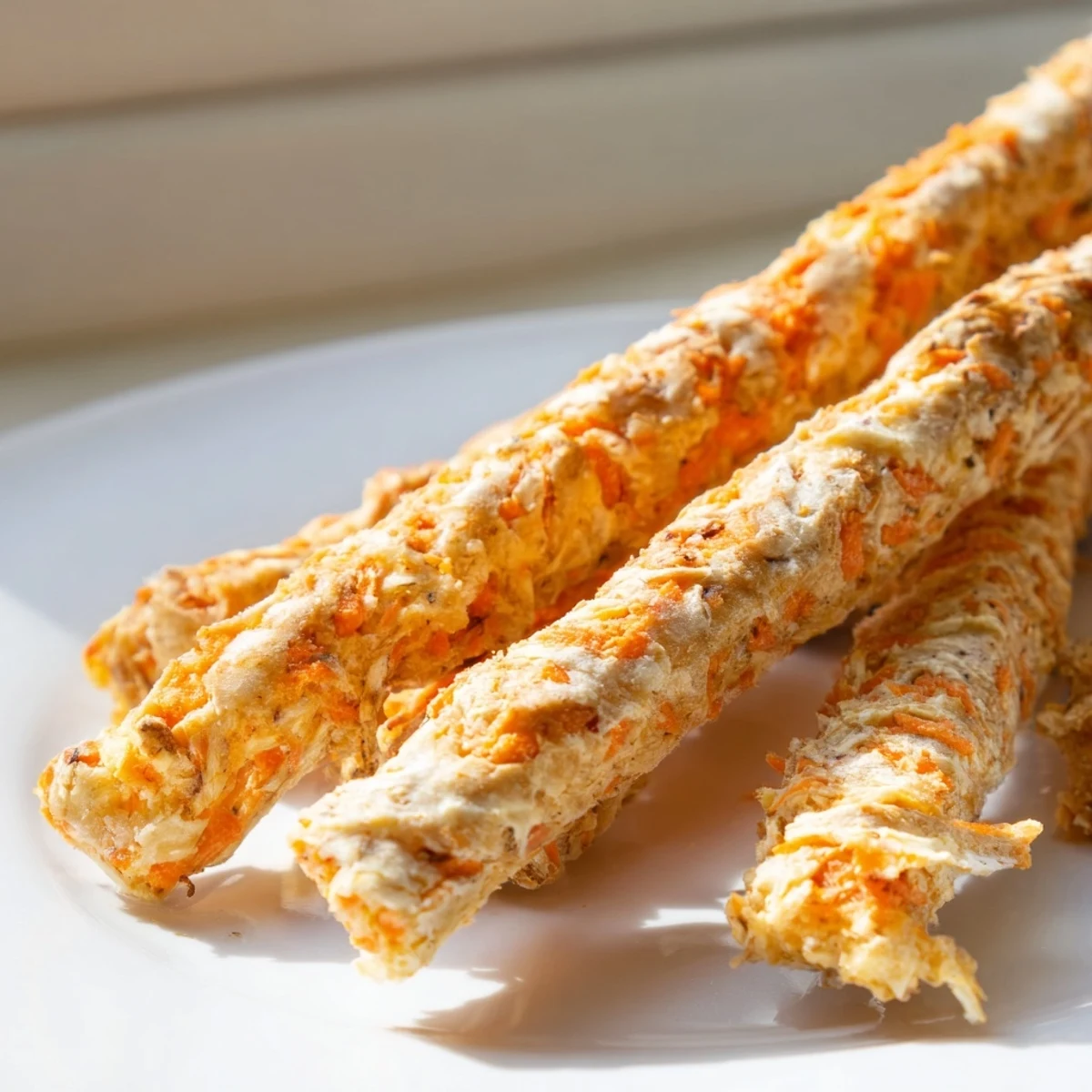
- Place sticks on your prepared sheet and bake for 40 to 45 minutes until golden and firm, then turn off the oven and let them cool inside for an extra hour to develop that satisfying crunch
- The final step:
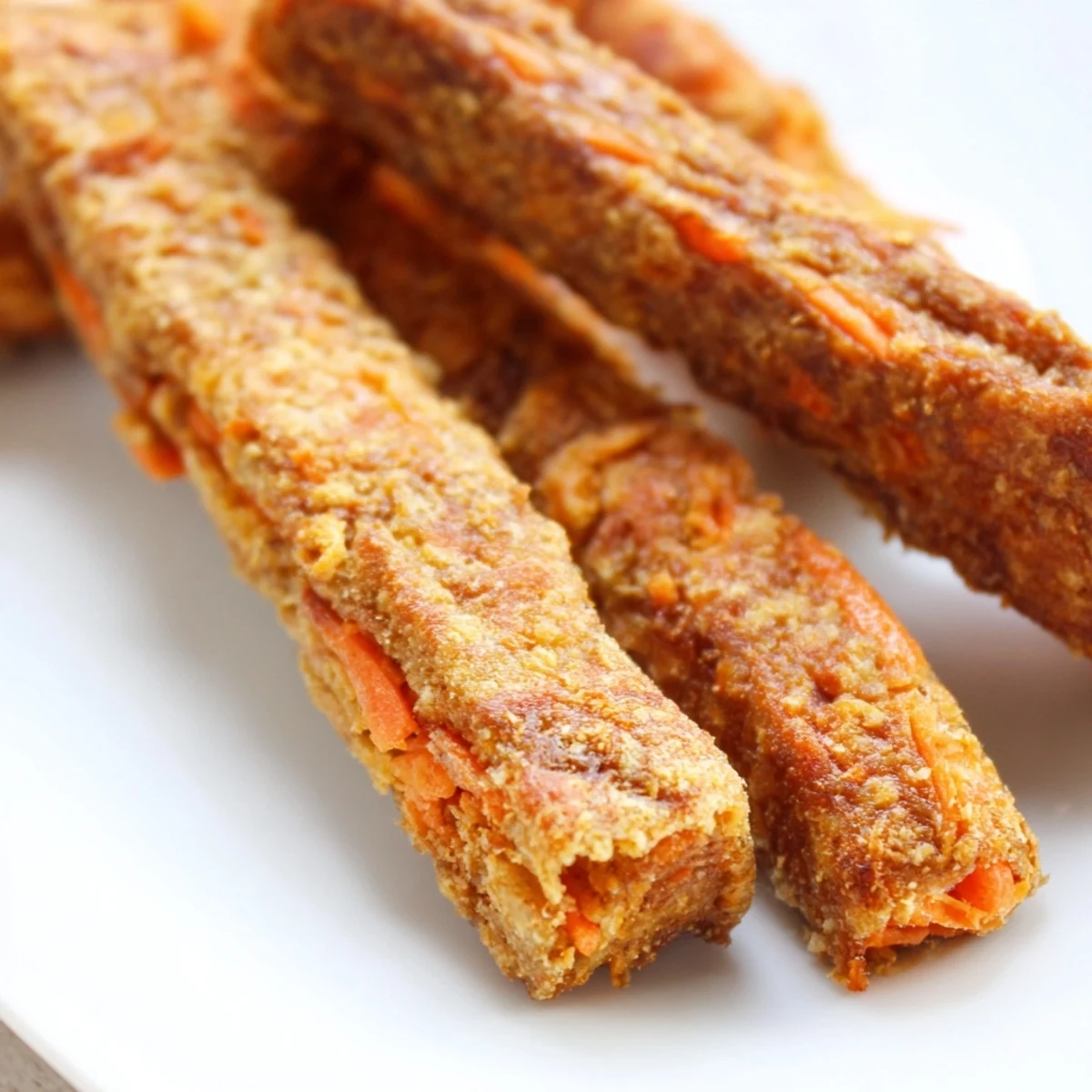
- Let cool completely before serving, as they firm up significantly as they cool and become the chewy texture dogs love
 Save
Save Barnaby now sits by the oven whenever he smells apples, watching me like a hawk. It became our thing, just me and him in a quiet kitchen with that warm apple-carrot scent filling the air.
Storage Secrets
These last about a week in an airtight container at room temperature, but I've found they stay perfectly chewy in the freezer for up to three months. Just thaw a few at a time in the fridge overnight.
Making Them Your Own
Pumpkin puree works beautifully instead of applesauce, especially in fall when everything is pumpkin-spiced anyway. I've also added a spoonful of peanut butter when Barnaby deserved something extra special.
Perfecting The Shape
Thinner sticks bake faster and become crunchier, while thicker ones stay more chewy. My smaller dog friends prefer thinner pieces, and larger dogs seem to enjoy the substantial chew of thicker sticks.
- If the dough sticks to your hands, wet them slightly rather than adding more flour
- These can be broken into smaller training treats once baked
- The smell while baking is honestly tempting for humans too
 Save
Save There's something special about making treats with your own two hands, knowing exactly what your dog is eating. Their tail wags say everything.
Recipe FAQs
- → How long do these apple carrot chews stay fresh?
-
Store the chew sticks in an airtight container at room temperature for up to one week. For longer storage, place them in the freezer where they'll keep for several months. Thaw frozen treats overnight before serving.
- → Can I make these gluten-free for my dog?
-
Yes, simply substitute the whole wheat flour with gluten-free oat flour. This modification makes the treats safe for dogs with wheat allergies or sensitivities while maintaining the same texture and flavor profile your pup loves.
- → What makes these chew sticks good for dogs?
-
Apples provide fiber and vitamins while carrots offer beta-carotene and essential nutrients. The firm, chewy texture helps satisfy your dog's natural chewing instincts and supports dental health by reducing plaque buildup during gnawing sessions.
- → How do I know when the chews are done baking?
-
The sticks should be golden brown and firm to the touch, typically after 40-45 minutes at 350°F. For extra crunch, turn off the oven and let them cool inside for an additional hour. They'll continue hardening as they cool completely.
- → Can I substitute other ingredients in this recipe?
-
Pumpkin puree works beautifully instead of applesauce, and you can swap grated sweet potato for carrots. Just ensure all substitutions remain dog-safe and maintain similar moisture levels to keep the dough workable.
- → Are these treats suitable for puppies?
-
These chews work well for most puppies once they're eating solid food regularly. However, always supervise young dogs during treat consumption and consult your veterinarian if you have concerns about appropriate treat sizes or ingredients for your puppy's age.