
 Save
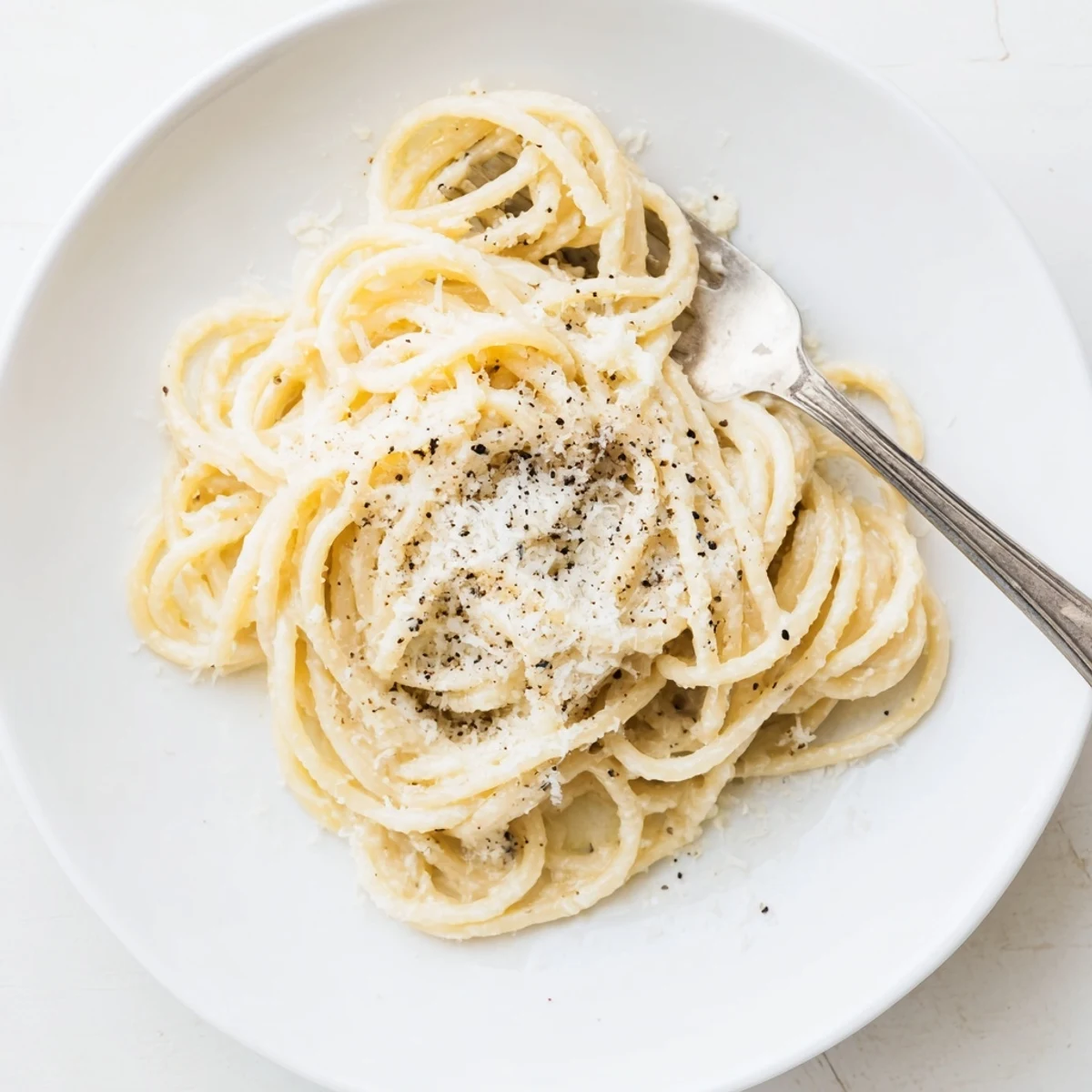
Save Create an authentic Roman favorite with just three key ingredients. Toast freshly ground black pepper until fragrant, then blend with hot pasta water and aged Pecorino Romano to form a silky, creamy sauce that clings beautifully to each strand of al dente spaghetti. The technique lies in emulsifying the cheese with starchy pasta water—no cream needed. Serve immediately while hot for the smoothest texture.
The first time I attempted Cacio e Pepe in my tiny apartment kitchen, I ended up with a clumpy, separated mess that barely resembled the silky Roman classic. It took three failed attempts and some very frustrated phone calls to my Italian friend before I finally understood the emulsion technique that makes this dish sing. Now that cracked black pepper and sharp Pecorino Romano perfume my kitchen whenever I need comfort food in under thirty minutes.
Last winter, during a particularly dreary week, I made this for my sister who was going through a rough breakup. We sat at my kitchen table in our sweatpants, twirling peppery, cheesy noodles, and she actually smiled for the first time in days. Sometimes the simplest food carries the most emotional weight.
Ingredients
- 200 g spaghetti or tonnarelli: The traditional choice is tonnarelli, a thick square spaghetti that really grabs onto the sauce, but regular spaghetti works perfectly fine
- 80 g Pecorino Romano cheese, finely grated: This aged sheeps milk cheese is sharper and saltier than Parmesan, giving the dish its distinctive punch
- 2 tsp freshly ground black pepper: Freshly cracked pepper releases those aromatic oils that make this dish so fragrant
- 1/2 tsp salt: Just enough to season the pasta water without making the final dish too salty
- 1 liter water: Using less water than usual creates a starchier cooking liquid, which is essential for that creamy sauce
Instructions
- Bring the water to a boil:
- Heat your water in a large pot until bubbling, then add the salt
- Cook the pasta:
- Add spaghetti and cook until al dente, then save about 1 cup of the starchy pasta water before draining
- Toast the pepper:
- In a large skillet over medium heat, toast the black pepper for about 1 minute until it becomes fragrant
- Create the pepper base:
- Add 1/2 cup of the reserved hot pasta water to the skillet with the pepper and let it simmer
- Make the cheese paste:
- In a mixing bowl, combine grated Pecorino with a few tablespoons of hot pasta water, mixing until it forms a thick paste
- Combine everything:
- Add the drained pasta to the skillet with the pepper, toss well, remove from heat, then gradually add the cheese paste while tossing quickly
 Save
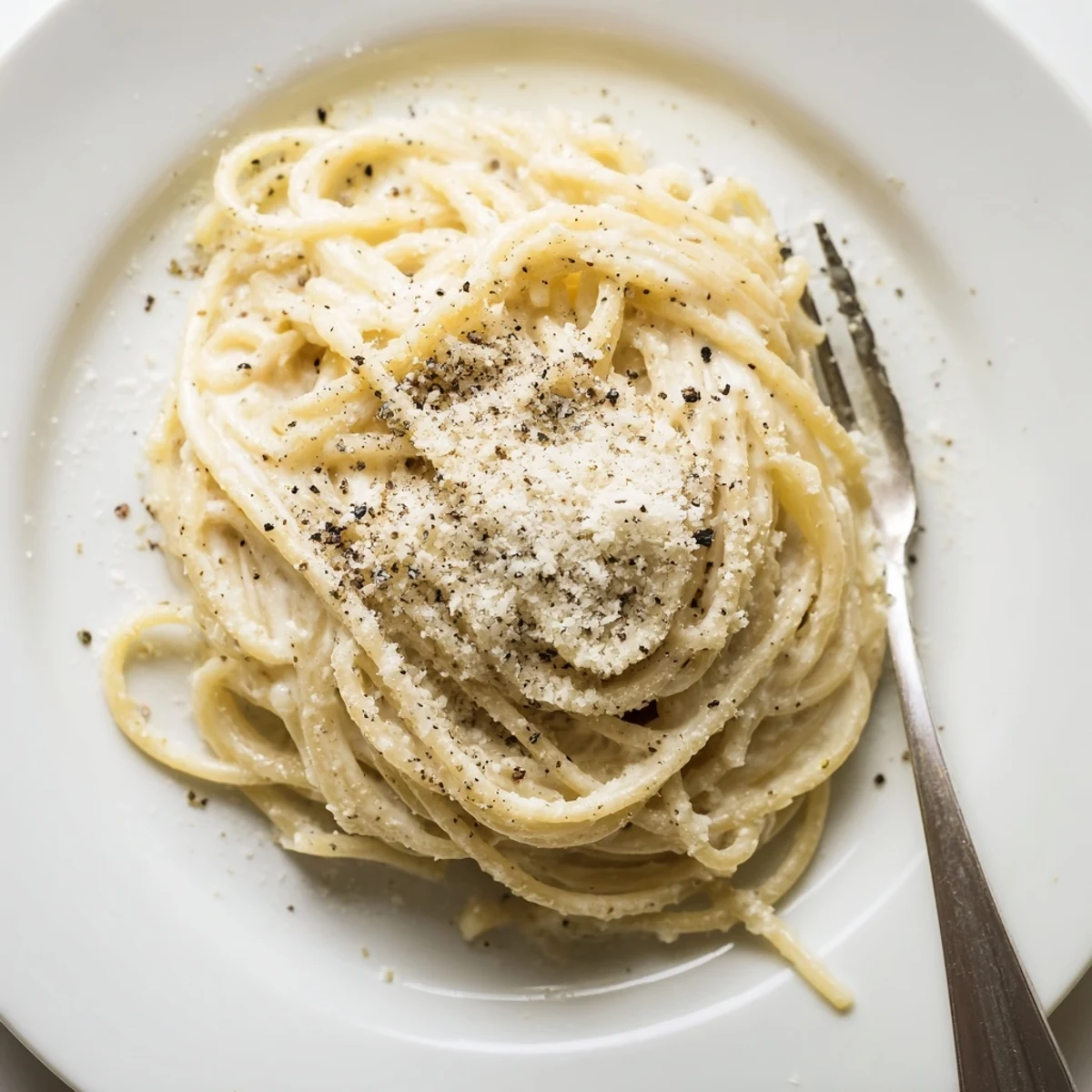
Save This dish taught me that some of the best cooking happens when you stop overthinking and start feeling your way through technique. My husband still talks about the night I finally nailed it and we ate it standing at the counter because we were too hungry to bother with plates.
Mastering the Sauce
The real magic of Cacio e Pepe lies in creating an emulsion between the starchy pasta water and melted cheese. When you whisk the cheese into the hot water first, you are essentially making a cheese base that will coat the pasta evenly instead of clumping. I keep a small bowl of extra pasta water nearby while tossing, adding a splash whenever the sauce looks too tight.
Choosing Your Pasta
While spaghetti is the most accessible option, I have fallen in love with tonnarelli or bucatini for this dish. The thicker, rougher surface area grabs onto that pepper studded sauce beautifully. Just remember that thicker pasta might need an extra minute of cooking time to reach that perfect al dente texture.
Timing Is Everything
Have all your ingredients prepped and ready before the pasta hits the water. The window between perfectly cooked pasta and a gummy, broken sauce is surprisingly small. I set up my station with grated cheese, measured pepper, and a ladle for pasta water so I can move seamlessly from pot to pan without stopping.
- Grate your cheese fresh from a wedge, not pre shredded cheese which has anti caking agents
- Keep the pasta water salty but not ocean level, remember the cheese is already quite salty
- Crack your pepper just before cooking to maximize those aromatic oils
 Save
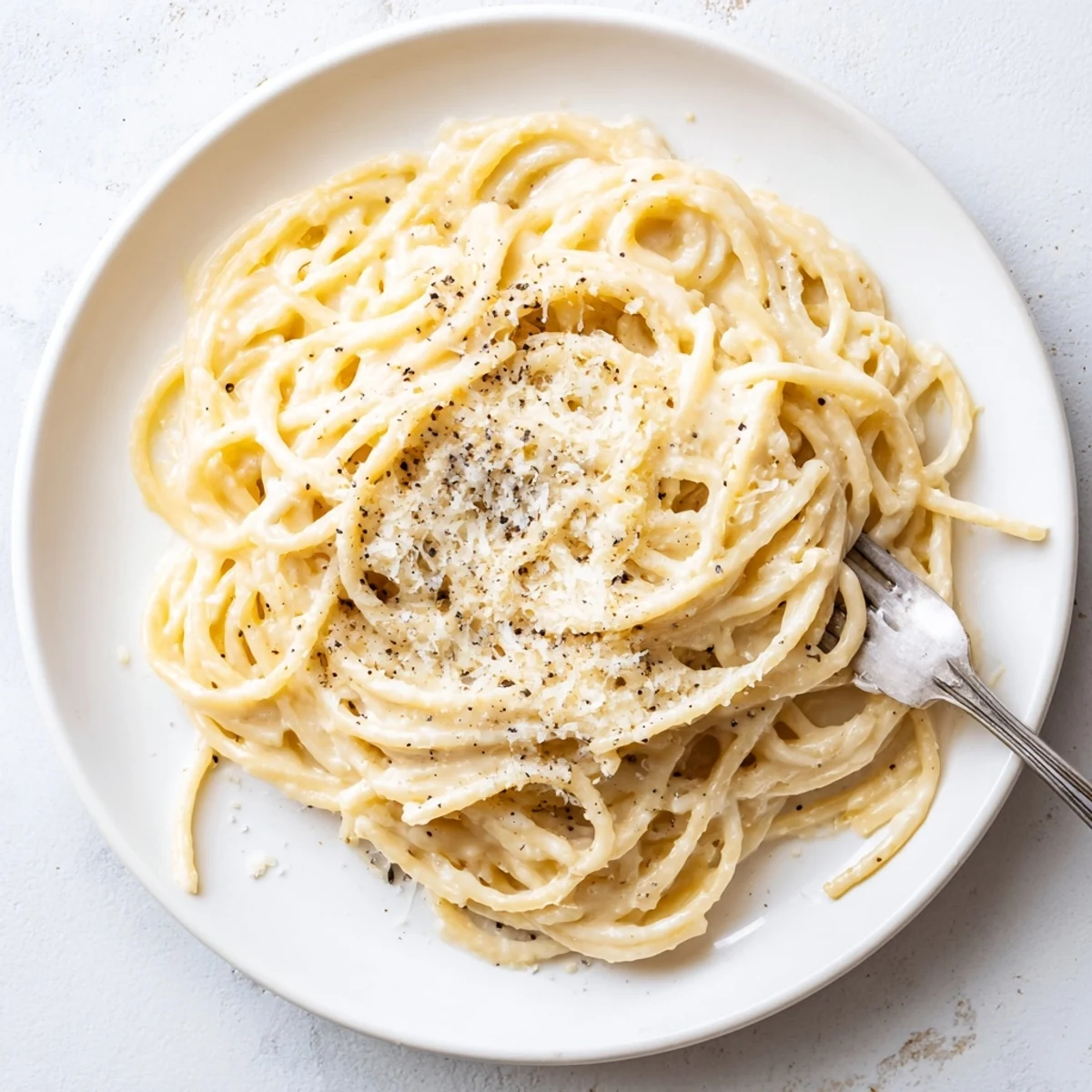
Save There is something profoundly satisfying about transforming five ingredients into something that tastes like it came from a tiny trattoria in Rome. Buon appetito.
Recipe FAQs
- → Why is my sauce clumping instead of smooth?
-
The cheese likely overheated or was added too quickly. Always remove the pan from heat before incorporating the Pecorino paste, and add pasta water gradually while tossing constantly to maintain proper emulsification.
- → Can I use Parmesan instead of Pecorino Romano?
-
While possible, Parmesan creates a milder flavor profile. Pecorino Romano's sharper, saltier character is essential for the authentic Roman taste. If substituting, adjust seasoning accordingly.
- → What pasta shape works best?
-
Traditional spaghetti or tonnarelli are ideal for sauce adherence. Bucatini's hollow center also works well. Avoid shapes with ridges or intricate designs, as the delicate cheese coating needs smooth surfaces to cling properly.
- → Why toast the pepper first?
-
Warming the black pepper in a dry pan releases its essential oils, intensifying the spicy aroma and creating deeper flavor layers throughout the finished dish. This small step makes a remarkable difference.
- → How do I store and reheat leftovers?
-
The sauce separates when refrigerated, so enjoy immediately for best results. If necessary, store sealed in the refrigerator and reheat gently with splashes of hot water while tossing vigorously to re-emulsify the cheese coating.