
 Save
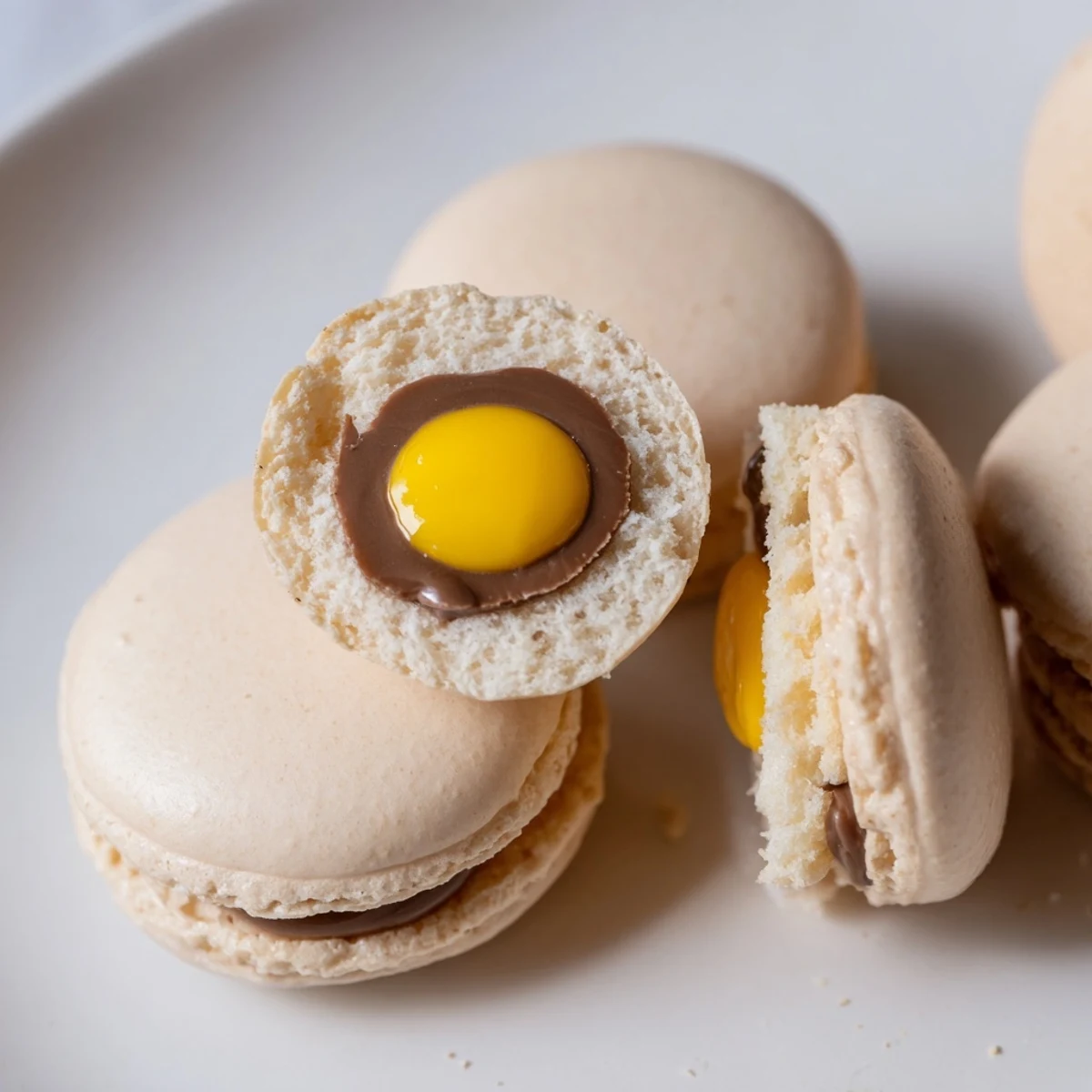
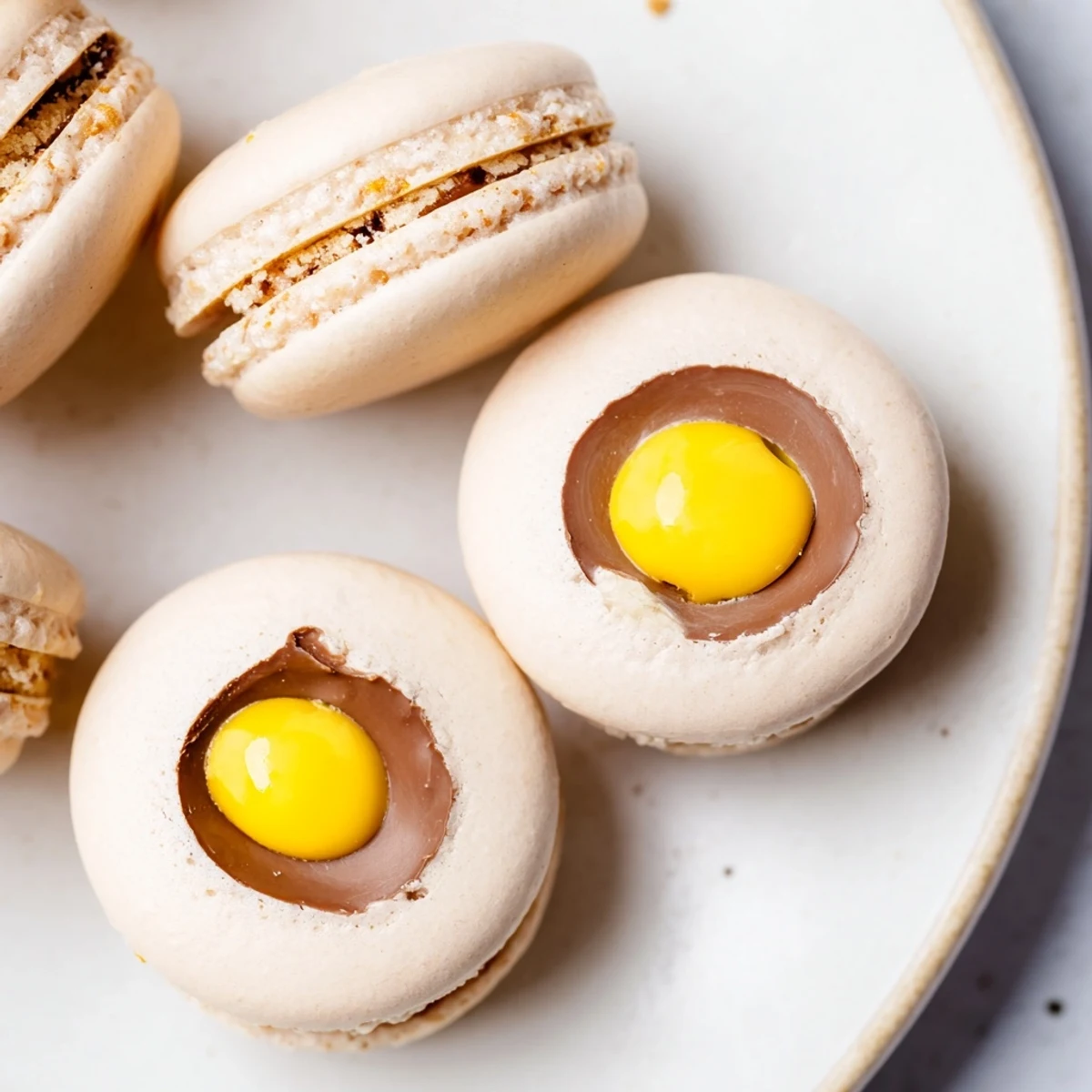
Save These delicate French macarons capture the beloved essence of Cadbury Creme Eggs with crisp almond shells and luscious chocolate ganache filling. The iconic white and yellow "egg" center creates a stunning visual effect perfect for Easter celebrations and spring gatherings.
While mastering macaron technique requires patience, the result yields bakery-worthy confections with crisp exteriors giving way to creamy milk chocolate interiors. Using authentic Cadbury Dairy Milk ensures that signature nostalgic flavor in every bite.
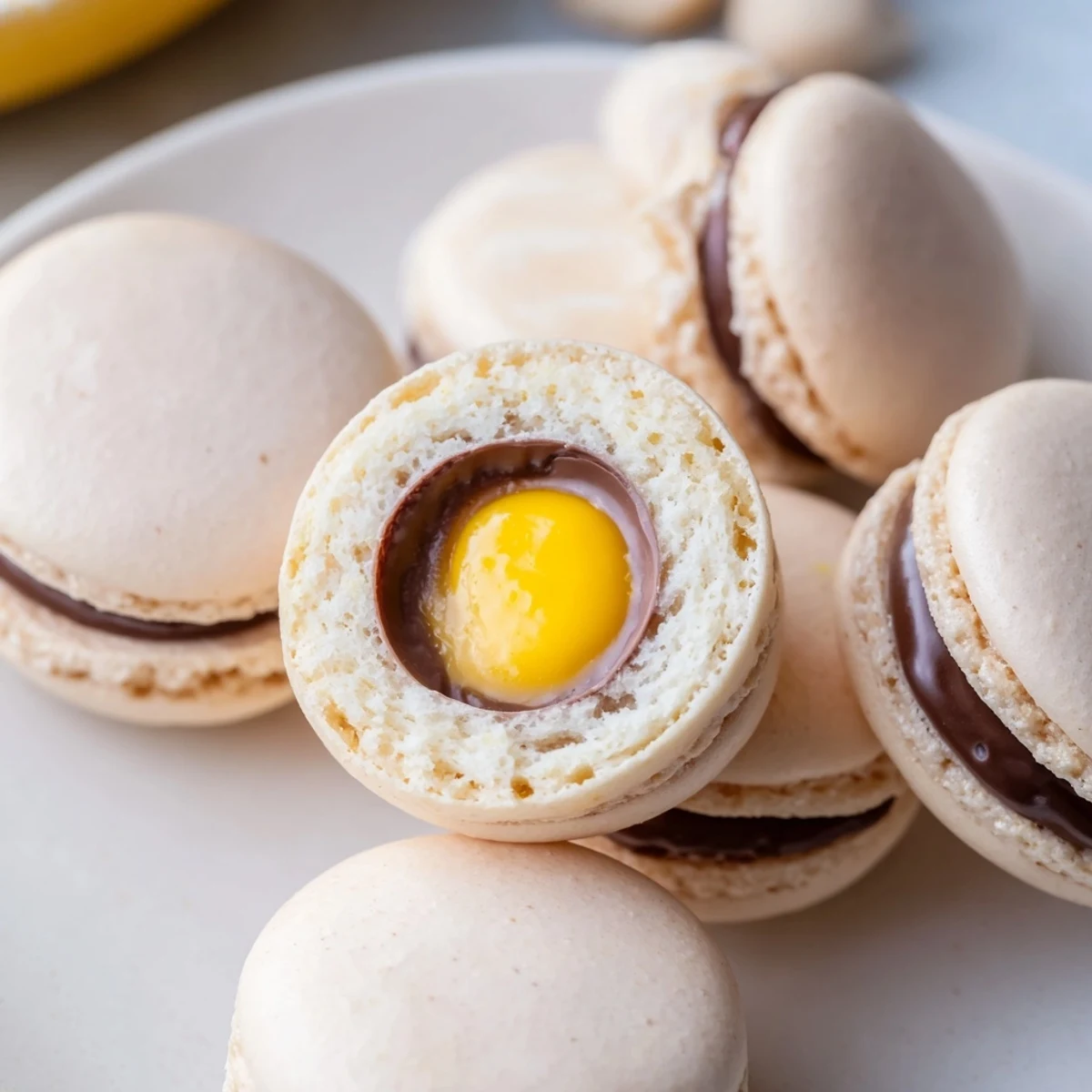
The assembly process involves piping a ring of chocolate ganache with a dollop of yellow-tinted filling at center, creating the recognizable egg yolk appearance. Allow assembled macarons to mature overnight in the refrigerator for optimal texture and flavor development.
The first Easter I attempted these, I accidentally tinted the entire batch neon yellow instead of just the centers. My husband walked into the kitchen, took one look at the tray of sunny shells, and asked if I was making macarons or serving sunshine. We laughed about it all weekend, and now that bright yellow batch has become our running joke every spring.
Last year I made these for my nieces Easter brunch and watched her eyes widen when she bit into the first one. She whispered that they were even better than the real thing, which might be the highest compliment a seven year old could possibly give. Now she requests them in January, but I insist on waiting until the tulips start blooming.
Ingredients
- Almond flour: The fine grind creates that signature smooth shell top, so sift it twice for insurance
- Powdered sugar: Essential for the delicate structure and sweet crumb of classic French macarons
- Egg whites: Room temperature eggs whip up better and create more stable meringue for those elusive feet
- Granulated sugar: Provides the structure and stability needed for the meringue to hold its shape
- Cream of tartar: This little acid is the secret weapon that strengthens egg whites and prevents collapse
- Food coloring: Gel coloring works best without adding moisture to your carefully balanced batter
- Milk chocolate: Cadbury Dairy Milk gives the most authentic flavor, but any quality milk chocolate works beautifully
- Heavy cream: Creates that luxuriously smooth ganache filling that mimics the creme egg center perfectly
- Golden syrup: Adds the signature gooey texture and helps stabilize the creamy filling
- Unsalted butter: Room temperature butter whips into the silky, pipeable frosting we need
Instructions
- Prepare your baking station:
- Line two baking sheets with parchment paper or silicone mats and fit a pastry bag with a half inch round tip before starting.
- Sift the dry ingredients:
- Combine almond flour and powdered sugar in a bowl, sifting thoroughly to break up any clumps for smooth shells.
- Whip the meringue:
- In a clean dry bowl, whisk egg whites and cream of tartar until soft peaks form, then gradually add granulated sugar until stiff glossy peaks develop.
- Master the macaronage:
- Gently fold the almond mixture into the meringue in three additions, mixing until the batter flows in thick ribbons that disappear back into themselves within twenty seconds.
- Pipe the shells:
- Transfer batter to the pastry bag and pipe thirty two rounds onto the prepared sheets, then tap trays firmly on the counter to release trapped air bubbles.
- Rest and bake:
- Let shells sit at room temperature for thirty to sixty minutes until dry to the touch, then bake at 150°C for thirteen to fifteen minutes until they easily lift off the mat.
- Create the filling:
- Heat cream until simmering and pour over chocolate, let sit for two minutes, then stir smooth before mixing in golden syrup and butter until glossy.
- Make the yolk center:
- Reserve a quarter of the filling and tint with yellow gel coloring, then chill both fillings until thickened to pipeable consistency.
- Assemble the surprise:
- Pipe a ring of chocolate filling onto one shell, add a small dollop of yellow filling in the center, and gently sandwich with another shell.
 Save
Save These have become my signature Easter contribution, and I love watching guests realize what the yellow center represents. There is something wonderful about transforming that childhood candy favorite into something feelsgrownup and fancy while keeping the playful surprise intact.
Getting Those Perfect Feet
Those little ruffled feet at the base of each macaron are the hallmark of a well made batch, and they only appear when you have mastered the resting period. The dried skin creates resistance in the oven, forcing the batter to rise upward and form those adorable frills. I have found that twenty to thirty minutes of resting works best in my kitchen, but every environment is different.
Making Ahead Like a Pro
The filling can actually be made one or two days ahead and stored in the refrigerator, which brings the flavors together beautifully. Just let it come to room temperature and give it a quick whip before piping. The shells also freeze exceptionally well for up to a month, so you can do the baking weeks in advance and simply fill them when needed.
Creative Variations to Try
While the classic Cadbury flavor combination is hard to beat, these macarons adapt beautifully to other chocolate varieties. Dark chocolate creates a sophisticated version that balances the sweet filling perfectly, while white chocolate shells with a yellow center look like sunny side up eggs on the plate.
- Try adding a tiny drop of vanilla extract to the shells for extra depth
- A pinch of sea salt in the chocolate filling elevates the entire flavor profile
- Consider adding crushed mini eggs on top of the filling for a festive crunch
 Save
Save These little cookies bring so much joy to spring celebrations, and that moment when someone discovers the creamy center is absolutely worth the effort. Happy baking.
Recipe FAQs
- → Why must macaron shells rest before baking?
-
Resting allows the surface to dry completely, forming a thin skin that helps shells rise properly and develop their signature "feet" during baking. This prevents cracking and ensures smooth, glossy tops.
- → Can I make these without a stand mixer?
-
Yes, an electric hand mixer works well for whipping egg whites to stiff peaks. The key is ensuring your bowl and whisk are completely clean and dry for proper meringue formation.
- → How do I know when macaronage is complete?
-
The batter should flow in thick ribbons off your spatula and disappear into the mass within 20-30 seconds. Under-mixed causes peaked shells; over-mixed results in flat, spread macarons.
- → Why must macarons mature overnight?
-
Resting allows moisture from the filling to soften the interior shell slightly, creating that characteristic chewy texture. This also lets flavors meld together for a more cohesive taste experience.
- → Can I freeze unfilled macaron shells?
-
Absolutely. Cool completely, then freeze in an airtight container with parchment paper between layers for up to 3 months. Thaw at room temperature before filling and assembling.
- → What if my shells are hollow inside?
-
Hollow shells typically result from under-mixed batter, incorrect oven temperature, or opening the oven door too early. Ensure proper macaronage consistency and maintain steady heat throughout baking.