
 Save
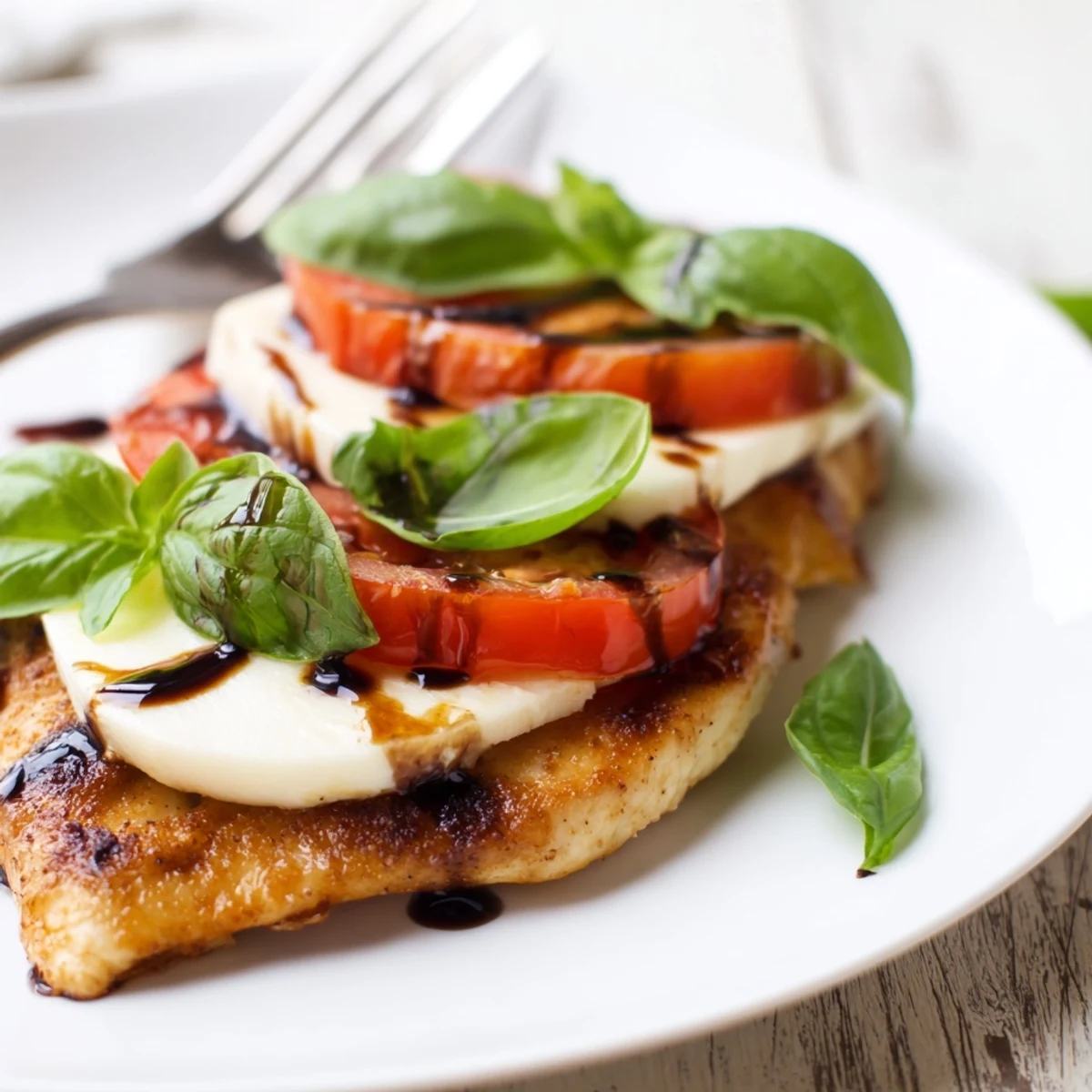
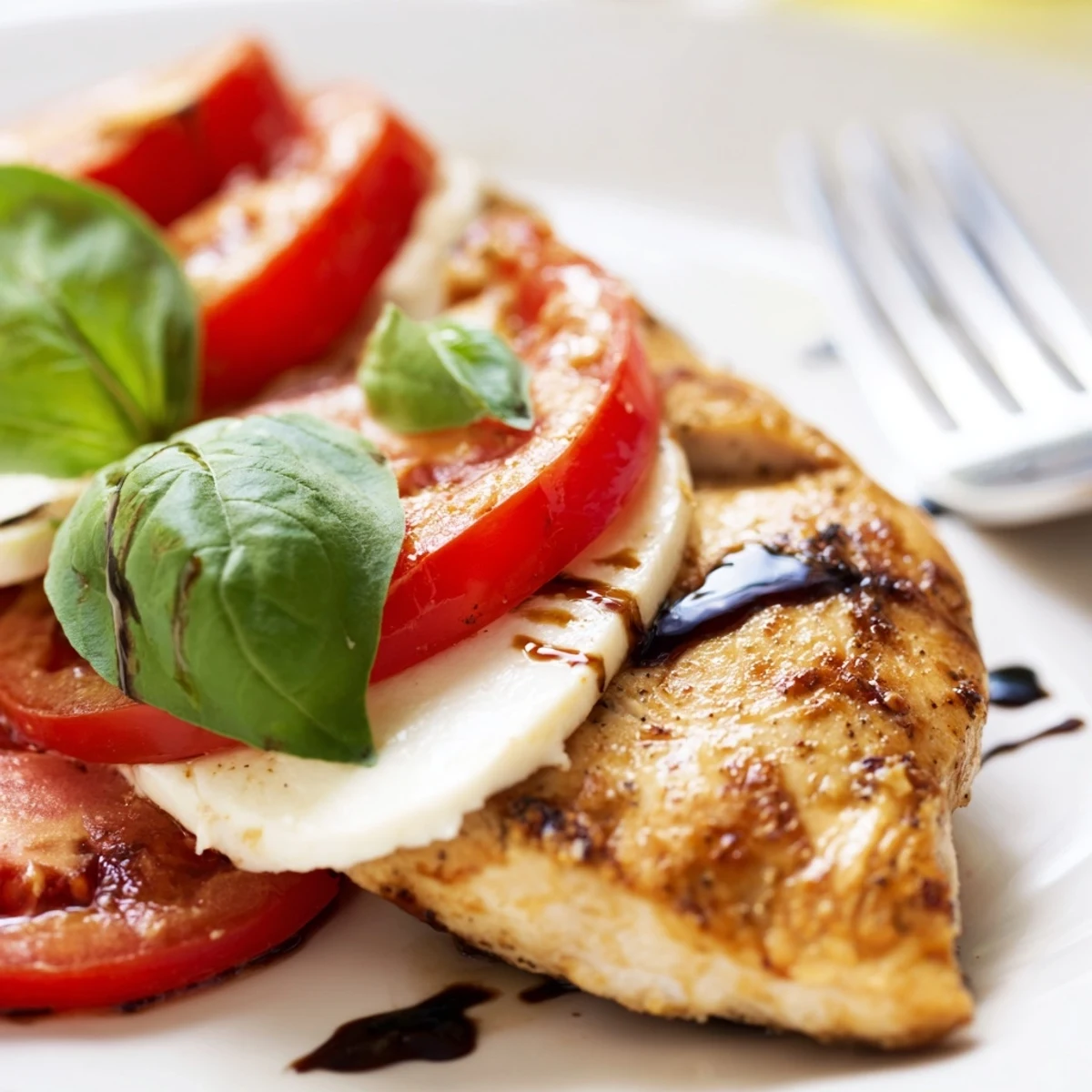
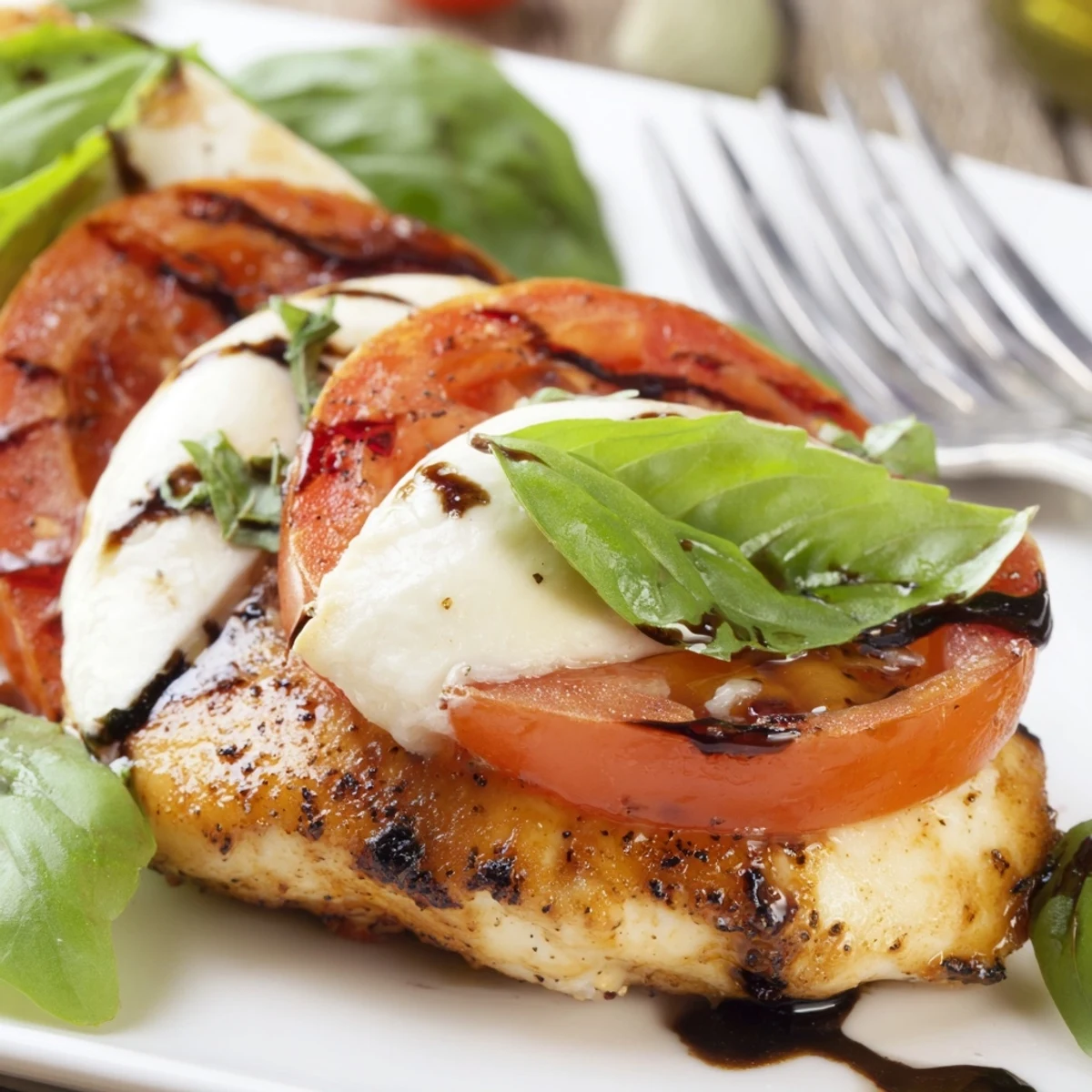
Save This dish features juicy chicken breasts carefully filled with fresh mozzarella, ripe tomatoes, and fragrant basil leaves. After seasoning and searing, the chicken is baked until tender and finished with a sweet, tangy balsamic glaze. The combination of creamy cheese, fresh herbs, and glaze creates an elegant and satisfying meal perfect for family dinners or entertaining guests. Pair with roasted vegetables or a crisp white wine for a complete experience.
I discovered this dish on a Tuesday evening when my tomato plant had finally produced more fruit than I knew what to do with, and I found myself staring at a perfectly ripe tomato wondering how to use it before it passed its peak. A friend mentioned stuffing chicken with fresh mozzarella and basil, and something clicked—suddenly I had a way to turn summer garden abundance into something elegant enough for guests. That first time, I was nervous about butterflying the chicken without destroying it, but the payoff was worth every careful knife stroke.
I made this for my brother's surprise birthday dinner, and watching his face when he cut into the chicken and saw that bright mozzarella and tomato center was exactly the moment I realized this wasn't just a recipe, it was something I'd make again and again. He asked for seconds before even finishing the first piece, and that's when I knew I'd stumbled onto something special.
Ingredients
- Boneless, skinless chicken breasts: Look for breasts that are roughly the same thickness so they cook evenly; if some are thicker, pound them gently with a meat mallet to even them out.
- Fresh mozzarella cheese: The creamy kind that comes in water is what you want here, not the shredded stuff; it melts into those little pockets and becomes pure comfort.
- Ripe tomatoes: This is where quality matters most because the tomato flavor is front and center; use whatever heirloom or vine-ripened tomato you can find, and slice them thick so they don't disappear into the chicken.
- Fresh basil leaves: Tear or whole, whichever makes sense for your pocket; the basil adds a brightness that makes the whole dish feel fresh instead of heavy.
- Balsamic vinegar: A decent quality makes a real difference in the glaze; you don't need anything fancy, but cheap vinegar tastes thin and sharp.
- Honey: Just a touch to balance the acidity and help the glaze thicken and coat beautifully.
- Olive oil, salt, pepper, and garlic powder: The foundation that brings out the natural flavor of the chicken instead of covering it up.
Instructions
- Get your oven ready:
- Preheat to 200°C (400°F) so it's hot when your chicken goes in and everything finishes cooking at the right speed.
- Prepare the chicken:
- Pat the breasts dry with paper towels because any moisture gets in the way of a good sear. Using a sharp knife, carefully cut a pocket into the thickest part of each breast, working lengthwise and leaving about an inch around the edges so the filling stays put.
- Season generously:
- Salt, pepper, and garlic powder both outside and inside those pockets; this is your only chance to season the inside, so don't be shy.
- Stuff with care:
- Slide a few mozzarella slices, a tomato slice, and 4 basil leaves into each pocket; if the pocket feels like it might open during cooking, secure it with a toothpick. You want the filling to stay nestled inside, not escaping into the pan.
- Sear until golden:
- Heat olive oil in an oven-safe skillet over medium-high heat until it shimmers, then carefully lay the chicken in and let it sear for 2 to 3 minutes per side until the outside is golden brown and feels firm to the touch. This creates a barrier that keeps the juices inside.
- Finish in the oven:
- Transfer the whole skillet to the oven and bake for 18 to 22 minutes until the internal temperature reaches 74°C (165°F); you can use a meat thermometer to check, and the chicken will feel springy but not rigid when you press it gently.
- Make the glaze:
- While the chicken finishes, combine balsamic vinegar and honey in a small saucepan over medium heat, bringing it to a gentle boil before reducing to a simmer. Stir often and watch it darken and thicken into a beautiful glaze that coats the back of a spoon, about 5 to 7 minutes total.
- Rest and plate:
- Remove the chicken from the oven and let it sit for 5 minutes so all those juices settle back into the meat; then carefully remove the toothpicks, transfer to plates, and drizzle the warm balsamic glaze over the top, finishing with fresh basil and a whisper of olive oil if you want that extra touch.
 Save
Save I remember the smell of that balsamic reducing on the stove—tangy and sweet at the same time—and how my kitchen suddenly felt like an Italian restaurant instead of my usual Tuesday night chaos. It was a small moment, but it was the first time I realized that cooking for people you care about doesn't have to be complicated to feel special.
Building Layers of Flavor
The beauty of this dish is that each ingredient has a job: the mozzarella adds creaminess and softness, the tomato brings brightness and slight acidity, and the basil ties everything together with an herbal note that makes you pause between bites. When they're all stuffed inside the chicken and melting together, they stop being separate ingredients and become one cohesive thing that tastes better together than any of them do alone.
Timing and Temperature Matter
The difference between juicy chicken and dry chicken often comes down to not overcooking it, which is why knowing your oven's personality helps so much. Some ovens run hot, some run cool, and a quick check with a meat thermometer takes the guesswork out of it completely. I've learned that the moment the chicken hits 74°C (165°F), that's when to pull it out, not when it hits 76°C (169°F).
Variations and Serving Ideas
Once you get comfortable with the basic technique, this dish opens up possibilities: prosciutto tucked between the mozzarella and tomato adds a salty richness that elevates the whole thing, and a few roasted vegetables alongside complete the plate in a way that feels restaurant-quality. Pairing it with a crisp white wine like Pinot Grigio or Sauvignon Blanc brightens everything, or even a light red if that's what you have on hand.
- Try adding thin slices of prosciutto inside the pocket for extra depth and a subtle smokiness that plays beautifully with the fresh ingredients.
- Serve alongside roasted asparagus or a simple arugula salad dressed with lemon juice and olive oil to keep the meal feeling light and fresh.
- Make sure your tomato slices aren't too thin, or they'll disappear into the chicken instead of creating those little flavor pockets.
 Save
Save This dish became my go-to when I wanted to impress without spending hours in the kitchen, and it's taught me that simplicity and quality ingredients are often the secret to food that feels special. Every time I make it, I'm reminded that the best meals are the ones made with people you care about in mind.
Recipe FAQs
- → How do I prevent the chicken from drying out?
-
Ensure not to overcook the chicken by monitoring internal temperature and searing before baking to lock in moisture.
- → Can I prepare this dish ahead of time?
-
You can assemble the stuffed chicken breasts and refrigerate them before cooking, but bake fresh for best texture.
- → What is the best way to make the balsamic glaze?
-
Simmer balsamic vinegar and honey until thickened, stirring frequently to avoid burning and achieve a syrupy consistency.
- → Are substitutions possible for mozzarella?
-
Fresh mozzarella offers creaminess, but burrata or provolone slices can also work for a different texture.
- → How should I serve this dish?
-
Serve with roasted vegetables or a light salad to balance the richness, and consider a crisp white wine pairing.