
 Save
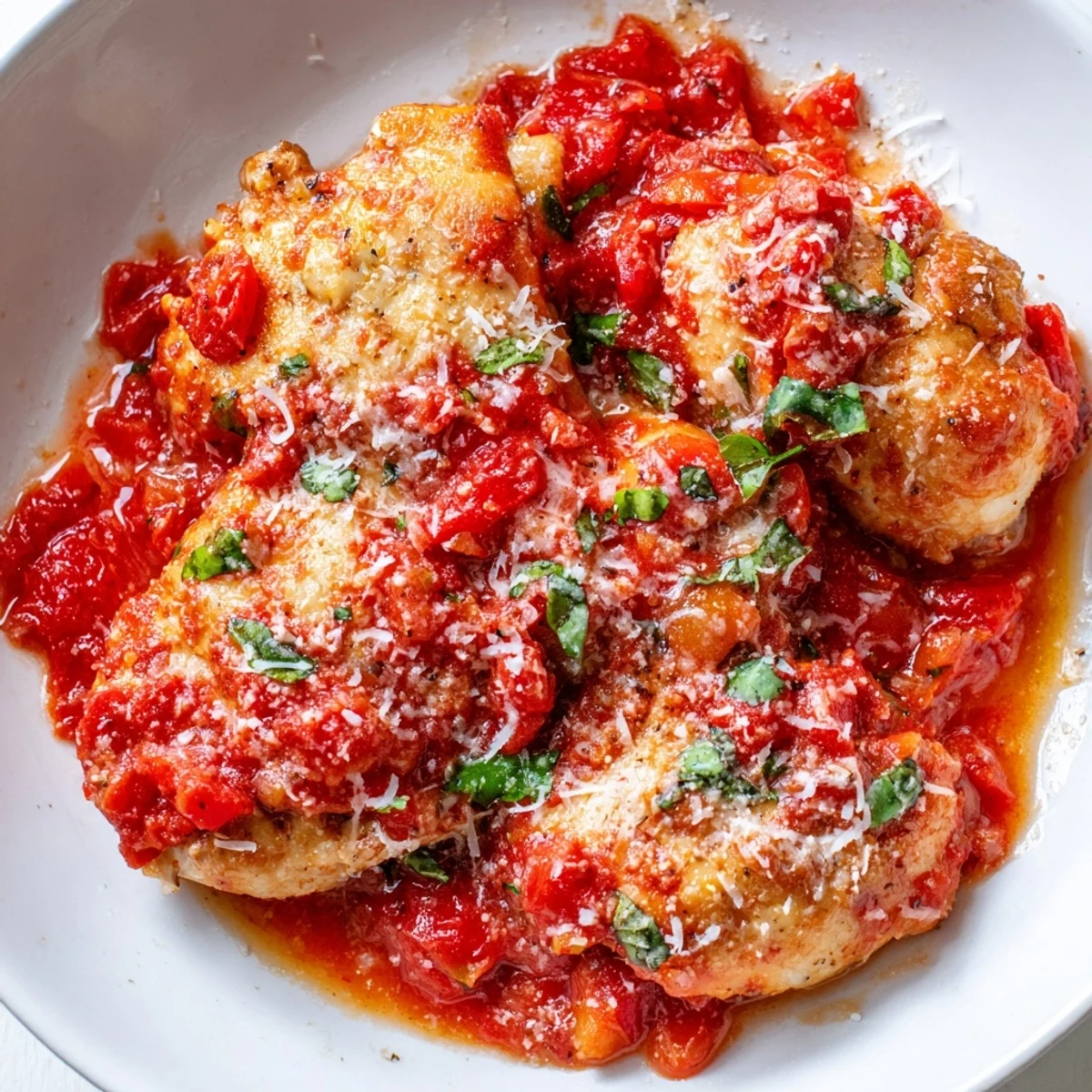
Save This Italian-inspired chicken pomodoro features golden seared chicken breasts nestled in a rich, simmered tomato sauce made with crushed tomatoes, fresh basil, and aromatic garlic and onion.
Ready in just 45 minutes, it's a perfect weeknight dinner that feels both comforting and elegant. The sauce builds layers of flavor with dried oregano, a hint of chili flakes, and a touch of sugar to balance the tomato acidity.
Finished with grated Parmesan and torn basil leaves, this gluten-free dish pairs beautifully with pasta, rice, or roasted vegetables.
The smell of garlic hitting olive oil on a Sunday afternoon is enough to make anyone wander into the kitchen asking when dinner will be ready. My neighbor actually knocked on my door once while I was making this chicken pomodoro, claiming she could smell it from the hallway and wanted to know what sorcery was happening. That pretty much sums up the magnetic pull of a good tomato braised chicken.
I started making this on weeks when groceries were running low and all I had were pantry staples and whatever chicken was in the freezer. One particular evening, my roommate walked in exhausted from work, sat down at the kitchen counter, and ate two helpings without saying a word. That silence was the highest compliment I have ever received as a cook.
Ingredients
- 4 boneless, skinless chicken breasts: Pound them slightly for even thickness so they brown uniformly and cook through at the same rate.
- Salt and freshly ground black pepper: Season generously on both sides before browning.
- Olive oil (2 tbsp for chicken, 1 tbsp for sauce): A good extra virgin olive oil will carry the flavor of the entire dish.
- 1 medium onion, finely chopped: The sweetness of the onion forms the backbone of your pomodoro.
- 3 garlic cloves, minced: Fresh garlic makes a noticeable difference here, so skip the jarred version if you can.
- 1 can (400 g) crushed tomatoes: San Marzano tomatoes are worth the splurge for their natural sweetness and low acidity.
- 2 large ripe tomatoes, diced: Fresh tomatoes add brightness and a slight texture that canned alone cannot provide.
- 1 tsp dried oregano: Rub it between your palms before adding to release the essential oils.
- 1/2 tsp chili flakes: Entirely optional but they add a gentle warmth that lifts the whole sauce without making it spicy.
- 1 tsp sugar: This tiny addition tames the acidity of the tomatoes and rounds everything out.
- 20 fresh basil leaves, torn: Tear them by hand rather than cutting to preserve the delicate flavor and prevent bruising.
- 50 g grated Parmesan cheese: Freshly grated melts better and tastes far more complex than the pre shredded kind.
- Fresh basil leaves for garnish: A few whole leaves on top make the dish look like it came from a restaurant kitchen.
Instructions
- Season the chicken:
- Pat the chicken breasts dry with paper towels and season both sides liberally with salt and pepper. Letting them sit for five minutes at room temperature helps the seasoning penetrate and ensures more even browning.
- Brown the chicken:
- Heat 2 tablespoons of olive oil in a large skillet over medium high heat until it shimmers. Sear the chicken for 3 to 4 minutes per side until you get a deep golden crust, then remove and set aside on a plate.
- Build the sauce base:
- In the same skillet, add the remaining tablespoon of olive oil and sauté the onion for 2 to 3 minutes until it turns translucent and sweet smelling. Add the minced garlic and stir for about 30 seconds until fragrant, being careful not to let it brown.
- Simmer the pomodoro:
- Pour in the crushed tomatoes, diced fresh tomatoes, oregano, chili flakes, and sugar, stirring to combine everything. Let the sauce simmer for 5 minutes so it thickens slightly and the flavors begin to marry.
- Braise the chicken:
- Nestle the browned chicken breasts back into the sauce, spooning some over the top so they are partially submerged. Cover with a lid, reduce the heat to low, and simmer gently for 15 to 20 minutes until the chicken is cooked through and tender.
- Finish with basil:
- Stir the torn basil leaves into the sauce and let everything simmer uncovered for 2 final minutes. The basil will wilt and release its aroma, perfuming the entire pan.
- Serve and garnish:
- Transfer the chicken to plates, spooning generous amounts of sauce over each portion. Top with freshly grated Parmesan and a few whole basil leaves for a finishing touch.
 Save
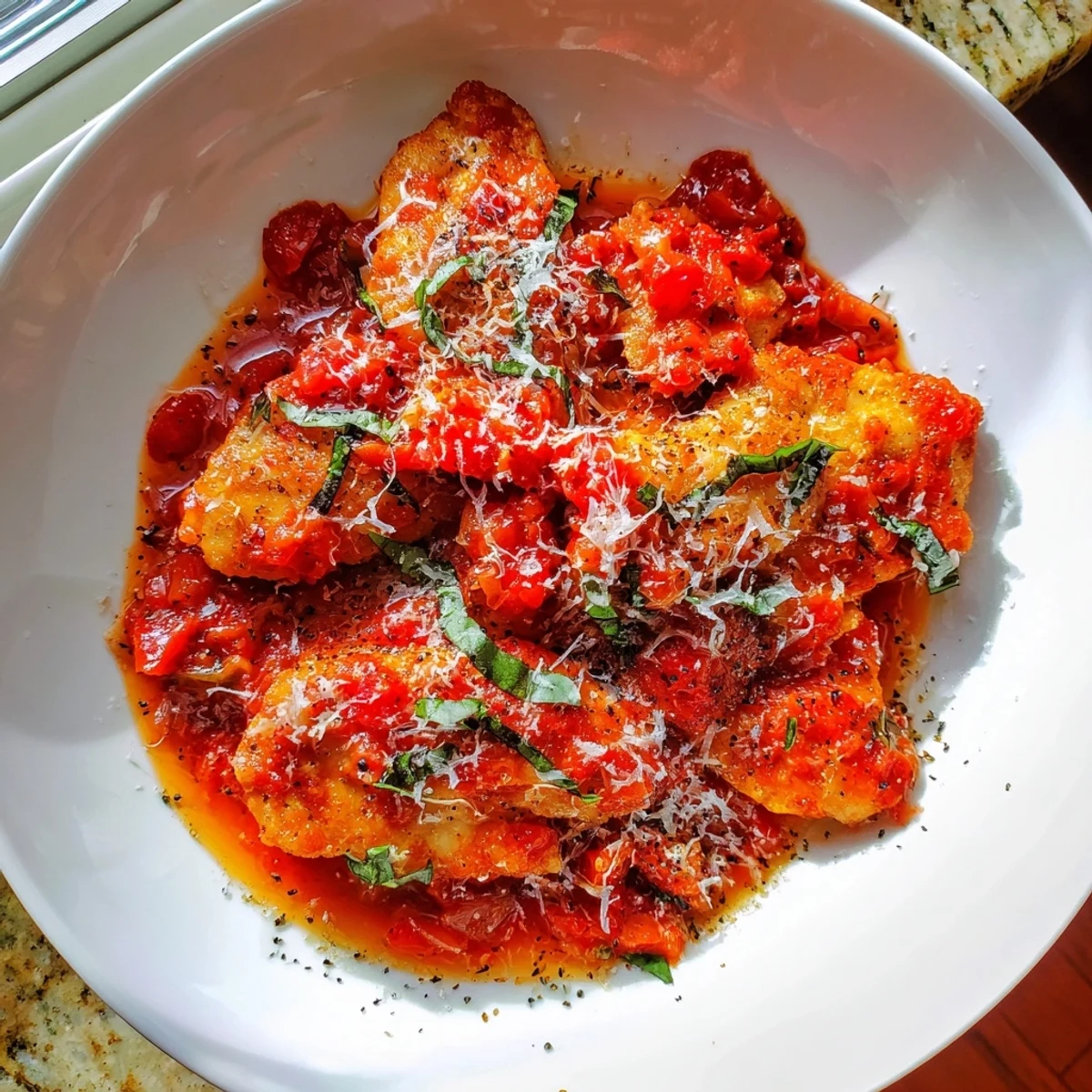
Save There is something deeply satisfying about lifting the lid of a skillet and finding chicken swimming in a bubbling red sauce flecked with green basil. It feels less like cooking and more like a small act of care for whoever is about to sit down at your table.
What to Serve Alongside
This dish pairs beautifully with gluten free pasta tossed in a little of the extra sauce, but a bed of creamy polenta or a simple arugula salad with lemon vinaigrette works just as well. I once served it over roasted zucchini rounds during a summer heat wave and my guests practically licked their plates clean.
Making It Your Own
Swap the chicken breasts for boneless thighs if you prefer darker meat that stays even juicier through the braising process. A splash of white wine added right before the tomatoes brings a lovely complexity, and a handful of capers or kalamata olives stirred in at the end pushes the whole dish in a wonderfully briny direction.
Storage and Reheating
Leftovers keep well in an airtight container in the refrigerator for up to three days, and the flavor actually deepens overnight as the chicken continues to absorb the sauce. For the best reheating results, warm it gently on the stovetop over low heat rather than using the microwave, which can make the chicken rubbery. If freezing, store the chicken and sauce together in a sealed container for up to two months and thaw overnight in the fridge before reheating. Here are a few last things to keep in mind.
- Always check cheese labels for hidden gluten or additives if you have dietary restrictions.
- A heavy bottomed skillet distributes heat more evenly and prevents hot spots that can scorch the sauce.
- Taste the sauce for salt and acidity right before serving, because a tiny adjustment at the end can transform the whole dish.
 Save
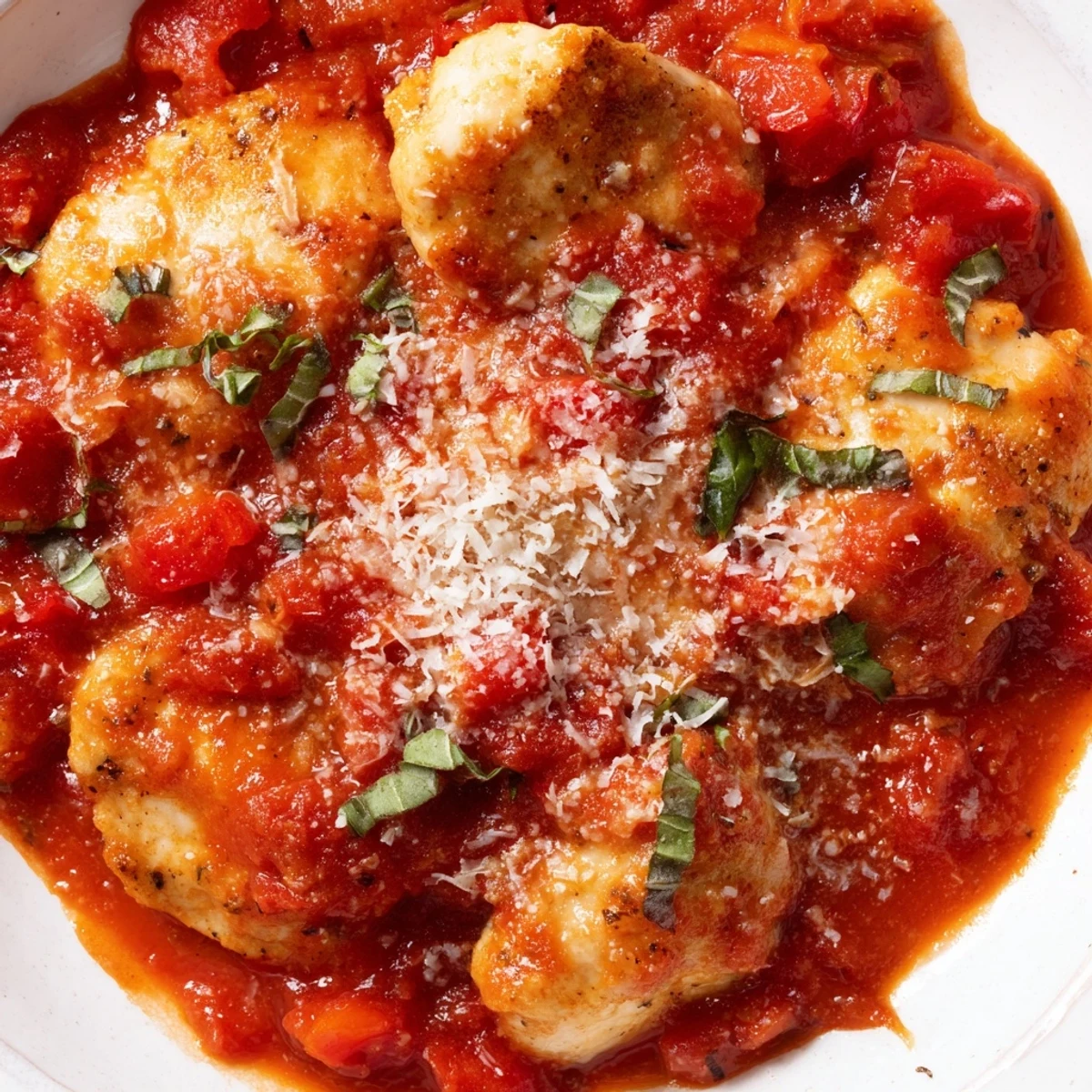
Save Cooking does not need to be complicated to be memorable, and this dish proves it with every forkful of saucy, tender chicken. Make it once and it will quietly become part of your regular rotation without even asking permission.
Recipe FAQs
- → Can I use chicken thighs instead of breasts?
-
Yes, boneless chicken thighs work wonderfully in this dish. They remain juicier and more forgiving during the braising process. Adjust the simmering time by a few extra minutes to ensure they cook through completely.
- → What can I serve with chicken pomodoro?
-
Gluten-free pasta is a natural pairing to soak up the generous tomato sauce. You can also serve it alongside steamed rice, crusty bread, or roasted vegetables like zucchini and bell peppers for a complete meal.
- → How do I store and reheat leftovers?
-
Store leftovers in an airtight container in the refrigerator for up to 3 days. The flavors actually deepen overnight, making it even more delicious. Reheat gently in a skillet over medium-low heat or in the microwave until warmed through.
- → Can I make the pomodoro sauce ahead of time?
-
Absolutely. The pomodoro sauce can be prepared up to 2 days in advance and stored in the refrigerator. When ready to serve, simply reheat the sauce, add the seared chicken, and simmer until the chicken is cooked through and tender.
- → How can I make the sauce richer and more flavorful?
-
Adding a splash of white wine to the skillet after sautéing the onion and garlic adds wonderful depth. You can also stir in a tablespoon of butter at the end for a silkier texture. Using San Marzano tomatoes will elevate the sauce's natural sweetness and complexity.
- → Is this dish spicy?
-
The chili flakes are optional, so you can easily control the heat level. Without them, the dish is mild and family-friendly. With the recommended half teaspoon, it adds a subtle warmth that doesn't overpower the tomato and basil flavors.