
 Save
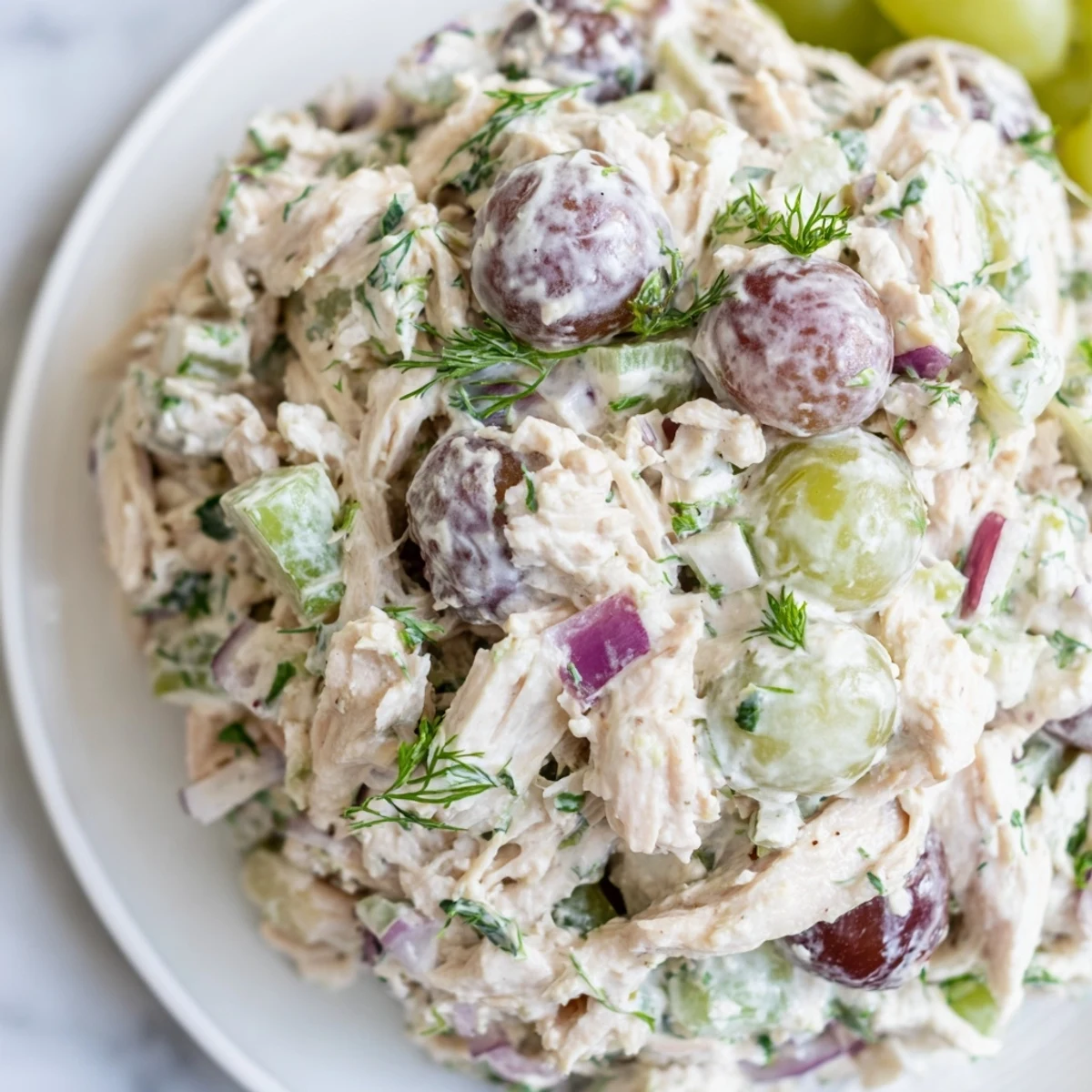
Save This dish features diced chicken breast mixed with crunchy celery, sweet grapes, and finely chopped red onion. The creamy dressing combines mayonnaise, Greek yogurt, Dijon mustard, lemon juice, and seasonings for a tangy, smooth coating. Fresh parsley and dill add herbal brightness. Chill before serving to let flavors meld. Enjoy as a scoop on greens, sandwiches, or with crackers for a versatile, flavorful meal.
I discovered the magic of a perfect chicken salad on a Tuesday afternoon when I had leftover roasted chicken and absolutely nothing planned for lunch. Instead of the usual sandwich, I threw together what was in the fridge—some celery, a bit of red onion, a generous dollop of mayo mixed with Greek yogurt—and something clicked. That first bite was creamy, bright, and effortless in a way that made me wonder why I'd been overcomplicating lunch for so long. Now it's become my go-to when I need something that feels both nourishing and indulgent without the fuss.
I made this for a picnic last summer, scooped generously onto butter lettuce leaves, and watched my friend go back for thirds without even realizing she was eating something so simple. That's when it hit me—the best food isn't always about complexity, it's about getting the proportions and freshness exactly right so nothing fights for attention.
Ingredients
- Cooked chicken breast, diced or shredded (2 cups): Use rotisserie chicken if you're short on time, or poach it gently so it stays tender and won't dry out in the salad.
- Celery, finely chopped (1/2 cup): The texture backbone—cut it small enough that it distributes evenly rather than creating crunchy pockets.
- Red onion, finely chopped (1/4 cup): Sharpness and color, but the key is chopping it fine so it melts into the dressing rather than dominating.
- Seedless grapes, halved (1/4 cup, optional): A whisper of sweetness that balances the mustard and lemon, though you won't miss them if you skip it.
- Mayonnaise (1/2 cup): The base that makes this creamy and rich—don't skimp on quality here because it truly matters.
- Plain Greek yogurt or sour cream (2 tablespoons): Cuts the density of mayo while adding tang and protein, making the whole thing feel lighter than it actually is.
- Dijon mustard (1 tablespoon): A single tablespoon does serious work, adding depth without making anything spicy or harsh.
- Lemon juice (1 teaspoon): Brightness that keeps everything tasting fresh and prevents the mayo from feeling heavy on your palate.
- Salt and black pepper (1/2 teaspoon and 1/4 teaspoon): Season as you taste rather than relying on these measurements—your chicken and ingredients may already carry salt.
- Fresh parsley, chopped (2 tablespoons): A green note that lifts the whole dish and makes it look alive on the plate.
- Fresh dill, chopped (1 tablespoon, optional): If you use it, it becomes a signature—skip it and nobody will notice, but add it and people ask what makes yours different.
Instructions
- Gather and prep your chicken and vegetables:
- Dice your cooked chicken into bite-sized pieces—not too fine or it becomes paste-like, not too chunky or it feels like you're working too hard to eat. As you chop the celery and onion, you'll notice how small pieces distribute more evenly through the creamy base.
- Build the dressing:
- Whisk mayo, Greek yogurt, mustard, lemon juice, salt, and pepper in a small bowl until it's smooth and uniform—this takes less than a minute and ensures every bite tastes the same. Taste it plain and adjust the lemon or mustard if it feels flat.
- Marry the chicken and dressing:
- Pour the dressing over the chicken, celery, onion, and grapes, then fold gently so you're coating everything without crushing the chicken into smaller pieces. You'll feel when it's right—everything glistening and clinging to the dressing without excess pooling at the bottom.
- Finish with fresh herbs:
- Fold in the parsley and dill at the very end so they stay bright green and aromatic rather than bruised and dull. Their flavor will mellow as it chills, so be generous.
- Let it rest:
- Refrigerate for at least 15 minutes—this gives the flavors time to settle and makes the whole thing taste more intentional. If you're in a rush, even five minutes makes a difference.
- Serve with intention:
- Whether you're scooping it onto greens, nestling it into a sandwich, or serving it on crackers, a generous portion feels more satisfying than a modest one. The way you present it changes how it tastes.
 Save
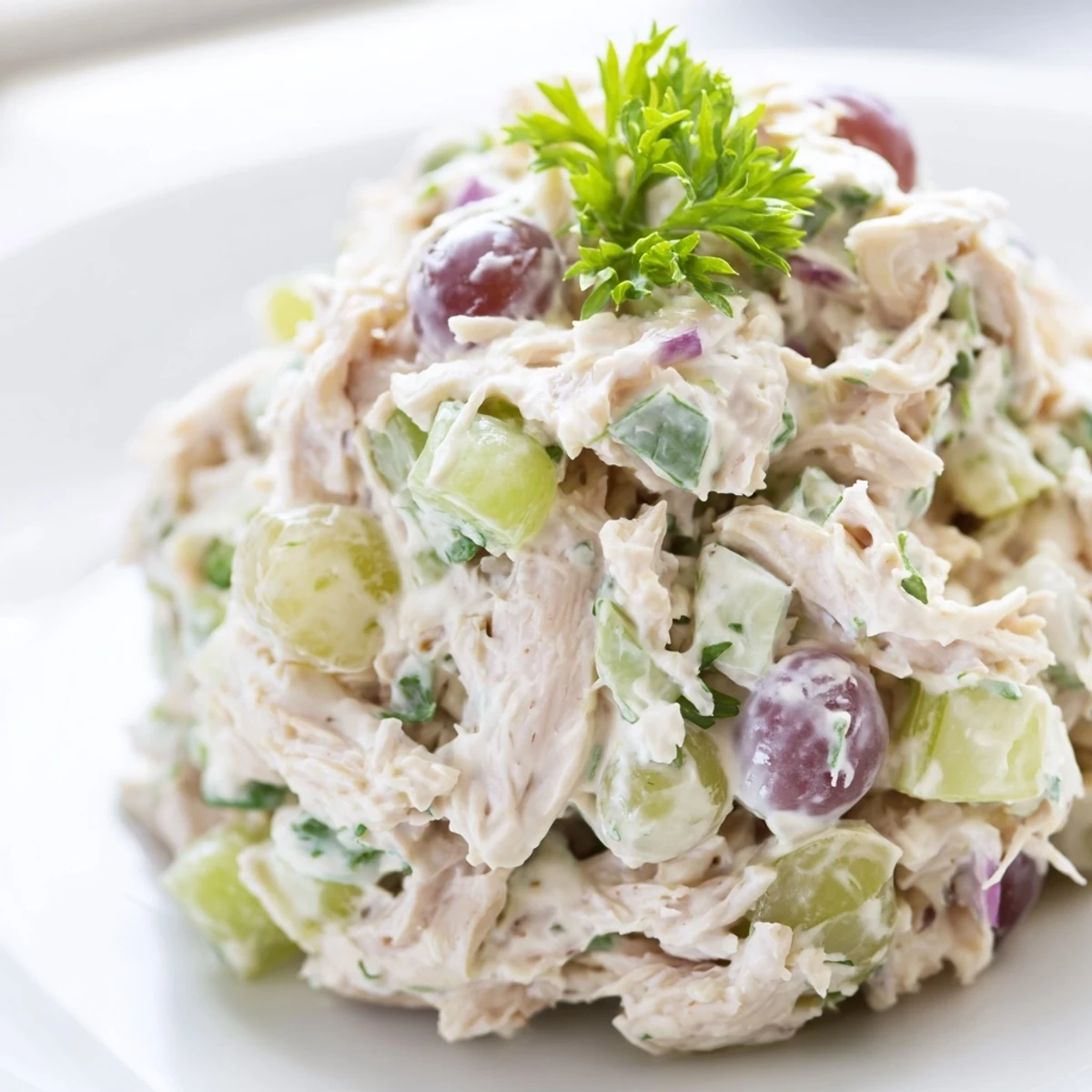
Save There's something deeply satisfying about scooping this onto a plate and knowing you've made something nourishing without strain or stress. It's the kind of lunch that makes you feel taken care of by your own hands.
Why This Works as a Weeknight Staple
Chicken salad occupies a strange middle ground between a side dish and a complete meal, which is exactly why it saved me during weeks when I was tired but still wanted to eat well. It's forgiving—leftover roasted chicken, vegetables you've had in the crisper, condiments you already have—and it comes together faster than ordering takeout. The Greek yogurt keeps it lighter than traditional versions, so you never feel weighed down or guilty afterward, which somehow makes you want to eat it more often.
The Scoop as Presentation
I learned that how you serve food changes how it tastes, and a generous scoop of this salad feels more luxurious than a thin spread on bread, even though it's the exact same thing. Serve it on butter lettuce and it becomes elegant and low-carb; serve it on a croissant and it becomes indulgent; serve it on crackers and it becomes something you can eat standing up at a party. The recipe doesn't change, but your relationship to it does.
Storage and Keeping It Fresh
This salad keeps beautifully in the refrigerator for three to four days, which makes it perfect for meal prep if you're thinking ahead. The flavors actually deepen slightly as everything sits together, so day two tastes better than day one.
- Store it in an airtight container away from anything with a strong smell, because mayo absorbs odors.
- If it dries out slightly, stir in a tablespoon of Greek yogurt or a squeeze of lemon juice to revive it.
- Don't add lettuce or crackers until you're ready to eat—they'll get soggy and sad if you prep them together.
 Save
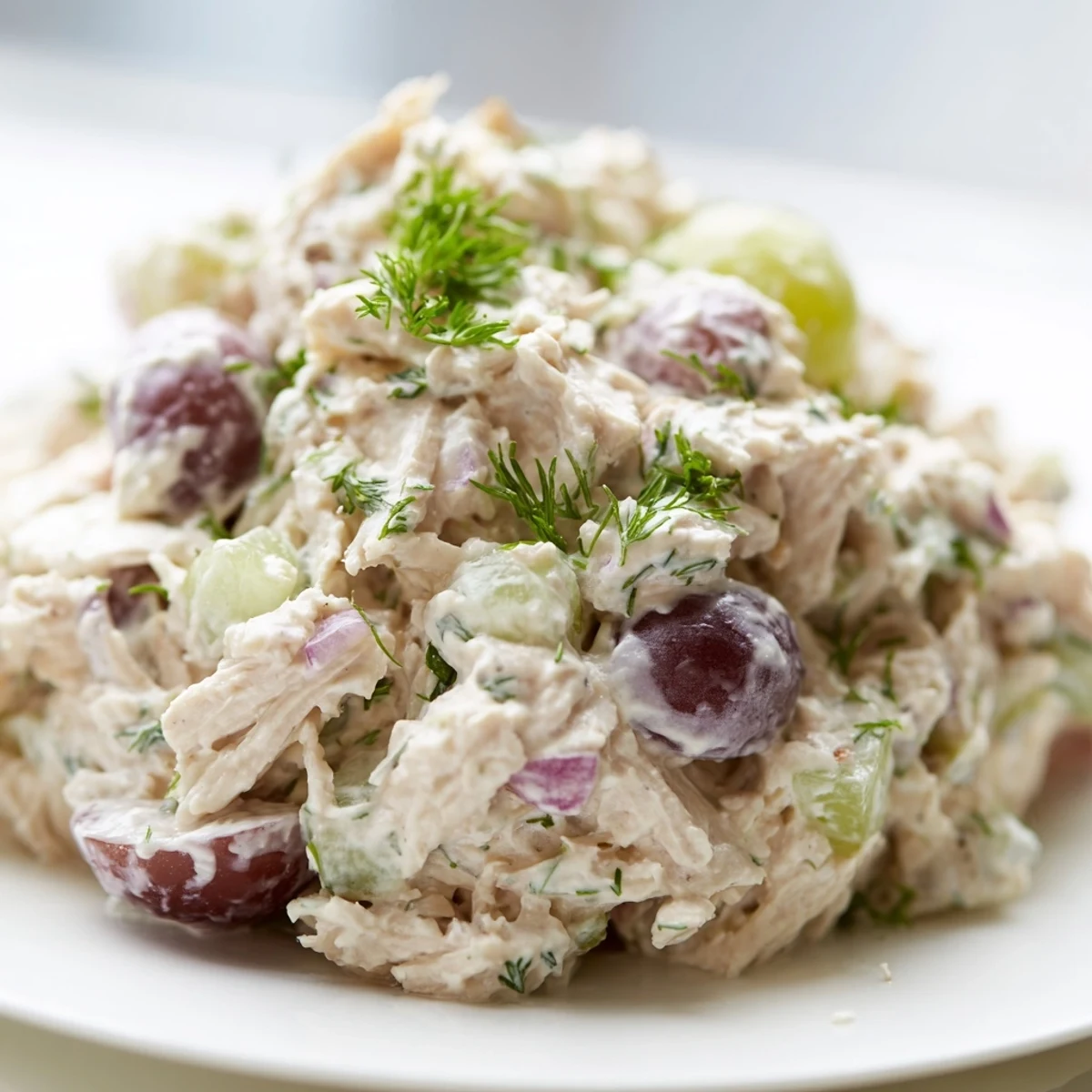
Save This recipe taught me that sometimes the best dishes aren't the ones you spend hours perfecting—they're the ones you assemble with care and let speak for themselves. Keep this in your back pocket for when you want to feed yourself or others something real.