
 Save
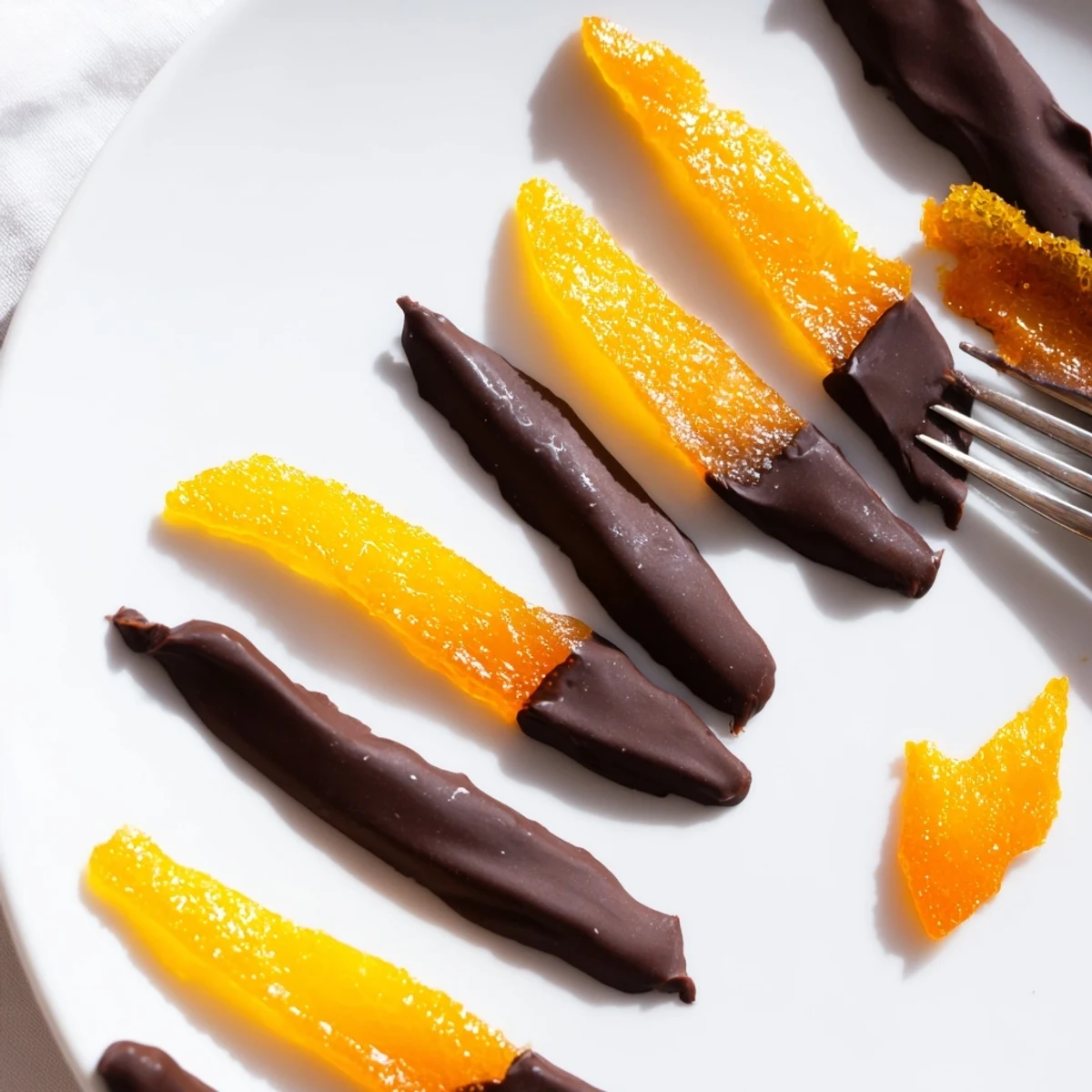
Save These chocolate covered orange peels transform simple citrus into an elegant confection. Fresh orange peels are blanched multiple times to remove bitterness, then slowly simmered in sugar syrup until translucent and tender.
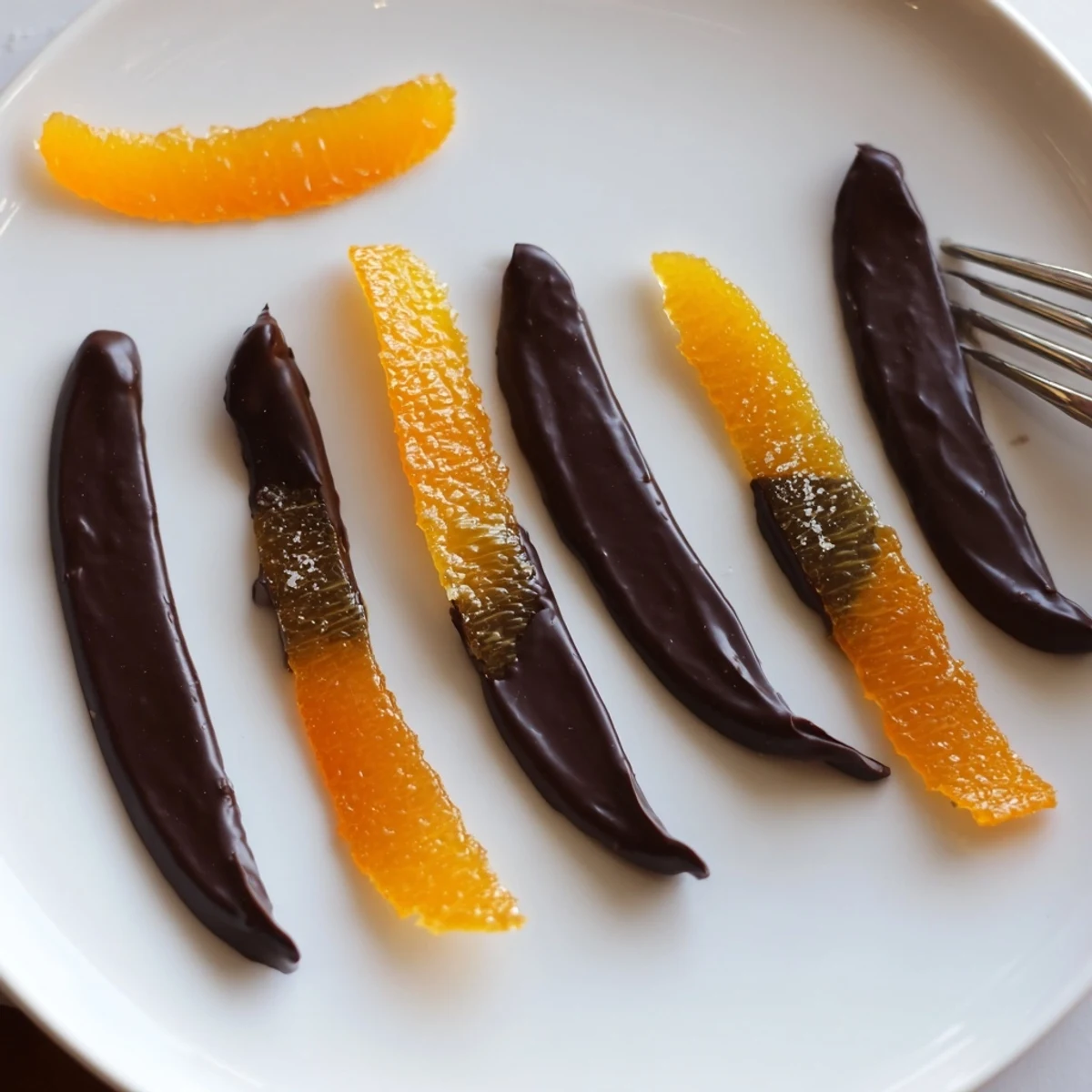
Once dried, each candied strip is dipped halfway into melted dark chocolate and left to set. The result is a beautiful balance of sweet, tangy citrus and rich, slightly bitter chocolate.
A classic European treat that requires minimal ingredients but delivers maximum flavor. Perfect for homemade gifts, holiday platters, or an afternoon pick-me-up alongside espresso.
The smell of oranges simmering in sugar syrup on a rainy Tuesday afternoon is something I did not know I needed until it happened. My neighbor had dropped off a bag of oranges from her tree, more than anyone could eat, and rather than let them go to waste I started peeling. Three hours later my kitchen looked like a candied workshop and I was hooked.
I brought a tin of these to a holiday party once and watched a woman eat seven pieces before asking what they were. She assumed I had ordered them from a catalog in Paris, which might be the greatest compliment my cooking has ever received.
Ingredients
- 3 large oranges (organic preferred): Organic oranges have thicker skins with more aromatic oils in the peel, and you avoid wax coatings that make candying harder.
- 2 cups granulated sugar: Plain white sugar creates a clear syrup that lets the orange color shine through without muddying it.
- 1 cup water: Just enough to dissolve the sugar into a bath that will slowly transform raw bitter peel into something jewel like.
- 200 g dark chocolate (60 to 70% cocoa): This percentage range gives you enough bitterness to balance the candied sweetness without overwhelming the orange.
Instructions
- Prep the oranges:
- Wash each orange thoroughly under warm water, scrubbing gently. Slice off the top and bottom so the fruit sits flat, then score the skin into four vertical sections and peel them away, keeping a thin layer of white pith attached because it adds that chewy texture you want.
- Cut into strips:
- Lay each peel section flat on your board and slice it into strips roughly half a centimeter wide, trying to keep them uniform so they all cook at the same rate.
- Blanch three times:
- Drop the strips into a saucepan of cold water, bring it to a rolling boil, then drain. Repeat this process two more times, and you will notice the harsh bitterness leaving with each round, leaving behind pure orange essence.
- Make the syrup:
- In a clean saucepan, combine the sugar and water, stirring over medium heat until every grain dissolves and the liquid runs clear before you add the blanched peels.
- Simmer until translucent:
- Cook the peels gently in the syrup uncovered for 45 to 60 minutes, stirring occasionally, until they look like stained glass and feel tender when you press one between your fingers.
- Dry the peels:
- Lift each strip out with tongs and arrange them on a wire rack, leaving space between so air can circulate. Let them dry at room temperature for at least two hours, though overnight gives you the best results.
- Melt the chocolate:
- Set a heatproof bowl over a pot of barely simmering water, add the chopped chocolate, and stir gently until it melts into a glossy pool with no lumps remaining.
- Dip and set:
- Dip each candied strip halfway into the chocolate, letting the excess drip back into the bowl, then place it carefully on a parchment lined tray. Leave them at room temperature or pop the tray in the fridge until the chocolate firms up completely.
 Save
Save My mother found a forgotten tin of these in the back of my pantry once, two months old, and ate every single one while watching television. She called the next morning to say they were still perfect, which says something about both the recipe and her snack discipline.
Choosing the Right Oranges
Not all oranges are created equal for candying. You want fruit with thick, firm skins, because thin skinned navel oranges will fall apart during the long simmer. Valencias and blood oranges both work beautifully, and blood orange peels turn a stunning deep ruby when candied.
Chocolate Tempering Without the Stress
Properly tempered chocolate snaps when you break it and stays glossy at room temperature, but achieving a full temper at home can be fussy. For these peels, a simple melt over simmering water works wonderfully because the candied filling is soft enough that a delicate snap is not essential. Just keep the water at a gentle simmer, never a rolling boil, because steam is the enemy of smooth chocolate.
Storage and Gifting
Layer the finished peels between sheets of parchment in an airtight container and they will keep for two weeks in a cool cupboard, longer in the fridge. They make stunning gifts packed into small glass jars or kraft paper bags tied with twine.
- Let refrigerated peels come to room temperature before serving so the chocolate flavor blooms fully.
- If you want extra sparkle, roll the candied peels in coarse sugar before the chocolate dip.
- Always check your chocolate label for allergens if you are gifting to others.
 Save
Save There is something deeply satisfying about transforming what most people throw away into something genuinely beautiful. These peels are proof that the best recipes often come from looking at leftovers a little differently.
Recipe FAQs
- → Do I need to remove all the white pith from the orange peels?
-
No, leaving a thin layer of white pith is actually fine and adds a pleasant texture. The triple blanching process effectively removes most of the bitterness from the pith, so you don't need to scrape it completely clean.
- → Can I use other types of citrus for this method?
-
Yes, this same candying and dipping technique works beautifully with grapefruit, lemon, or tangerine peels. Adjust the blanching times as needed—grapefruit peels may benefit from an extra blanching round due to their thicker pith.
- → What percentage of cocoa should the dark chocolate have?
-
A chocolate with 60–70% cocoa content is ideal. This range provides enough sweetness to complement the candied peel while maintaining a rich, assertive chocolate presence. Anything above 70% may taste too bitter for some palates.
- → How long do chocolate covered orange peels stay fresh?
-
Stored in an airtight container in a cool, dry place, they keep well for up to two weeks. You can also refrigerate them, but allow them to come to room temperature before serving for the best texture and flavor.
- → Why do I need to blanch the peels three times?
-
Each blanching round draws out more of the bitter compounds from the peel and pith. Three rounds strikes the right balance—enough bitterness is removed to make them enjoyable while preserving that characteristic citrus tang.
- → Can I use store-bought candied orange peel instead?
-
You can dip store-bought candied peels in chocolate to save time, but homemade candied peels have a superior texture and fresher flavor. The homemade version is noticeably softer and less chewy than most commercial options.