
 Save
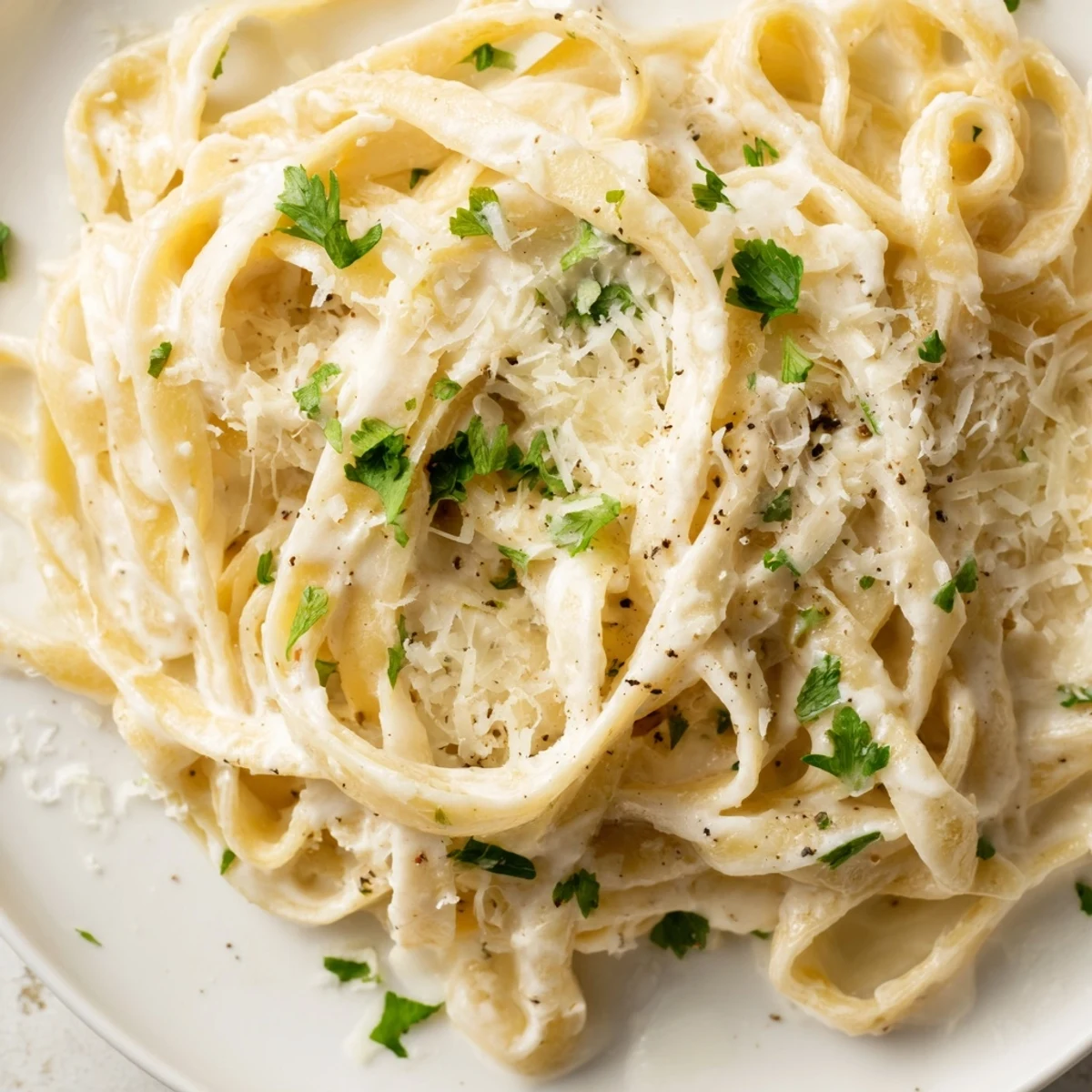
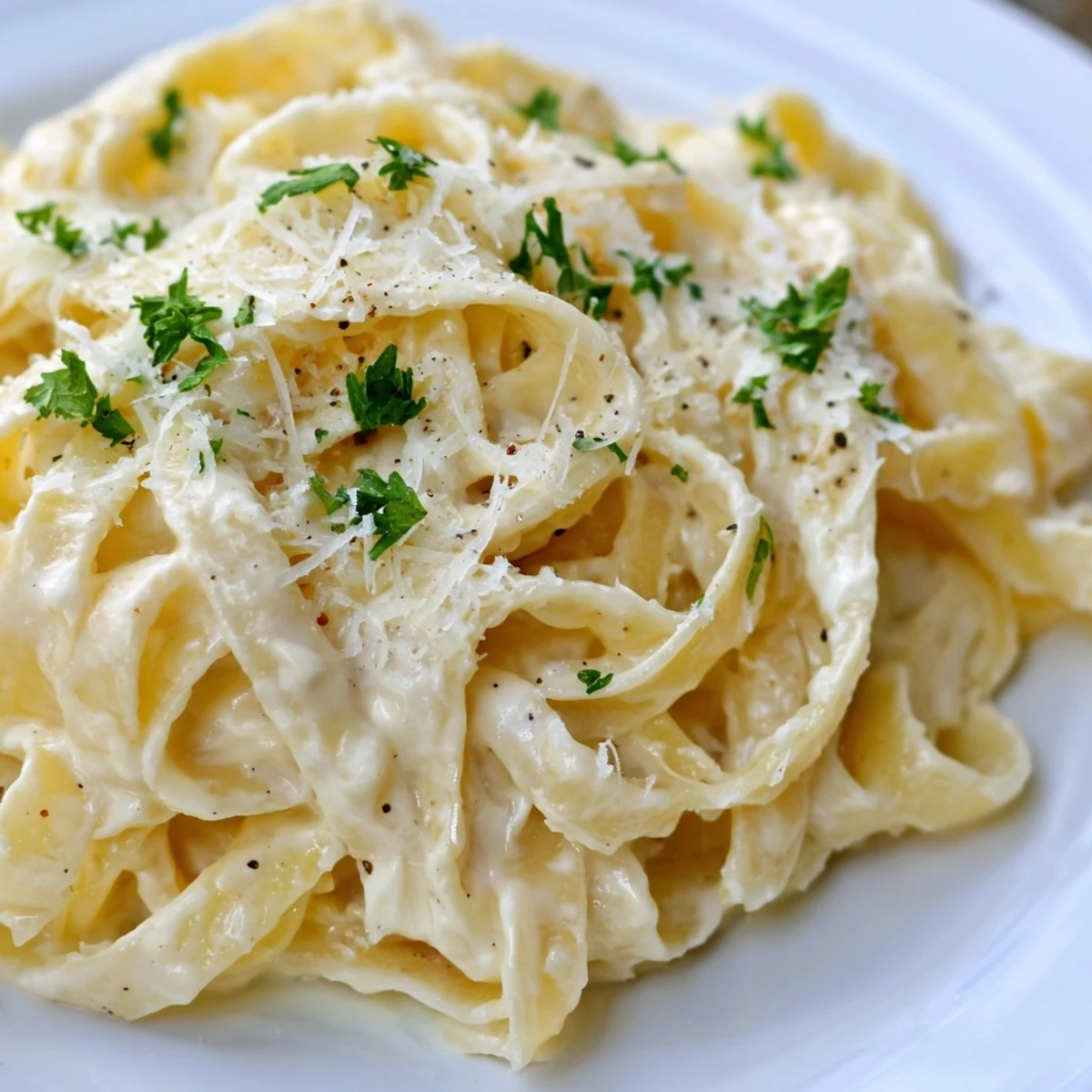
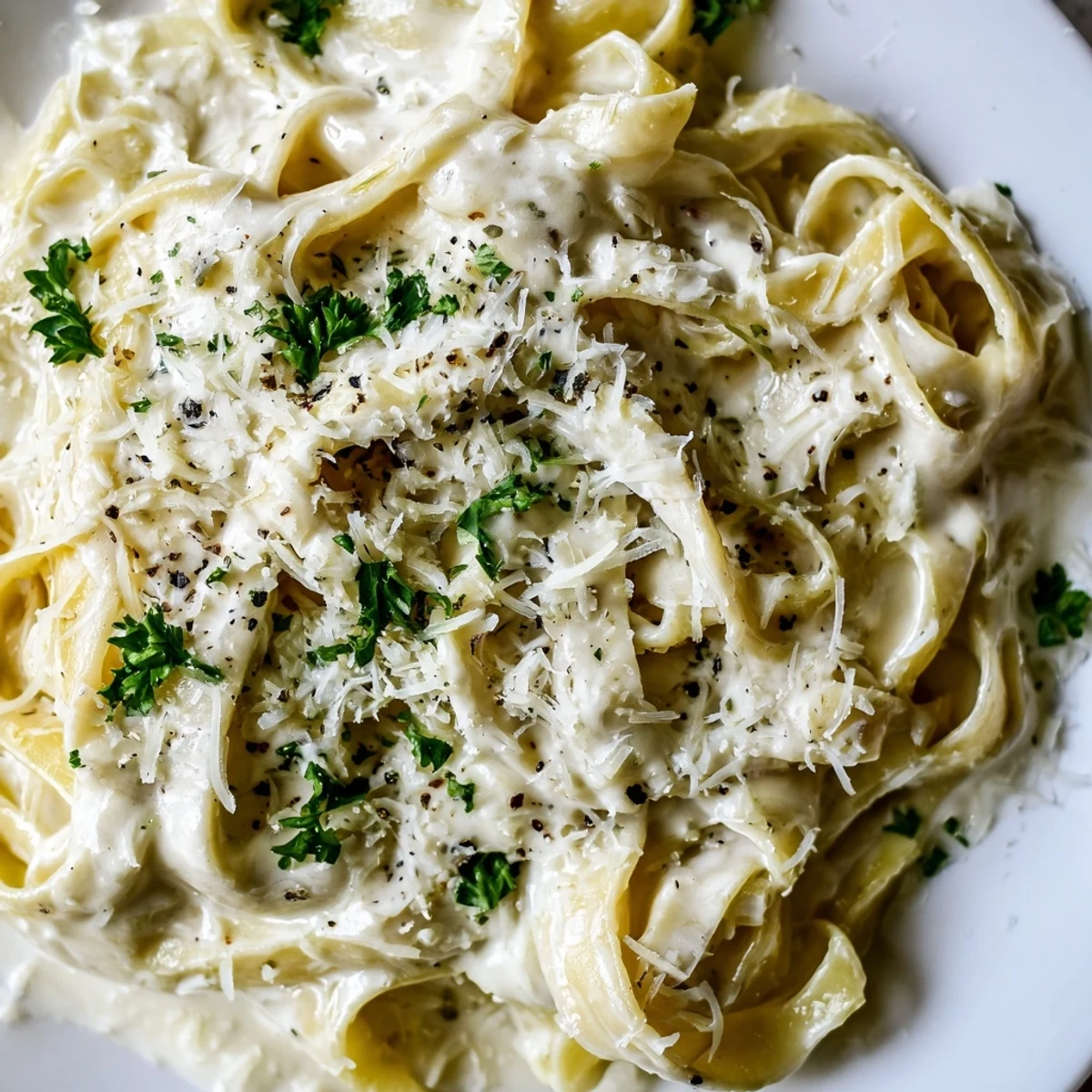
Save This Italian dish features fettuccine enveloped in a rich, creamy sauce made from butter, garlic, heavy cream, and Parmesan. The sauce is gently simmered and seasoned with black pepper, salt, and a touch of nutmeg for depth. The pasta is tossed in the sauce to ensure every strand is coated with velvety smoothness, garnished optionally with parsley and extra cheese. Quick to prepare, it offers a decadent yet accessible meal for any occasion.
There's something about watching cream turn silky under gentle heat that makes you feel like you're doing something truly special in the kitchen. My first real Alfredo wasn't from a jar or a packet—it was a Wednesday night when my neighbor Marco stopped by with fresh Parmigiano-Reggiano and quietly showed me that the whole magic of this sauce comes down to patience and butter. No fancy tricks, no cream soup in disguise, just four simple ingredients that somehow transform into something you'd swear came from a Roman trattoria.
I made this for my brother's surprise dinner party when his usual cooking plans fell through, and the relief on his face when he tasted it was almost as good as the applause from his friends. He'd been stressed about impressing some colleagues, and somehow this simple, dignified pasta became the thing everyone remembered about that night.
Ingredients
- Fettuccine (400 g): Stick with dried pasta here; it holds the sauce better than fresh, and the slight texture catches every creamy bit.
- Unsalted butter (60 g): This is your flavor foundation, so use real butter—it's worth the upgrade.
- Garlic (2 cloves, minced): Mince it fine and watch it like a hawk; garlic turns bitter in seconds, which would ruin everything.
- Heavy cream (240 ml): The real stuff, not half-and-half; trust me, this is not the place to lighten up.
- Parmesan cheese (120 g, freshly grated): Pre-grated cheese has anti-caking powder that breaks the sauce—grate it yourself while the pasta boils.
- Black pepper, sea salt, nutmeg: The nutmeg sounds weird until you taste it; just a whisper changes everything.
Instructions
- Start the pasta:
- Boil a big pot of salted water—it should taste like the sea—and cook the fettuccine until it's just barely tender with a slight bite. The pasta continues cooking when it hits the hot sauce, so don't overcook it here.
- Build the butter and garlic base:
- Melt the butter over medium heat, then add your minced garlic and let it just become fragrant, maybe 60 to 90 seconds. The moment it smells incredible is the moment you stop; any longer and it turns harsh.
- Warm the cream gently:
- Pour in the cream and let it come to a soft bubble, stirring now and then. This isn't a hard boil; you want it to heat through slowly so the texture stays rich and silky.
- Add the Parmesan slowly:
- Here's the trick nobody tells you: lower the heat to low and whisk in the cheese a handful at a time, letting each bit melt completely before adding more. Rush this step and you'll end up with grainy, broken sauce instead of something smooth.
- Bring it all together:
- Add your drained pasta right into the skillet, toss it all with tongs so every strand gets coated, and if the sauce feels too thick, add a splash of that pasta water you saved. The starch in the water helps everything cling together.
- Plate and finish:
- Serve right away on warm plates with a small shower of fresh Parmesan and some parsley if you have it. This sauce hardens as it cools, so speed matters.
 Save
Save My son once declared this his favorite meal in the world when he was five, and years later I realized that wasn't about fancy ingredients—it was about sitting at the table together, forks clinking, everyone quiet because the food was too good for conversation. Some dishes carry those kinds of memories forever.
Why Garlic Matters Here
The garlic isn't trying to be loud in this dish; it's just there to give the butter a whisper of depth and a reason to exist. Cooking it just to the edge of fragrance keeps it from turning bitter and overpowering those delicate cream and cheese flavors. It's the difference between tasting garlic and tasting buttery luxury.
The Pasta Water Secret
Most people throw this away and then wonder why their sauce doesn't stick properly to the pasta. The starch in the cooking water is what makes the sauce emulsify and cling, so always reserve a cup before you drain. Even a small splash can bring a sauce that's breaking back to silky perfection.
Variations and Beyond
This is a blank canvas if you want it to be, though I'd caution against going too wild with add-ins at first—learn this version until you could make it in your sleep, then play around. Some nights I add sautéed mushrooms or a handful of peas stirred in at the end, and it's wonderful every time.
- Toss in crispy pancetta or prosciutto if you want something richer and more substantial.
- A squeeze of fresh lemon juice right before plating brightens everything without making it taste acidic.
- Freshly cracked black pepper sprinkled on top after plating looks beautiful and tastes better than pre-ground.
 Save
Save This recipe is proof that sometimes the most elegant meals come from the fewest ingredients and the most patience. Make it when you want to feel like you've done something lovely without the fuss.
Recipe FAQs
- → What type of pasta is best for this dish?
-
Fettuccine is ideal since its flat ribbons hold the creamy sauce well, providing a balanced bite.
- → Can I make the sauce lighter?
-
Yes, replacing heavy cream with half-and-half creates a lighter, but still rich, sauce.
- → How do I prevent the sauce from breaking?
-
Simmer the cream gently and whisk in Parmesan off heat or on very low to avoid curdling.
- → Is there a way to adjust the sauce consistency?
-
Add reserved pasta cooking water gradually to loosen the sauce if it becomes too thick.
- → Can this dish be adapted for dietary restrictions?
-
Use gluten-free pasta for gluten intolerance and consider plant-based substitutes for dairy if needed.