
 Save
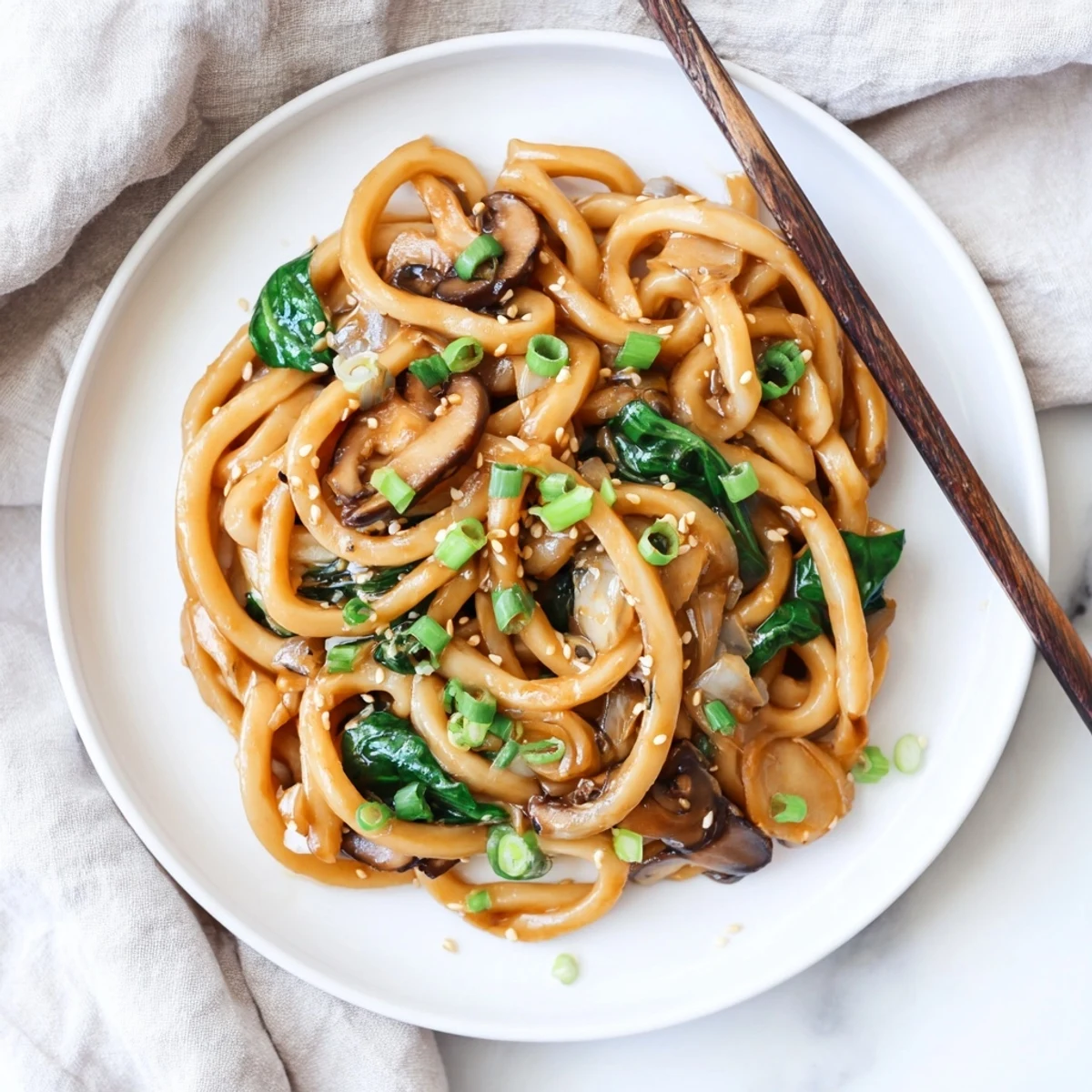
Save Indulge in restaurant-quality Japanese comfort food at home with these creamy miso udon noodles. Thick chewy udon gets coated in a velvety sauce made from white miso paste, cream, and aromatic garlic-ginger, creating the perfect balance of savory and slightly sweet flavors.
The dish comes together in just 25 minutes, making it ideal for weeknight dinners. Sautéed shiitake mushrooms and tender spinach add texture and nutrition, while toasted sesame seeds and fresh green onions provide a finishing crunch.
Customize this versatile bowl with your favorite vegetables or add protein like tofu or edamame. The naturally vegetarian dish can easily be made vegan with plant-based cream alternatives.
The first time I had miso cream sauce, I was sitting in this tiny Tokyo restaurant tucked between a laundromat and a convenience store. It was snowing outside, and when the bowl arrived, steam curling up in ribbons, I took one bite and literally stopped talking mid-sentence. The way the earthy miso mingled with that velvety cream was unlike anything I'd ever tasted. I spent the next three years trying to recreate that magic in my own kitchen.
Last winter my neighbor came over unexpectedly while I was making this, and she ended up staying for dinner. We sat at my counter with our bowls, watching the snow pile up outside, and she kept saying I cant believe this is just cream and miso. Now every time it snows, she texts me asking if theres miso udon happening.
Ingredients
- 200 g fresh or frozen udon noodles: Fresh udon has this incredible bounce that frozen comes close to matching, but dried udon works too if thats what you can find
- 1 tablespoon neutral oil: Canola or sunflower oil lets the other flavors shine without competing
- 1 small onion, thinly sliced: The sweetness of onion as it cooks down balances the salty miso beautifully
- 1 cup shiitake mushrooms, sliced: Shiitakes bring this meaty texture and deep umami that makes the dish feel substantial
- 1/2 cup baby spinach leaves: They wilt instantly into the hot sauce, adding just a hint of freshness and color
- 2 tablespoons white miso paste: White miso is milder and sweeter than red, perfect for cream sauces without overpowering them
- 2 teaspoons soy sauce: This adds depth and rounds out the miso flavor
- 1 teaspoon sesame oil: A little goes a long way, but that nutty aroma is essential
- 1 teaspoon grated ginger: Fresh ginger cuts through the richness of the cream
- 1 clove garlic, minced: Because garlic makes everything better
- 200 ml heavy cream: This creates that luxurious restaurant-style sauce, though coconut cream works surprisingly well
- 60 ml water: Helps thin the sauce just enough so it coats the noodles without being heavy
- 1 tablespoon sliced green onions: Fresh onion on top adds a bright contrast to the rich sauce
- 1 teaspoon toasted sesame seeds: They add this tiny crunch between bites
- Chili flakes: Optional, but I love how the heat sneaks up on you
Instructions
- Get your noodles going:
- Cook the udon according to package directions, drain, and set aside. Fresh udon only needs a couple of minutes in boiling water.
- Build your flavor base:
- Heat the neutral oil in a large skillet over medium heat, add the sliced onion, and let it soften for about 2 minutes until it turns translucent and fragrant.
- Add the mushrooms:
- Toss in the sliced shiitakes and sauté for 3 to 4 minutes until they're tender and starting to brown in spots.
- Bloom the aromatics:
- Stir in the garlic and ginger, cooking for just 1 minute until your kitchen starts smelling amazing.
- Whisk the sauce:
- In a bowl, combine the miso paste, soy sauce, sesame oil, heavy cream, and water. Whisk until smooth, though tiny miso flecks are totally fine.
- Bring it together:
- Pour the sauce into the skillet with vegetables and bring to a gentle simmer. Let it cook for 2 to 3 minutes, stirring constantly, until the sauce thickens slightly.
- Coat the noodles:
- Add the cooked udon and spinach, tossing everything together until the noodles are glossy and coated and the spinach has wilted into the sauce.
- Taste and adjust:
- Taste a noodle and add more soy sauce or miso if it needs more salt.
- Finish with toppings:
- Serve immediately in bowls, scattered with green onions, sesame seeds, and chili flakes if you like a little kick.
 Save
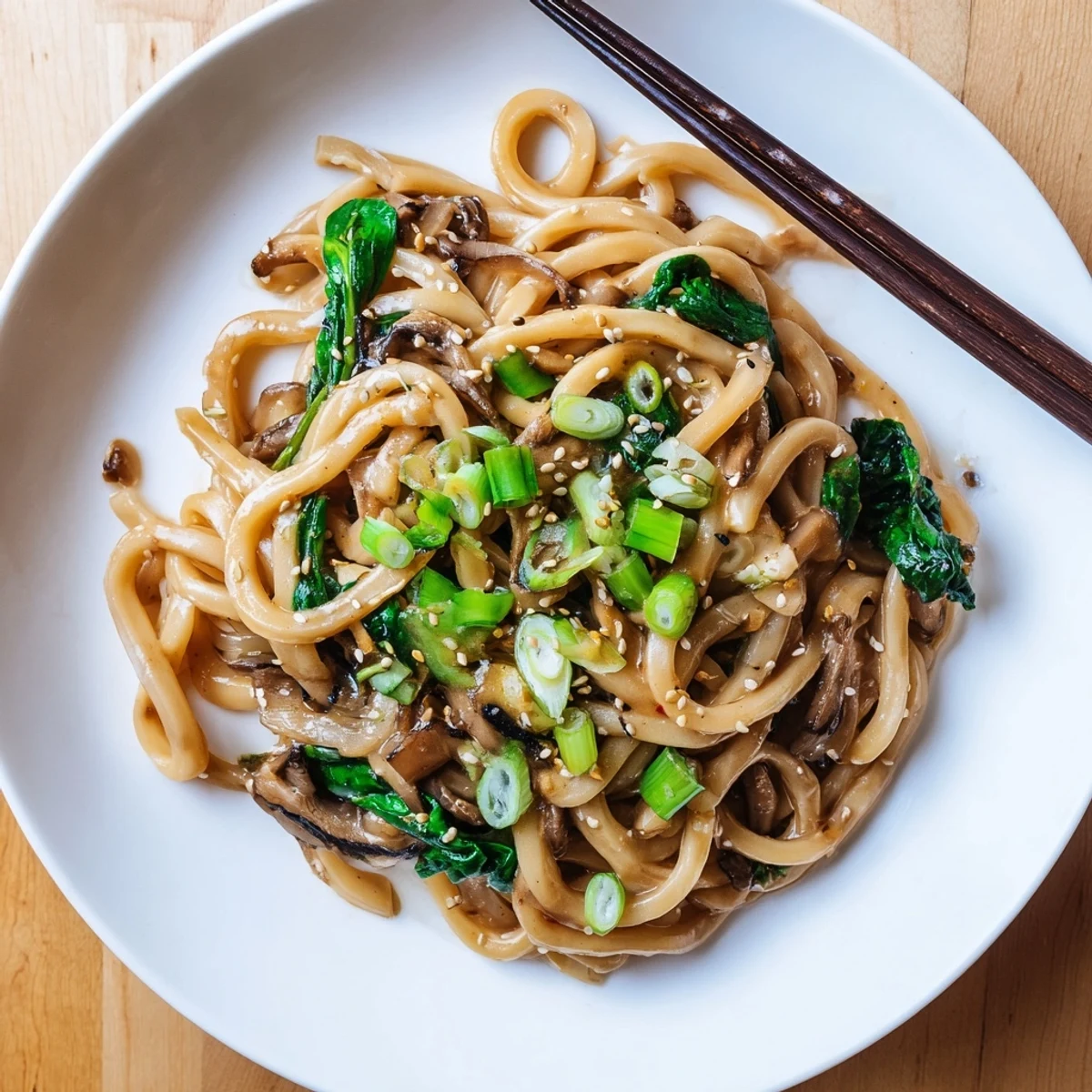
Save This recipe became my go-to comfort food during a particularly rough winter when I was working late nights and needed something fast but nourishing. There's something meditative about whisking that sauce, watching it transform from separate ingredients into something cohesive and warm. Now whenever friends are going through hard times, I show up with miso udon.
Making It Your Own
Sometimes I add cubed tofu or edamame when I want extra protein, and both absorb the sauce beautifully. In summer I'll throw in snow peas or corn, and in autumn I love adding roasted kabocha squash cubes. The sauce is incredibly forgiving, so use whatever vegetables make you happy.
Perfecting The Texture
The trickiest part is getting the sauce consistency right, and I learned through plenty of too-thick and too-thin batches. If it's too thick, add water one tablespoon at a time. If it's too thin, keep simmering for another minute or two. The residual heat continues thickening the sauce even after you turn off the stove.
Serving Suggestions
This dish stands alone perfectly as a single bowl meal, but I sometimes serve it alongside a simple green salad with citrusy dressing to cut the richness. A bowl of miso soup on the side makes it feel like a complete Japanese-style dinner. Cold sake or a crisp lager balances the creamy sauce beautifully.
- Leftovers keep well in the fridge for 2 days, though the noodles will absorb some sauce
- Reheat gently with a splash of water to loosen the sauce
- The sauce actually tastes better the next day as flavors meld
 Save
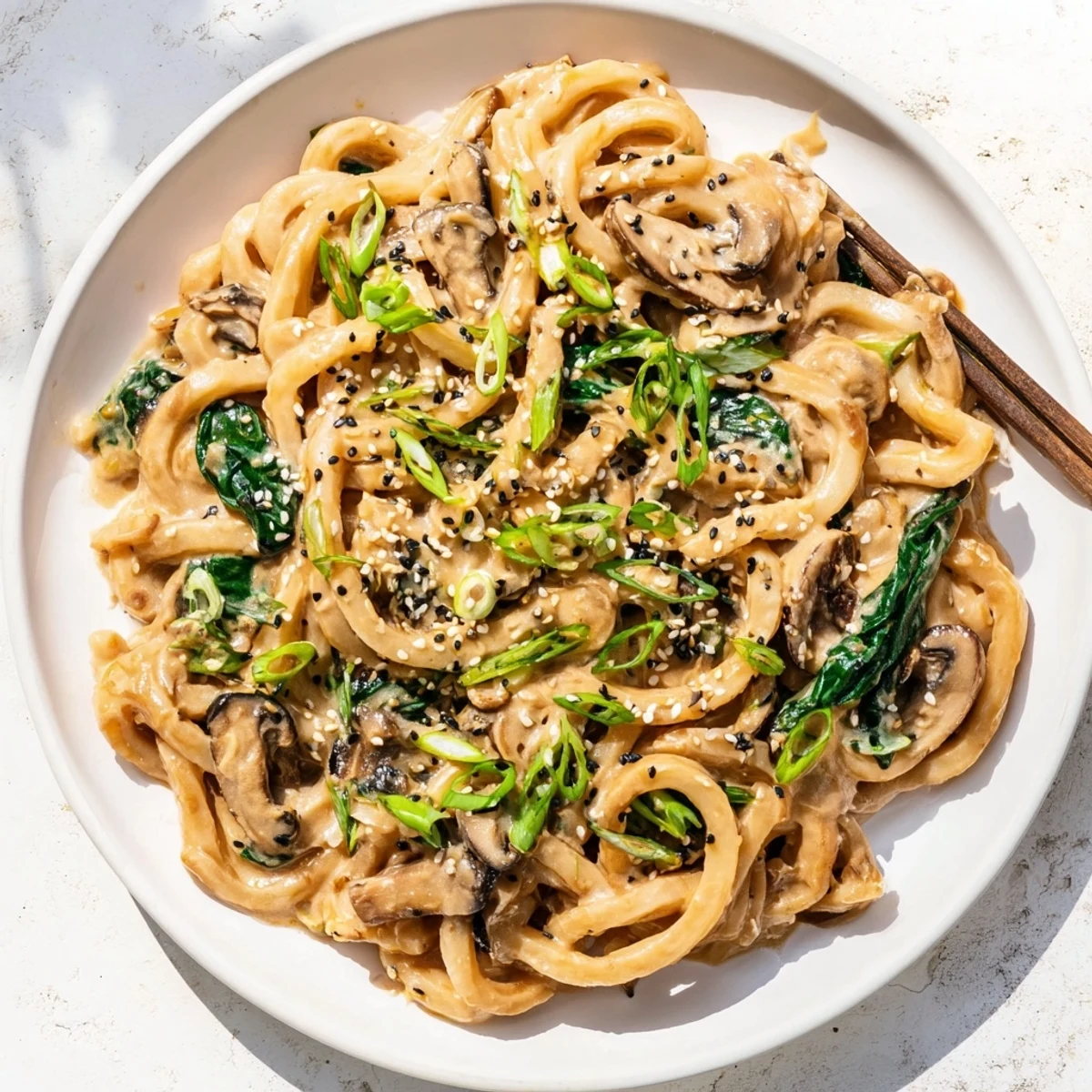
Save There's a quiet joy in eating something this comforting, the steam rising from your bowl, the way the noodles slip and slide against your spoon. I hope this recipe finds you on a day you need it most.
Recipe FAQs
- → What makes miso udon creamy?
-
The creaminess comes from whisking heavy cream (or plant-based alternative) with white miso paste. The miso emulsifies with the cream to create a velvety, savory coating that clings perfectly to thick udon noodles while delivering rich umami flavor.
- → Can I use different noodles?
-
While udon's thick, chewy texture is ideal, you can substitute with ramen, soba, or even linguine. Adjust cooking time according to package instructions since thinner noodles cook faster than traditional udon.
- → Is white miso necessary?
-
White miso (shiro miso) provides a milder, slightly sweet flavor perfect for cream sauces. Red miso will work but yields a stronger, more intense taste. Start with less red miso and adjust to your preference.
- → How do I store leftovers?
-
Store cooled noodles in an airtight container in the refrigerator for up to 2 days. Reheat gently with a splash of water or cream to restore the sauce's consistency. The noodles will absorb more liquid overnight.
- → What vegetables work best?
-
Shiitake mushrooms add meaty texture, but button mushrooms work too. Try bok choy, snow peas, carrots, or bell peppers. Add quick-cooking vegetables like spinach at the end so they wilt without becoming mushy.
- → Can I make this gluten-free?
-
Yes. Use gluten-free udon or brown rice noodles, and substitute soy sauce with tamari. Most other ingredients are naturally gluten-free, making this an easy dish to adapt for dietary needs.