
 Save
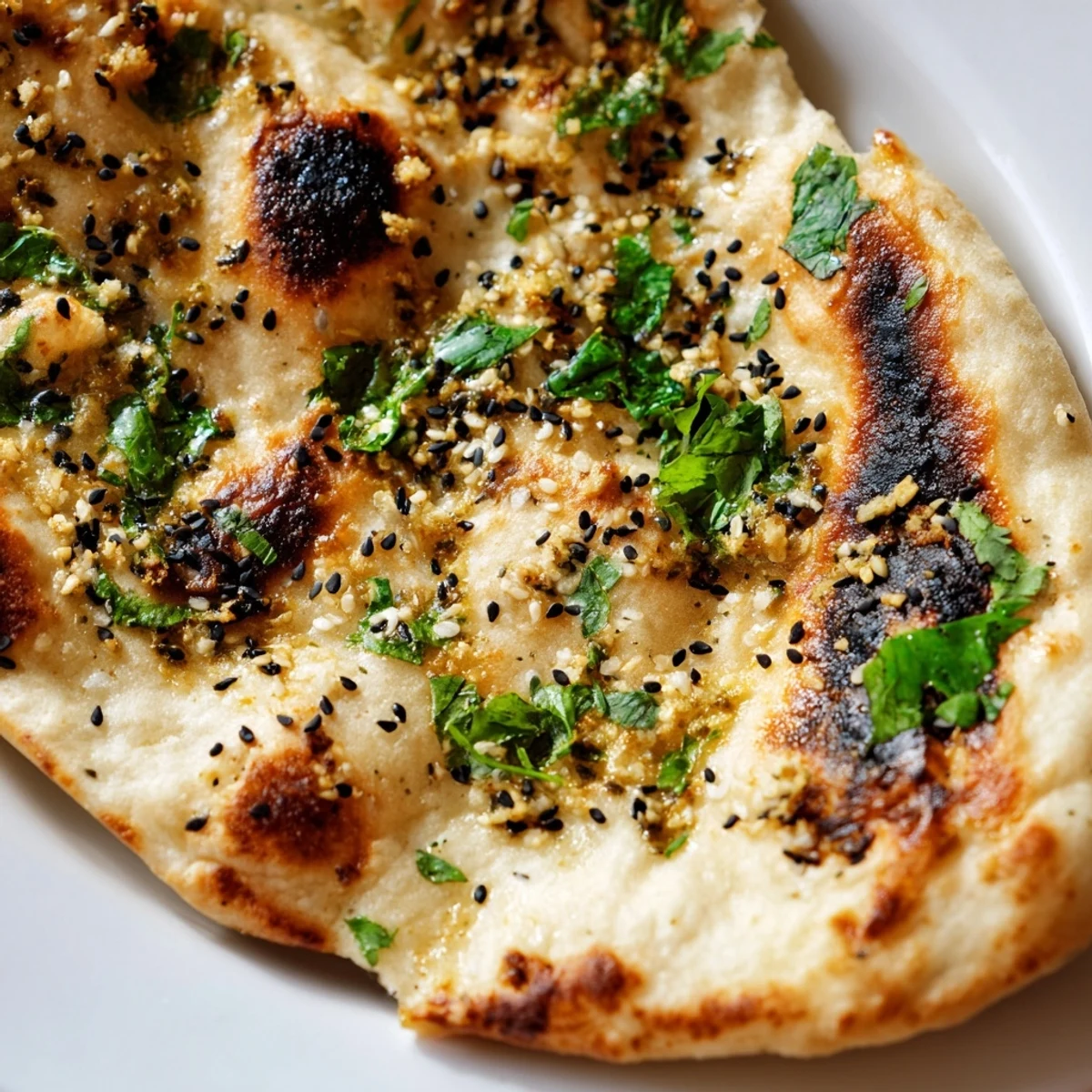
Save This Indian flatbread features a soft, fluffy texture enriched with garlic and aromatic nigella seeds. The dough is prepared with yogurt and warm milk to achieve the perfect rise and tenderness. After kneading and resting, it is shaped into oval pieces, brushed with a garlic-cilantro ghee mixture, and cooked on a hot skillet until golden spots appear. Its subtle flavors complement a variety of spiced dishes or can be enjoyed simply on their own.
My first batch of garlic naan was an accident—I'd been craving the kind from my favorite Indian restaurant, and after a few YouTube tutorials and some kitchen experiments, I realized that the magic wasn't in complicated techniques but in respecting the dough and watching it come alive on the skillet. There's something almost meditative about brushing warm garlic-infused ghee onto freshly puffed bread, the aroma filling your kitchen like the best kind of invitation. Now whenever I make naan, I think of that moment when I finally nailed the char and tore into a piece that was still steaming, crispy on the outside and impossibly soft within.
I made this for a dinner party where someone joked they'd never had "real" homemade naan before, and watching their face light up when they took that first bite was a reminder that the simplest dishes often mean the most. My friend kept asking if I'd made them in an actual tandoor, and I loved that small lie by omission—just a humble skillet and some good timing.
Ingredients
- All-purpose flour (3 cups): The foundation of soft, pillowy naan—make sure it's fresh because old flour can make the dough less responsive.
- Active dry yeast (2 tsp): Bloom it in warm water first so you know it's alive and ready to work; a lazy yeast is why some naan turns out dense.
- Plain yogurt (1/2 cup): Adds tanginess and tenderness to the crumb, and room temperature is crucial so it doesn't shock the warm dough.
- Warm milk (1/4 cup): Brings richness and helps the dough stay soft even after it cools.
- Ghee or unsalted butter (3 tbsp plus extra): Ghee has a higher smoke point, so it won't burn in the hot skillet, and it brings that authentic flavor that butter alone can't quite match.
- Minced garlic (3 cloves): Fresh is non-negotiable here—jarred garlic gets muted when it sits with ghee, so mince it just before cooking.
- Fresh cilantro (2 tbsp): A handful of green life that prevents the naan from tasting one-note, and it looks beautiful too.
- Nigella seeds (2 tsp): These tiny black seeds add a subtle peppery bite that you notice with each bite, even if you can't quite name what makes it taste special.
- Salt, sugar, baking powder, and baking soda: The salt seasons the dough throughout, the sugar feeds the yeast, and those leavening agents work together to create the signature bubble structure.
Instructions
- Wake up your yeast:
- Warm water should feel like a comfortable bath on your wrist, never hot—combine it with sugar and sprinkle yeast over top, then step away for 10 minutes. You'll see a foamy layer form that smells warm and alive, and that's your signal to move forward.
- Build the dry base:
- Whisk flour with salt, baking powder, and baking soda in a large bowl, making sure there are no lumps hiding in the corners. This aerates the flour and distributes the leavening agents evenly, which means more consistent rise and texture.
- Bring it together:
- Pour the frothy yeast mixture, yogurt, milk, and 2 tbsp melted ghee into the center of your flour well and mix until a shaggy dough forms. Don't worry if it looks rough—the kneading is where the magic happens.
- Knead with intention:
- Work the dough on a lightly floured surface for 5 to 7 minutes, pushing it away from you and folding it back, turning as you go until it becomes smooth and elastic. You'll feel the transformation under your hands, and the dough will stop sticking to the board when it's ready.
- Let it rise slowly:
- Oil a bowl, nestle the dough inside, cover with a clean cloth, and set it in a warm spot for about an hour—the back of the stove near a heating vent works great, or a turned-off oven with the light on. When you peek under the cloth, it should have doubled in size and feel pillowy when you gently press a finger into it.
- Divide and shape:
- Punch down the dough to release the gas, divide it into 8 equal pieces, and roll each one into a ball. Flatten each ball with your palm and a rolling pin until it's about 1/4-inch thick, aiming for a teardrop or oval shape that fits your skillet.
- Prepare the garlic mixture:
- Stir minced garlic and cilantro into the remaining 1 tbsp melted ghee and set it aside—this is the flavor bomb that sets great naan apart from plain flatbread. You can prep this while your naan waits to be cooked, so the flavors have time to get friendly.
- Heat your cooking surface:
- Place a heavy skillet or tawa over medium-high heat and let it get genuinely hot—a few drops of water should sizzle and dance on the surface. This heat is what creates those beautiful charred spots and helps the naan puff.
- Cook the first side:
- Lay one naan on the hot skillet, cover with a lid or foil, and cook for 1 to 2 minutes until bubbles rise up across the surface. You'll hear a gentle sizzle, and the dough will look slightly blistered and tan where it touches the pan.
- Flip and finish:
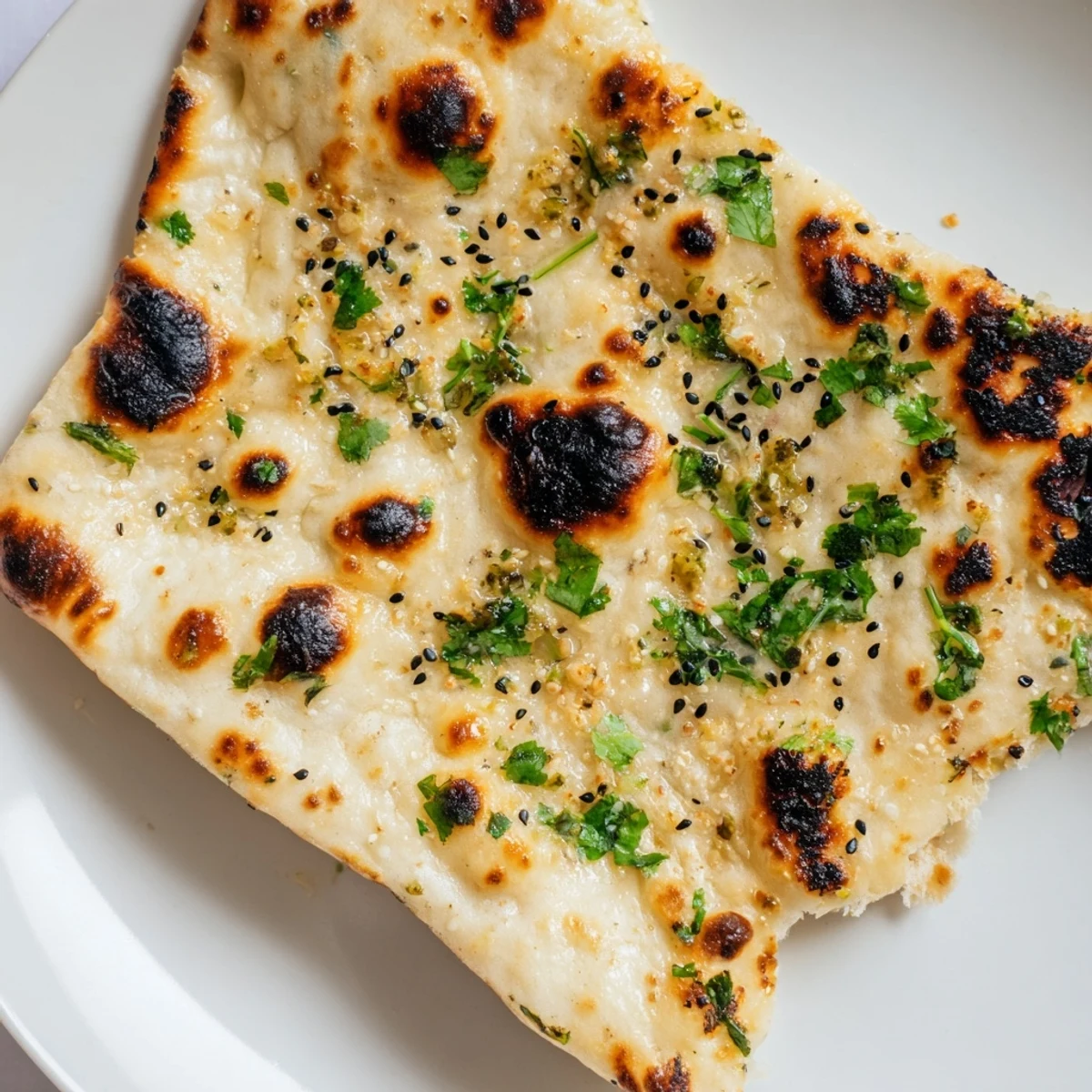
- Turn it over and cook the other side uncovered for another 1 to 2 minutes until golden brown spots appear and the bread feels light and airy when you press it. Some people get little charred spots that look almost black—those are flavor, not mistakes.
- Add the aromatic finish:
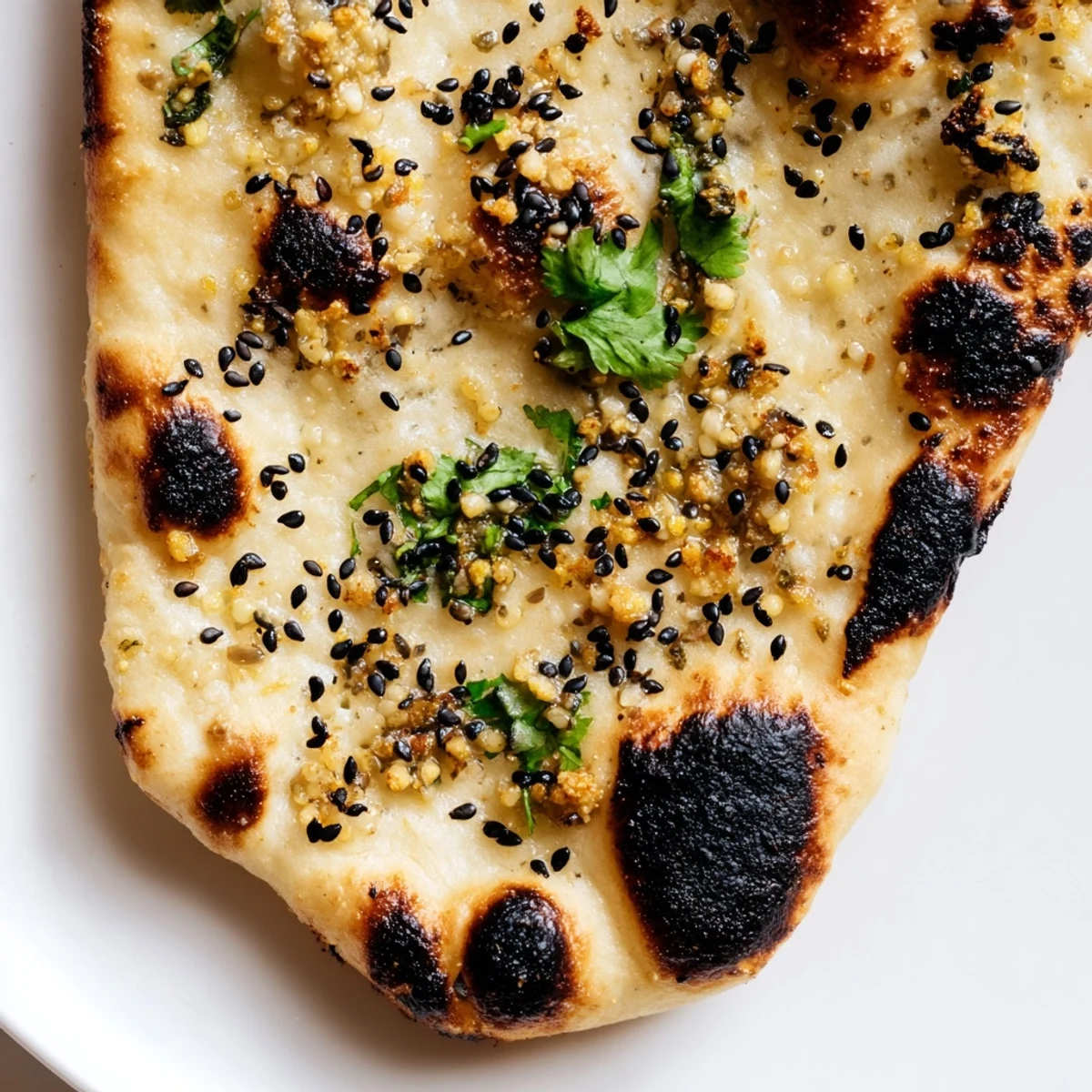
- As soon as each naan comes off the heat, brush it generously with the garlic-cilantro ghee and sprinkle nigella seeds over top while it's still warm so they toast slightly into the surface. Stack them on a plate and serve immediately, or wrap them in foil to keep warm while you cook the next batch.
 Save
Save There was an evening when my neighbor knocked on my door following the smell of garlic and warm bread, and we ended up sitting on the kitchen counter eating naan straight from the skillet with just some plain yogurt and a pinch of salt. It became our thing after that, a ritual that had nothing to do with recipes and everything to do with feeding people who show up in your life.
The Science of the Perfect Puff
Naan puffs because steam gets trapped between the dough layers, and that happens only when there's enough heat and the dough has enough structure to hold it. The yeast creates tiny gas bubbles during fermentation, and those bubbles expand dramatically when hit with high heat, creating the signature pockets you tear into. The baking powder and baking soda work as backup leaveners, ensuring you get rise even if your yeast is sleepy or the dough isn't perfectly warm.
Storing and Reheating
Leftover naan keeps in an airtight container for up to three days, and you can reheat it directly on a skillet over medium heat for about 30 seconds per side—it comes back soft and warm, almost as good as fresh. I've also wrapped naan in foil and warmed it in a 350°F oven for about 5 minutes when I'm making it for a crowd, and it stays fluffy that way without drying out.
Variations and Customizations
This recipe is a canvas, and I've learned to respect that by trying different additions that complement the garlic base. Onions can be caramelized and pressed into the dough before cooking, fresh green chiles add heat, and even a tiny pinch of ajwain (carom seeds) brings an herbaceous note that feels very authentic.
- A whisper of chili flakes mixed into the garlic ghee creates a warm tingle that lingers pleasantly on your tongue.
- Brush cooked naan with a compound butter mixed with fresh mint or tarragon if you're pairing it with something lighter than curry.
- Some batches benefit from a brush of yogurt mixed with a touch of turmeric and salt before serving, adding color and a subtle earthiness.
 Save
Save Garlic naan has become my answer to the question of what to bring when you're not sure what's for dinner, because warm bread wrapped in foil travels well and makes nearly every meal better. There's a generosity in homemade naan that feels special, and I've never regretted the fifteen minutes of hands-on time it takes to share it with someone.
Recipe FAQs
- → What gives this flatbread its soft texture?
-
The combination of yogurt, warm milk, and a resting period allows the dough to rise and develop a tender, fluffy texture.
- → How do nigella seeds enhance the bread?
-
Nigella seeds add a subtle, aromatic flavor and a slight crunch, complementing the garlic-infused bread.
- → Can this bread be made without yeast?
-
Yeast is essential here to give the bread its airy and soft texture, so omitting it would change the structure significantly.
- → What cooking method is used for this flatbread?
-
It’s cooked on a hot skillet or tawa, covered to trap heat and create characteristic bubbles and golden spots.
- → How can the flavor be intensified?
-
Adding a pinch of chili flakes to the garlic-cilantro ghee brush adds a gentle spicy kick and depth of flavor.
- → Is this bread suitable for vegetarians?
-
Yes, it includes dairy but contains no meat or animal-derived gelatin, making it suitable for a vegetarian diet.