
 Save
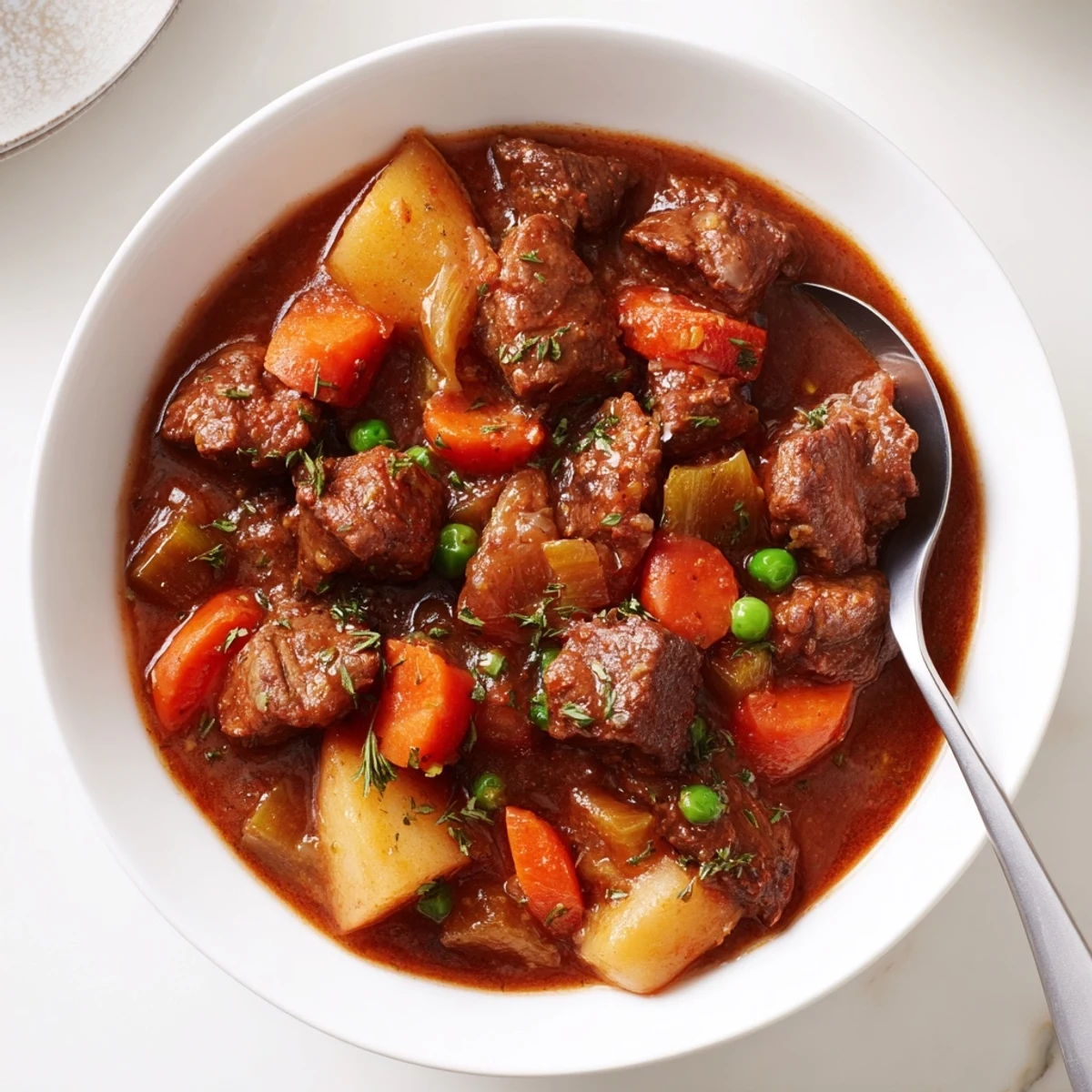
Save Browned beef cubes are sautéed with onion and garlic, then coated with flour and tomato paste before deglazing with red wine. Add carrots, potatoes, celery, stock and aromatics, then simmer low and slow for about two hours until meat and vegetables are fork-tender. Finish with peas, remove bay leaves and adjust seasoning. Serve hot with crusty bread or buttered noodles; flavors improve if rested overnight.
The rain was hammering against the kitchen window so hard that Tuesday evening that I abandoned all plans to grill and rifled through the freezer instead, pulling out a chuck roast that had been waiting for exactly this kind of night. Something about the sound of sizzling beef hitting a hot Dutch oven drowns out the world better than any playlist. Two hours later, the whole house smelled like my grandmothers kitchen, and even the dog was sitting guard by the stove. That is the quiet magic of beef stew, unpretentious and deeply satisfying.
My friend Marcus stopped by once while I was browning the beef and asked why I bothered doing it in batches instead of dumping everything in at once. One taste of the stew later, he quietly never questioned my methods again.
Ingredients
- 2 lbs beef chuck, cut into 1.5 inch cubes: Chuck is the undisputed king here because its marbling breaks down during the long simmer into pure tenderness.
- 4 medium carrots, peeled and sliced: They add a gentle sweetness that balances the savory depth of the broth.
- 3 large potatoes, peeled and diced: Russet or Yukon Gold both work, but Yukons hold their shape better and cream into the broth beautifully.
- 2 stalks celery, sliced: An unsung hero that quietly builds the aromatic backbone of every great stew.
- 1 large onion, chopped: When it hits the fond left by the beef, the flavor transformation is remarkable.
- 3 cloves garlic, minced: Fresh only, no exceptions, because the sweetness of slow cooked garlic is irreplaceable.
- 1 cup frozen peas (optional): Stirred in at the end, they bring a pop of color and freshness that the stew welcomes.
- 3 cups beef stock: Low sodium lets you control the salt level as it reduces and concentrates.
- 1 cup dry red wine: A Cabernet or Merlot works wonders, or simply add more stock if you prefer to skip it.
- 2 tbsp tomato paste: This small amount adds a surprising depth and helps the broth cling to every spoonful.
- 2 tbsp vegetable oil: A neutral oil with a high smoke point is exactly what you need for a proper sear.
- 2 tsp salt and 1/2 tsp black pepper: Season in layers, tasting as you go, rather than all at once.
- 2 bay leaves, 1 tsp dried thyme, and 1/2 tsp paprika: Together they create a warm, herbaceous aroma that fills every corner of the house.
- 2 tbsp all purpose flour (or cornstarch): This is the quiet thickener that turns broth into something you can stand a spoon up in.
Instructions
- Give the Beef a Proper Sear:
- Heat the oil in a Dutch oven over medium high heat, season the beef cubes generously, and brown them in small batches so each piece gets a dark, caramelized crust rather than steaming in a crowded pile.
- Build the Flavor Base:
- Lower the heat, add the onion and garlic to the same pot, and scrape up every last bit of browned fond stuck to the bottom because that is where the richest flavor lives.
- Create the Broth:
- Stir in the flour and tomato paste to coat the vegetables, then slowly pour in the wine while stirring to lift any remaining bits before returning the beef and adding the stock, carrots, celery, potatoes, and all the herbs and spices.
- Let Time Do Its Work:
- Bring everything to a boil, then reduce the heat to low, cover the pot, and let it gently simmer for about two hours, stirring every now and then to make sure nothing sticks to the bottom.
- Finish and Adjust:
- Remove the lid, stir in the peas, and let the stew bubble uncovered for another fifteen minutes until it thickens to a consistency that coats the back of a spoon, then discard the bay leaves and taste for salt and pepper before serving.
 Save
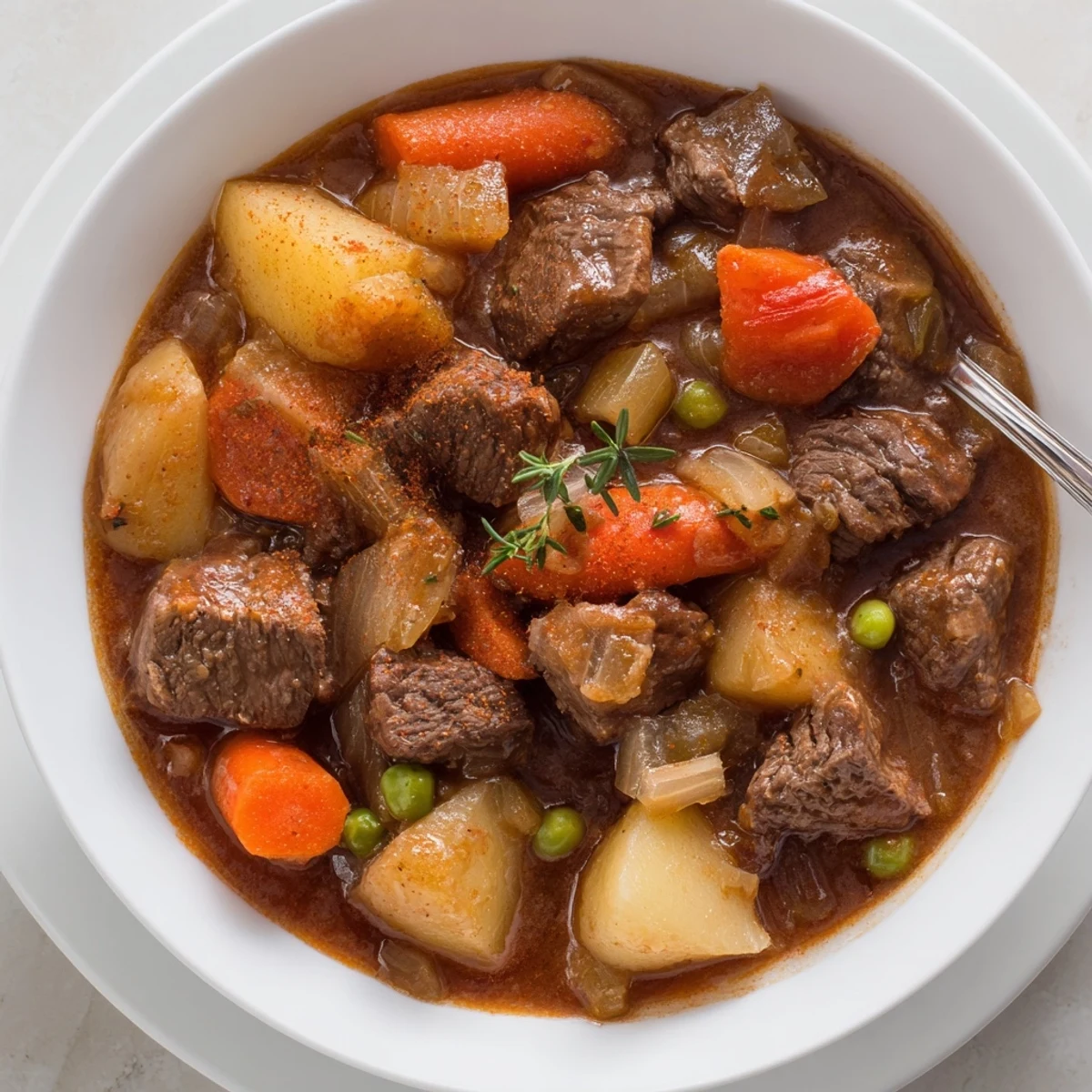
Save The best pot of stew I ever made was the one I accidentally left on the stove an extra thirty minutes while helping my daughter with a school project about volcanoes.
What to Serve Alongside
A thick slice of crusty bread torn by hand is really all you need, though buttered egg noodles on the side turn it into the kind of meal that makes people go quiet and just eat. A simple green salad with a sharp vinaigrette cuts through the richness nicely if you want something fresh on the table.
Making It Your Own
Parsnips or turnips can replace some of the carrots for a more earthy flavor, and a diced sweet potato mixed in with the regular ones adds a subtle sweetness that surprises people. A teaspoon of smoked paprika instead of regular changes the entire mood of the pot.
Storage and Reheating
Beef stew is one of those rare dishes that genuinely improves overnight as the flavors settle and marry in the refrigerator. It keeps well for up to four days chilled, and freezes beautifully for up to three months in airtight containers.
- Reheat gently on the stove over low heat rather than microwaving to keep the beef tender.
- Add a splash of stock or water when reheating because the stew will thicken considerably as it sits.
- Freeze in individual portions for easy lunches that taste like you cooked all day.
 Save
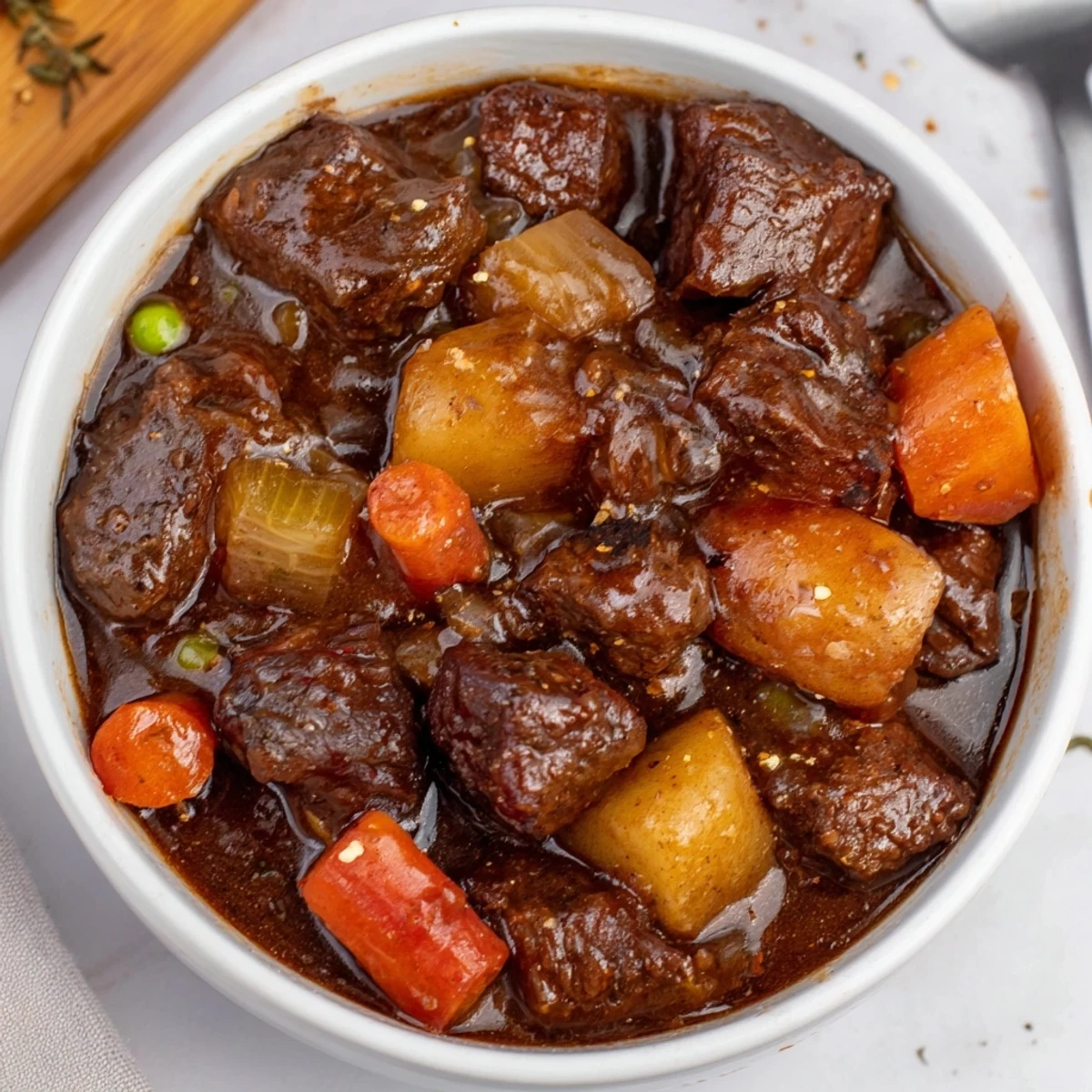
Save Some meals feed the body and some feed the people gathered around the table, and a pot of beef stew on a cold evening manages to do both without any fuss at all.
Recipe FAQs
- → How do I get deeply flavored beef?
-
Brown the beef in batches over medium-high heat to develop a rich fond on the pot bottom. Don’t overcrowd the pan; proper browning adds depth once deglazed.
- → Can I skip the wine?
-
Yes. Replace wine with additional beef stock and a splash of vinegar or Worcestershire for acidity to mimic the complexity wine provides.
- → How do I thicken the broth?
-
Coat the meat with flour early in cooking to naturally thicken the broth, or whisk in a cornstarch slurry near the end for a gluten-free option.
- → What cut of beef works best?
-
Use a well-marbled, tougher cut like chuck; slow simmering breaks down connective tissue into tender, flavorful bites.
- → Can this be made ahead?
-
Yes. Flavors deepen after resting; cool, refrigerate overnight and gently reheat. Add a splash of stock if the sauce thickens too much.
- → How do I prevent overcooked vegetables?
-
Add quicker-cooking vegetables like peas near the end of the simmer so they stay bright and retain texture while the meat finishes tenderizing.