
 Save
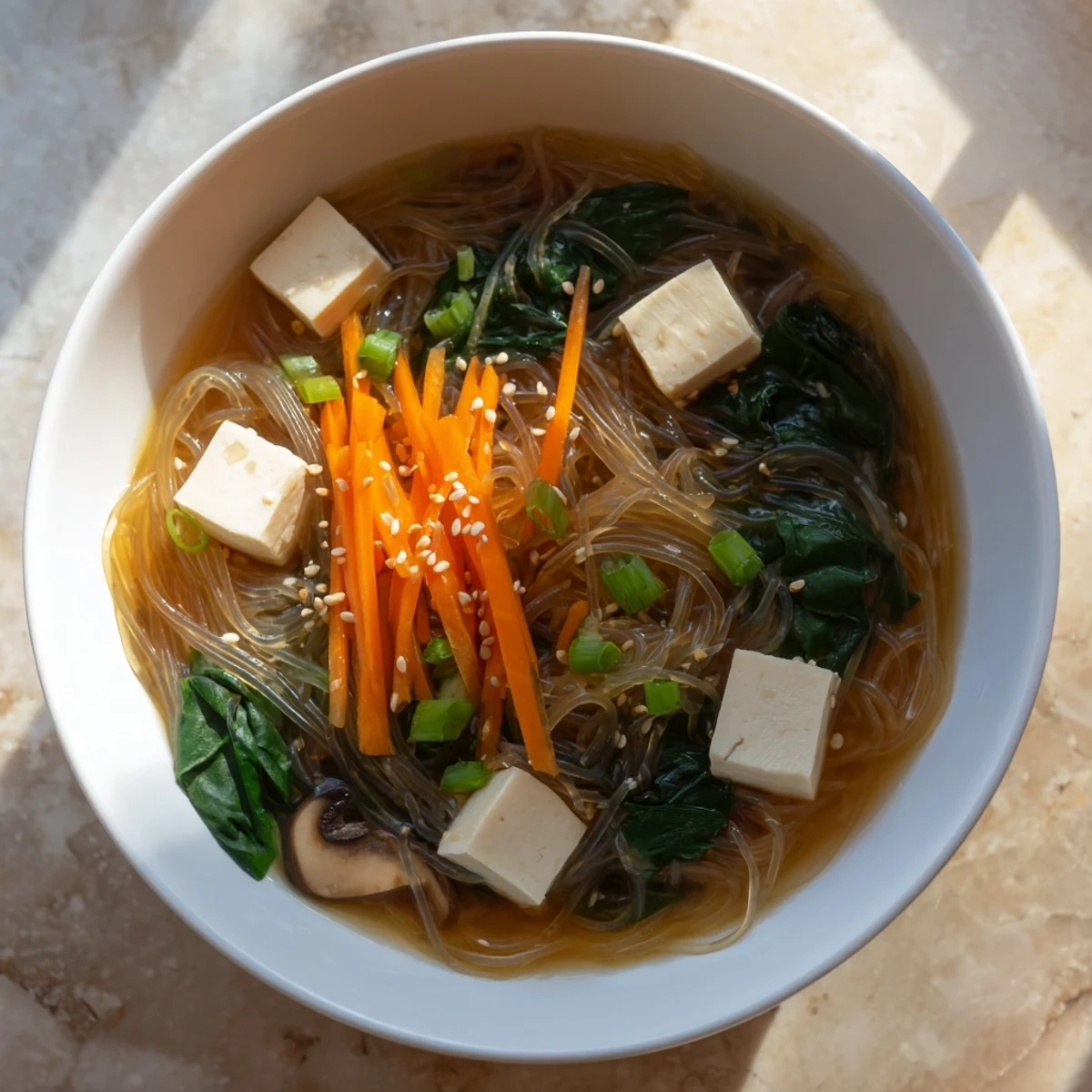
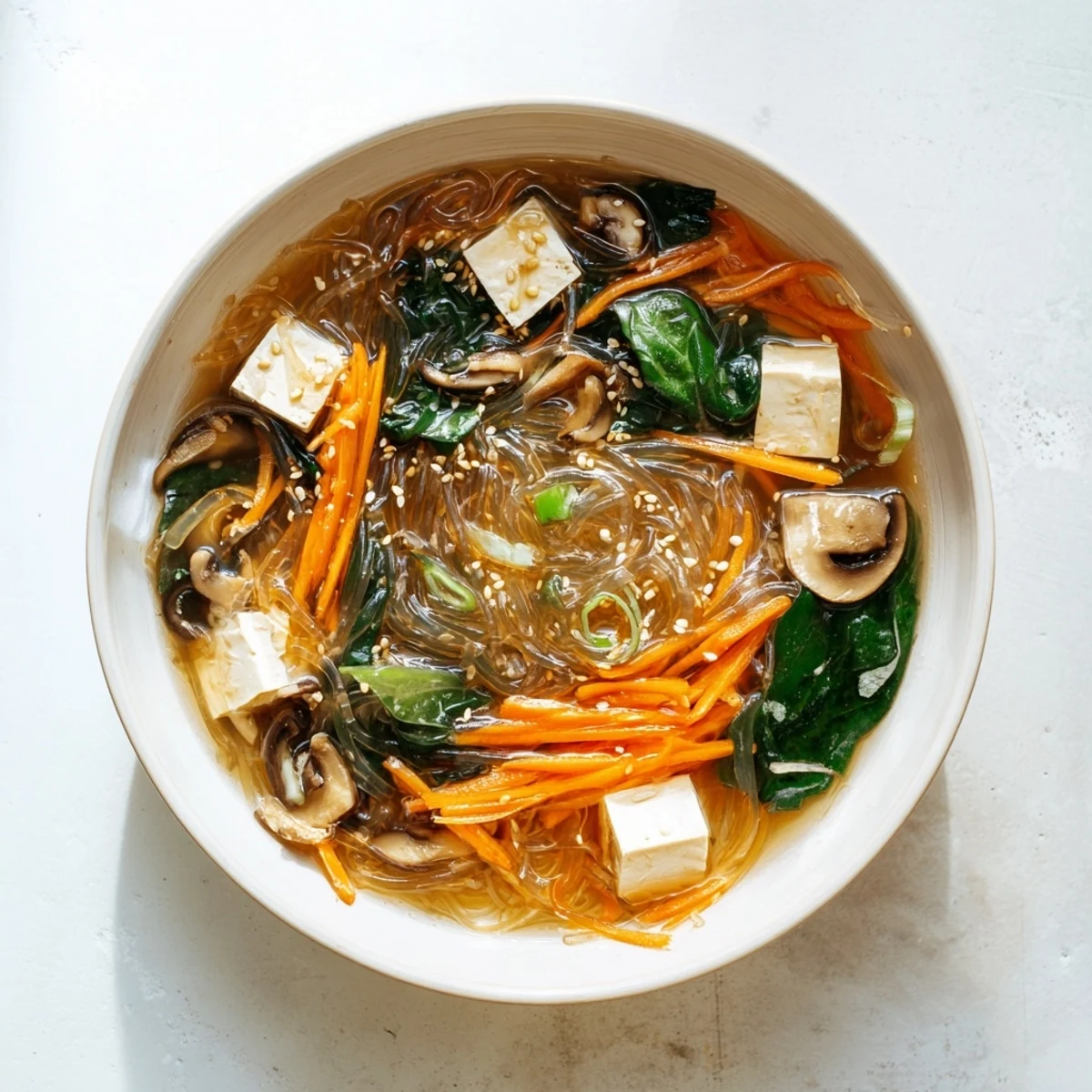
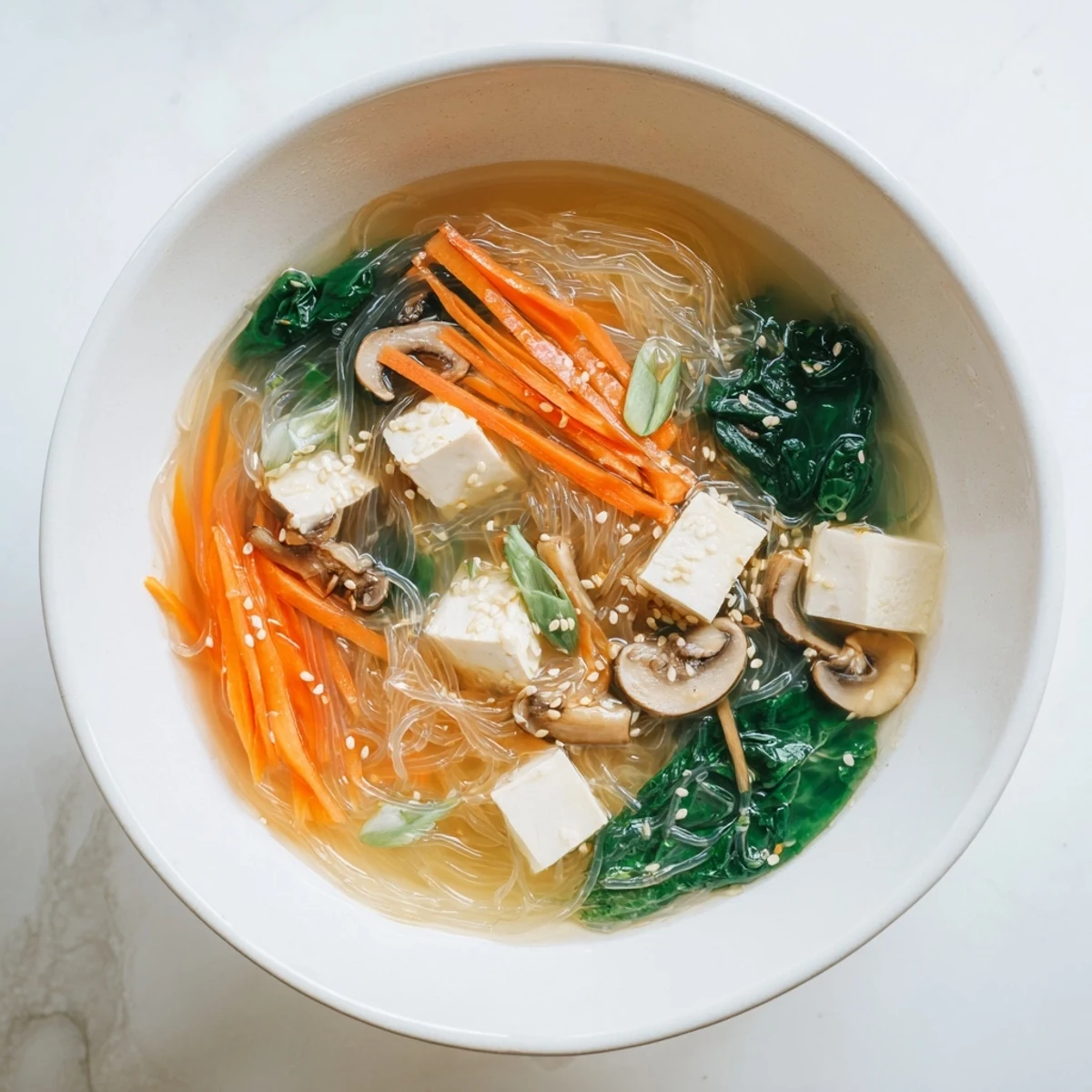
Save This Japanese soup features translucent harusame glass noodles swimming in a fragrant dashi broth seasoned with soy sauce and mirin. Julienned carrots, earthy shiitake mushrooms, and tender greens add texture and nutrition, while optional tofu provides protein. The dish comes together in just 25 minutes, making it perfect for weeknight dinners or light lunches.
Harusame noodles, made from mung bean starch, absorb the savory broth beautifully while maintaining their delicate chew. A sprinkle of toasted sesame seeds adds nutty depth, and a drizzle of chili oil offers gentle warmth for those who crave it.
The rain was tapping against my kitchen window last Tuesday when I suddenly remembered the glass noodles tucked away in my pantry. I had bought them months ago after spotting them at an Asian market, drawn in by their translucent promise of something different. That afternoon became my first experiment with harusame, and now I keep a permanent stash in my cupboard.
My sister called while I was ladling the soup into bowls, complaining about another takeout disappointment. I told her to come over instead, watching her face light up when she took that first sip. Now she texts me every time she makes it, usually with some variation she discovered in her own kitchen.
Ingredients
- Dashi stock: The foundation of Japanese cooking, though quality broth works beautifully too
- Soy sauce: Adds that essential umami depth without overpowering delicate flavors
- Mirin: A subtle sweetness that balances the salty elements perfectly
- Sesame oil: Just a teaspoon creates that wonderful nutty aroma
- Harusame noodles: These glass noodles are incredibly light and absorb the broth beautifully
- Carrots: Julienned thin enough to cook through but still maintain crunch
- Shiitake mushrooms: Meaty and rich, they deepen the broth naturally
- Spinach or bok choy: Adds fresh color and a final burst of nutrition
- Firm tofu: Optional but makes it more substantial when you need protein
Instructions
- Build your broth base:
- Combine the dashi stock with soy sauce, mirin, sesame oil, and salt in a large saucepan. Let it come to a gentle simmer over medium heat, watching as the steam carries the first fragrant notes through your kitchen.
- Soften the vegetables:
- Add the carrots and shiitake mushrooms to the simmering broth. Let them cook for about 5 minutes until they begin to soften while still keeping their texture.
- Add protein if using:
- Gently slide in the tofu cubes and simmer for another 2 minutes. The tofu will absorb some of the savory broth as it warms through.
- Prepare the noodles:
- Place the harusame noodles in a heatproof bowl and cover with boiling water. Let them soak for 4 to 5 minutes until tender, then drain well and divide among your serving bowls.
- Wilt the greens:
- Add the spinach or bok choy to the simmering broth and cook for just 1 minute until the leaves turn bright green and slightly wilted.
- Assemble and serve:
- Ladle the hot broth and vegetables over the waiting noodles in each bowl. Scatter with sesame seeds and extra spring onion, then serve immediately while steaming hot.
 Save
Save My friend Mai stayed over during a particularly rough week, and this soup became our midnight conversation fuel. She told me her grandmother made something similar, and we spent hours comparing memories and variations across generations.
Building Your Broth
The secret is in the balance of soy sauce and mirin. Too much soy sauce overpowers the delicate dashi, while too little leaves the broth tasting flat. I keep tasting as I go, trusting my palate over exact measurements. A splash more sesame oil at the end can transform a good soup into something unforgettable.
Noodle Wisdom
Different brands of glass noodles absorb liquid at different rates. Some brands need an extra minute of soaking time. Do not be afraid to test a strand before draining. The perfect texture is tender but still has a slight bounce when you bite it.
Customization Ideas
Sometimes I add wakame seaweed for extra ocean flavor or enoki mushrooms for their delicate texture. A few drops of chili oil can transform this into a warming winter soup, while a scattering of fresh cilantro gives it a springlike brightness. The base recipe is beautifully forgiving.
- Try a pinch of shichimi togarashi for gentle heat
- Swap tofu for shredded cooked chicken when craving something meatier
- Add a soft boiled egg for extra richness
 Save
Save This soup has become my answer to almost every question—cold weather, tired evenings, or just needing something simple and true. I hope it finds its way into your regular rotation too.
Recipe FAQs
- → What are harusame noodles?
-
Harusame are Japanese glass noodles made from mung bean starch, potato starch, or sweet potato starch. They're translucent, gluten-free, and have a delicate texture that absorbs flavors beautifully while maintaining a pleasant chew.
- → Can I make this soup vegetarian?
-
Yes, simply substitute traditional bonito-based dashi with vegetable broth or kombu (kelp) dashi. The flavor profile remains delicious and satisfying with this simple adjustment.
- → How do I store leftovers?
-
Store broth and vegetables separately from noodles to prevent them from becoming mushy. Refrigerate in airtight containers for up to 3 days. Reheat broth gently and add freshly cooked noodles when serving.
- → What vegetables work best in this soup?
-
Carrots, shiitake mushrooms, spinach, and bok choy are traditional choices. You can also add enoki mushrooms, snow peas, napa cabbage, or wakame seaweed for variety and added nutrition.
- → Can I add protein to make it more filling?
-
Firm tofu, shredded chicken, or shrimp work wonderfully. For a vegan option, try edamame or tempeh cubes. Add protein during the last few minutes of simmering to prevent overcooking.
- → How spicy is this soup?
-
The traditional version is mild and soothing. Add chili oil, shichimi togarashi, or sliced fresh chilies to adjust the heat level to your preference without overpowering the delicate dashi flavors.