
 Save
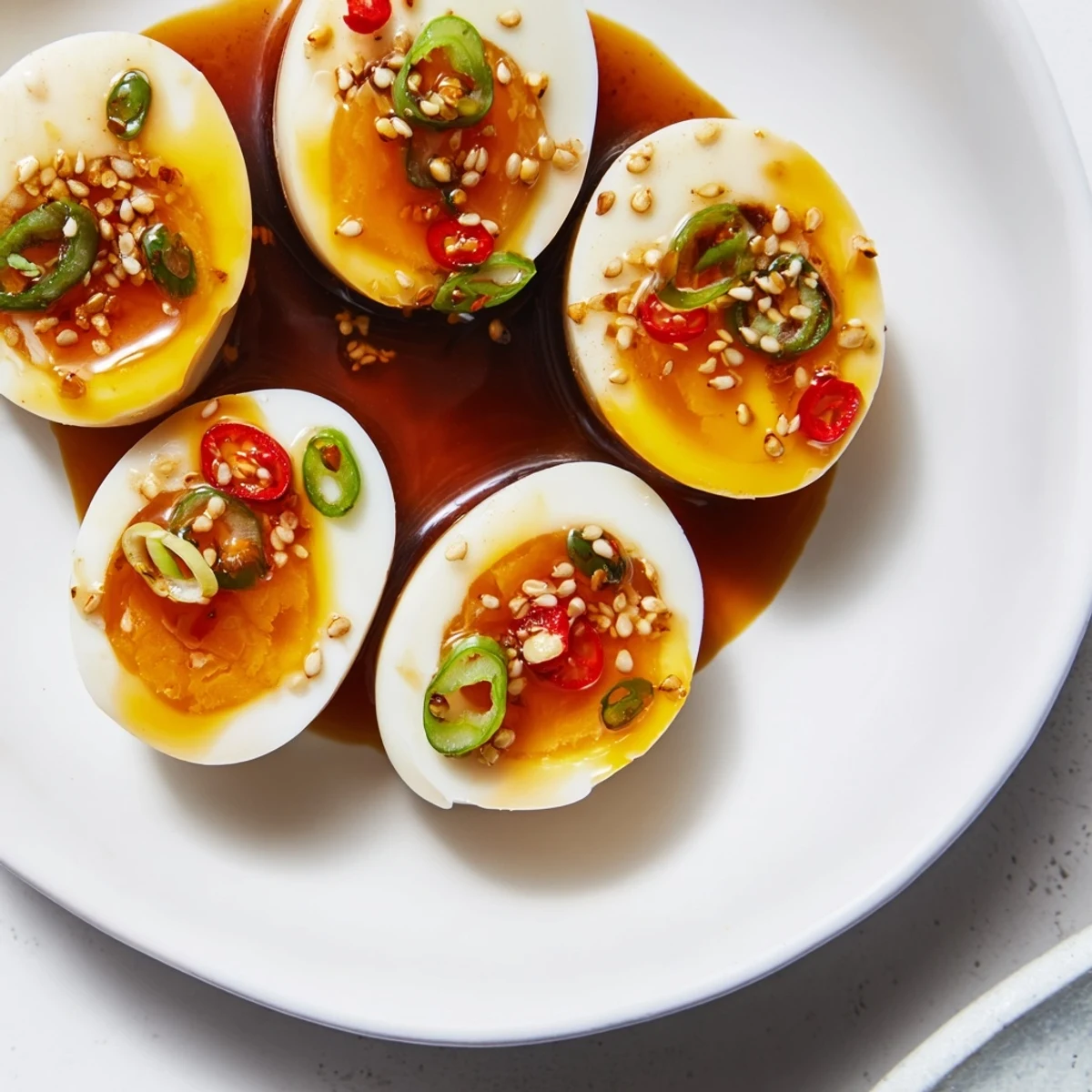
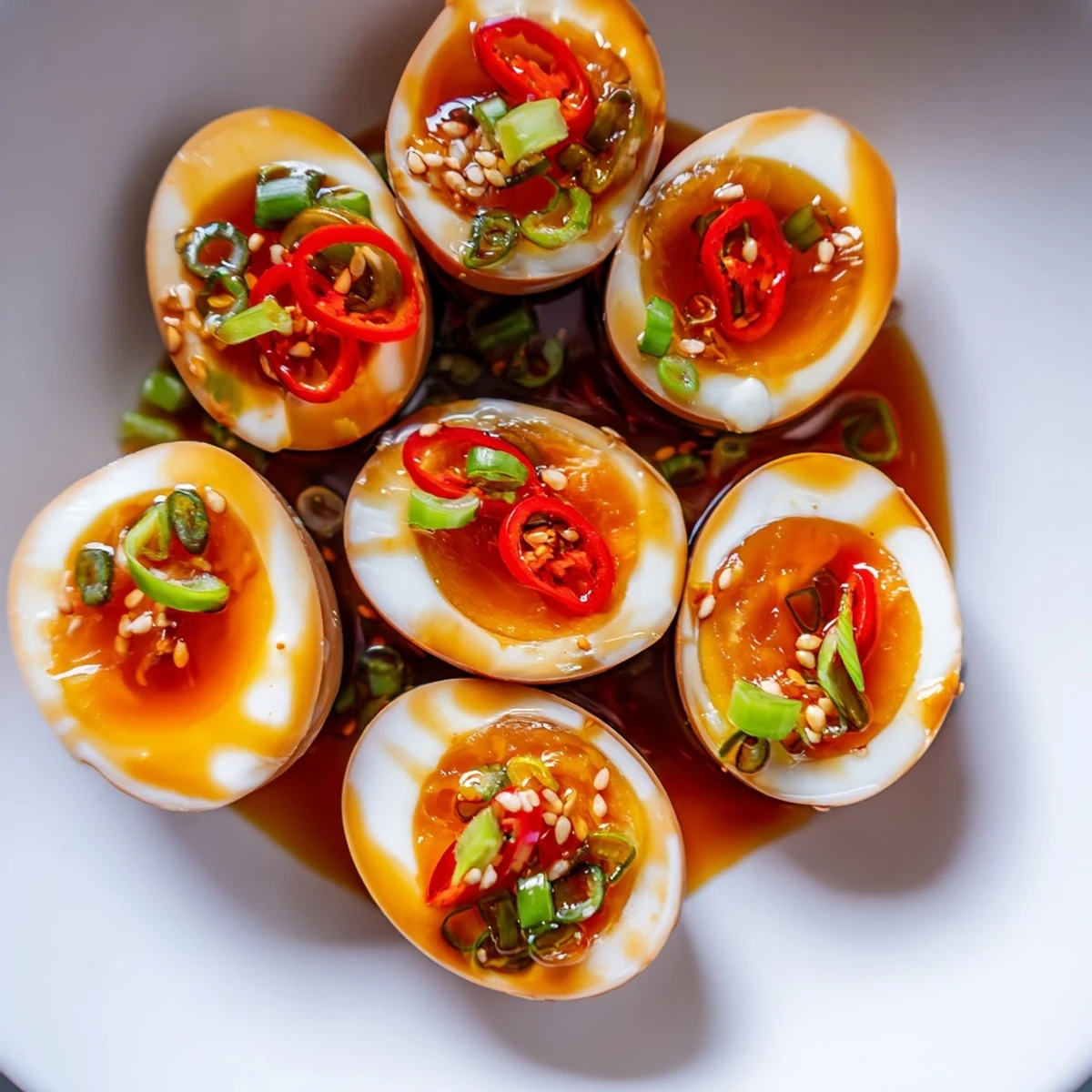
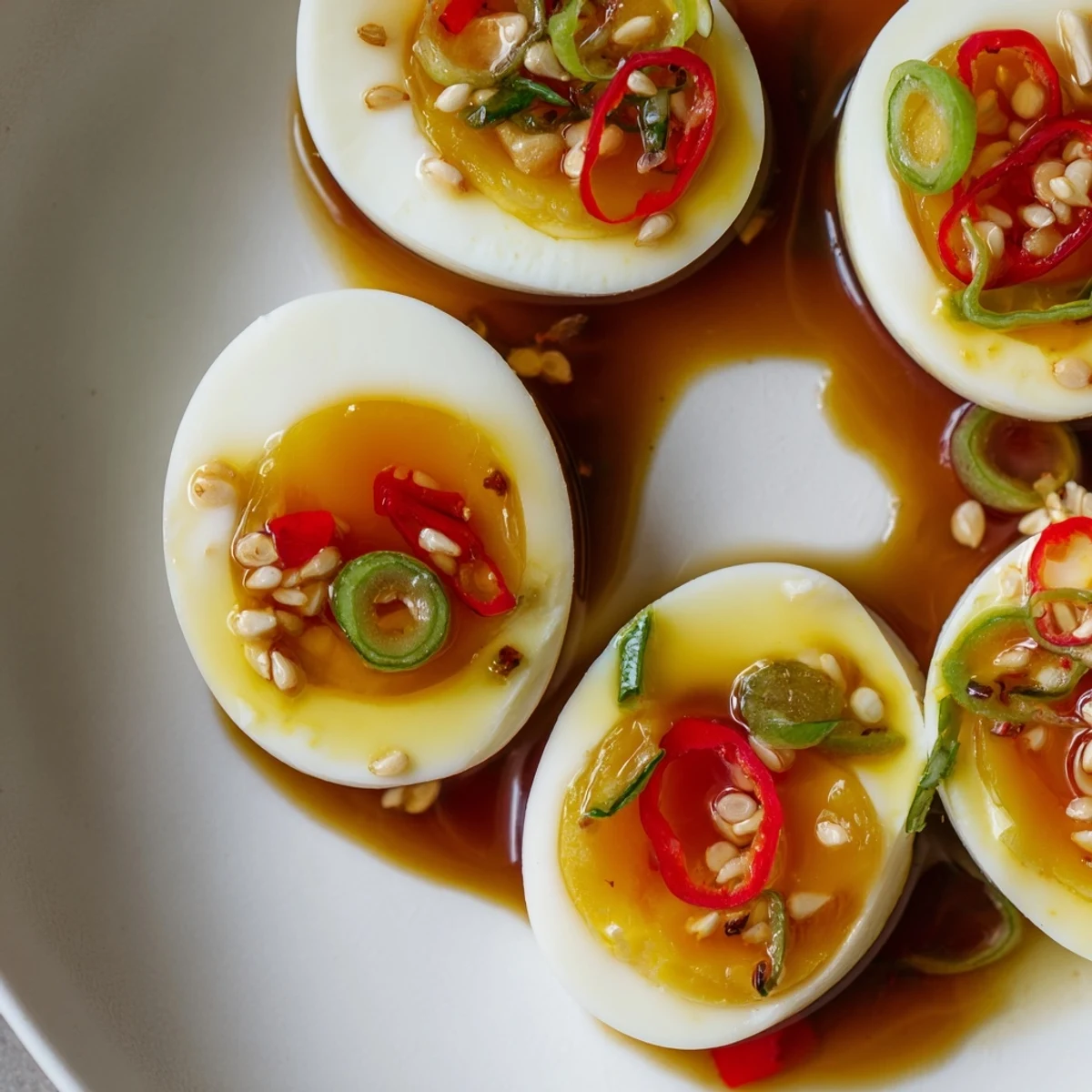
Save These Korean-style marinated eggs feature perfectly jammy soft-boiled eggs steeped in a balanced marinade of soy sauce, rice vinegar, honey, and aromatic sesame oil. The infusion of garlic, scallions, and chili peppers creates layers of flavor that penetrate the egg whites while leaving the yolks lusciously creamy. After just 6 hours in the refrigerator, these versatile eggs develop a glossy, amber exterior and complex umami taste. Enjoy them halved over steamed rice, tucked into noodle bowls, or simply as a protein-rich snack with extra marinade spooned over the top.
The first time I tried these marinated eggs at a Korean friend's apartment, I couldn't stop eating them. Something about that glossy, amber-colored coating made them impossible to resist. I've been making them ever since, usually keeping a container in the fridge for emergency midnight snacks.
My roommate used to sneak these out of my designated container in the fridge, claiming she was just 'quality testing' them. Eventually I started making double batches because the struggle was real. Now we both keep separate jars, which has saved our friendship.
Ingredients
- 6 large eggs: Room temperature eggs peel more cleanly after boiling
- 1/2 cup soy sauce: Low sodium gives you better control over the saltiness
- 1/2 cup water: Dilutes the soy sauce just enough so it doesn't overwhelm
- 2 tbsp honey: Creates a beautiful balance with the salty soy sauce
- 2 tbsp rice vinegar: Adds a subtle brightness that cuts through the richness
- 2 tbsp sesame oil: This is the secret behind that authentic Korean flavor
- 3 cloves garlic, minced: Fresh garlic beats garlic powder every single time
- 2 green onions, finely sliced: These lend a gentle onion flavor to the marinade
- 1 red chili pepper, thinly sliced: Optional, but I love the pop of color and heat
- 1 green chili pepper, thinly sliced: Adds a different kind of heat that lingers pleasantly
- 1 tbsp toasted sesame seeds: They'll float in the marinade and stick to the eggs
Instructions
- Boil the eggs:
- Bring water to a rolling boil, gently lower in the eggs, and cook for exactly 6 to 7 minutes for that perfect jammy yolk consistency
- Ice bath shock:
- Immediately transfer the eggs to ice water for 5 minutes to stop the cooking and make peeling easier
- Peel carefully:
- Tap the eggs gently on the counter and roll them to crack the shell, then peel under cool running water
- Mix the marinade:
- Whisk together the soy sauce, water, honey, rice vinegar, sesame oil, garlic, green onions, chili peppers, and sesame seeds until the honey dissolves completely
- Marinate the eggs:
- Place the peeled eggs in a container, pour the marinade over them, and refrigerate for at least 6 hours or overnight
- Serve them up:
- Cut the eggs in half or leave them whole, spooning some of the marinade and garnishes over the top before serving
 Save
Save These have become my go-to contribution to potlucks because people always ask for the recipe. There's something satisfying about watching someone take that first tentative bite, then immediately reach for a second egg.
Getting the Perfect Boil
I've learned that 6 minutes and 30 seconds is my personal sweet spot for these eggs. The yolk stays slightly runny but set enough to slice cleanly. Your timing might vary slightly depending on your stove and egg size, so it's worth experimenting to find your ideal time.
Marinade Variations
Sometimes I add a star anise or a cinnamon stick to the marinade for a subtle warming note. A piece of ginger works beautifully too, especially if you're planning to serve these with noodles. The marinade is incredibly forgiving.
Storage and Serving Ideas
These eggs will keep in the refrigerator for up to 5 days, though they rarely last that long in my house. I love packing them in lunch bowls with rice and pickled vegetables.
- Try slicing them over ramen for an instant upgrade
- Chop them into a cold noodle salad for protein
- Mash the yolk slightly and spread on toast with the marinade
 Save
Save There's something deeply satisfying about opening the fridge and seeing that jar of amber eggs waiting. Hope they become a staple in your kitchen too.
Recipe FAQs
- → How long should I boil the eggs for the perfect jammy texture?
-
Boil the eggs for exactly 6 to 7 minutes in rapidly boiling water. This timing produces a fully set white with a creamy, golden yolk that's ideal for absorbing the marinade flavors while maintaining a luxurious texture.
- → Can I adjust the spice level in the marinade?
-
Absolutely. Reduce or omit the chili peppers for a milder version, or increase them for extra heat. The marinade base remains balanced with honey and vinegar, so you can customize the spice to your preference without affecting the overall flavor profile.
- → How long can I store the marinated eggs in the refrigerator?
-
The eggs will keep well for up to 5 days when stored in an airtight container in the refrigerator. The flavor continues to develop over time, though the texture may become slightly firmer after 3 days. Keep them fully submerged in the marinade for best results.
- → Can I reuse the marinade for another batch?
-
Yes, you can reuse the marinade once more, but it's important to boil it first to ensure food safety. After boiling, let it cool completely before adding freshly peeled eggs. The second batch may have a slightly more intense flavor from the first use.
- → What can I substitute for honey in the marinade?
-
Maple syrup, brown sugar, or agave nectar work well as substitutes for honey. Each adds a slightly different sweetness profile—maple provides depth, brown sugar offers molasses notes, and agave gives a neutral sweetness that won't overpower the other flavors.
- → Are these eggs gluten-free?
-
Traditional soy sauce contains gluten, but you can easily make these gluten-free by substituting tamari or coconut aminos for the soy sauce. Always check your other ingredients, particularly the rice vinegar, to ensure they are certified gluten-free if needed.